
Choosing between a 2-ring, 3-ring, or 6-ring binder notebook comes down to how you plan to use it, where you will carry it, and your preferred paper size. A 2-ring binder offers the simplest setup and maximum paper compatibility but lacks page stability. A 3-ring binder provides a balanced, secure hold for standard academic and office documents. A 6-ring binder offers the highest level of page security and is ideal for compact, highly organized planners, though it requires specialized paper.
Understanding these mechanisms helps you avoid the frustration of torn pages, bulky bags, and incompatible refills. By evaluating how each ring system handles daily wear, writing comfort, and long-term costs, you can select a notebook system that fits seamlessly into your workflow.
Core Structural Differences Between Ring Mechanisms
The physical layout of a binder determines how well it holds your notes and how easily you can flip through them. A 2-ring binder features two rings spaced far apart, typically following the standard 80mm spacing. Because there are only two points of contact, the paper has more room to pivot, which can sometimes cause the sheets to sag or misalign when you turn them quickly.
Products mentioned in this guide
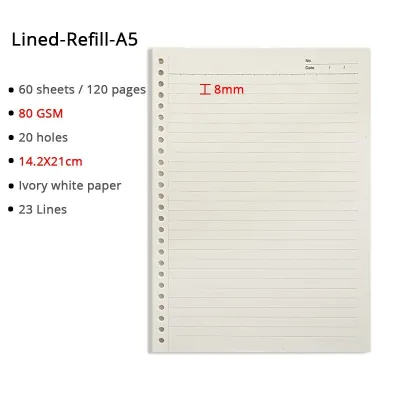
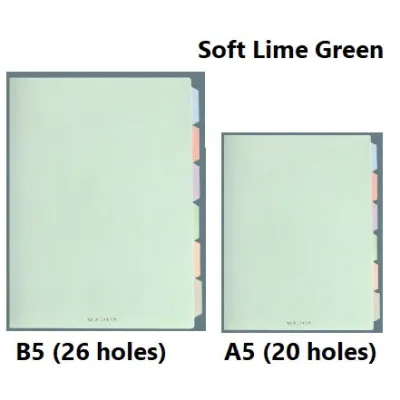
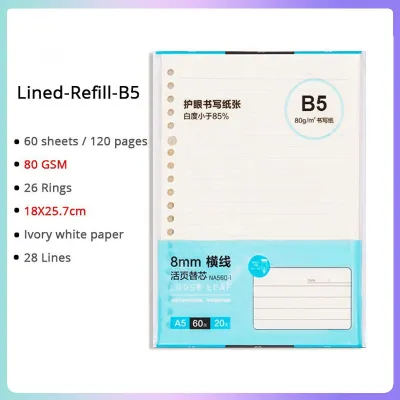
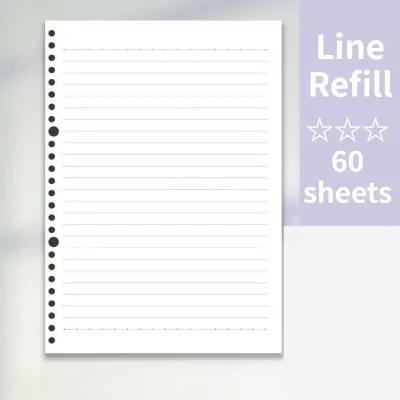
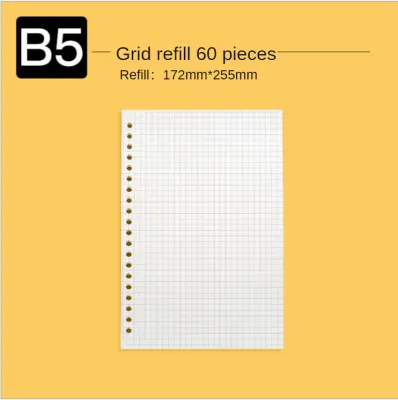
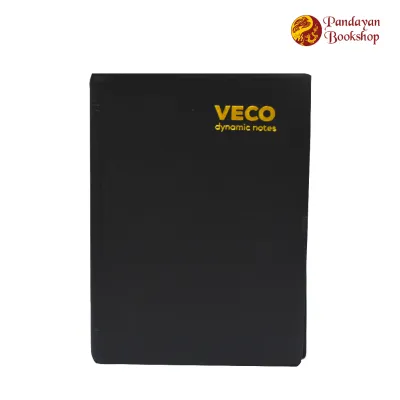
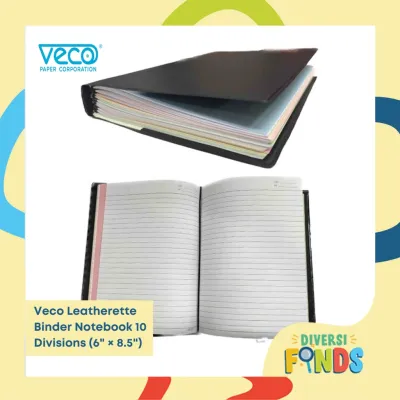
Prices are valid at publication and may change. Please refer to the product page for the latest price.
In contrast, the 3-ring binder is the standard for larger document organization. The three rings are evenly spaced along the spine, providing a highly stable support system for standard letter-size or A4 paper. This third ring in the center prevents the middle of the page from sagging, ensuring that sheets remain flat and aligned even when the binder is packed to its limit.
For smaller, highly portable formats, the 6-ring binder is the most common choice. This mechanism features two groups of three closely spaced rings. The high number of rings distributes the tension across six different points on the paper margin. This layout offers maximum page stability, preventing the paper from shifting or tearing at the holes, which is particularly useful for smaller paper sizes like A5 and A6.
When closed, these binders present very different profiles. A 6-ring binder typically uses smaller, low-profile rings that allow the notebook to remain relatively slim and flat. A 3-ring binder often requires a larger, more rigid spine to accommodate its heavy-duty rings, making it bulkier on a desk. A 2-ring binder can vary widely, but its simple mechanism often allows for flexible, lightweight covers that conform easily to the contents inside.
Capacity Limits and Paper Compatibility
Spine width and ring diameter dictate exactly how many sheets of paper your binder notebook can hold. A typical 3-ring binder is built for high-volume storage, with ring diameters ranging from 0.5 inches to 2 inches or more, easily accommodating 100 to 500 sheets of paper. This makes them the go-to option for comprehensive school subjects or large office projects.

6-ring binders are generally designed for portability and daily planning, meaning they feature much smaller ring diameters, often between 15mm and 30mm. This limits their capacity to around 80 to 150 sheets of paper. Attempting to overload a 6-ring binder causes the pages to catch on the ring joints, leading to frayed edges and difficulty when opening or closing the mechanism.
Paper size compatibility is another critical factor. The 3-ring system is deeply tied to standard letter and A4 paper sizes. The 2-ring system is highly versatile because you only need two holes along the margin, allowing it to accept A4, B5, and A5 paper easily, provided the hole spacing matches your punch. The 6-ring system is highly specialized, designed almost exclusively for A5, A6, and personal planner sizes; standard A4 paper cannot be used in a 6-ring binder without custom punching and folding.
Before purchasing, it is important to understand the physical limits of your paper. Heavy-weight paper or cardstock will reduce the overall sheet capacity of any binder. If you exceed the recommended capacity, the pages will not lie flat, and the constant friction against the rings will eventually tear the punched holes, regardless of whether you are using a 2-ring, 3-ring, or 6-ring system.
Portability, Weight, and Writing Comfort
Writing comfort is highly dependent on how the rings interact with your hand. For right-handed writers, the rings can obstruct your hand when writing on the left-hand page; for left-handed writers, the opposite is true. Because 6-ring binders have a prominent gap between the two sets of rings, they sometimes offer a small resting area for your hand, but the closely spaced rings can still feel intrusive during long writing sessions.
In a 2-ring binder, the massive gap in the middle of the page means there are no rings in the center to obstruct your hand, which can make writing in the middle of the sheet much more comfortable. A 3-ring binder presents a continuous obstacle along the entire margin, often forcing writers to remove the page from the binder entirely when writing detailed notes, then reinserting it once finished.
Daily commuting also highlights the differences in weight and bulk. In tropical climates where humidity is high, carrying a heavy, rigid 3-ring binder in a backpack can be exhausting. High humidity can also soften paper, making limp sheets more prone to tearing in a 2-ring binder, which only supports the paper at two points. A compact 6-ring binder fits easily into smaller bags, and its six points of contact keep damp or softened paper securely in place.
Durability is another key consideration for daily travel. Metal ring mechanisms are generally more durable than plastic ones, but they add weight to your bag. When evaluating a binder, check the alignment of the rings when closed; if the teeth do not meet perfectly, pages will snag and tear. High-quality metal rings should snap shut tightly with a crisp click, ensuring they will not accidentally pop open inside your bag.
Refill Availability and Long-Term Costs
The ongoing cost of maintaining a binder notebook depends heavily on how easy it is to find replacement paper. Standard 3-hole loose-leaf paper is widely available in almost any local stationery shop or office supply store. Because it is produced in high volumes, it is highly economical, often costing around ₱150 to ₱300 for a large pack of standard filler paper.
Refills for 2-ring binders are also easy to manage. Since a standard two-hole punch is a common tool in most homes and offices, you can easily create your own refills using any standard paper. This makes the 2-ring system incredibly cost-effective over time, as you are not locked into buying proprietary pre-punched paper.
6-ring refills are much more specialized and can be harder to find in physical neighborhood stores. While they are widely available on online marketplaces, they carry a higher price tag per sheet. Specialty 6-ring planner inserts, colored paper, or high-gsm writing paper can cost anywhere from ₱80 to ₱250 for a small pack of 40 to 80 sheets, making the 6-ring system the most expensive option to maintain.
To save on long-term costs, you can purchase an adjustable 6-hole punch, which typically costs between ₱300 and ₱600. This tool allows you to punch your own custom paper, giving you the freedom to choose your preferred paper weight and texture. When selecting paper, remember that smoothness, bleed resistance, drying speed, and water resistance depend entirely on the specific paper material. It is always best to test a single sheet with your favorite pen first to observe how the ink behaves before committing to a large batch.
Decision Framework: Which Binder Notebook Should You Choose?
To make the right choice, match the binder mechanism to your primary writing environment, your preferred paper size, and your budget.
Choose a 2-Ring Binder If:
- You want a lightweight, budget-friendly notebook for basic document archiving.
- You prefer to punch your own paper using a standard, inexpensive two-hole punch.
- You want to mix different paper sizes (like A4 and A5) within the same binder.
- You prioritize writing comfort and want to avoid rings obstructing the center of the page.
Choose a 3-Ring Binder If:
- You are a student or professional handling standard Letter or A4 documents.
- You need to store a high volume of notes (over 150 sheets) in a single notebook.
- You require maximum page stability for large sheets of paper that are turned frequently.
- You want easy access to affordable, pre-punched filler paper at any local store.
Choose a 6-Ring Binder If:
- You prioritize portability and want a compact notebook that fits easily into a small bag.
- You are using a personal planner, journal, or highly structured organization system.
- You want maximum page security to prevent sheets from tearing or falling out during travel.
- You do not mind the higher cost of specialized refills or investing in an adjustable 6-hole punch.
Before making your final decision, verify your existing paper stock and test the ring tension of the binder in person. Ensuring the rings align perfectly and snap shut securely will guarantee a smooth, frustration-free writing experience for years to come.
Frequently Asked Questions (FAQ)
Can I use 2-hole punched paper in a 6-ring binder?
No, standard 2-hole punched paper will not align properly with the ring spacing of a standard 6-ring binder. The distance between the holes on a 2-hole punched sheet is much wider than the spacing between the rings in a 6-ring mechanism. Attempting to force the paper onto the rings will cause the sheets to buckle, prevent the binder from closing, and quickly tear the paper edges. For a temporary workaround, you would need to punch new holes using a compatible 6-hole punch.
Do I need a special hole punch for 6-ring notebooks?
Yes, you will need a specialized, adjustable 6-hole punch to create custom refills for a 6-ring notebook. Standard office punches only create two or three holes at fixed intervals, which do not match the dual-grouped layout of a 6-ring binder. When shopping for a 6-hole punch, look for models with adjustable sliding punch heads and built-in alignment guides. This ensures you can accurately match the specific spacing of A5, A6, or personal-sized binder rings.
Community discussion
Share your experience or ask a question. Comments are reviewed before publication.