
Choosing the right A6 binder is not about finding a single, universally superior option; instead, the ideal choice depends on how you balance page security, flipping smoothness, and paper compatibility. The A6 size, measuring approximately 105 by 148 millimeters, is highly favored in the Philippines for its portability, fitting easily into small bags for daily commutes. However, the utility of this compact format is heavily dictated by its binding mechanism. Whether you select a 2-ring, 4-ring, or 6-ring configuration will determine how easily you can insert refills, how well your pages resist tearing under humid tropical conditions, and how smoothly you can flip through your daily notes or budget trackers. By evaluating the structural differences, page stability, and refilling effort of each ring count, you can select a binder that integrates seamlessly into your daily workflow without risking damaged pages or misaligned rings.
Core Differences in A6 Binder Ring Mechanisms
The physical structure of an A6 binder is defined by its ring mechanism, which is typically constructed from either nickel-plated metal or molded plastic. Metal mechanisms offer a classic, satisfying snap and high durability, though they add noticeable weight to your carrying setup. Plastic mechanisms, while significantly lighter and less prone to rust in high-humidity environments, often feature slide-to-lock or snap-fit designs that may wear down faster under heavy daily use. The choice of material directly influences the binder’s overall weight, spine thickness, and how it feels in your hand during a busy day of meetings or classes.
The spacing and number of rings dictate the standard hole-punch patterns required for your refills. A 2-ring A6 binder typically utilizes a wide spacing, often aligning with standard international two-hole punch distances, which makes it highly compatible with basic office paper. The 4-ring mechanism introduces two additional anchor points, reducing the distance between rings and creating a more balanced, symmetrical layout. The 6-ring mechanism is the most common standard for specialized personal planners, featuring two distinct clusters of three rings spaced closely together to accommodate highly detailed, pre-printed organizer pages.
Products mentioned in this guide
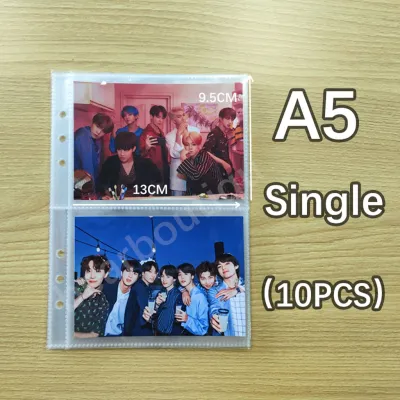
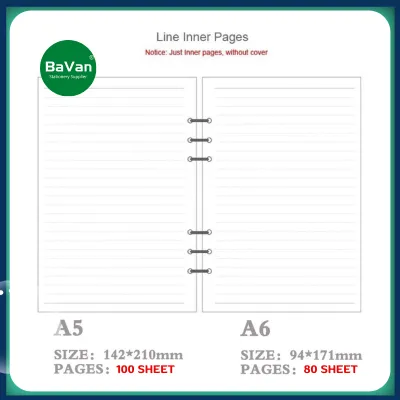
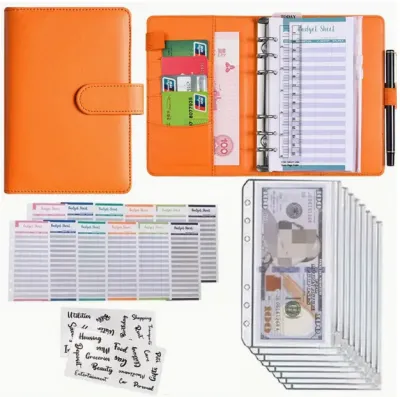
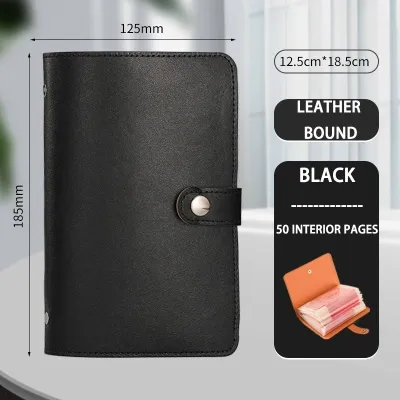
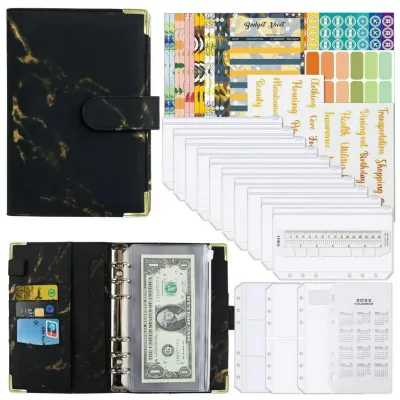
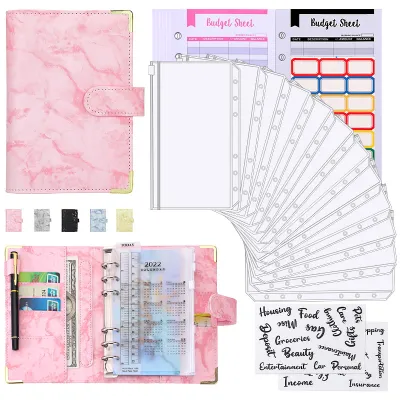
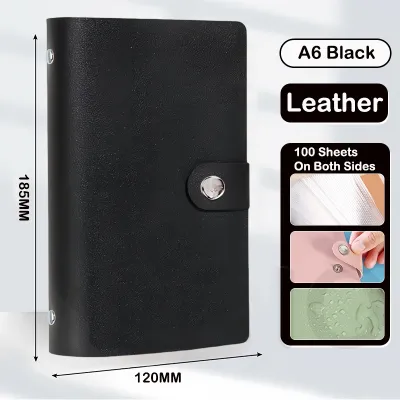
Prices are valid at publication and may change. Please refer to the product page for the latest price.
These structural variations directly impact the spine design and bulk of the binder cover. Because a 6-ring mechanism requires a more complex internal spring plate to operate all six rings simultaneously, it generally demands a wider, more rigid spine. Conversely, a 2-ring mechanism can operate with a much narrower spine and smaller ring diameters, allowing for ultra-slim, flexible covers that maximize portability for those who prefer to travel light.
Comparing Page Security and Binding Stability
Page security is directly tied to how effectively a binder distributes physical stress across the punched holes of your paper. When you carry a binder in a backpack or drop it onto a desk, gravity and momentum pull the paper against the rings. In a 2-ring configuration, the entire weight of the paper block rests on just two contact points. This concentrated stress increases the likelihood of the paper sagging downward or tearing at the margins, especially when using standard 70 or 80 gsm paper that has softened due to absorbing ambient moisture in humid climates.

Adding more rings dramatically improves binding stability by spreading this mechanical tension across a larger surface area. A 4-ring binder provides four distinct anchor points, which significantly reduces the physical load on any single hole. This configuration prevents the pages from shifting diagonally or sagging when the binder is held upright. For maximum security, the 6-ring mechanism offers the most robust support system, locking each sheet of paper firmly in place along almost the entire length of the A6 margin, making it virtually impossible for pages to slip out or tear under normal handling.
The risk of page tearing is particularly high near the top and bottom edges of the sheet, where the paper is most vulnerable to catching on the binder cover. In a 2-ring binder, the large unanchored sections at the top and bottom can easily fold or snag, leading to unsightly tears that run from the punched hole to the edge of the page. If your daily routine involves frequent handling or flipping through heavy cardstock dividers, the extra reinforcement provided by a 6-ring or 4-ring mechanism is essential to preserve the structural integrity of your notes over time.
Evaluating Flipping Smoothness and Refilling Effort
Flipping smoothness is determined by how easily the punched holes slide along the curvature of the rings. When a binder has fewer rings, there are fewer points of friction, allowing pages to glide quickly with minimal resistance. However, because a 2-ring binder allows the paper to pivot more freely, the pages can easily become misaligned as you turn them, causing the paper to catch on the ring joints. A 4-ring binder offers a smoother, more controlled glide because the additional rings keep the paper perfectly parallel to the spine as it rotates.
The 6-ring mechanism provides a highly structured flipping experience, but it requires precise alignment of the paper holes to prevent catching. If the rings are even slightly misaligned or if the paper holes are punched too tightly, you may experience noticeable resistance when turning multiple pages at once. To ensure a smooth glide, check that the ring joints meet flush without any gaps or overlapping edges, which is especially critical for metal rings that can develop tiny misalignments over months of opening and closing.
Refilling effort represents a clear trade-off against binding security. Opening a 2-ring or 4-ring binder is typically a quick, low-effort task, often requiring you to pull open only one or two spring-loaded segments. A 6-ring binder, however, requires you to snap open a larger, stiffer mechanism that controls all six rings at once. While this ensures excellent security, inserting or removing pages requires careful alignment to thread all six holes simultaneously without bending or crumpling the edges of your paper, which can slow down your workflow if you frequently update your binder’s contents.
Checking Capacity Limits and Paper Compatibility
Before purchasing an A6 binder, you must verify its maximum sheet capacity by checking the manufacturer’s specifications, which are typically determined by the inner diameter of the rings. A common mistake is assuming that more rings automatically mean higher capacity. In reality, a 2-ring binder with a large 25mm ring diameter can hold significantly more sheets than a slim 6-ring planner with 15mm rings. You should measure your typical daily paper volume and compare it against the binder’s rated capacity, keeping in mind that adding thick dividers or plastic pockets will quickly reduce the space available for writing paper.
Paper compatibility is another critical factor that varies widely across these three mechanisms. The 2-ring A6 binder is highly versatile for DIY enthusiasts because you can easily punch holes in standard office paper using a basic, adjustable two-hole punch. The 4-ring format is less common in standard retail stores, often requiring specialized paper or a dedicated four-hole puncher that can be difficult to source. The 6-ring format is the undisputed standard for pre-punched planner refills, budget envelopes, and decorative journal pages, which are widely available on online marketplaces and in local stationery shops.
You must also consider how paper thickness and accessories affect the usable capacity of your chosen mechanism. Heavy cardstock, watercolor paper, and laminated dividers require larger ring clearances to turn smoothly without binding. If you plan to use protective plastic sleeves or zippered cash envelopes for budgeting, these materials add substantial bulk at the spine. A 6-ring binder is highly suited for these thick accessories because the closely spaced rings prevent the heavy plastic from sagging, but you must choose a larger ring diameter to accommodate the added thickness.
Decision Guide: Which A6 Binder Fits Your Workflow?
To select the right A6 binder for your daily routine, you should apply a conditional decision framework based on your primary tasks, portability needs, and paper preferences. If your priority is a lightweight, ultra-portable setup for quick, casual note-taking or sketching on the go, a 2-ring A6 binder is an excellent choice. Its minimal bulk allows it to slip into a pocket or small clutch, and you can easily create your own refills from scrap paper using a standard office hole punch, making it a highly economical and flexible option.
If you require a reliable balance of page stability and ease of use for standard daily documents, study guides, or recipe cards, the 4-ring A6 binder is highly suitable. It keeps your pages neatly aligned and prevents the diagonal sagging common in 2-ring models, while still being relatively easy to refill. This configuration is ideal for structured note-taking where pages are kept in a fixed order and do not need to be constantly rearranged, providing a neat, book-like feel when open on your desk.
For those organizing specialized personal planners, financial budget binders, high-frequency reference materials, or creative journals, the 6-ring A6 binder is the recommended standard. The six secure anchor points ensure that your valuable planner pages, calendar inserts, and heavy cardstock dividers remain perfectly flat and protected from tearing, even with constant daily handling. While it is heavier and requires more effort to refill, the vast availability of pre-punched 6-hole accessories makes it incredibly easy to customize your setup.
Regardless of which mechanism you choose, always verify that your existing paper stock, preferred refill brands, or home hole puncher matches the exact hole spacing of the binder before making a purchase. Taking a moment to measure the distance between the rings on your current inserts will save you the frustration of dealing with misaligned pages, torn margins, or incompatible refills.
Frequently Asked Questions (FAQ)
Can I use 6-hole paper in a 2-ring or 4-ring A6 binder?
Using pre-punched 6-hole paper in a 2-ring or 4-ring binder is generally not recommended due to severe alignment issues. The spacing of the holes on a standard 6-hole A6 sheet rarely aligns with the wider ring placement of 2-ring or 4-ring mechanisms, which can cause the paper to sit crookedly or prevent the binder from closing. Forcing mismatched paper into fewer rings will inevitably lead to bent pages and torn punch holes. If you must use 6-hole paper, you will need to use a single-hole punch to manually create new, correctly positioned holes, though this can compromise the structural integrity of the paper margins.
How do I prevent the rings from misaligning or sticking?
To keep your binder mechanism operating smoothly, perform a regular visual inspection to check for bent rings, debris accumulation, or signs of wear. In the humid tropical climate of the Philippines, metal mechanisms are susceptible to moisture buildup, which can lead to rust and sticking; you can prevent this by wiping the rings with a dry microfiber cloth and keeping the binder away from damp environments. Avoid overloading the binder beyond its specified sheet capacity, as forcing too many pages inside puts excessive pressure on the spring plate, leading to permanent misalignment. If a ring becomes severely bent or fails to close completely, it is best to replace the mechanism or the binder to prevent your pages from catching and tearing.
Community discussion
Share your experience or ask a question. Comments are reviewed before publication.