
A genuine 3D pen full set must contain more than just the pen and a few random strands of plastic. It should serve as a complete, self-contained creative station that allows you to plug in, heat up, and start drawing three-dimensional objects immediately without requiring additional purchases. To ensure you are getting a high-value package rather than an inflated bundle of cheap fillers, you must evaluate the core hardware specifications, the quality and volume of the included filament, and the practicality of the bundled accessories.
Essential Components of a Genuine 3D Pen Full Set
The 3D pen unit itself is the heart of the kit and requires close inspection. Look for models featuring adjustable speed sliders and precise temperature controls. Speed adjustment is critical because drawing a vertical pillar requires a slower extrusion rate than filling in a flat stencil. Temperature control is equally vital, as different materials require distinct heat levels to melt smoothly without burning or clogging. An ergonomic design with a lightweight chassis prevents hand fatigue during long crafting sessions, which is especially important in warm, humid tropical climates where sweaty hands can easily slip off bulky, poorly textured plastic grips.
Power supply and cables require careful verification before purchase. In the Philippines, the standard voltage is 220V at 60Hz. Ensure the included power adapter is rated for this input and features a standard Type A or Type B plug to avoid the need for loose, unsafe travel adapters. The length of the power cord is another practical detail that is often overlooked. A cord shorter than 1.5 meters restricts your movement, forcing you to work uncomfortably close to a wall outlet or rely on extension cords that clutter your workspace.
Products mentioned in this guide
![[🇵🇭 Stock&COD] Original 3D Printer Pen Full Set with Filament 3M 3 Colors Toy for kids Scratch Pen For Chicken DIY 3d Printer pen Crafting Doodle Drawing Arts Printer Tools Childrens Toys Magic Pen Drawing](https://img.lazcdn.com/g/p/bc5d1ac5b7883522b689adb9834f4dc8.jpg_400x400q80.jpg_.webp)
Prices are valid at publication and may change. Please refer to the product page for the latest price.
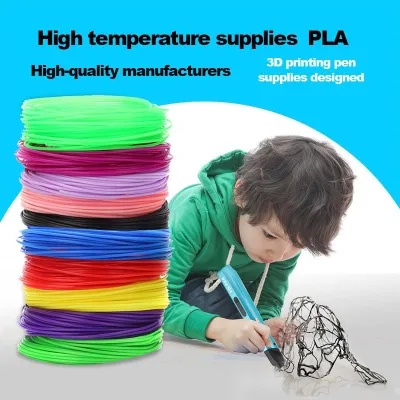
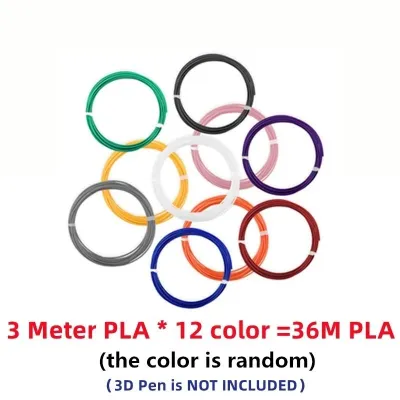
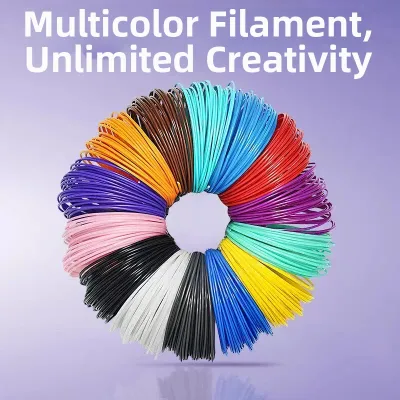
The base filament supply included in the box determines how much initial practice you can actually get. Most starter kits include either Polylactic Acid (PLA) or Acrylonitrile Butadiene Styrene (ABS). PLA is generally preferred for indoor crafting because it melts at a lower temperature (typically 180°C to 210°C), emits a sweet, starch-like aroma, and resists warping. ABS requires higher temperatures (210°C to 240°C) and can produce strong, unpleasant plastic fumes, making it less suitable for poorly ventilated rooms. A functional starter set should provide at least 50 to 100 grams of filament, divided into multiple colors, to allow for calibration and basic projects.
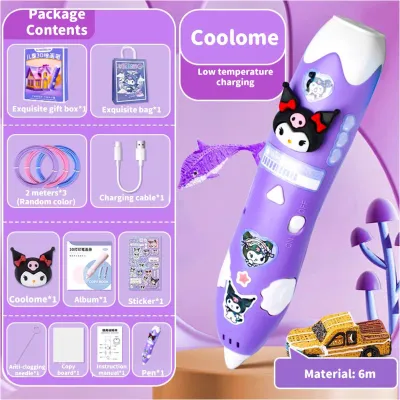
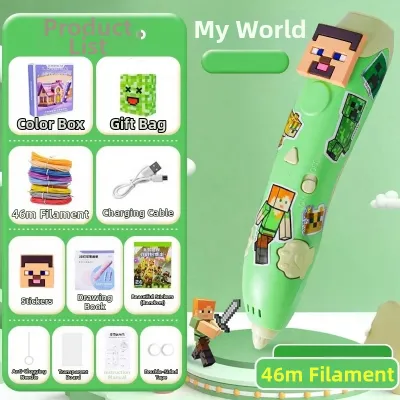
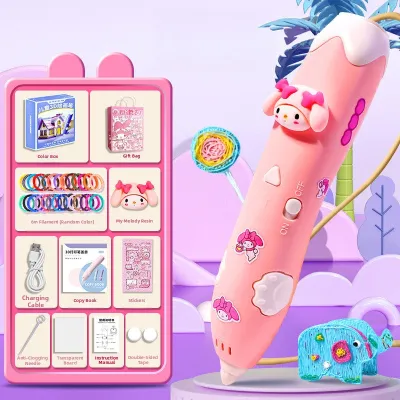
Basic maintenance and crafting tools are indispensable for keeping your pen operational. A complete set must include a nozzle cleaning needle or a specialized unclogging tool to clear the inevitable blockages that occur when molten plastic cools inside the tip. A metal or heat-resistant plastic removal spatula helps pry finished designs off the drawing surface without tearing them. Finally, a heat-resistant silicone or plastic stencil mat protects your desk from accidental burns and provides a smooth, non-stick surface where extruded plastic can cool and release cleanly.
Value-Adding Accessories vs. Filler Items
When comparing mid-range and premium bundles, you will encounter various “extra” items designed to justify a higher price tag. High-value additions genuinely expand your crafting capabilities or protect your investment. These include premium filament varieties, such as wood-infused, flexible (TPU), or color-changing plastics, which offer unique textures and physical properties. Specialized nozzle sizes (such as a fine 0.5mm nozzle for detailed work or a wider 0.9mm nozzle for fast filling) and a durable, hard-shell storage case that keeps the pen, power adapter, and delicate filaments safe from dust and tropical humidity are also highly valuable.

Conversely, low-value fillers are cheap, mass-produced items used by sellers to artificially inflate the “piece count” of a bundle. These fillers often consist of dozens of tiny, brittle filament loops that are too short to feed properly through the pen’s drive gear, generic paper drawing templates that tear or burn upon contact with hot plastic, and redundant, poorly made plastic tools that bend or melt during their first use. A bundle with 80 paper stencils and 5 grams of plastic is far less valuable than a kit with 5 high-quality silicone stencils and 200 grams of premium filament.
To cut through the marketing noise, you should calculate the effective cost per gram of the included filament. Take the total price of the bundle, subtract the estimated standalone cost of the 3D pen and basic accessories, and divide the remaining amount by the total weight of the filament in grams. If the resulting cost per gram is significantly higher than the price of buying bulk filament spools separately, the bundle is not a true bargain. This simple calculation prevents you from paying a premium for low-grade plastic packaged in flashy boxes.
How to Evaluate Pricing and Bundle Value
Evaluating bundle value requires matching the package tier to your specific skill level and commitment. Entry-level kits, which typically include a basic pen, a power cord, and a small sample of filament, are excellent for casual hobbyists or parents testing their child’s interest. These kits keep the initial investment low, allowing you to walk away without significant financial loss if the hobby does not stick. Comprehensive hobbyist sets, on the other hand, cost more upfront but include substantial filament supplies, multiple nozzle options, and advanced temperature displays, making them more economical for dedicated creators who plan to use the tool regularly.
You must also factor in the local replacement cost of consumables in the Philippines. While a massive bundle priced at ₱2,500 might seem like a great deal, you should check the local market price of individual filament refills. In many cases, high-quality PLA filament can be purchased in bulk spools for around ₱600 to ₱900 per kilogram. If a bundle charges an extra ₱1,000 for only 200 grams of extra filament, it is far more cost-effective to buy a basic pen kit and purchase your filament refills separately from local specialty 3D printing shops.
Be mindful of hidden long-term costs that can quickly turn a cheap bundle into an expensive paperweight. Some budget 3D pens use proprietary nozzle designs that cannot be easily replaced when they wear out or clog permanently. Others require non-standard power adapters or specialized filament diameters (such as 2.85mm instead of the industry-standard 1.75mm). Choosing a pen that uses standard 1.75mm filament and common USB-C or standard DC power inputs ensures you can easily source affordable replacements and upgrades locally without paying high shipping fees for imported parts.
Building Your Shortlist: What to Check Before Checkout
Before clicking the purchase button on any online marketplace, you must carefully verify the seller’s product description rather than relying on promotional images. Sellers often use stock photos showing mountains of colorful filament and elaborate 3D models that were actually printed on industrial 3D printers. Look for explicit text stating the exact weight of the filament in grams or meters, the specific material type (PLA, ABS, or PCL), and the precise model of the pen. If a listing uses vague terms like “large assortment of plastic” without specifying weights or materials, treat it as a red flag.
Warranty terms and customer support are critical when purchasing electronic crafting tools that operate at high temperatures. A reliable 3D pen should come with a clear warranty period—ideally at least three to six months—covering defects in the heating element, internal motor, and main circuit board. Check if the seller has a history of responsive customer service by reading user reviews, specifically looking for how they handle claims for defective units. A slightly more expensive kit from an authorized distributor with a local warranty is always safer than a cheap, unbranded import with zero post-purchase support.
Finally, confirm the return and refund policies of the ecommerce platform you are using. Because 3D pens contain delicate heating elements and precise gear motors, there is always a small risk of receiving a unit with a clogged nozzle, a faulty temperature sensor, or missing accessories right out of the box. Ensure the platform offers a straightforward return window (typically 7 to 14 days) that allows you to test the pen immediately upon arrival and secure a full refund or replacement if the hardware fails to heat up or feed filament correctly.
Frequently Asked Questions (FAQ)
Is it better to buy a 3D pen full set or purchase the pen and filament separately?
For absolute beginners, buying a well-curated 3D pen full set is almost always the better option. A complete kit ensures that all components—such as the power adapter, the pen, and the initial filament—are fully compatible and ready to use out of the box, saving you the hassle of researching technical specifications. However, if you already own basic crafting tools, heat-resistant mats, or if you are an experienced 3D printer hobbyist with a large stash of 1.75mm PLA filament, purchasing a standalone high-quality pen is a much more economical route that avoids paying for redundant accessories.
How much filament is actually needed to start using a 3D pen?
To get a satisfying start, you should look for a kit that includes at least 100 meters (approximately 300 grams) of filament. While this might sound like a lot, 3D pens consume plastic surprisingly fast, especially when you are learning to control the extrusion speed or building larger, multi-layered structures. A simple 2D stencil project can easily consume 5 to 10 meters of filament, while a small 3D house or figurine can use 20 to 30 meters. Having a generous initial supply ensures you can practice calibration, make mistakes, and complete your first few projects without the frustration of running out of plastic mid-build.
Community discussion
Share your experience or ask a question. Comments are reviewed before publication.