
Choosing the right material for 3mm beads depends on balancing durability, visual weight, budget, and the specific structural needs of your jewelry design. Whether you are crafting delicate heirloom necklaces, weaving intricate patterns, or assembling everyday casual bracelets, the physical properties of your chosen material—such as glass, acrylic, gemstone, or wood—will directly dictate how the finished piece drapes, resists wear, and holds up over time. By matching the bead’s unique characteristics to your project’s functional demands, you can ensure your handmade creations are both beautiful and structurally sound.
A Quick Overview of 3mm Bead Materials
In the world of jewelry making and crafts, 3mm beads occupy a highly versatile sweet spot. These tiny components, often referred to as size 8/0 seed beads in glass contexts or simply small accent beads, are the foundation for delicate jewelry, spacer beads, intricate bead weaving, and detailed embroidery. Because of their small surface area, the material you choose significantly impacts both the crafting process and the longevity of the finished accessory.
The core material categories available in the market include glass, acrylic or plastic, gemstone, and wood. Each of these options brings a distinct set of physical properties to your workbench. For instance, glass and gemstones offer a luxurious weight and premium finish but require careful handling, whereas acrylic and wood provide lightweight, budget-friendly alternatives that are ideal for specific casual or high-volume designs.
Products mentioned in this guide
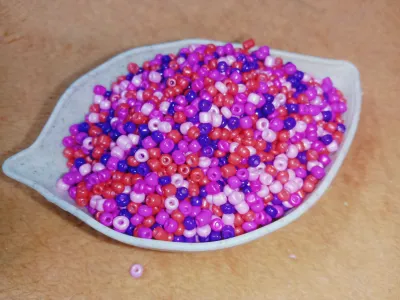
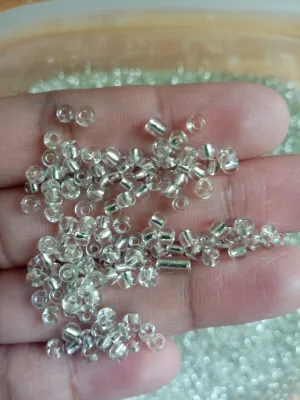
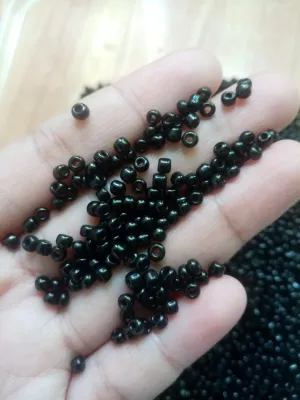
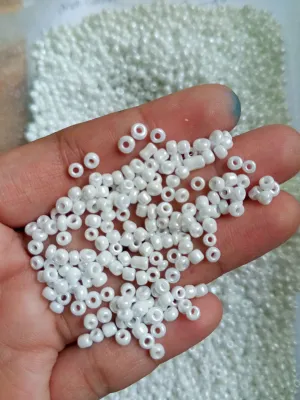
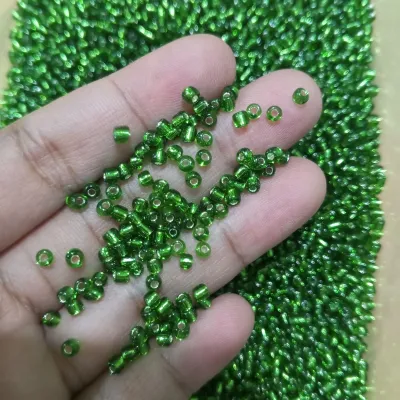
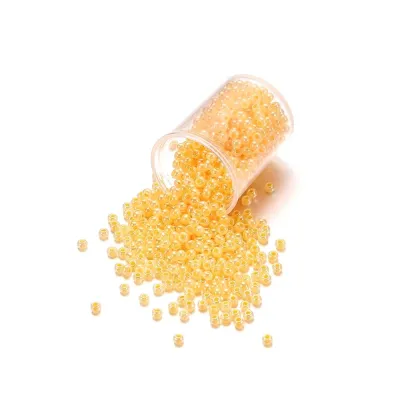
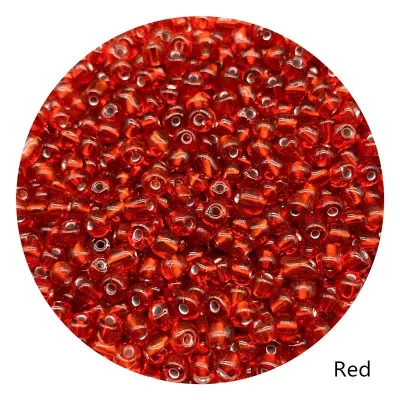
Prices are valid at publication and may change. Please refer to the product page for the latest price.
When deciding which material to buy, you must evaluate several key factors. First, consider the mechanical stress the piece will endure, such as friction against skin or clothing. Second, assess the weight limits of your stringing medium and findings. Finally, balance your budget against the desired lifespan of the item, especially when designing for commercial sale or personal keepsakes.
Material Breakdown: Glass, Acrylic, Gemstone, and Wood
Understanding the physical and aesthetic differences between bead materials is essential for any crafter looking to produce high-quality jewelry. Each material behaves differently under tension, reacts uniquely to environmental factors like humidity, and presents distinct visual qualities.

Glass and Crystal Beads
Glass and crystal 3mm beads are celebrated for their high light refraction, smooth finish, and substantial weight. They feel cool to the touch and add a premium feel to necklaces and bracelets, available in finishes like transparent, opaque, luster, matte, and metallic.
In terms of durability, glass is highly resistant to scratching, fading, and chemical wear from daily exposure to lotions or perfumes. However, because glass is inherently brittle, these beads are susceptible to chipping or shattering if dropped onto hard surfaces or subjected to sharp impacts. Precision-cut glass beads, such as Japanese cylinder beads, also offer exceptional uniformity in size and shape, which is critical for clean bead-weaving patterns.
These beads are best suited for elegant bracelets, drop necklaces, and intricate woven designs where a polished, high-end look is required. Their weight allows jewelry to drape naturally against the body, creating a fluid movement that lighter materials cannot replicate.
However, the weight of glass can be a limitation in specific designs. If you are planning to make large, multi-layered statement earrings, using hundreds of 3mm glass beads can make the finished piece heavy enough to pull uncomfortably on standard ear wires. For such applications, lighter alternatives are often preferred.
Acrylic and Plastic Beads
Acrylic and plastic 3mm beads offer unmatched versatility in color, opacity, and finish at a highly accessible price point. They can mimic more expensive materials, featuring metallic platings, faux-pearl coatings, and vibrant neon or pastel hues. Their standout physical characteristic is their extremely lightweight nature, which makes them highly comfortable to wear in large volumes.
While plastic beads are virtually shatter-resistant and can withstand drops onto hard surfaces without damage, they have distinct durability trade-offs. The surface of acrylic is relatively soft, making it prone to scratching over time. Additionally, painted, silver-lined, or vacuum-plated finishes on inexpensive plastic beads can wear off with prolonged exposure to friction, sweat, and skin oils.
These characteristics make acrylic beads excellent for children’s crafts, educational projects, high-volume bead weaving practice, and lightweight statement earrings. They are also highly favored for budget-friendly commercial jewelry lines where keeping material costs low is a priority.
The primary limitation of acrylic is its aesthetic appeal up close. Plastic beads often feature visible mold seams or slight irregularities around the holes, and they lack the cold, luxurious feel of natural materials. Over time, heavy daily wear can cause the finish to dull, making them less suitable for heirloom-quality jewelry.
Gemstone and Natural Stone Beads
Gemstone and natural stone 3mm beads bring an earthy, high-value elegance to jewelry designs. Each bead is entirely unique, showcasing natural inclusions, banding patterns, and subtle color variations that cannot be perfectly replicated by synthetic manufacturing. They possess a distinct, cool-to-the-touch feel and a substantial physical weight that immediately elevates the perceived value of any piece.
The durability of gemstone beads depends heavily on the specific mineral type. Harder stones like quartz, jasper, and agate are highly scratch-resistant and durable enough for daily wear. Conversely, softer or more porous stones like turquoise, lapis lazuli, or opal can be sensitive to moisture, cosmetics, and household chemicals, which can alter their color or degrade their structure over time.
Gemstone beads are the premier choice for high-value jewelry, healing crystal designs, and pieces where natural beauty is the focal point. They add an organic, sophisticated aesthetic to both minimalist and complex jewelry layouts.
The main challenges of working with 3mm gemstone beads are their cost and natural variability. Because they are drilled from natural stone, hole sizes can be tiny and inconsistent, requiring careful sorting and specialized stringing materials. Furthermore, buyers should always verify product labels carefully to distinguish genuine natural stones from dyed, heated, or reconstituted alternatives.
Wood and Organic Beads
Wood and organic 3mm beads offer a warm, matte, or lightly polished finish with a highly textured, rustic aesthetic. They are incredibly lightweight, making them comfortable for chunky or multi-strand designs that would otherwise be too heavy. They bring a distinct tactile warmth to jewelry that contrasts sharply with the cold feel of metal, glass, or stone.
The durability of wood beads is highly dependent on environmental conditions, particularly in tropical or highly humid climates. Because wood is a porous, organic material, unsealed beads can absorb moisture, sweat, and skin oils, which may cause them to swell, discolor, or degrade. In dry environments, unsealed wood can dry out and crack, sometimes requiring a light application of oil to maintain its integrity.
These beads are ideal for bohemian-style jewelry, meditation mala beads, casual unisex bracelets, and earthy, masculine designs. They pair beautifully with other natural materials like leather cord, linen thread, and unpolished gemstones.
To ensure longevity, wood beads should not be used in projects that will be frequently exposed to water, such as anklets or swimwear accessories. When purchasing wood beads, it is wise to check if they have been pre-sealed with a non-toxic varnish or wax to protect them from moisture and daily wear.
Matching the Material to Your Jewelry Project
To create successful jewelry, you must match the physical properties of your 3mm beads to the specific wear patterns and structural demands of the finished piece. Selecting the wrong material can lead to structural failure, discomfort, or premature wear.
For delicate and lightweight earrings, minimizing weight is the primary design goal. Using heavy glass or gemstone beads for long, dangling designs can cause physical discomfort and stretch the wearer’s earlobes. Instead, opt for acrylic, plastic, or small wood beads to keep the earrings feather-light while still achieving a full, voluminous look.
For bracelets and anklets, which are subjected to constant friction, impact, and contact with hard surfaces like desks and tables, durability is paramount. Soft plastics and delicate surface coatings will wear away quickly under these conditions. Glass, crystal, and hard gemstones (such as agate or jasper) are highly recommended here, as their superior scratch resistance ensures they retain their luster and color despite daily friction.
For children’s crafts, school projects, and beginner workshops, safety and budget are the deciding factors. Glass beads pose a shattering hazard if dropped or stepped on, and expensive gemstones are impractical for learning. Acrylic and plastic beads are the ideal solution, offering shatter-proof durability, bright and engaging colors, and highly affordable bulk pricing.
In complex, multi-bead designs, 3mm beads are frequently used as spacers to separate larger focal beads. Glass seed beads or metal-plated plastic beads work exceptionally well in this role. They provide clean visual separation and flexibility without adding excessive bulk or distracting from the main design elements.
When choosing materials, always weigh the trade-off between budget and longevity. If you are designing an heirloom piece or a high-end gift meant to last for years, investing in premium glass or genuine gemstones is well worth the cost. For trendy, seasonal accessories or practice pieces, acrylic and wood offer a low-risk, cost-effective way to experiment with new techniques.
Stringing and Compatibility Tips for 3mm Beads
Working with 3mm beads presents unique mechanical challenges due to their small size and varying manufacturing standards. To avoid frustration during assembly, you must verify the compatibility of your beads, stringing materials, and tools before starting.
The most critical factor to verify is the hole size of the beads, which can vary dramatically by material. For example, 3mm glass seed beads often have relatively large, uniform holes, whereas 3mm gemstone beads are frequently drilled with very fine diamond-tipped bits, resulting in tiny, sometimes irregular passages. Wood beads may have larger, rougher holes that can snag fine threads. Always check the manufacturer’s specified hole diameter and inspect a sample bead before purchasing your stringing material.
Your choice of thread or wire must match both the hole size and the weight of the beads:
- For Glass and Gemstones: Use fine, high-strength beading threads (such as nylon or pre-waxed silk) or thin, flexible miniature steel wire (typically 0.010 to 0.015 inches in diameter). These materials slide easily through small holes and provide the structural strength needed to support the weight of stone and glass.
- For Wood and Acrylic: These beads can accommodate slightly thicker cords, such as elastic stretch cord (0.5mm to 0.7mm) or fine waxed cotton. The thicker cord helps fill the larger holes, preventing the beads from shifting excessively or sitting crookedly on the strand.
Finishing and securing your jewelry also requires specialized techniques. Because 3mm beads have small openings, standard knots tied directly in the stringing material can easily slip through the bead holes, causing the piece to unravel. To prevent this, use dedicated finishing findings such as crimp beads with crimp covers, bead tips (clamshells), or French wire (gimp) to protect the thread at connection points. This ensures a secure, professional finish that will withstand daily wear and tear.
Frequently Asked Questions (FAQ)
Are 3mm beads too small for beginners to work with?
Working with 3mm beads can be challenging for absolute beginners because they require excellent lighting, steady hand-eye coordination, and fine motor skills. Handling these tiny components is much easier if you use specialized tools, such as a soft bead mat to prevent rolling, fine-tipped tweezers, and a dedicated bead scoop. If you are new to jewelry making, it is often helpful to practice your tension and patterns using slightly larger 4mm or 6mm beads first. Once you are comfortable with basic stringing and knotting techniques, transitioning to the delicate scale of 3mm beads will feel much more manageable and less frustrating.
How do I clean and maintain different 3mm bead materials?
Proper maintenance is key to preserving the beauty and structural integrity of your beaded jewelry, and the cleaning method must be tailored to the specific material:
- Glass and Acrylic: Wipe these beads gently with a soft, microfiber cloth slightly dampened with clean water. Avoid using harsh chemical cleaners, alcohol, or abrasive scrubs, as these can strip away metallic coatings, cloud the surface of acrylic, or dissolve delicate surface finishes.
- Gemstone: Clean gemstone beads with a dry or very lightly damp cloth. Never submerge them in water or place them in ultrasonic jewelry cleaners, as porous stones can absorb moisture and chemicals, leading to discoloration or structural cracking.
- Wood: Keep wood beads away from water entirely to prevent swelling and warping. Simply dust them with a dry, lint-free cloth. If the wood begins to look dry or dull over time, first check the manufacturer's care instructions, then apply a tiny drop of food-safe mineral oil to a cloth and buff the beads gently to restore their natural luster.
Community discussion
Share your experience or ask a question. Comments are reviewed before publication.