
When planning a crafting project, selecting the right bead size and material is crucial to achieving both your desired aesthetic and long-term durability. Among the various sizes available, 6mm beads stand out as a highly versatile choice. They are large enough to showcase intricate textures, rich colors, and facets, yet small enough to remain lightweight and comfortable for daily wear. Whether you are designing delicate jewelry, constructing vibrant home decor, or guiding children through a weekend craft, 6mm beads are available in five primary materials: glass, gemstone, wood, acrylic, and plastic. Choosing the ideal material requires balancing weight, longevity, visual finish, and environmental conditions.
Quick Selection Guide: Matching 6mm Bead Materials to Your Needs
The 6mm diameter is often considered the ideal size for jewelry makers and crafters alike. At this size, beads provide a noticeable visual presence without overwhelming the overall design. When selecting the material for your project, your choice will directly impact how the finished piece drapes, catches the light, and withstands daily wear.
To help you make an immediate decision, here is a quick-reference guide matching key project goals to their ideal 6mm bead materials:
Products mentioned in this guide
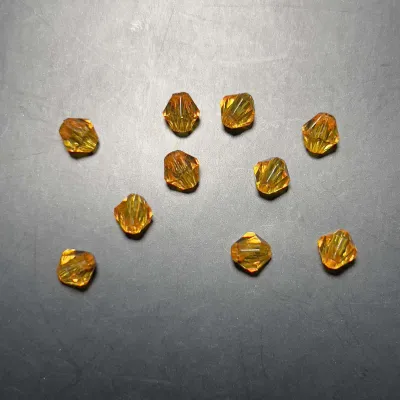
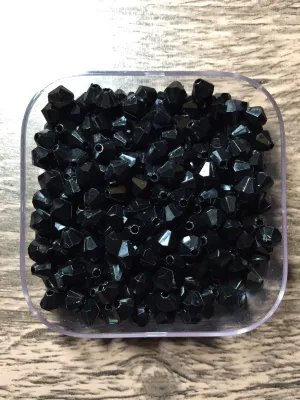
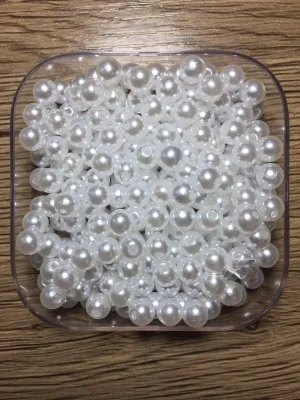
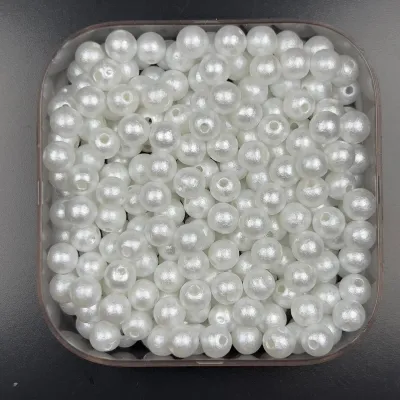
Prices are valid at publication and may change. Please refer to the product page for the latest price.
- Glass: Choose glass when you want beautiful light refraction, consistent sizing, a smooth finish, and an elegant, heavy drape for jewelry.
- Gemstone: Select natural gemstones for a premium, high-end feel, unique organic patterns, and the distinct, cool-to-the-touch weight of real minerals.
- Wood: Opt for wood when designing lightweight, earthy, or bohemian-style accessories, particularly when comfort and a warm texture are priorities.
- Acrylic: Choose acrylic for vibrant, shatter-resistant everyday accessories, keychains, and bag charms that require durability without excess weight.
- Plastic: Select standard plastic for high-volume, budget-friendly crafts, school activities, and projects designed for young children.
Ultimately, the best material for your project depends on balancing these physical characteristics against the environment where the finished piece will be used. For instance, high humidity or frequent skin contact can cause certain materials to degrade faster than others, making material selection a vital step in your creative process.
Material Breakdown: Characteristics, Pros, and Limitations
To select the best 6mm beads, it is essential to understand the unique characteristics, advantages, and limitations of each material. This knowledge ensures you can verify product descriptions on online marketplaces and set realistic expectations for your finished creations.

Glass 6mm Beads
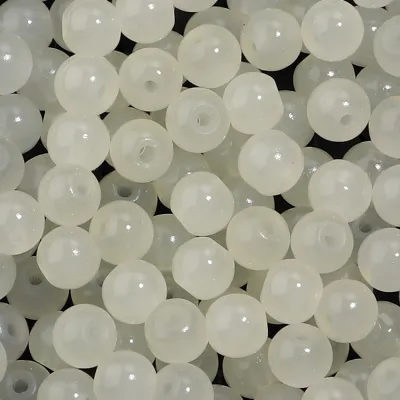
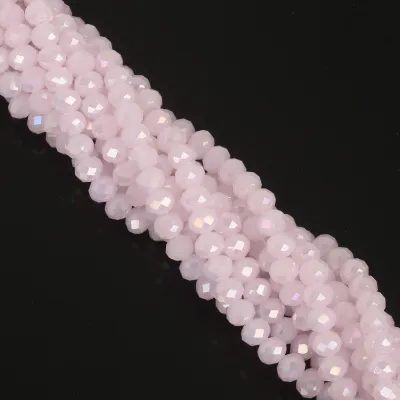
Glass beads are highly favored for their exceptional clarity, brilliant light refraction, and perfectly consistent sizing. They are available in a vast array of finishes, including transparent, frosted, metallic, and iridescent coatings. Because glass is manufactured under controlled conditions, these beads typically feature exceptionally smooth outer surfaces and highly uniform shapes, making them ideal for precise geometric patterns in bead weaving.
The weight of glass is another significant benefit. A strand of 6mm glass beads has a satisfying, substantial feel that allows necklaces and bracelets to drape elegantly against the body. This weight provides a high-quality feel that lighter synthetic materials simply cannot replicate.
However, glass has notable limitations. It is inherently fragile and can chip or shatter if dropped on hard surfaces like tile floors. Additionally, you must carefully inspect the bead holes before stringing. Some glass beads, particularly cheaper molded or cut varieties, can have sharp edges around the drill holes. These sharp edges can easily fray or cut elastic cords and nylon threads over time, so checking for smooth holes or using protective wire guards is highly recommended.
Gemstone 6mm Beads
Gemstone beads offer an unmatched natural beauty, characterized by unique inclusions, color variations, and a signature cool-to-the-touch sensation. From rich green aventurine to deep blue lapis lazuli and shimmering tiger’s eye, gemstone beads elevate any craft into a premium, one-of-a-kind piece. No two 6mm gemstone beads are identical, giving your projects an organic, handcrafted appeal.
When purchasing gemstone beads, it is crucial to read product labels and descriptions carefully. Many gemstones sold on the market undergo treatments to enhance their appearance or durability. For example, some stones are dyed to achieve more vibrant colors, while others are stabilized with resin to prevent crumbling. Untreated, dyed stones can bleed color when exposed to sweat, perfume, or water, which can ruin clothing or cause skin discoloration.
Porosity is another factor to consider. Highly porous stones, such as turquoise, malachite, or lava rock, can easily absorb body oils, lotion, and environmental moisture. Over time, this absorption can alter the stone’s color and luster. Understanding the specific mineral type helps you determine the correct care routine and avoid exposing sensitive stones to harsh environments.
Wood 6mm Beads
Wooden beads are celebrated for their organic warmth, matte textures, and exceptionally lightweight nature. They are the perfect choice for bohemian-style jewelry, statement necklaces, and natural home accents. Because they weigh so little, you can string dozens of 6mm wooden beads together without creating a heavy or uncomfortable piece.
These beads are generally available in three finishes: unfinished, painted, and varnished or sealed. Unfinished wood beads offer a raw, rustic look and can even be infused with essential oils. Painted wood beads provide bright, matte colors, while varnished wood beads feature a protective, shiny coating that highlights the natural grain.
In humid or tropical climates, such as in the Philippines, wood beads require careful consideration. Unfinished or poorly sealed wood can easily absorb ambient moisture from the air. This absorption can cause the wood to swell, warp, crack, or even develop mold over time. To ensure the longevity of your projects, it is highly recommended to choose sealed or varnished wood beads for wearable items, or apply a protective wax or sealant yourself.
Acrylic 6mm Beads
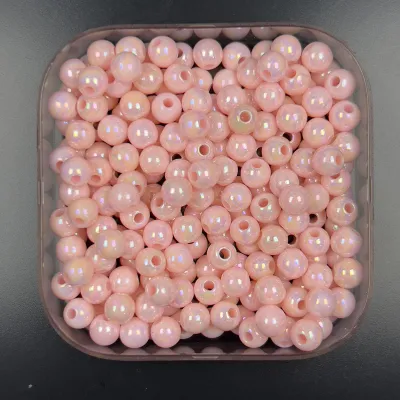
Acrylic beads serve as a highly durable, versatile, and cost-effective alternative to both glass and standard plastic. Made from a high-grade polymer, acrylic can be molded into almost any shape and finish, easily mimicking the appearance of expensive glass, polished gemstones, or even metallic surfaces. They are lightweight, shatter-resistant, and highly comfortable to wear.
One of the primary advantages of high-quality acrylic is its resistance to environmental degradation. Unlike cheaper plastics, quality acrylic beads are formulated to resist yellowing and fading when exposed to sunlight. This makes them excellent for accessories that see frequent outdoor use.
Despite their durability, acrylic beads are prone to surface scratching over time if they rub against keys, coins, or other metal objects. They also have a relatively low tolerance for high heat. If you leave an acrylic bead project inside a car parked under direct sunlight, the intense heat can cause the beads to soften, warp, or lose their shape entirely.
Plastic 6mm Beads
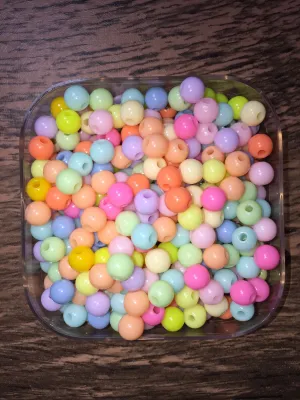
Standard plastic beads are the ultimate choice for high-volume crafting, budget-conscious projects, and educational activities. Typically sold in large bulk assortments, these beads are incredibly inexpensive, making it easy to purchase hundreds of pieces for under ₱100. They are exceptionally light and come in an endless variety of bright neon shades, pastel colors, and playful shapes.
However, the low price point comes with clear trade-offs. Plastic beads generally have lower durability and are highly susceptible to cracking under mechanical stress. They also tend to fade or yellow quickly when exposed to UV light. Visually, plastic beads often feature prominent seam lines or rough flashing left over from the injection-molding process, which can detract from the polished look of a finished piece.
Safety is the most critical consideration when selecting plastic beads, especially for children’s activities. It is vital to verify that the beads carry non-toxic, lead-free, and BPA-free certifications from the manufacturer. Avoid buying unbranded, ultra-cheap plastic beads that lack clear safety labels, as they may contain harmful chemicals or heavy metals.
Project-Specific Recommendations: From Jewelry to Kids' Crafts
Choosing the right material is not just about aesthetics; it is about how the finished item will be used and who will be handling it. Matching the bead material to the specific project ensures the item remains beautiful and functional for a long time.
Jewelry and Daily Wearables
For daily wearables like bracelets, necklaces, and anklets, you need materials that can withstand constant skin contact, friction, sweat, and body oils. Glass, high-quality acrylic, and well-sealed gemstones are the top recommendations for these projects. They maintain their color, do not absorb sweat, and provide a beautiful drape that moves naturally with the body.
Conversely, you should avoid using untreated wood or highly porous, dyed gemstones for daily-wear jewelry. The moisture from sweat and natural body oils can cause dyed stones to bleed color onto your skin or clothing, while untreated wood will quickly absorb sweat, darken, and potentially harbor bacteria.
Weight is also an important factor, particularly for earrings. While 6mm is a modest size, a long, dangling earring made entirely of solid glass or gemstone beads can pull uncomfortably on delicate earlobes. For earrings, consider using lightweight acrylic or wood beads, or use glass and gemstones sparingly as accent pieces rather than the main structure.
Home Decor, Suncatchers, and Keychains
When crafting items for home decor or daily utility, environmental exposure and impact resistance dictate your material choices. For suncatchers, wind chimes, and window accents, glass beads are the absolute best choice. Glass handles constant UV exposure without yellowing, and it beautifully refracts sunlight to cast colorful patterns across a room. Furthermore, glass beads produce a pleasant, high-pitched clinking sound when moved by a breeze.
For high-impact items like keychains, zipper pulls, and bag charms, you should avoid fragile glass. Keychains are frequently dropped, tossed onto hard tables, and crammed into bags alongside heavy keys. For these projects, acrylic or plastic beads are highly recommended. Their shatter-resistant nature ensures they can survive daily drops and impacts without breaking, while their light weight prevents them from adding unnecessary bulk to your keys or bags.
Kids' Crafts and Educational Projects
Crafting with children requires prioritizing safety, ease of use, and cost-effectiveness. For younger crafters who are still developing their fine motor skills, large-hole plastic or acrylic beads are the ideal choice. These beads are lightweight, easy to grasp, and will not shatter into dangerous shards if dropped on the floor.
When purchasing beads for children, always verify that the products meet strict safety standards. Look for clear manufacturer labels indicating that the beads are non-toxic, lead-free, and BPA-free. This is especially important for wearable crafts like friendship bracelets, which children often put near their mouths.
It is also vital to remember that 6mm beads represent a severe choking hazard for children under the age of three. Always ensure that young children are under strict adult supervision during crafting sessions, and store all beads safely out of reach when the project is finished.
Stringing, Assembly, and Care Tips for 6mm Beads
To ensure your finished bead projects last, you must pair your 6mm beads with the correct assembly techniques and care routines.
- Stringing Material Matching: The weight and hole characteristics of your beads should dictate your choice of stringing material.
- Flexible Beading Wire: This is the best choice for heavy 6mm glass or gemstone beads. It consists of multiple strands of stainless steel wire coated in nylon, offering high tensile strength that resists stretching and prevents sharp bead holes from cutting the thread.
- Elastic Cord: Ideal for lightweight wood, acrylic, or plastic stretch bracelets. Choose a high-quality polyurethane cord (typically 0.5mm to 0.7mm in thickness for 6mm beads) and stretch it gently before stringing to prevent the finished bracelet from sagging over time.
- Nylon or Silk Thread: Perfect for traditional hand-knotted pearl or gemstone necklaces. These threads allow the beads to sit closely together and drape softly, though they require knotting between each bead to secure them.
- Hole Size Verification: While the outer diameter of these beads is consistently 6mm, their internal hole sizes vary dramatically depending on the material. Natural gemstones often have very small, hand-drilled holes ranging from 0.5mm to 0.8mm, requiring thin wire or specialized beading needles. On the other hand, wood, acrylic, and plastic beads typically feature much larger, machine-drilled holes ranging from 1.0mm to 2.0mm. Always verify the hole size specifications provided by the seller before purchasing your stringing materials and findings to ensure compatibility.
- Cleaning and Maintenance: Proper cleaning preserves the luster and structural integrity of your beads.
- Glass and Acrylic: Wipe these beads gently with a soft, damp microfiber cloth. Avoid using harsh chemical solvents, alcohol, or acetone, as these substances can instantly strip away shiny coatings or permanently cloud the surface of acrylic beads.
- Gemstones: Clean gemstone beads with a soft, dry cloth. Avoid using ultrasonic cleaners or steam, particularly for fractured, dyed, or porous stones, as the intense vibrations and heat can cause the stones to crack or lose their color.
- Wood: Keep wooden beads completely dry. Dust them regularly with a soft-bristled brush. Never submerge wooden beads in water, and avoid wearing them while swimming or showering. In humid climates, store wooden bead projects in a well-ventilated, dry area to prevent moisture buildup and mold growth.
Frequently Asked Questions (FAQ)
Are 6mm beads suitable for beginners?
Yes, 6mm beads are highly recommended for beginners. They are large enough to handle easily with your fingers without needing specialized tools like bead tweezers, making them very forgiving for those learning basic stringing, knotting, or weaving techniques. At the same time, they are small enough to create refined, professional-looking jewelry. Beginners should start with acrylic or wood beads, as they generally feature larger, highly consistent hole sizes that are easy to thread.
How do I prevent my 6mm wooden beads from fading or molding?
To protect wooden beads from fading and mold, you must shield them from excessive moisture and direct sunlight. Before stringing unfinished wood beads, apply a thin coat of clear beeswax, mineral oil, or a non-toxic craft sealant to seal the pores. This creates a barrier against humidity. Additionally, always store your finished wooden bead projects in a dry, well-ventilated drawer or jewelry box rather than airtight plastic bags, which can trap moisture and encourage mold growth.
What is the difference between acrylic and plastic 6mm beads?
Although acrylic is technically a type of plastic, it is a high-grade polymer that offers significantly better optical clarity, scratch resistance, and colorfastness than standard craft plastics. Acrylic beads can mimic the look of glass and gemstones very closely and resist yellowing under UV light. Standard plastic beads (often made of polystyrene) are cheaper and lighter but tend to look less refined, frequently showing visible mold seams and degrading or cracking much faster when exposed to sunlight.
Community discussion
Share your experience or ask a question. Comments are reviewed before publication.