
Collecting Cortis lomo cards featuring SB19 and BINI has evolved from a simple hobby into a highly engaging pursuit for A’TIN and Blooms across the Philippines. Holding a physical piece of memorabilia creates a tangible connection to your favorite artists, making each card a cherished keepsake. To build a collection that holds both sentimental and long-term value, you must look beyond arbitrary price tags and focus on specific release types, physical condition, and fandom-driven desirability. The most valuable cards to collect are those that capture milestone moments in P-Pop history, feature unique physical finishes, and are preserved in pristine condition. By understanding what makes a card truly special, you can make informed decisions when trading, buying, or organizing your collection.
Identifying Cortis Lomo Card Editions and Releases
To navigate the collecting landscape effectively, you must first understand the different categories of Cortis lomo cards available. These collectibles generally fall into three primary categories: standard album inclusions, official merchandise store exclusives, and limited-edition concert or fan-meet event specials. Each category carries a different level of baseline availability, which directly influences how difficult a card is to find in the secondary market.
Standard album inclusions are the most common type of lomo cards. These are packaged directly with physical album releases and are mass-produced to meet the demand of the initial album run. Because thousands of these cards enter circulation simultaneously, they serve as the foundation of most collections and are generally the easiest to acquire through trading or direct purchase. They are excellent starting points for new collectors looking to complete their first full sets.
Products mentioned in this guide
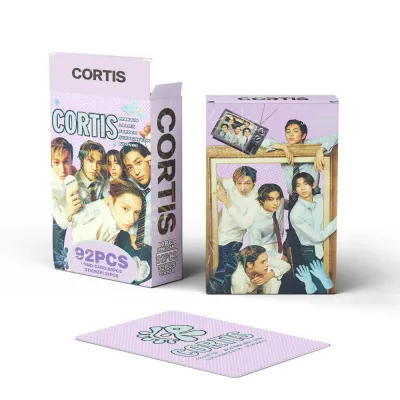
![[COD] SHPYHT TOY 55Pcs Set Laser Card Kpop Idol CORTIS New Album Series Lomo Cards Postcards Printd Photocards Fans Gift Collection](https://img.lazcdn.com/g/p/8ba43a8bffc7a014849f545e13c12611.jpg_400x400q80.jpg_.webp)
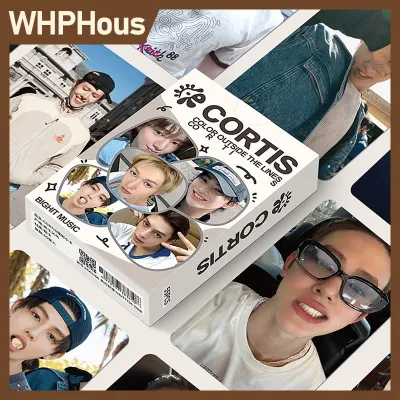
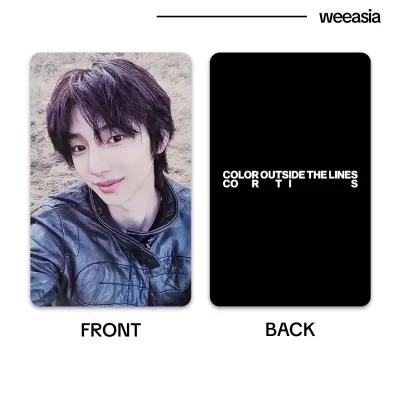
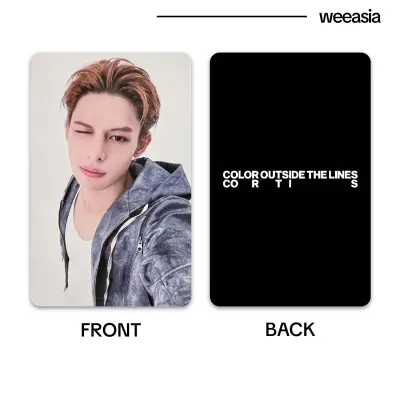
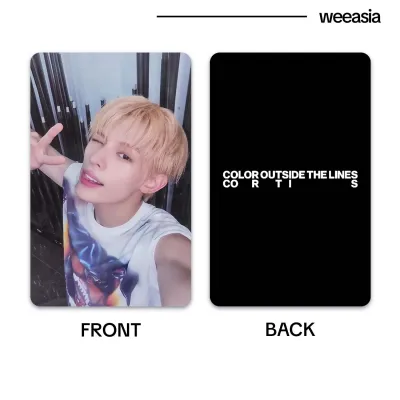
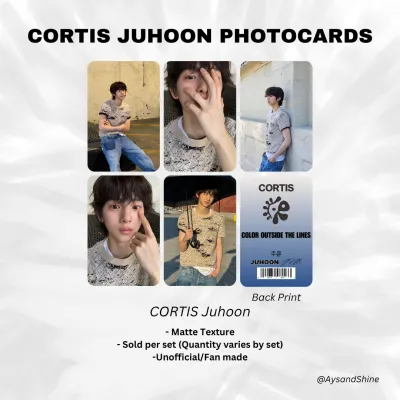
Prices are valid at publication and may change. Please refer to the product page for the latest price.
Official merchandise store exclusives are released alongside specific promotional campaigns, season’s greetings packages, or brand collaborations. These cards are typically sold for a limited time or as part of a high-value merchandise bundle, making them less common than standard album cards. Their distribution is tied directly to the production run of the merchandise, meaning once the store closes the pre-order window, no new cards enter the market, causing their desirability to rise over time.
Concert and fan-meet event specials represent the highest tier of baseline scarcity. These cards are often distributed exclusively to attendees of specific live performances, VIP ticket holders, or participants in official fan-meet activities. Because these events have strict capacity limits, the initial circulation of event-exclusive cards is exceptionally low, making them highly prized items that collectors rarely part with. Acquiring these often requires active participation in local trading networks.
To ensure you are collecting genuine releases, always verify official release announcements through authorized P-Pop channels and official artist social media accounts. Legitimate agencies and distributors publish detailed merchandise previews, including card designs and distribution details, before any official release. Comparing your cards against these official visual guides is the first step in confirming their legitimate origin and avoiding unofficial fan-made replicas that are often sold as official merchandise on online marketplaces.
Key Attributes That Drive Collectibility for P-Pop Fans
Within the SB19 and BINI fandoms, certain visual and contextual attributes significantly elevate a card’s desirability. One of the primary drivers of demand is member popularity and individual “bias” preferences. While every member of SB19 and BINI has a dedicated following, certain members or specific sub-unit combinations may experience higher demand within local trading circles, causing their cards to be highly sought after during trading events and community meetups.

The visual concept and era captured on the card also play a massive role in its sentimental and collectible value. Cards that feature iconic styling from major comeback eras, debut concepts, or historic milestone performances hold a special place in fans’ hearts. For instance, cards showcasing the distinct visual aesthetics of SB19’s groundbreaking releases or BINI’s vibrant, summer-themed concepts often remain highly coveted long after the promotional period has ended, as they represent key chapters in the groups’ journeys.
Physical variations and special printing techniques further distinguish premium cards from standard releases. Cards featuring holographic finishes, metallic foil stamping, unique die-cut shapes, or printed signatures are highly attractive to collectors who appreciate tactile and visual variety. These special finishes catch the light beautifully when stored in a display binder, making them standout pieces in any collection. The contrast between a standard matte card and a glittering holographic card adds a dynamic layer to your display pages.
To stay informed about which cards are currently driving the most interest, it is highly beneficial to monitor community consensus and trading trends on fan forums and local social media groups. Collector communities frequently share “wishlists” and trading templates that highlight which specific sets or concepts are currently prioritized by the majority of fans. Keeping an eye on these discussions helps you understand the relative demand for different cards before negotiating a trade or making a purchase, ensuring you maintain a balanced and fair trading practice.
Inspecting Card Condition and Verifying Authenticity
As the popularity of P-Pop memorabilia grows, so does the importance of verifying card authenticity and inspecting physical condition. A thorough visual inspection is essential when evaluating any new addition to your collection. Start by checking the print quality of the card, looking closely at the color accuracy, text sharpness, and overall image resolution. Genuine Cortis lomo cards feature high-definition printing with vibrant, balanced colors, whereas counterfeit copies often exhibit blurry details, unnatural color shifts, or misaligned borders.
Next, perform a detailed physical check for wear and tear, which can drastically affect a card’s aesthetic and collectible value. Examine the four corners of the card to ensure they are sharp and free from blunting or bending. Run your eyes along the edges to check for fraying or peeling layers, and hold the card under a direct light source to inspect the glossy or holographic surface for micro-scratches, fingerprints, or indentations. Even minor surface imperfections can lower the card’s grade among serious collectors.
Verifying authenticity also requires examining the physical properties of the card stock itself. Genuine cards are printed on high-quality, rigid paper stock that offers a consistent thickness and a professional finish texture. Pay close attention to the back of the card, verifying that the official branding, copyright text, and logos are crisp, correctly spelled, and positioned exactly as shown on verified genuine references. You can also use your smartphone camera zoom to inspect the halftone printing pattern; genuine cards show a clean, professional dot pattern, while cheap home prints often show solid, bleeding ink lines.
When purchasing cards from other collectors on online marketplaces, always practice safe buying habits to protect your hard-earned money. Request high-resolution, unedited photos or videos of the card taken under clear lighting, preferably with a handwritten note showing the seller’s name and the current date. Additionally, compare the asking price in ₱ against typical market ranges established in local collector groups; deals that seem too low often indicate counterfeit items or potential scams, so verifying the seller’s feedback history is always recommended.
Protecting and Organizing Your SB19 and BINI Collection
Preserving the pristine condition of your Cortis lomo cards is crucial for maintaining their long-term value and visual appeal. Investing in high-quality, archival-grade stationery supplies is the most effective way to shield your collection from physical damage. Always place your cards in acid-free, PVC-free inner sleeves before sliding them into rigid toploaders or binder pages. Standard PVC sleeves can degrade over time, releasing harmful chemicals that can cause the card’s ink to stick, fade, or discolor, ruining your favorite items.
Environmental control is another critical factor, especially given the tropical climate of the Philippines. High humidity levels can cause paper cards to absorb moisture, leading to warping, bending, or mold growth, while excessive heat can damage glossy finishes. To prevent this, store your collection in a cool, dry place away from direct sunlight, which can cause severe UV fading over time. Placing silica gel packets inside your storage boxes or binder cases is an excellent, low-cost way to absorb excess moisture and keep your cards flat and dry.
Organizing your collection logically not only makes it easier to browse but also helps you keep track of your inventory. Many collectors prefer to sort their cards by group, separating their SB19 and BINI collections, and then organizing them chronologically by comeback era or album release. Alternatively, you can dedicate specific sections of your binder to your favorite members, creating visually cohesive pages that highlight their journey from debut to their latest milestones. Choosing between a flexible ring binder and a fixed-page album depends on how often you plan to expand and rearrange your collection.
Frequently Asked Questions (FAQ)
What is the standard size for Cortis lomo cards?
Cortis lomo cards typically follow standard industry dimensions for mini-photo cards, which generally measure around 54 mm by 86 mm, similar to standard credit cards or polaroid-style prints. However, because slight variations can occur between different promotional batches or manufacturing runs, it is always best to measure your specific cards using a precise ruler before purchasing bulk stationery supplies. This ensures a perfect fit for your inner sleeves and binder pockets, preventing the cards from shifting or bending.
How can I safely clean a smudge off a holographic lomo card?
To safely remove fingerprints or light smudges from a holographic or glossy lomo card, use a clean, dry, and ultra-soft microfiber cloth. Gently wipe the surface of the card in a single direction using very light pressure to avoid creating micro-scratches on the delicate finish. Never use liquid cleaners, water, alcohol, or abrasive tissues, as these substances can strip away the protective coating, dissolve the inks, or permanently damage the holographic foil.
Should I keep the original packaging for my lomo cards?
While the lomo card itself is the primary focus of your collection, retaining the original packaging can be highly beneficial. Keeping the official branded envelopes, sealed plastic wrappers, or promotional boxes helps establish a clear chain of authenticity, which is incredibly valuable if you ever decide to trade or resell your cards in the future. Many serious collectors prefer purchasing items that include their original packaging, as it provides peace of mind regarding the card’s legitimate origin.

Community discussion
Share your experience or ask a question. Comments are reviewed before publication.