
Dads shopping for a starfish costume for their baby should prioritize breathable, skin-safe fabrics, easy-access diaper closures, and a non-restrictive fit that accommodates natural movement. In a tropical climate like the Philippines, balancing the cute, bulky shape of a starfish with heat management is crucial. Whether you are spending ₱500 or ₱1,500 on a holiday outfit, selecting the right design requires looking past the initial cuteness to evaluate how the garment will actually perform on your child. A well-designed costume keeps your baby happy and comfortable, preventing the mid-event meltdowns often triggered by itchy seams, overheating, or restrictive designs.
Fabric Selection and Skin Safety
The tropical heat and high humidity of the Philippines make fabric selection the absolute first priority when choosing a starfish costume for your baby. Because an infant’s skin is incredibly thin and sensitive, wrapping them in heavy, synthetic materials can quickly lead to heat rash, chafing, and general distress. When evaluating options, always look for natural, breathable fibers like cotton or bamboo blends for the inner lining. This is the layer that directly touches your baby’s skin, and it must be capable of absorbing moisture and allowing air to circulate freely.
For the outer decorative shell, which gives the starfish its plush, sea-creature appearance, synthetic fabrics like polyester plush, fleece, or felt are commonly used. While these materials are excellent for holding the costume’s shape and vibrant colors, they can easily trap heat. To verify that the outer fabric is safe and comfortable, perform a simple touch test. Rub the material against the sensitive skin of your inner wrist or forearm. If it feels even slightly scratchy, stiff, or abrasive, it will likely irritate your baby’s neck, face, and hands.
Products mentioned in this guide
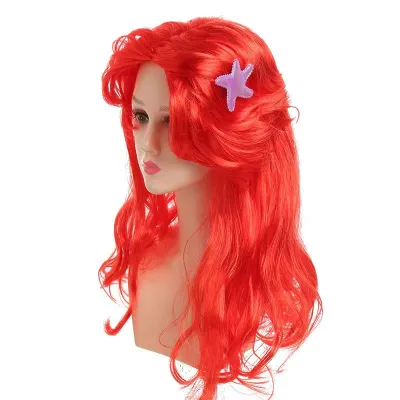
Prices are valid at publication and may change. Please refer to the product page for the latest price.
Additionally, check that the costume is free from harsh chemical dyes or stiffening agents. New garments often carry residual chemicals from the manufacturing process, which can trigger allergic contact dermatitis. A quick sniff test can help you identify strong chemical odors, which indicate the need for a thorough wash before use. If you are shopping for a gift or preparing a holiday surprise, look for costumes that specify hypoallergenic materials on their packaging or product tags.
Sizing, Fit, and Mobility
Selecting the correct size for a baby starfish costume is more complex than buying standard daily wear. Because starfish designs naturally feature wide, protruding points or “arms,” the costume can easily become bulky and restrictive if the fit is off. Instead of relying solely on generalized age labels like “6–12 months,” which vary significantly between manufacturers, always consult the specific size chart. Use a soft measuring tape to record your baby’s current weight and height, and compare these figures directly to the manufacturer’s guidelines.

Mobility is another critical factor, especially if your baby is reaching developmental milestones like crawling, rolling, or pulling up to stand. The starfish points should be positioned in a way that allows your baby’s arms and legs to move naturally. If the lower points of the starfish are too long or stiff, they can easily get caught under a crawling baby’s knees, leading to frustration and tripping hazards. Ensure that the leg openings are elasticized but not tight, allowing for a full range of motion without cutting off circulation.
You must also factor in the environment where the costume will be worn. If you are attending an event in a heavily air-conditioned mall or an indoor play space, you will likely need to dress your baby in a light base layer, such as a cotton onesie, underneath the costume. Conversely, if the gathering is outdoors or in a venue with natural ventilation, the costume itself must serve as the primary layer. Choosing a slightly looser fit allows you the flexibility to add or remove base layers as the temperature changes, ensuring your baby remains comfortable throughout the day.
Closures, Diaper Access, and Practicality
Ask any experienced dad, and he will tell you that easy diaper access is the make-or-break feature of any baby outfit. When your baby is dressed as a starfish, a simple diaper change can quickly turn into a logistical challenge if the costume’s design is impractical. Prioritize costumes that feature two-way zippers or high-quality snap buttons along the inner leg seams. This design allows you to open the lower half of the costume, perform a quick diaper change, and secure it back up without having to completely undress your baby.
Avoid costumes that rely on complicated back-ties, tiny decorative buttons, or hard-to-reach fasteners. In a busy public restroom or a crowded family gathering, struggling with intricate closures while trying to keep a squirming baby calm is a recipe for stress. Velcro closures can be convenient, but they must be positioned carefully. Low-quality velcro can have sharp, scratchy edges that easily catch on the baby’s skin or snag the fabric of their base layers.
The neckline of the costume is another area that requires close inspection. Look for wide neck openings or designs that feature expandable envelope folds. This allows the costume to slip easily over your baby’s head without pinching their ears or nose. If your baby dislikes having clothes pulled over their head, look for front-zipper designs that allow them to step into the costume instead, making the dressing process smooth and tear-free.
Design Hazards and Comfort Checks
Before finalizing your purchase, it is essential to conduct a thorough safety and comfort inspection of the starfish costume. Novelty costumes often feature decorative elements that, while adorable, can pose hidden hazards to infants. Inspect the exterior of the costume for small, detachable decorations such as glued-on plastic googly eyes, sequins, loose beads, or glitter. Babies naturally explore their world by putting objects in their mouths, and these small items can easily become loose and present a serious choking hazard.
Next, evaluate the headpiece or hood. Many starfish costumes come with attached hoods that feature cute facial details or the top point of the star. Ensure that the hood does not slide down over your baby’s eyes or obstruct their breathing in any way. The hood should fit loosely around the face and be lightweight. If the hood is heavily padded or stiff, it can put unnecessary strain on your baby’s neck. For enhanced safety and comfort, look for designs where the headpiece is completely detachable or opt for a simple, soft headband instead of a full hood.
Finally, turn the costume inside out to check the internal construction. Run your fingers along all the seams to feel for rough stitching, exposed plastic threads, or stiff tags that could scratch your baby’s skin. Some structured starfish costumes use thin plastic wires or rigid foam padding to keep the star points standing out straight. These rigid elements can dig into your baby’s back or chest, especially when they are lying down in a stroller or being held. Choose costumes with soft, fiber-filled points that maintain their shape through gentle padding rather than rigid structural inserts.
Style Shortlist: Matching the Design to Your Occasion
To find the ideal starfish costume, you should match the specific design style to how, where, and how long your baby will be wearing it. Different styles offer distinct advantages depending on your planned activities.
Romper or Bodysuit Style
The romper or bodysuit style is a highly versatile and practical option for active babies and extended wear. This design fits closely to the body, much like a standard onesie, with the starfish points extending outward from the sides. Because it hugs the torso securely, it does not bunch up or shift out of place when your baby crawls, rolls, or plays. It offers excellent mobility, making it the ideal choice for a long family gathering or a community event where your baby will be active for several hours.
Sleepsack or Wearable Blanket Style
For younger infants who are not yet crawling, or for events that align with naptime, the sleepsack or wearable blanket style is highly recommended. This design features a cozy, enclosed bottom that keeps your baby’s legs warm and secure, mimicking the comfort of a swaddle. It is perfect for stroller rides, car seat transfers (when used safely), or quiet naps during a party. Because there are no individual leg holes, it eliminates the risk of fabric bunching up around the thighs, keeping your baby comfortable and relaxed.
Cape or Poncho Style
If your primary goal is to capture a few adorable holiday photos or make a brief appearance at a family gathering, the cape or poncho style is an excellent choice. This style simply slips over your baby’s head and drapes over their shoulders, instantly transforming them into a starfish with minimal effort. It is incredibly easy to put on and take off over their regular clothes, making it highly convenient for quick transitions. However, because the fabric hangs loosely, it requires active supervision to ensure the cape does not slide up over your baby’s face or get tangled during movement.
Frequently Asked Questions (FAQ)
How do I wash a baby starfish costume without ruining the shape?
To keep your baby’s starfish costume looking fresh and adorable, always check the manufacturer’s care label for specific washing instructions and temperature limits before the first wash. Because these costumes often combine different materials—such as soft cotton linings with synthetic plush outer shells—they require gentle handling. To protect the costume’s shape and prevent the padded starfish points from clumping, place the garment inside a mesh laundry bag before washing. Use a mild, baby-safe detergent, select a gentle cycle with cold water, and avoid using bleach or fabric softeners which can degrade synthetic fibers.
After washing, avoid the temptation to throw the costume into a hot dryer, as high heat can melt synthetic decorative elements, shrink the cotton lining, or warp any internal padding. Instead, gently press out excess water without wringing the fabric, and lay the costume flat on a clean towel to air dry. This prevents the weight of the wet fabric from stretching the costume out of shape. If you notice any vibrant dyes, such as bright orange or red, perform a quick spot test with a damp white cloth before washing to check for color bleeding, ensuring the colors do not run and ruin the design.
Can a baby safely wear a starfish costume in a car seat?
Prioritizing safety is essential when traveling, and bulky costumes present a significant hazard when paired with car seat harnesses. You should never allow your baby to wear a thick, padded, or puffy starfish costume while buckled into a car seat. In a sudden stop or collision, the thick padding of the costume will compress instantly under the force of the impact. This compression leaves a dangerous amount of slack in the harness straps, which can allow your baby to slip out of the seat or sustain serious injuries.
To travel safely, dress your baby in thin, close-fitting clothing for the car ride, and remove any bulky hoods, capes, or padded backpieces before buckling them in. Once the harness is securely adjusted and snug against your baby’s chest, you can drape a warm blanket or the costume itself over the secured harness straps to keep them comfortable during the drive. When you arrive at your destination, you can easily slip the bulky starfish costume back on, ensuring your baby stays both safe on the road and adorable at the event.
Community discussion
Share your experience or ask a question. Comments are reviewed before publication.