
Sewing with cotton in the Philippines is highly rewarding, largely because this natural fiber is uniquely suited to the country’s warm, tropical climate. Whether you are navigating the bustling aisles of traditional textile hubs like Divisoria and Kamuning or browsing local online fabric shops, you will encounter an overwhelming variety of cotton fabrics. Choosing the right type requires understanding how different weaves, knits, and weights behave under your sewing machine needle and how they hold up to daily wear and humidity.
To make an informed decision, you must match the fabric’s structural properties to your specific project. Woven cottons like poplin, muslin, and canvas offer stability and structure, while knitted cottons like jersey provide comfort and stretch. Additionally, exploring local handwoven cottons allows you to incorporate rich cultural heritage into your creations. By learning how to inspect fabric quality, calculate shrinkage, and select the correct sewing tools, you can ensure your handmade garments and home items are both beautiful and durable.
Understanding Common Cotton Weaves and Knits
The way cotton fibers are constructed determines how the fabric drapes, stretches, and feels against the skin. Woven cottons are created on a loom where warp and weft threads cross over and under each other. This structure makes woven fabrics highly stable and relatively easy to cut and sew, as they do not stretch significantly. Common examples include poplin, which features a tight, plain weave that yields a smooth, crisp finish, and muslin, a looser plain-weave fabric often used for test garments or lightweight linings. For projects requiring extreme durability, canvas utilizes a heavy, tightly woven basket weave that resists tearing.
Products mentioned in this guide
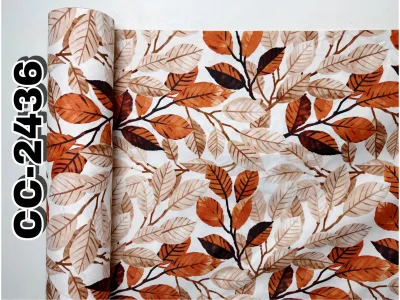
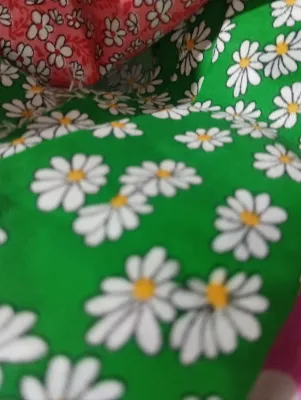
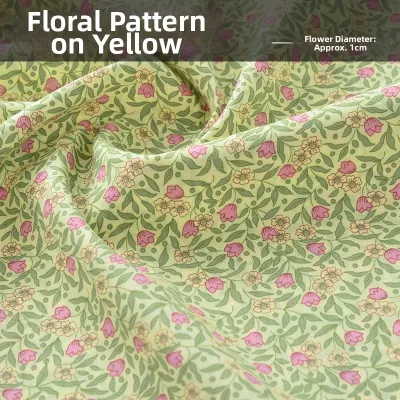
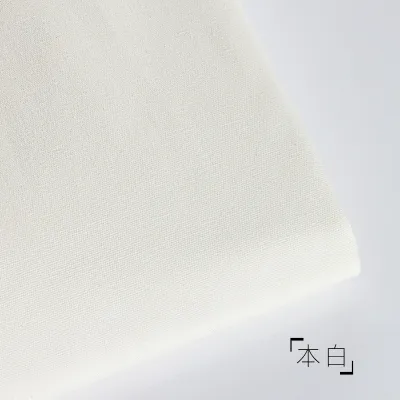
Prices are valid at publication and may change. Please refer to the product page for the latest price.
In contrast, knitted cottons are constructed from a single continuous thread looped together, creating a flexible structure. Cotton jersey is a lightweight single-knit fabric that offers excellent stretch and drape, making it a staple for comfortable everyday apparel. However, jersey edges tend to curl when cut, which can make handling slightly challenging for beginners. Interlock cotton is a double-knit fabric that is thicker, more stable, and looks identical on both sides. It offers better recovery—meaning it returns to its original shape after stretching—and its edges do not curl, making it much easier to sew than standard jersey.
When selecting cotton, you must also consider fabric weight and thread count. Fabric weight is typically measured in grams per square meter (GSM). Lightweight cottons (under 130 GSM) are airy and sheer, medium-weight cottons (130 to 200 GSM) offer a balance of drape and structure, and heavyweight cottons (over 200 GSM) are thick and rigid. Thread count, which refers to the number of threads woven into one square inch of fabric, influences smoothness and density. A higher thread count generally indicates a tighter, smoother weave that is less prone to fraying during the sewing process.
Matching Cotton Fabrics to Your Sewing Projects
Selecting the perfect cotton variant depends entirely on what you plan to create. In the tropical heat of the Philippines, lightweight and breathable cottons are highly sought after for summer apparel. Fabrics like cotton voile, lawn, and lightweight muslin allow maximum airflow, keeping the wearer cool and comfortable. These delicate fabrics are ideal for sewing breezy blouses, sundresses, children’s clothing, and breathable garment linings. Because they are sheer, you may need to layer them or pair them with a lightweight lining fabric to achieve the desired opacity.

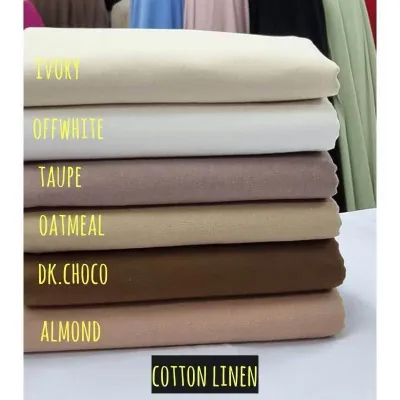
For everyday wear and home crafts, medium-weight cottons provide the perfect balance of structure and ease of sewing. Quilting cotton is a popular medium-weight choice that comes in an endless array of prints and colors. While it is slightly stiffer than apparel-grade cotton, it is incredibly easy to handle, making it the gold standard for beginner sewists, quilting projects, and reusable tote bags. Cotton poplin and linen-cotton blends are also excellent medium-weight options for sewing casual shorts, structured button-down shirts, and everyday dresses that need to maintain their shape throughout a busy day.
Heavyweight cottons are reserved for projects that demand maximum durability and strength. Cotton canvas, denim, and heavy twill are the primary choices for home decor and utility items. If you are sewing heavy-duty kitchen aprons, throw pillow covers, seat cushions, or structured backpacks, these thick fabrics will provide the necessary longevity. Keep in mind that heavyweight cottons require a robust sewing machine capable of piercing multiple thick layers, as well as specialized sewing techniques to manage bulky seams.
Evaluating Local and Specialty Cotton Textiles in the Philippines
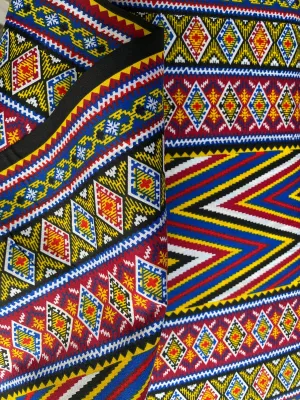
The Philippines boasts a rich tradition of handwoven and regional textiles that offer a unique alternative to mass-produced commercial cotton. When exploring local markets, artisan fairs, or specialty cooperatives, you will find beautiful handwoven cotton fabrics like Inabel from the Ilocos region. These artisanal textiles are celebrated for their durability, intricate geometric patterns, and rich cultural narratives. Incorporating these specialty fabrics into your sewing projects adds a distinct, localized touch that cannot be replicated by factory-made prints.
However, working with handwoven or locally milled cotton requires a different evaluation process than standard commercial bolts. Because many of these textiles are produced on traditional wooden backstrap or pedal looms, they often feature minor irregularities, such as slubs (thick spots in the yarn) or slight variations in the weave. Rather than viewing these as defects, sewists appreciate them as hallmarks of genuine handcrafting. When purchasing, inspect the fabric for consistent tension across the weave and ensure that any structural variations will not compromise the seams of your intended pattern.
It is also crucial to verify the fiber content of local textiles, as many are blends of cotton with polyester, rayon, or local plant fibers like abaca and pineapple (piña). If the fabric lacks a commercial label, you can perform a simple burn test on a tiny, discarded scrap of fabric. Pure cotton will burn with a steady yellow flame, smell like burning paper, and leave behind a soft, crumbly gray ash. Synthetic blends, on the other hand, will melt, produce dark smoke, and leave a hard, plastic-like bead. Additionally, handwoven cottons are highly prone to shrinkage and dye bleeding, so you must pre-wash them gently by hand in cool water and air-dry them away from direct sunlight before cutting your pattern pieces.
Inspecting and Selecting Quality Cotton at the Store
When shopping for cotton fabric in physical stores, taking the time to conduct a thorough inspection can save you from costly mistakes later. Start by unrolling a meter or two of the fabric from the bolt and holding it up to a bright light source. This allows you to check for weave consistency, thin patches, or uneven dye distribution. Run your hands over the surface to assess the texture; high-quality cotton should feel smooth and substantial, not scratchy or excessively stiff. Be wary of fabrics that feel overly stiff due to “sizing” (a starch-like temporary finish used by manufacturers to make cheap fabric look better on the bolt), as this stiffness will wash away, leaving you with a limp, thin material.
Always read the information printed on the end of the fabric bolt or the accompanying label. This label provides essential details, including the exact fiber composition, the fabric width (typically 36, 45, or 60 inches), and recommended care instructions. If you are budgeting your project in Philippine Pesos (₱), knowing the exact width is critical for calculating how many meters you need to purchase. A wider fabric (60 inches) often yields more pattern pieces per meter than a narrower fabric (36 or 45 inches), which can make it a more cost-effective choice despite a higher price per meter.
Finally, inspect the fabric for pattern alignment and potential flaws before the shop assistant cuts your yardage. If the fabric features a printed design, ensure the print is aligned with the grainline of the weave; a misaligned print will look crooked on a finished garment and is incredibly difficult to correct. Check for directional prints, which require all your pattern pieces to be cut facing the same direction, demanding extra yardage. Look closely for any snags, stains, or holes along the fold line or selvage, and ask the seller to adjust your cut or offer a discount if any unavoidable flaws are present in the middle of the fabric run.
Frequently Asked Questions (FAQ)
Should I pre-wash cotton fabric before cutting and sewing?
Yes, pre-washing is an essential step when working with cotton fabrics. Cotton fibers naturally shrink when exposed to water and heat, with some pure cotton weaves shrinking by up to 10% on their first wash. If you skip this step, your finished garment may shrink unevenly and become unwearable after its first trip through the laundry. Woven cottons should be washed and dried using the same methods you plan to use for the finished item. For knitted cottons like jersey, pre-washing also allows the knit loops to relax and settle into their permanent shape, preventing the fabric from twisting or warping after you have sewn your seams.
How do I choose the right needle and thread for cotton?
To achieve clean, professional stitches and prevent damage to your sewing machine, you must match your needle and thread to the specific weight of your cotton fabric. For lightweight cottons like voile, lawn, or fine muslin, use a thin universal or sharp needle (size 70/10 or 80/12) paired with fine polyester or cotton thread. Medium-weight cottons, such as poplin or quilting cotton, are highly versatile and work beautifully with a standard 80/12 or 90/14 universal needle and all-purpose polyester thread. If you are tackling heavyweight cotton canvas or denim, switch to a robust jeans or denim needle (size 100/16) and heavy-duty thread to easily pierce the thick layers. When sewing cotton knits like jersey, always use a ballpoint or stretch needle to avoid piercing and tearing the knit loops, which can cause skipped stitches and fabric runs.

Community discussion
Share your experience or ask a question. Comments are reviewed before publication.