
Finding the right coloring books for toddlers in the Philippines involves balancing developmental suitability, material durability, and local environmental factors. Toddlers do not simply color; they press down with intense physical force, experiment with moisture, and test the physical limits of paper. In a tropical climate where high humidity can soften paper fibers and cause pages to warp, selecting books with robust construction is essential for a frustration-free creative experience. By focusing on structural design, paper weight, and age-appropriate illustrations, parents can transform simple coloring sessions into valuable developmental milestones.
Coloring serves as a foundational activity that prepares young children for writing, drawing, and school-based tasks. It helps refine hand-eye coordination, strengthens the small muscles in the hands and fingers, and introduces concepts of spatial awareness and boundaries. However, a book that is too complex or made of poor-quality materials can quickly lead to frustration, causing a toddler to lose interest in artistic expression altogether. Understanding what makes a coloring book suitable for early learners ensures that your investment supports their growth and keeps them engaged.
Key Features to Evaluate in Toddler Coloring Books
When evaluating coloring books for toddlers, the quality of the paper is the first line of defense against tears and mess. Standard copy paper or cheap newsprint, which typically ranges from 50 to 70 grams per square meter (GSM), easily disintegrates under the heavy friction of wax crayons or the moisture of washable markers. For toddlers, look for books featuring thick, heavy-duty paper, ideally 100 GSM or higher. This thickness prevents ink from bleeding through to the opposite side of the page, allowing both sides of the sheet to be utilized fully and preventing damage to the pages underneath.
Products mentioned in this guide
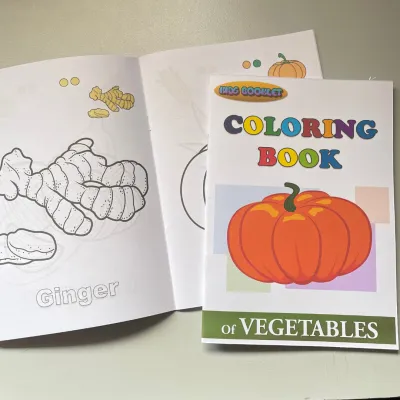
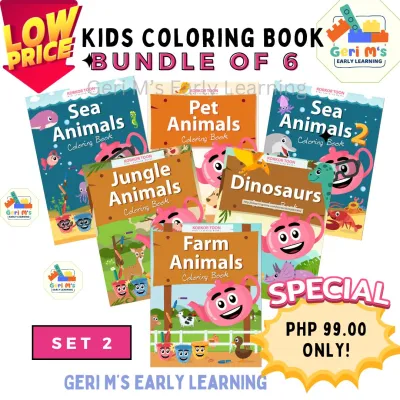
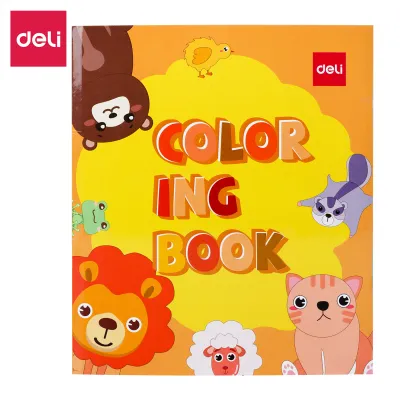
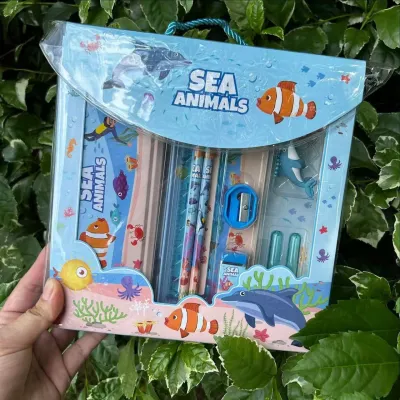
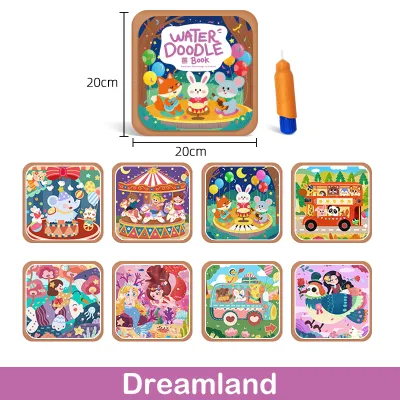
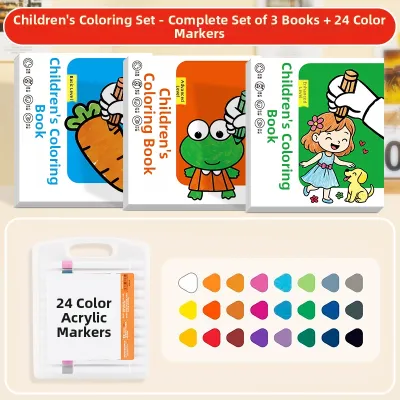
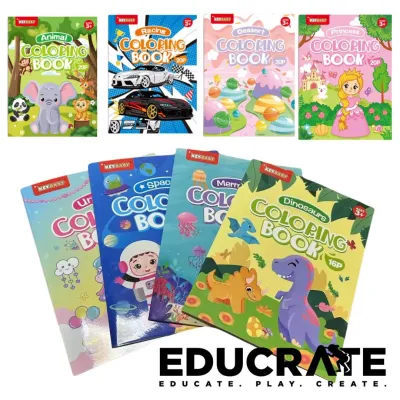
Prices are valid at publication and may change. Please refer to the product page for the latest price.
The physical binding of the book significantly impacts how easily a toddler can interact with the pages. Standard glued bindings often require constant pressure to stay open, which can frustrate a young child who lacks the hand strength or coordination to hold the book flat with one hand while coloring with the other. Spiral-bound books or those with lay-flat stitched bindings are highly recommended because they remain completely open on a table or floor without assistance. This hands-free stability allows the child to focus entirely on holding their coloring tool and controlling their hand movements.
Illustration design must match the visual and cognitive development of early learners. Toddlers process visual information differently than older children; complex scenes with intricate details and busy backgrounds can overwhelm them. The ideal toddler coloring book features single, recognizable objects—such as a simple fruit, an animal, or a vehicle—surrounded by thick, bold black outlines. Outlines that are at least two to five millimeters wide provide a clear visual boundary, helping the child practice staying within the lines while accommodating their still-developing fine motor control.
Safety and material composition are paramount when selecting stationery products for young children. Always inspect the packaging or product description for non-toxic certifications, such as the AP (Approved Product) seal or compliance with international safety standards like EN71. Because toddlers frequently touch their faces, mouths, and eyes during play, ensuring that the inks used in the book are soy-based or non-toxic is essential. Additionally, check for physical hazards such as sharp metal staples in the binding, which can rust quickly in the humid Philippine climate and pose a scratching hazard.
Matching Book Formats to Developmental Stages
As toddlers grow, their physical capabilities and attention spans shift, requiring different styles of coloring books to keep them engaged. For the youngest scribblers, typically between 12 and 18 months, traditional crayons and paper can result in unwanted marks on walls and furniture. Water-reveal books offer an excellent, mess-free alternative during this transitional phase. These books feature pages coated with a special white layer that becomes transparent when wet, revealing vibrant colors underneath. Once the water dries, the pages turn white again, making the book infinitely reusable and highly practical for travel or dining out.

For toddlers aged two to three years, large-format coloring books with bold, simple outlines are ideal for practicing grip and boundary control. At this stage, children are transitioning from a palmar grasp—where they hold the crayon with their entire fist—to a digital grasp, using their fingers to guide the tool. Large pages, such as A4 or oversized square formats, accommodate the broad, sweeping arm movements typical of this age group. These generous dimensions give toddlers the freedom to explore color without the immediate pressure of precise boundary control.
Sensory and interactive coloring books provide additional cognitive stimulation for older toddlers who are developing deeper focus. Books that integrate raised textures, fuzzy outlines, or large, easy-to-peel stickers encourage tactile exploration alongside coloring. Textured outlines provide physical feedback, helping the child feel where the boundaries of the drawing are located. Sticker-integrated books also help develop the pincer grasp—the ability to hold objects between the thumb and index finger—which is a critical precursor to proper pencil grip and handwriting.
Building a Shortlist Based on Your Child's Needs
To build a practical shortlist of coloring books, start by defining the primary environment where the coloring will take place. If you need an activity to keep your child quiet and seated during long car rides, flights, or restaurant waits, compact water-reveal pads or mess-free ink books are the most logical choice. For daily creative play at home, a large, heavy-duty coloring book with thick pages that can handle heavy wax crayons or watercolor paints is more appropriate. Matching the format to the scenario prevents unnecessary mess and ensures the activity remains enjoyable.
Setting a realistic budget helps narrow down the vast array of options available in the local market. In the Philippines, coloring books vary widely in price, from budget-friendly local prints starting around ₱50 to premium, imported interactive books that can exceed ₱350. While budget options are excellent for quick, disposable scribbling sessions, investing in a few high-quality, thick-paper books or reusable water-reveal pads often proves more cost-effective in the long run. Purchasing multi-book bundles is another practical way to reduce the cost per page while ensuring a steady supply of fresh designs.
Do not rely solely on the age recommendations printed on the cover, as these are often based on safety regulations rather than developmental readiness. Instead, observe your child’s current dexterity, hand strength, and attention span. If your child still struggles to hold a thick crayon or loses interest after a few minutes, stick to very simple, single-object books with massive coloring areas. If they show a keen interest in details and can sit focus-oriented for longer periods, you can gradually introduce books with slightly more detailed backgrounds and smaller coloring fields.
Before making a purchase, take the time to evaluate verified buyer reviews, especially when shopping online. Look closely at user-uploaded photos to assess the actual thickness of the paper and the clarity of the print. Pay attention to feedback regarding the durability of the binding, as some books may fall apart after only a few uses. Reviews from other parents in the Philippines can also provide valuable insights into how well the paper holds up against local humidity and whether the pages tend to stick together over time.
Purchasing Channels and Pre-Checkout Verification
Parents in the Philippines have several reliable options for sourcing high-quality toddler coloring books, each with its own advantages. Physical bookstores and specialty stationery shops located in major shopping malls allow you to physically inspect the books before buying. This hands-on approach is the best way to verify paper thickness, feel the texture of the pages, and check the strength of the binding. Department stores and local toy shops also carry a wide selection of popular children’s coloring brands, often organized by age group.
Online marketplaces and ecommerce platforms offer unparalleled convenience and access to a broader variety of international and specialty brands. However, shopping online requires extra vigilance to avoid low-quality counterfeits or poorly printed bootlegs. To ensure you are buying genuine products, prioritize official brand stores, preferred sellers, or authorized distributors. These sellers are more likely to provide authentic items made with safe, non-toxic materials and high-quality paper that matches the manufacturer’s specifications.
Before finalizing your online order, double-check the product specifications listed in the description. Pay close attention to the physical dimensions of the book, as product photos can sometimes make pocket-sized books appear much larger than they are. Check the total page count and the shipping weight, especially when purchasing bundles, to ensure you are getting good value for your money. Finally, review the seller’s return and exchange policies to protect yourself in case the books arrive bent, water-damaged, or with printing defects.
Frequently Asked Questions (FAQ)
At what age should a toddler start using traditional coloring books?
Most toddlers are developmentally ready to transition to traditional paper-and-crayon coloring books between 18 and 24 months. At this stage, they begin to move away from random, uncontrolled scribbling and start showing interest in repetitive strokes and basic boundary awareness. Before this age, their hand muscles are still developing, and they primarily use a palmar grasp to hold objects. If introduced too early, traditional coloring books with defined outlines can cause frustration; instead, start with large, blank sheets of paper or water-reveal books to encourage free-form movement.
How can I prevent markers from bleeding through the pages?
To protect the pages underneath and keep your table surfaces clean, place a thick sheet of cardstock, a plastic placemat, or a piece of cardboard directly behind the page your child is coloring. Additionally, always choose water-based, washable markers designed specifically for toddlers, as these inks are less dense and dry faster than standard markers. Checking the book’s specifications for paper weight before buying—and opting for books with single-sided printing—will also significantly reduce the risk of ink bleeding through and ruining subsequent pages.
Are digital coloring apps a suitable replacement for physical books?
While digital coloring apps offer convenience and a mess-free experience, they do not provide the same developmental benefits as physical coloring books. Physical coloring requires bilateral coordination, spatial awareness, and the refinement of fine motor muscles as children learn to control the physical pressure of a crayon against paper. The tactile resistance of paper is critical for developing hand strength and preparing fingers for writing. Digital screens lack this sensory feedback, making physical books the superior choice for early childhood motor skill development.

Community discussion
Share your experience or ask a question. Comments are reviewed before publication.