
Selecting the ideal DIY art kit for an elementary school girl’s classroom projects requires balancing school curriculum guidelines with practical, age-appropriate usability. The right kit empowers a young student to complete her assignments independently, fostering creativity without causing frustration due to poor tool design or missing supplies. In the Philippines, where tropical humidity can quickly affect the shelf life of adhesives, clays, and paper mediums, parents must look beyond flashy packaging to evaluate the actual utility of each component. By focusing on ergonomic tools, standard consumable sizes, and certified non-toxic materials, you can ensure your child is fully prepared for every creative task in her art class.
Aligning Art Kits with School Requirements and Age Skills
Before purchasing any art set, the first step is to review the school’s syllabus or the specific supply list provided by the teacher. Elementary school art classes often follow structured curricula that require precise mediums, such as oil pastels for one grading period and watercolors for the next. Buying a massive, all-in-one novelty kit might seem convenient, but it often contains unnecessary items that distract from the lesson plan while lacking the specific grades of pencils or paper types required for graded projects.
A child’s developmental stage should directly dictate the complexity of the kit you select. For lower elementary students in grades one through three, fine motor skills are still developing, making large, easy-to-grip tools essential. Kits for this age group should feature pre-cut elements, thick crayons, and simple, single-step assembly processes that do not require complex folding or precise cutting. Introducing tools that are too advanced can lead to frustration, causing the child to lose interest in the creative process altogether.
Products mentioned in this guide
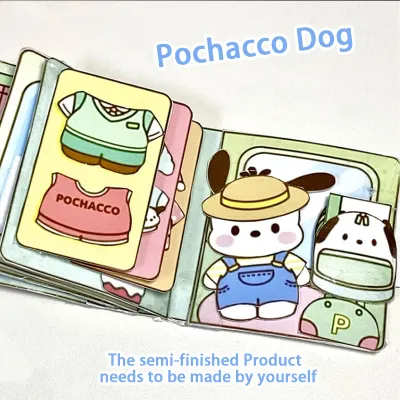
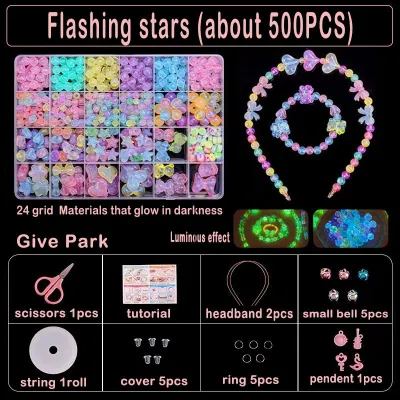
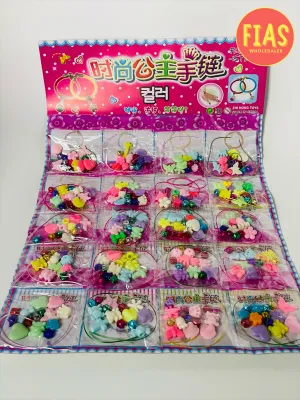
Prices are valid at publication and may change. Please refer to the product page for the latest price.
Conversely, upper elementary students in grades four through six require kits that challenge their growing capabilities and allow for greater precision. These students can comfortably handle standard-sized colored pencils, fine-tip markers, and basic modeling tools. When selecting kits for older children, look for sets that include clear, multi-step instructions written in accessible language, allowing them to work independently during classroom hours without constantly relying on the teacher for assistance.
Evaluating the independence factor is crucial for classroom environments where a single teacher must supervise dozens of students. A kit that requires constant adult intervention, such as complex hot-glue assembly or intricate wire bending, is highly impractical for school use. Opt for kits that utilize safe, air-drying materials or simple slot-and-tab construction methods, ensuring your child can complete her project within the designated class period.
Evaluating Tool Ergonomics and Consumable Compatibility
The physical design of the tools within an art kit directly impacts how long a child can work comfortably without experiencing hand fatigue. Ergonomics should be a primary consideration, especially for younger children whose hand muscles are still developing. Look for brushes with thick, triangular handles that encourage a proper grip, and scissors with cushioned, symmetrical loops that fit small fingers comfortably. Lightweight tools made of durable, high-impact plastics are generally preferable to heavy metal alternatives for school use.

Consumable compatibility is another critical factor that determines the long-term value of an art kit. Many commercial kits feature proprietary slots or custom-shaped containers that only fit the brand’s specific refills, forcing parents to buy expensive replacements once a single color runs out. To avoid this, verify whether the kit’s storage slots can accommodate standard-sized watercolor pans, standard glue sticks, or universal marker cartridges. A kit that allows you to easily swap in standard stationery items will save both money and shopping time throughout the school year.
Portability and storage are vital for school art kits, which must survive the daily commute in a crowded school bag. Examine the carrying case closely, paying attention to the durability of the hinges and the security of the latches. A flimsy latch can easily pop open during a bumpy tricycle or jeepney ride, spilling beads, pastels, or open paint tubes all over textbooks and school uniforms. Internal organization is equally important; molded plastic trays that hold each tool securely in place prevent items from rattling around and breaking.
While novelty kits filled with glitter, stamps, and decorative stickers are visually appealing, they often compromise on the quality of core mediums. A high-quality kit should prioritize versatile, curriculum-standard mediums over temporary trends. Ensure the kit provides a solid foundation of basic colors and tools before considering any decorative extras, as teachers often restrict the use of glitter and non-standard embellishments to maintain grading consistency across the class. A well-constructed kit priced around ₱500 to ₱1,500 often provides a much better balance of durability and usability than cheap, disposable alternatives.
Verifying Safety Standards and Material Washability
Safety must always be the non-negotiable foundation of any stationery purchase for children. When browsing online marketplaces or local department stores, ignore generic marketing buzzwords like “eco-friendly” or “natural” and look for verified safety certifications on the packaging. Recognized standards, such as the AP non-toxic seal or compliance with international toy safety standards, indicate that the materials have been evaluated for harmful substances. These certifications ensure that accidental ingestion or prolonged skin contact will not expose your child to hazardous chemicals.
Physical safety hazards are equally important to monitor, particularly regarding cutting tools and sharp points. Ensure that any scissors included in the kit feature blunt, rounded tips and plastic-shielded blades that only cut paper, preventing accidental cuts to skin or hair. Compasses used for geometry and art should feature safety points or locking mechanisms rather than sharp metal needles. Additionally, check that all plastic components, such as rulers or paint palettes, are shatter-resistant to prevent sharp edges if dropped on hard classroom floors.
In the busy environment of an elementary school classroom, spills are inevitable, making washability a top priority for parents. White school uniforms are standard across many schools in the Philippines, and removing stubborn pigment stains can be a weekly struggle. Prioritize water-based paints, washable markers, and water-soluble inks that explicitly state they can be washed out of common fabrics and skin with simple soap and warm water. Testing a small sample of the medium on an old piece of fabric before sending the kit to school is an excellent way to verify these washability claims.
Finally, carefully inspect the ingredient lists of adhesives, modeling clays, and liquid mediums for potential allergens or strong chemical solvents. Avoid kits that include solvent-based glues, which emit strong fumes that can trigger asthma or headaches in closed, warm classrooms. Instead, opt for water-based white glues, starch-based pastes, and allergen-free modeling clays. If your child has sensitive skin or specific allergies, verifying these material compositions is an essential step in preventing adverse reactions during art class.
Matching Kit Categories to Common Classroom Projects
Rather than purchasing a single, massive art suitcase that attempts to do everything poorly, parents should consider matching specialized kits to the specific projects scheduled for the school term. Drawing and sketching projects, for example, require a dedicated kit that focuses on graphite and dry mediums. When evaluating a drawing kit, look for a sensible variety of graphite grades, such as 2B and 4B for shading, alongside high-polymer erasers that lift pigment cleanly without tearing the paper. A durable metal sharpener that holds shavings is also essential for keeping desks clean.
For painting and color mixing assignments, the quality of the pigments and brushes will directly affect your child’s learning experience. Look for watercolor or tempera sets that offer high pigment opacity, allowing colors to appear vibrant on paper without requiring excessive layers. Brush bristle retention is another key quality indicator; cheap brushes that shed hairs onto the wet canvas can frustrate a young artist. Additionally, choose kits that feature stable, wide-bottomed water cups and deep-welled palettes to minimize the risk of accidental spills on classroom desks.
Paper crafting and modeling projects demand a different set of tools entirely, focusing on cutting precision and structural integrity. A reliable paper crafting kit should include scissors that cut cleanly through various paper weights, from thin construction paper to thick cardboard. For modeling projects, air-dry clay is a popular choice in school curricula, but it is highly sensitive to the local climate. In humid tropical environments, look for clays that resist cracking as they dry, and ensure the kit includes airtight storage containers to prevent unused clay from hardening prematurely.
To make the most practical purchase, consider creating a conditional shortlist based on your child’s upcoming art modules. If the first half of the school year focuses on two-dimensional drawing, invest in a high-quality sketching set first, rather than buying a complete painting kit that will sit unused in a humid closet for months. Observing how your child handles different mediums during weekend trial sessions at home will provide valuable insights into her preferences and skill levels, allowing you to make highly targeted purchases that support her academic success.
Frequently Asked Questions (FAQ)
How often should I replace the consumables in my child's art kit?
Consumables should be monitored regularly to ensure your child is never left without the necessary tools during a graded class project. Brushes should be replaced as soon as the bristles begin to fray, split, or shed, as damaged brushes make controlled strokes impossible. Markers should be checked for dryness, especially after long school breaks, while glue sticks should be replaced when they lose their tackiness or dry out. Establishing a routine mid-semester check—ideally right before major school exams or project deadlines—allows you to replenish depleted items like drawing paper, white glue, and popular paint colors before they run out completely.
Can I mix and match tools from different brands in one kit?
Yes, mixing and matching tools from different brands is an excellent way to customize a kit to your child’s specific needs while saving money. However, you must verify physical compatibility before sending the modified kit to school. Ensure that replacement markers, pencils, or brushes fit securely into the existing slots of the carrying case so they do not roll around and break. Additionally, be mindful of chemical compatibility; never store wet mediums, strong adhesives, or solvent-based markers in the same airtight compartment as dry pastels or delicate papers, as fumes and moisture transfer can degrade the quality of the dry materials over time.
Community discussion
Share your experience or ask a question. Comments are reviewed before publication.