
Owning a Travelers Notebook means watching the raw, vegetable-tanned leather evolve over time, but everyday handling can leave the cover looking dry, scuffed, or dirty, making you worry about ruining its unique character. Properly caring for your notebook involves gently removing surface dust with a soft cloth, wiping away light grime with a barely damp cloth, and applying a minimal amount of compatible leather conditioner to nourish the fibers and support a rich, natural patina. By establishing a gentle, mindful maintenance routine, you can protect the leather from cracking while allowing it to record your personal journeys through its changing texture and color.
Because vegetable-tanned leather is highly reactive to what you apply to it, understanding the material is the first step to successful maintenance. This type of leather is processed using natural plant tannins rather than harsh chemicals, leaving the pores open and receptive to environmental elements. This open structure is exactly what allows the cover to develop its characteristic sheen and deeper color over time, but it also means the leather will easily absorb improper cleaning agents, leading to permanent discoloration or structural damage. Taking a cautious, minimalist approach to care ensures that your notebook remains a durable companion for years to come.
Before you begin the cleaning process, it is helpful to understand how your choice of stationery accessories interacts with the leather. The elastic bands, metal clasps, and paper refills all exert pressure on the cover, creating localized wear patterns that are a normal part of the notebook’s life. When you clean and condition the cover, you are not trying to erase these marks; rather, you are preserving the leather’s flexibility so that these stress points do not turn into deep cracks or tears. Treating the leather with care keeps the fibers supple enough to hold multiple refills without losing its structural integrity.
Products mentioned in this guide

5 Lazada user ratings
The packaging was great, would definitely order from them again

6 Lazada user ratings
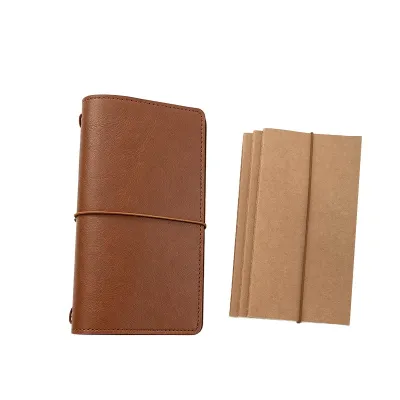
Quality: The perfect size for me. This includes three notebooks and one kraft storage/holder.
Item received as described, will buy again! Good transaction, thank you seller.
Prices are valid at publication and may change. Please refer to the product page for the latest price.
What supplies do you need for safe travelers notebook care?
Safe care for your notebook cover requires a few gentle, non-abrasive tools: soft microfiber cloths, a soft-bristled brush, and a high-quality leather conditioner formulated for vegetable-tanned leather. Using the correct tools prevents accidental scratching and ensures that any product you apply is distributed evenly across the surface. Gathering these items beforehand makes the process smooth and minimizes the risk of using a damaging household substitute in a pinch.
Your first step should always be to check the manufacturer’s care instructions for any specific product recommendations, restrictions, or warranty conditions. Different batches of leather or limited-edition covers may have unique finishes that react differently to oils and waxes. Reviewing the official guidelines helps you identify whether certain ingredients, such as heavy oils or specific solvents, should be avoided entirely to preserve the original texture of your cover.
For physical cleaning and application, select soft, lint-free cloths made of microfiber or clean, high-quality cotton. Rough fabrics or paper towels can leave tiny scratches on the delicate surface of raw leather or leave behind lint that gets trapped in the pores. Having at least three separate cloths is ideal: one for dry dusting, one for applying the conditioning product, and a final dry cloth for buffing the surface afterward.
A soft-bristled brush, such as a horsehair brush, is highly recommended for clearing out dust from hard-to-reach areas. The fine, flexible bristles can gently sweep away debris from the spine, corners, and elastic holes without scraping the leather. This tool is especially useful if you carry your notebook in a backpack or pocket where lint and dust tend to accumulate quickly.
When choosing a leather conditioner, look for a product specifically formulated for vegetable-tanned leather, paying close attention to the ingredient list on the product label. Safe formulations typically rely on natural ingredients like beeswax, seed oils, or mild animal fats. Avoid cheap conditioners that contain heavy synthetic silicones, petroleum distillates, or mineral oils, as these can clog the leather’s pores, prevent it from breathing, and degrade the natural fibers over time.
Never use harsh chemicals, alcohol-based cleaners, or household detergents like dish soap on your notebook cover. These substances are designed to strip away grease, which means they will instantly draw out the natural oils that keep the leather supple. Using them can cause immediate drying, cracking, and irreversible color loss, stripping away the very oils that allow a beautiful patina to form.
How should you prepare and clean the leather cover before conditioning?
Preparing your notebook cover involves stripping away all removable accessories and gently clearing away surface dust so that the conditioner can penetrate the leather evenly. Applying conditioner over dirt or dust will trap those abrasive particles against the leather, potentially causing scratches and creating a muddy, uneven finish. Taking the time to clean the surface thoroughly ensures a smooth, professional result.

Start by removing all notebook paper inserts, elastic bands, plastic pockets, brass clips, and any other detachable hardware. This complete disassembly allows you to access all leather surfaces, including the interior spine, corners, and edges that are normally covered. It also protects your paper refills and stationery accessories from accidentally coming into contact with water or conditioning products during the process.
Once the cover is bare, gently dust the entire surface with a dry, soft cloth or your soft-bristled brush. Pay close attention to the creases along the spine and the small holes where the elastic bands thread through, as these are common collecting points for pocket lint and grit. Sweeping these areas clean prevents you from grinding abrasive debris into the leather during the subsequent wet cleaning phase.
Next, dampen a clean microfiber cloth slightly with plain water, ensuring it is merely damp and not dripping wet. If you choose to use a specialized leather cleaner, make sure it is explicitly approved by the manufacturer and test it on a tiny area first. Wipe the leather surface in gentle, even strokes to lift away surface grime, sweat, and oils transferred from your hands. Avoid scrubbing vigorously, as friction can alter the texture of the leather.
After wiping down the cover, allow it to air dry completely in a shaded, cool, and well-ventilated area. Never apply conditioner while the leather is still damp, as this can trap moisture inside the pores, leading to mold growth or a musty odor. Avoid the temptation to speed up this drying process with artificial heat sources, as natural air drying is the only way to preserve the leather’s structural health.
This drying phase is also an excellent time to inspect your paper refills and elastic bands. Ensure that your paper inserts are clean and dry, and check the elasticity of your bands. If the elastics are stretched out, replacing them while the notebook is disassembled is highly convenient. Keeping the internal components in good shape ensures that once the leather is treated, the entire notebook system functions perfectly.
What is the correct way to apply leather conditioner to develop a patina?
The correct way to apply conditioner is to work a very small amount of product into the leather using gentle, circular motions after performing a successful spot test. Applying the product systematically ensures even absorption, which is critical for supporting a balanced, natural patina rather than a patchy, stained appearance. Patience during this step yields the most beautiful, long-term aesthetic results.
Always perform a spot test on a small, inconspicuous area before treating the entire cover. The inside flap, the bottom edge, or the area hidden beneath the elastic bands are excellent spots for this check. Apply a tiny speck of conditioner, let it dry completely, and observe the result. This test allows you to verify if the product causes unwanted darkening or an adverse reaction with your specific piece of leather.
When you are ready to treat the whole cover, apply a small, pea-sized amount of conditioner directly to your clean cloth rather than onto the leather itself. Placing the product directly on the leather can cause that specific spot to absorb too much oil instantly, leaving a dark, permanent stain. Spreading the conditioner onto the cloth first allows you to control the distribution and apply a thin, uniform layer.
Rub the conditioner into the leather using light, circular motions, working your way systematically from one side of the cover to the other. Pay extra attention to dry edges, corners, and the natural creases along the spine, as these areas experience the most flexing and are highly prone to drying out. Use a very light touch; the warmth generated by your gentle rubbing will help the leather absorb the natural oils.
After covering the entire exterior, you can apply an even lighter layer to the smooth parts of the interior if they feel dry. Be cautious with the flesh side (the fuzzy interior) of the leather, as it absorbs liquid much faster than the smooth grain side and can easily become over-saturated. A minimal approach on the inside is usually more than enough to keep the cover supple.
Let the leather sit undisturbed to absorb the product for the exact duration specified on the conditioner’s label, which typically ranges from ten to thirty minutes. Once this absorption period is complete, take a clean, dry cloth and buff the entire surface thoroughly. Buffing removes any unabsorbed excess product, preventing a sticky, tacky residue that would otherwise attract dust, pocket lint, and dirt during daily use.
How often should you condition your Travelers Notebook cover?
You should condition your notebook cover only when the leather shows physical signs of dryness or stiffness, rather than following a rigid calendar schedule. Because leather is an organic material, its conditioning needs depend heavily on how often you handle it and the environment in which it is kept. Learning to read the physical state of your cover is the best way to avoid both neglect and over-conditioning.
Observe your notebook regularly for physical signs of dryness, stiffness, or a noticeable loss of luster. If the leather feels rough to the touch, looks unusually pale, or resists bending when you open it, these are clear indicators that the fibers need nourishment. Conversely, if the cover feels soft, flexible, and has a healthy, subtle sheen, it is best to leave it alone and let the natural aging process continue.
Environmental factors play a significant role in how your leather behaves over time. For example, in the warm and humid climate of the Philippines, leather naturally breathes and absorbs ambient moisture, which can keep it pliable but also increases the risk of mold if the leather is over-saturated with oils. Conversely, spending long hours in air-conditioned offices or dry, air-conditioned rooms can strip moisture from the cover, meaning you may need to condition it slightly more often to prevent stiffness.
Your daily handling habits also dictate the ideal maintenance frequency. Frequent use transfers natural oils from your skin directly to the leather cover, providing a constant, gentle conditioning effect that is highly beneficial for developing a rich patina. If you carry and write in your notebook every day, you may find that you only need to apply an artificial conditioner once or twice a year.
Be highly vigilant against the risks of over-conditioning your notebook. Applying oils or waxes too frequently can saturate the leather fibers, causing them to lose their structural strength and become mushy or overly floppy. Over-conditioned leather also develops a tacky surface that traps dirt, clogs the pores, and can permanently halt the development of a clean, glossy patina.
What common mistakes should you avoid when maintaining leather notebooks?
To protect your notebook cover, avoid using excessive water, applying artificial heat, using pore-clogging synthetic products, and storing the leather in damp environments. Avoiding these common pitfalls prevents permanent damage and ensures that your notebook ages gracefully, maintaining both its beauty and its structural durability over many years of travel.
Using excessive water or soaking the leather is a major mistake that can cause severe warping, stiffness, or permanent water stains. When leather fibers absorb too much water, they swell, and as the water evaporates, it carries away the leather’s natural lubricating oils. This leaves the cover dry, brittle, and distorted in shape, which can make it difficult to fit your paper refills properly.
Applying artificial heat to speed up the drying process is equally damaging. Never use a hairdryer, place the notebook on a radiator, or leave it in direct sunlight to dry after cleaning. High heat bakes the leather, causing the remaining moisture and natural oils to evaporate too quickly, which leads to severe shrinkage, warping, and deep, irreversible cracks in the surface.
Avoid using products that contain heavy silicones, synthetic waxes, or varnishes. While these products might promise a quick shine or water resistance, they create an impermeable plastic-like barrier over the leather. This barrier clogs the pores, preventing the leather from breathing and absorbing the natural oils from your hands, which ultimately ruins its ability to develop a genuine, character-rich patina.
Finally, never store your notebook in damp, unventilated spaces, such as sealed plastic bags or dark, humid drawers where air cannot circulate. These conditions are breeding grounds for mold and mildew, which can digest the leather fibers and leave permanent stains and unpleasant odors. Instead, store your notebook in a breathable cotton sleeve or on an open shelf where air can flow freely, keeping the leather dry and healthy.
When reassembling your notebook after cleaning and conditioning, ensure the leather is completely dry to protect your stationery. If you insert paper refills while the cover retains residual moisture, that dampness can transfer to the paper fibers. This moisture transfer can cause your notebook pages to warp, wrinkle, or degrade, and it can significantly affect the performance of your pens, causing fountain pen inks to feather, bleed, or dry much slower than usual. Taking your time and verifying that every component is dry guarantees a perfect writing experience.

Community discussion
Share your experience or ask a question. Comments are reviewed before publication.