
Selecting the right tool to manage your paperwork is more than a matter of basic organization; it directly impacts your daily productivity, the preservation of your records, and the ease of your daily commute. If you are trying to decide on the best A4 document organizer for your workflow, the ideal choice depends entirely on how you interact with your paperwork. Your decision hinges on whether you prioritize high-capacity sorting of loose sheets, active editing and presenting of documents, or lightweight transport for a few essential pages.
For those managing a high volume of loose, unpunched papers that require systematic categorization, an expanding file is the most efficient solution. If your workflow involves frequently adding, removing, or reordering pages—or if you need to present your work flat—a ring binder offers the modular structure you need. Meanwhile, for carrying a small, specific batch of documents safely from one location to another without adding bulk to your bag, a simple document wallet is the superior choice. By evaluating the structural designs, capacity limits, and material durability of these three common organizers, you can easily identify the one that fits your daily routine.
Understanding the Three Main A4 Organizer Structures
To make an informed choice, it is essential to understand the physical design and primary mechanism of each organizer type. Each structure is engineered for a specific style of document interaction, affecting how you access, store, and protect your papers.
Products mentioned in this guide
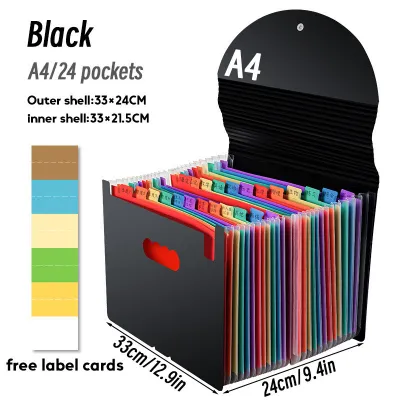
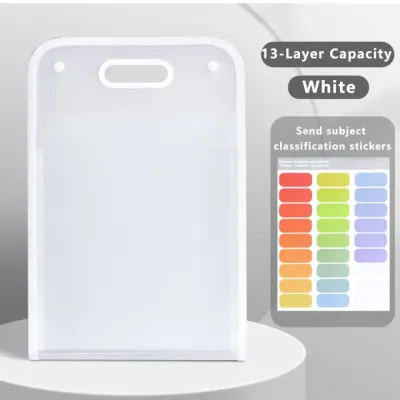
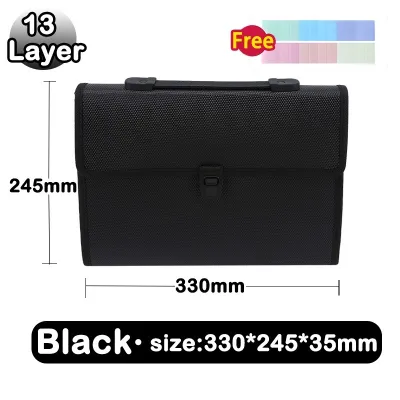
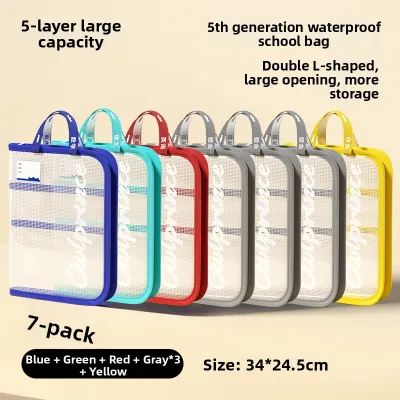
Prices are valid at publication and may change. Please refer to the product page for the latest price.
Expanding File
An expanding file features an accordion-style, multi-pocket design that stretches outward as you add more documents. Typically constructed from flexible yet durable polypropylene (PP) plastic, these organizers contain built-in plastic dividers that partition the interior into multiple distinct sections. Most models offer between 5 and 24 pockets, complete with small index tabs at the top of each divider for custom labeling. To keep your documents secure during transport, expanding files generally feature a fold-over flap secured by an elastic cord, a plastic snap button, or a latching buckle closure.
Ring Binder
A ring binder is built around a rigid front and back cover connected by a solid spine, housing a spring-loaded metal ring mechanism. These rings—commonly shaped as O-rings or D-rings—require you to either punch holes directly into your A4 paper or place your sheets inside clear plastic slip-in sleeves (sheet protectors). The rigid covers, often made of heavy-duty cardboard wrapped in protective vinyl or solid molded plastic, allow the binder to stand upright on a shelf. This design makes it easy to flip through pages like a book, offering excellent visibility and quick access to individual sheets.
Document Wallet
A document wallet is a streamlined, single-compartment envelope designed for simplicity and ease of use. Lacking internal dividers or ring mechanisms, it serves as a protective sleeve for a single stack of loose papers. These wallets are typically made from flexible polypropylene plastic, heavy pressboard, or durable cardstock. They feature a top-opening or side-opening flap secured by a single plastic snap button, a hook-and-loop tab, a slide zipper, or a classic string-and-button tie. Because of their basic construction, they are highly flexible and maintain a very slim profile when empty.
Key Comparison Dimensions for Daily Workflows
To determine which organizer will serve you best, you must compare how they perform across the practical demands of daily use. Capacity, ease of transport, and environmental resilience are the three most critical factors to consider.

Capacity and Document Volume
Expanding files are specifically designed to manage large volumes of unpunched paper. A standard 12-pocket expanding file can comfortably hold between 300 and 500 sheets of standard 80gsm A4 paper. Because the pockets expand independently, you can distribute varying quantities of paper across different categories. However, as you approach maximum capacity, the file expands significantly in thickness, which can strain the bottom seams and make the top flap difficult to latch securely.
Ring binders offer a highly customizable capacity that is strictly limited by the diameter of the metal rings. A binder with 1-inch (25mm) rings can hold approximately 175 to 200 sheets of loose paper, while a heavy-duty 2-inch (50mm) binder can accommodate up to 375 to 400 sheets. It is important to note that using plastic sheet protectors to avoid punching holes in your documents will significantly reduce the total page capacity, as the plastic sleeves add extra thickness and weight.
Document wallets are intended for low-volume storage and short-term transport. Most standard plastic wallets are designed to hold between 50 and 100 sheets of A4 paper. Attempting to stuff more paper into a document wallet causes the sides to bulge awkwardly, which can warp or crease the edges of your documents. Additionally, overfilling puts excessive pressure on the snap button or zipper closure, often leading to premature tearing along the welded side seams.
Portability and Commute Convenience
For daily commuters navigating crowded public transportation, the physical footprint of your organizer is a major consideration. Document wallets are the most portable option available. Their slim, lightweight, and flexible nature allows them to slide easily into tight spaces, such as laptop sleeves, tote bags, or packed backpacks, without adding unnecessary bulk.
Expanding files offer moderate portability. While they can be carried in a spacious backpack or briefcase, they become heavy and blocky when filled to capacity. A fully loaded 24-pocket expanding file behaves like a solid brick, requiring significant space in your bag and adding noticeable weight to your shoulders during long transits.
Ring binders are the least convenient option for daily travel. Because of their rigid covers and fixed spine widths, they occupy the same amount of physical space in your bag whether they contain five pages or two hundred. The hard, sharp corners of a heavy-duty binder can also wear down the inner lining of your bag over time, making them better suited for stationary desk storage or dedicated carrying cases.
Protection and Durability in Humid Climates
In tropical environments characterized by high humidity, seasonal monsoons, and sudden downpours, protecting paper documents from moisture and physical damage is a constant challenge. Paper fibers naturally absorb moisture from humid air, causing loose sheets to become limp, wavy, and highly susceptible to tearing.
Ring binders provide the highest level of physical crush protection. Their hard outer covers shield your documents from being bent, creased, or crushed by heavier items in your bag, such as laptops or textbooks. However, standard cardboard-core binders wrapped in paper or thin vinyl are highly vulnerable to humidity; they can absorb moisture over time, leading to cover warping, bubbling, and mold growth. To prevent this, look for binders made from solid, high-density polypropylene (PP) sheets.
Document wallets and expanding files made of polypropylene plastic are completely waterproof, offering excellent protection against rain splashes and spilled liquids. However, because they are semi-flexible, they offer very limited protection against bending or crushing. If a plastic wallet is packed tightly against heavy, curved objects in a bag, the documents inside will conform to that shape and crease. Additionally, in humid conditions, cheap metal ring mechanisms in binders can rust, which can stain your paper; opting for high-quality, nickel-plated rings or solid plastic binders can help mitigate this risk.
Quick Reference: Feature Comparison Matrix
| Organizer Type | Best Use Case | Approx. Max Capacity | Portability | Document Prep Required | Crush Protection |
|---|---|---|---|---|---|
| Expanding File | Multi-category sorting of loose, unpunched papers | 300 – 500 sheets | Moderate (bulky when fully loaded) | None (drop-in pockets) | Low (semi-flexible plastic) |
| Ring Binder | Active editing, presentations, and shelf archiving | 150 – 400 sheets (depends on ring size) | Low (rigid covers, fixed spine width) | High (requires hole punching or plastic sleeves) | High (rigid outer shell) |
| Document Wallet | Lightweight daily transport of small document sets | 50 – 100 sheets | High (slim, flexible, and lightweight) | None (slide-in single compartment) | Low (flexible structure) |
Decision Framework: Matching the Organizer to Your Needs
To choose the right organizer, you must match its structural strengths to your specific daily tasks, document types, and workflow requirements.
Choose an Expanding File if:
- You need to organize a large volume of loose, unpunched documents—such as monthly utility bills, tax receipts, medical records, or multi-subject school handouts—into distinct categories.
- You want to sort papers immediately upon receiving them without needing a hole puncher or plastic sleeves.
- Your primary storage area is a desk, filing cabinet, or shelf, but you still need the flexibility to carry your entire sorted archive to meetings or classes occasionally.
- You prefer a self-contained system with built-in indexing tabs that allow you to label and locate specific categories at a glance.
Choose a Ring Binder if:
- You are compiling study guides, training manuals, recipes, or project portfolios where you must frequently add, remove, or rearrange pages.
- You need to present your documents professionally, allowing pages to lie completely flat and turn smoothly like a book.
- You want to display delicate items, such as certificates, photographs, or official design sheets, inside clear plastic protectors to prevent fingerprint smudges and surface wear.
- You have a dedicated shelf space where your organizers can stand upright for quick, vertical retrieval.
Choose a Document Wallet if:
- You only need to transport a small, specific batch of papers—such as signed contracts, job application resumes, or homework assignments—safely between your home, office, or school.
- You prioritize a highly portable, lightweight, and minimalist setup that fits easily into standard backpacks, messenger bags, or tote bags.
- Your documents are temporary or do not require categorization, serving simply as a single stack of papers that must remain clean, dry, and clean-edged during travel.
Verify First Before Buying
Before finalizing your purchase on e-commerce platforms, always verify the exact dimensions of the organizer. In some markets, “A4” is occasionally confused with “Letter” (short) or “Legal” (long) paper sizes. True A4 paper measures exactly 210 mm by 297 mm.
If you purchase an organizer designed strictly for Letter-sized paper, your A4 documents will stick out of the top, leaving their edges exposed to damage and preventing flaps from closing. Always check the product specifications for explicit A4 compatibility. Additionally, verify the spine width of ring binders and the maximum expansion depth of expanding files to ensure they will fit comfortably inside your favorite bag before making a purchase.
Maintenance and Care for Longevity
To extend the life of your document organizers and keep your important papers in pristine condition, implement these simple maintenance habits:
- Wipe down plastic surfaces: Regularly clean polypropylene organizers with a dry or slightly damp microfiber cloth to remove dust, dirt, and ambient moisture. Avoid using harsh chemical solvents or alcohol-based cleaners, which can degrade the plastic, make it brittle, or cause clear surfaces to cloud over time.
- Avoid overstuffing: Never force an expanding file or document wallet to close if the paper stack exceeds its natural capacity. Overstuffing puts immense pressure on the welded plastic seams and elastic bands, which will eventually cause them to split, snap, or warp.
- Store binders vertically: Keep ring binders standing upright on shelves rather than stacking them flat on top of one another. Stacking binders flat places uneven weight on the metal mechanisms, which can warp the rings and cause them to misalign.
- Protect metal rings from moisture: To prevent rust on binder rings in humid environments, store your binders in well-ventilated, dry areas. Avoid placing them directly on concrete floors or leaning them against exterior walls where moisture can transfer. If you notice dust or condensation on the rings, wipe them down with a dry, lint-free cloth.
- Operate ring mechanisms correctly: Always use the push-tabs at the top and bottom of the binder spine to open the rings. Pulling the metal rings apart directly with your hands can bend them out of alignment over time, creating small gaps that will snag and tear your pages as you flip through them.
Frequently Asked Questions (FAQ)
Can I use a document wallet for long-term archiving?
No, document wallets are not recommended for long-term archival storage. Because they are flexible and open at the seams, they do not offer adequate protection against dust, insects, or ambient humidity over extended periods. Under pressure, documents inside a flexible wallet can easily warp or crease over time. For long-term archiving, it is much safer to use rigid ring binders with archival-safe, acid-free plastic sleeves, or to transfer your documents into solid, heavy-duty storage boxes kept in a dry, ventilated environment.
How do I prevent ring binder mechanisms from rusting in humid weather?
To prevent metal binder rings from rusting in humid tropical climates, store your binders in dry, well-ventilated rooms, ideally where air conditioning or a dehumidifier is running. Avoid placing your organizers directly on the floor or leaning them against exterior concrete walls, which tend to collect moisture. You can also place silica gel packets inside your storage cabinets or shelves to absorb excess moisture from the air, and occasionally wipe the metal rings with a dry microfiber cloth to keep them clean and dry.
Community discussion
Share your experience or ask a question. Comments are reviewed before publication.