
An A4 plastic card case is a highly versatile tool for school and office organization. Often referred to as a rigid plastic sleeve, hard card case, or heavy-duty sheet protector, this simple stationery item provides a structured, protective barrier that keeps your papers pristine, readable, and organized. Whether you are navigating a busy corporate office, managing student records, or trying to preserve valuable academic achievements, understanding how to leverage this tool can transform your daily filing system.
Core Benefits of Using an A4 Plastic Card Case
The standard A4 size, measuring exactly 210 mm by 297 mm, is the default format for corporate contracts, government forms, school worksheets, and official certificates. Using a dedicated A4 case ensures that your documents fit perfectly without the need to fold, crease, or trim the edges. This standard sizing makes it easy to integrate these cases into your existing filing cabinets, drawers, and desk organizers.
The choice of plastic material provides practical benefits that paper folders cannot match. High-quality plastic, such as polypropylene (PP) or polyvinyl chloride (PVC), offers exceptional tear resistance, structural flexibility, and basic moisture protection. In tropical climates characterized by high relative humidity and sudden monsoon rains, paper documents left in the open quickly absorb moisture from the air. This causes them to become limp, warped, or susceptible to mold. A plastic card case acts as an immediate shield against environmental humidity, sweat from hands, and accidental liquid spills on your desk.
Products mentioned in this guide
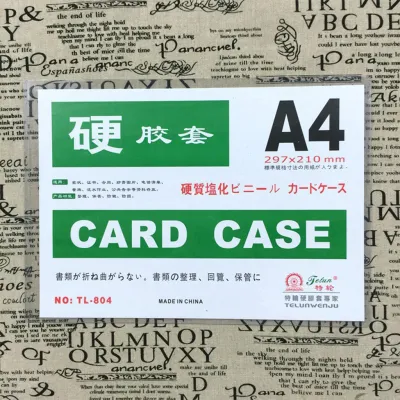
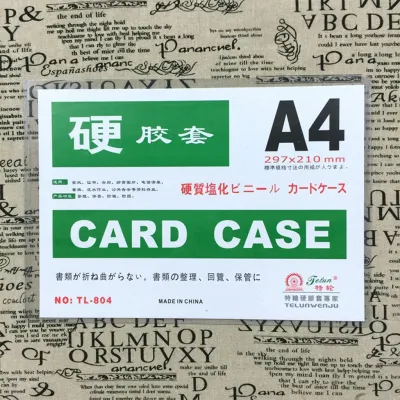
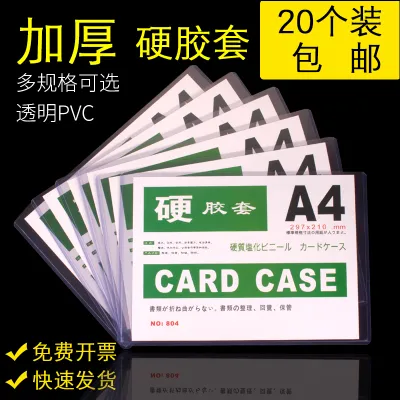
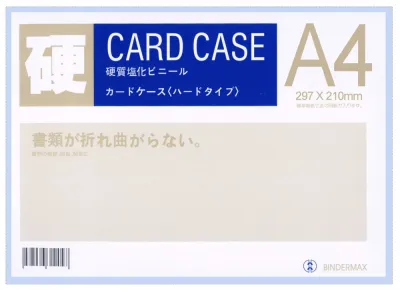
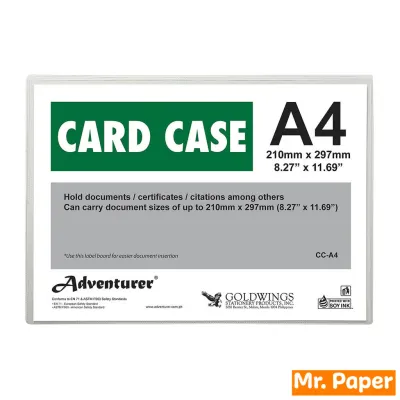
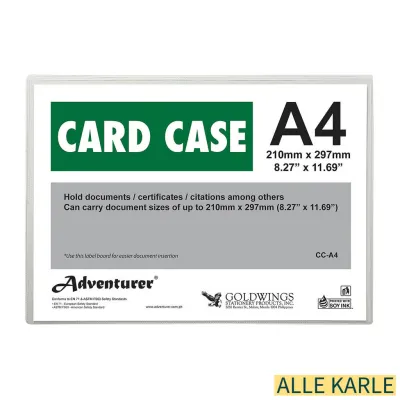
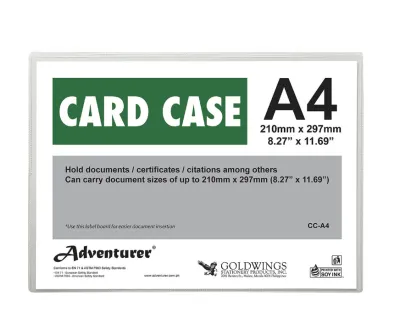
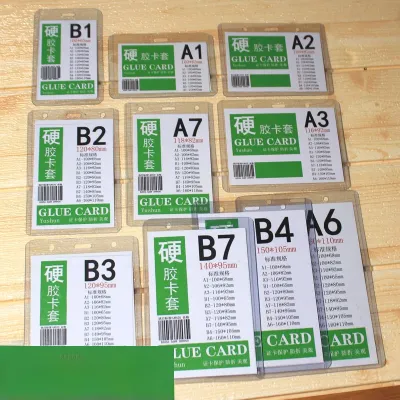
Prices are valid at publication and may change. Please refer to the product page for the latest price.
Another significant advantage is the transparency of the material. Clear or semi-transparent plastic allows for instant visual identification of the document inside. You do not need to slide a document out of its sleeve just to read a title, check a reference number, or verify a signature. This saves time during fast-paced administrative tasks and reduces the physical handling of the paper, which minimizes wear and tear.
However, it is important to understand the physical limitations of these cases. While plastic protects against splashes, dust, and light rain, it is not fireproof and is not completely waterproof if submerged. Water can still seep through the open edges of standard card cases. They are designed for structural rigidity and surface protection during daily transport and filing, rather than extreme environmental exposure.
Top Office Scenarios for an A4 Plastic Card Case
Managing Contracts and Legal Documents
In a professional corporate environment, document integrity is paramount. Signed contracts, lease agreements, and legal briefs are subject to constant handling as they move from desk to desk for review, signing, and notarization. Placing these papers inside a rigid A4 plastic card case prevents dog-eared corners, surface smudges, and accidental tears.

When transporting signed documents to off-site client meetings or government offices, a card case provides the structural support needed to keep papers flat inside a soft-sided briefcase or messenger bag. It eliminates the risk of other items, such as keys, pens, or chargers, scratching or puncturing the paper. This keeps your legal documents looking professional when presented to clients or partners.
Organizing Employee Records and ID Cards
Human resource departments handle a massive volume of physical paperwork daily. From tax clearance forms and health contributions to pre-employment medical clearances, keeping individual employee packets organized is a major logistical task. A4 plastic card cases allow HR personnel to group these onboarding packets cleanly, ensuring that no loose documents are misplaced.
Additionally, when processing bulk shipments of corporate ID cards, proximity cards, or visitor badges, these cases serve as excellent temporary sorting trays. You can place the printed ID cards alongside their corresponding clearance forms in a single transparent sleeve. To optimize your filing cabinet, you can apply color-coded adhesive tabs or edge labels to the cases, allowing administrators to retrieve specific files in seconds without digging through loose folders.
Archiving Receipts and Invoices
Accounting and finance departments must deal with the fragility of thermal paper receipts and printed invoices. Thermal ink is highly sensitive to friction, heat, and oil from hands, which often causes critical transaction details to fade over time. Storing these receipts flat inside an A4 plastic card case minimizes friction and shields them from direct light.
By keeping invoices and receipts completely flat, you also prevent them from curling at the edges, which makes scanning or manual data entry significantly easier. These cases can be stacked flat in shallow desk drawers or organized vertically in file organizers, maximizing your workspace efficiency while maintaining a clean audit trail.
Best School and Academic Uses for A4 Card Cases
Storing Certificates and Diplomas
Graduation diplomas, board exam certificates, and seminar awards are irreplaceable milestones that deserve meticulous preservation. Because these documents are often printed on heavy cardstock or textured paper, they are highly susceptible to rolling damage if kept in cardboard tubes, or creasing if stuffed into standard paper folders. A rigid A4 plastic card case keeps these certificates flat and structurally sound.
To ensure long-term preservation, it is vital to store these encased certificates in a cool, dark, and dry place, such as a dedicated filing box or drawer. Prolonged exposure to direct tropical sunlight or high UV environments can cause the plastic material to yellow and degrade, which may eventually transfer discoloration to the document inside.
Organizing Flashcards and Study Materials
For students preparing for major examinations, board reviews, or daily recitations, managing loose study aids is a constant challenge. An A4 plastic card case can serve as a highly portable, self-contained study kit. You can slide in large index cards, printed reviewers, formula sheets, and cut-out study prompts.
Because the case is slim and rigid, it slides easily into a standard school backpack alongside heavy textbooks without getting crushed or bent. Students can quickly pull out their review materials during commutes or study breaks, keeping all their notes organized in one easily accessible, transparent container.
Protecting Art Prints and Project Posters
Academic projects are not limited to text; students frequently produce visual assignments, architectural sketches, and creative art pieces. Mediums like charcoal, pastel, graphite, and wet ink are delicate and can easily smudge when stacked with other books or papers. A plastic card case provides a protective barrier that prevents physical contact with the artwork’s surface.
Before placing any creative project inside a plastic sleeve, you must verify that the medium is completely dry and cured. For charcoal or pastel drawings, applying a light coat of fixative spray and letting it dry fully is highly recommended. Once dry, sliding the artwork into the card case ensures it remains pristine from the classroom to the grading desk.
How to Organize and Maintain Your Plastic Card Cases
Maintaining a clear indexing system is key to long-term organization. Avoid writing directly on the plastic with permanent markers, as the ink can smudge, transfer to other surfaces, or permanently stain the case. Instead, use high-quality removable adhesive labels that can be peeled off cleanly when you decide to repurpose the sleeve. Alternatively, you can insert a printed or handwritten index card at the very front of the case, utilizing the transparent cover to display the title of the contents without sticking anything to the exterior.
While plastic cases are resilient, they are not designed to hold unlimited pages. Overstuffing a flat card case puts immense pressure on the heat-sealed seams and can break the snap closures or zip-lock mechanisms. As a general rule of thumb, a standard flat A4 card case is optimized for 1 to 15 sheets of standard 80gsm paper. If you need to store thicker documents, booklets, or multiple pieces of heavy cardstock, look specifically for gusseted plastic cases designed with expandable sides to accommodate the extra volume safely.
Over time, plastic cases can accumulate dust, fingerprints, and static charge. To clean them, simply wipe the exterior with a dry or slightly damp microfiber cloth. If sticky residue from old tape or labels remains, use a tiny amount of mild soapy water on the cloth. Never use harsh chemical solvents like acetone, paint thinner, or high-concentration isopropyl alcohol directly on the plastic, as these chemicals can strip the glossy finish, cause micro-cracking, or permanently cloud the transparent material.
The physical properties of plastic are highly sensitive to temperature. Avoid storing your plastic card cases near direct heat sources, such as next to office printers, near laminating machines, or on vehicle dashboards exposed to intense midday heat. Excessive heat can cause the plastic to warp, ripple, or become brittle, which compromises both the aesthetic appeal and the protective qualities of the case.
Frequently Asked Questions (FAQ)
Can an A4 plastic card case hold thick cardstock?
Yes, an A4 plastic card case can comfortably hold thick cardstock, but the total number of sheets you can insert depends entirely on the design of the case’s seams and gussets. A standard flat, rigid card case is typically designed to hold one or two thick sheets of cardstock (such as diplomas or certificates) without warping. If you attempt to force multiple sheets of heavy cardstock into a non-expandable sleeve, you risk splitting the side seams or bending the corners of your documents. For bulk cardstock storage, always opt for an expandable or gusseted plastic case.
Are plastic card cases safe for long-term archival storage?
Standard plastic card cases are excellent for everyday protection, active school filing, and medium-term office storage. However, if you are looking to preserve highly valuable historical documents, family heirlooms, or original certificates for several decades, you must exercise caution. Standard PVC (polyvinyl chloride) plastics contain plasticizers that can degrade over time, releasing acidic byproducts that can cause paper to yellow, stick to the plastic, or deteriorate. For true archival preservation, verify that the plastic case is explicitly labeled as acid-free, archival-safe, and PVC-free (typically made of high-grade polypropylene or polyester), or consult professional archival guidelines.
Community discussion
Share your experience or ask a question. Comments are reviewed before publication.