
Abaca paper is a premium, highly textured artisanal medium crafted from the robust fibers of the Musa textilis plant, a relative of the banana tree native to the Philippines. For scrapbookers, this paper offers an organic, tactile aesthetic that commercial, mass-produced cardstocks simply cannot replicate. Its visible fibers, natural earthy tones, and exceptional durability make it a favorite for memory keepers who want to add depth, dimension, and historical longevity to their layouts.
Integrating this unique material into your crafts requires an understanding of how its fibrous structure interacts with inks, adhesives, and cutting tools. By learning to select the right specifications and apply correct handling techniques, you can elevate your scrapbooking projects while ensuring your memories remain beautifully preserved for years to come.
What Is Abaca Paper?
Abaca paper is made from the leaf sheaths of the abaca plant, which is widely cultivated in tropical regions. Known historically as Manila hemp—though it is not a true hemp—the plant produces incredibly strong structural fibers. To create the paper, artisans strip these fibers, cook them to break down non-cellulose materials, and beat them into a fine pulp. This pulp is then suspended in water and lifted onto screens to form individual sheets of paper.
Products mentioned in this guide
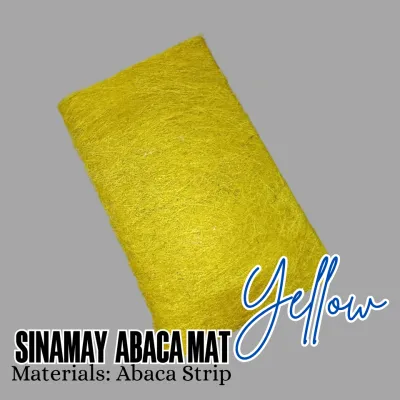
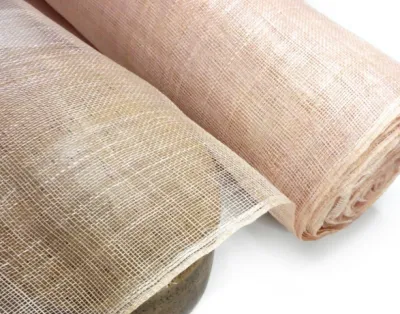
Prices are valid at publication and may change. Please refer to the product page for the latest price.
It is important to differentiate between raw abaca fiber and the processed sheets designed for stationery. Raw fiber is coarse and highly prized in industrial applications for its resistance to saltwater damage. In contrast, the processed paper used for arts and crafts undergoes a more refined beating process. This retains the beautiful, visible fiber strands while creating a flatter, more workable surface suitable for writing, layering, and stamping.
For modern scrapbookers, the eco-friendly appeal of this material is a major draw. The abaca plant is rapidly renewable, and harvesting the leaf sheaths does not kill the root system, allowing the plant to regrow quickly. Furthermore, many artisanal paper mills use traditional, low-impact manual methods rather than harsh chemical processing, making it an excellent choice for environmentally conscious crafters.
Unique Textures and Visual Appeal in Scrapbooking
The most striking feature of abaca paper is its visible, interlocking fiber strands. These natural fibers run in organic patterns across each sheet, ensuring that no two pages are ever identical. This distinctive pattern provides a beautiful, rustic backdrop that instantly adds character to any scrapbook layout.

On a tactile level, the paper offers a rough yet highly flexible texture. This organic feel provides a wonderful contrast to the smooth, uniform surfaces of standard commercial cardstock or glossy photographic prints. Running your fingers across a layout featuring abaca elements adds a sensory dimension to the experience of flipping through a memory book.
In terms of color, unbleached abaca paper naturally comes in warm, earthy tones such as cream, soft ivory, and rustic brown. These neutral shades act as excellent background mats. When you place vibrant photographs or colorful embellishments over these earthy backdrops, the colors pop dramatically without the harsh, sterile contrast of bright white paper.
Additionally, lighter weights of abaca paper possess a delicate semi-translucency. You can overlay these thin sheets over patterned papers, handwritten letters, or dried flowers. This technique softens the elements underneath, creating a beautiful layered depth and a vintage, dreamlike aesthetic on your pages.
Durability and Archival Safety for Memory Keeping
Scrapbooking is fundamentally about preserving memories for future generations, making the physical durability of your materials a critical consideration. Abaca fibers are among the longest and strongest natural plant fibers in the world. This gives the resulting paper exceptional tensile strength, high tear resistance, and excellent fold endurance compared to standard wood-pulp papers. It will not easily crack or disintegrate at the creases, even when subjected to heavy handling.
However, physical strength alone does not guarantee that your layouts will remain pristine over time. Standard wood-pulp papers contain lignin, an organic substance that degrades over time, producing acids that turn paper yellow and brittle. These acids can migrate to your photographs, causing permanent discoloration and fading.
While pure abaca fiber is naturally low in lignin, the chemical safety of the finished sheet depends entirely on how it was processed. Some handmade or artisanal papers may contain residual chemicals or acidic dyes. Therefore, you must explicitly check the product packaging or manufacturer specifications for “acid-free” and “lignin-free” certifications before allowing the paper to touch your photographs.
If you purchase unlabelled handmade abaca paper from local craft markets, you can verify its safety using a simple archival pH testing pen. Draw a small line on a scrap piece of the paper; the ink color will indicate whether the material is acidic or neutral. If the test reveals any acidity, or if the labeling remains unclear, use the abaca paper strictly as an outer decorative border, and ensure your photos are mounted on certified archival-safe cardstock first.
Practical Techniques for Using Abaca Paper
Working with a highly fibrous, handmade medium requires adjusting your typical crafting techniques. Because the paper behaves differently than standard wood-pulp sheets, mastering a few basic manipulation methods will help you get the most out of its unique properties.
Layering, Tearing, and Deckled Edges
Rather than cutting abaca paper with a straight blade, tearing it by hand yields a beautiful, feathered edge that highlights the long, natural fibers. To achieve a controlled, soft deckled edge, you can use a simple water-pen technique:
- Step 1: Fill a water-brush pen or dip a small, fine-tip paintbrush in clean water.
- Step 2: Draw a wet line along the path where you wish to tear the paper.
- Step 3: Let the water soak into the fibers for a few seconds to soften them.
- Step 4: Gently pull the paper apart along the wet line, allowing the long structural fibers to pull away naturally.
These torn strips serve as exquisite framing elements. You can place them directly beneath your photos to create a soft, organic border, or use them as textured bases for journaling spots and decorative collages.
Choosing Adhesives and Testing Inks
Because abaca paper is highly porous and absorbent, liquid craft glues can easily saturate the fibers. This often causes the paper to swell, warp, or wrinkle as it dries. To keep your layouts perfectly flat, it is best to use dry adhesives such as double-sided tape runners, acid-free glue dots, or dry adhesive sheets. If you must use wet glue, select a thick, low-water-content bookbinding PVA, apply it sparingly with a brush, and place the page under a heavy book while curing.
Inks also require a careful approach due to the paper’s absorbent nature. Liquid inks from fountain pens, gel pens, or markers can easily feather, spreading outward along the fibers and making your handwriting look blurry. Always perform a quick trial on a scrap piece of the same paper to verify the drying speed and bleed resistance of your writing tools.
For stamping designs or borders, avoid thin, water-based dye inks, which tend to soak deep into the page and lose their sharp details. Instead, use thick, pigment-based ink pads. Pigment inks sit on top of the paper fibers rather than soaking in, resulting in a much cleaner, sharper stamped image.
Limitations and Specifications to Check Before Buying
While abaca paper is a gorgeous addition to any scrapbook, it does present specific challenges that you should evaluate before making a purchase. Being aware of these limitations will help prevent crafting frustrations and protect your tools.
First, the tough, resilient fibers that give the paper its strength can quickly dull your cutting tools. Standard paper trimmers, craft scissors, and intricate die-cutting blades can struggle to slice through thick sheets, leading to snagged or frayed edges. Always ensure your cutting tools are sharp, and exercise caution when handling sharp blades to prevent injury. For intricate die-cuts, you may need to run the paper through your machine multiple times or use a metal shim to ensure a clean, complete cut.
Second, the highly textured, irregular surface of the paper is not ideal for fine-line stamping or detailed, small-font handwriting. If you plan to include extensive journaling, consider writing or printing on a smoother piece of vellum or archival paper first, then layering it over the abaca paper as a decorative accent.
Third, pay close attention to the paper weight, measured in grams per square meter (GSM), and its thickness. Heavyweight abaca papers can add significant bulk to your scrapbook. If you layer too many thick sheets, it can strain the album’s binding and prevent the book from closing properly. Opt for lightweight varieties (around 30 to 60 GSM) for delicate layering, and reserve heavier sheets (120 GSM and above) for sturdy background pages.
Finally, environmental factors can impact the storage of your supplies. In tropical, highly humid climates like the Philippines, natural fibers readily absorb moisture from the air, which can cause the sheets to curl, warp, or even develop mold over time. To prevent this, always store your unused abaca paper flat inside a sealed plastic container or a dry drawer, sandwiched between sheets of acid-free cardboard. Adding a few silica gel packets to your storage container is a simple, effective way to absorb excess moisture and keep your paper in pristine condition.
Artisanal packs of abaca paper generally range from ₱150 to ₱500 depending on the sheet count, size, and coloring methods used, making it an affordable way to add a touch of local heritage and organic beauty to your memory books.
Frequently Asked Questions (FAQ)
Is abaca paper the same as mulberry or lokta paper?
No, they are distinct materials derived from entirely different plants, though they share a similar handmade, fibrous appearance. Abaca paper is crafted from the leaf sheaths of the Musa textilis (a relative of the banana plant) and is famous for its exceptional tensile strength. Mulberry paper (often called kozo) comes from the inner bark of the mulberry bush, resulting in a softer, more fabric-like feel. Lokta paper is made from the bark of the Daphne bush native to the Himalayas, offering a slightly stiffer, more leathery texture. Because their weights, absorbency, and textures vary, you should check the specific product label to ensure it suits your project.
Can I run abaca paper through a standard inkjet printer?
It is generally not recommended to feed highly textured, thick, or handmade abaca paper directly through a standard home inkjet or laser printer. The loose surface fibers can shed during the printing process, potentially clogging delicate print heads or sticking to the rollers, which can cause paper jams or permanent printer damage. Furthermore, the highly absorbent fibers can cause the printer ink to bleed, resulting in blurry images. To incorporate printed elements, print your photos or text onto standard, printer-compatible archival paper first, then mount them onto the abaca paper as a textured background.
Community discussion
Share your experience or ask a question. Comments are reviewed before publication.