
Abaca wrapper is a natural packaging material crafted from the sturdy fibers of the abaca plant (Musa textilis), a relative of the banana family native to the Philippines. It is widely used for gift wrapping because of its distinctive rustic texture, exceptional tensile strength, and organic aesthetic. Unlike conventional wood-pulp paper or synthetic plastic wraps, abaca offers a tactile, artisanal quality that elevates gift presentation. It is highly valued by eco-conscious gift-givers who want a biodegradable, reusable, and visually striking alternative to glossy, plastic-coated wrapping papers.
In tropical climates, where natural materials are deeply integrated into local design and celebrations, abaca wrapper serves as a bridge between traditional craftsmanship and modern gift-giving. Its breathable nature and earthy tones make it a favorite for wrapping floral arrangements, native delicacies, and handcrafted items. Understanding how this unique material behaves will help you decide if it is the right choice for your next creative packaging project.
What Is Abaca Wrapper Made Of?
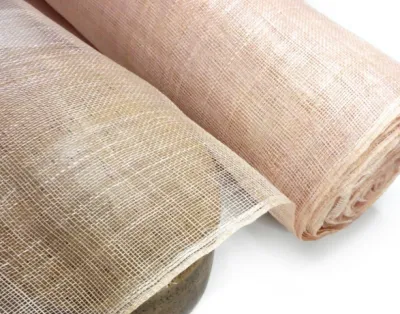
Abaca wrapping material originates from the leaf sheaths of the abaca plant. The process of harvesting and preparing these fibers is labor-intensive, requiring the stalks to be split and the pulp scraped away to isolate the long, resilient structural strands. Once cleaned and dried, these raw fibers are either woven into a loose, mesh-like fabric known as sinamay or pressed together with natural binders to form textured paper sheets and rolls. This processing method preserves the natural integrity of the plant fibers, resulting in a finished product that is incredibly robust.
Products mentioned in this guide
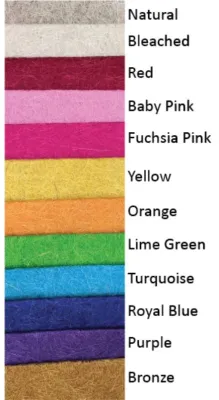
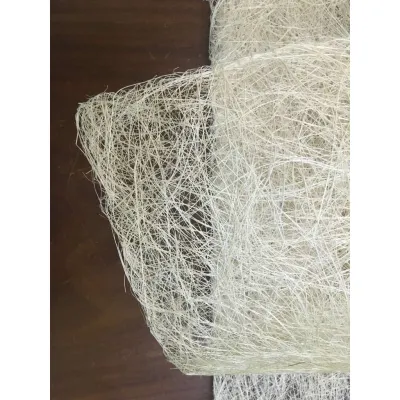
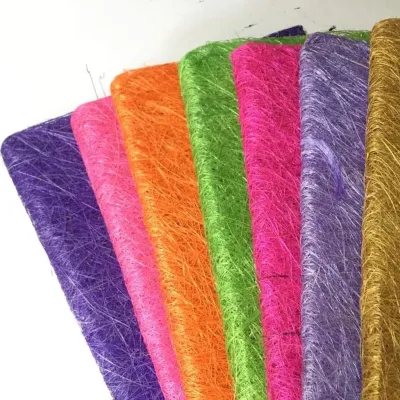
Prices are valid at publication and may change. Please refer to the product page for the latest price.
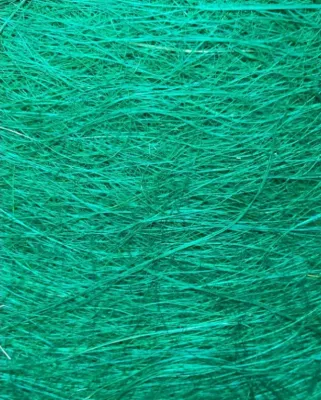
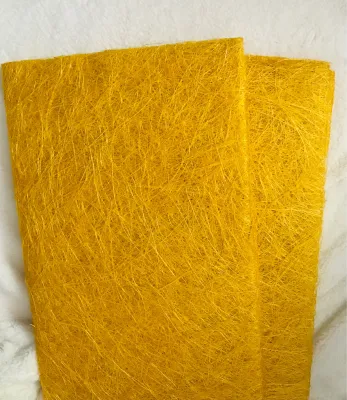
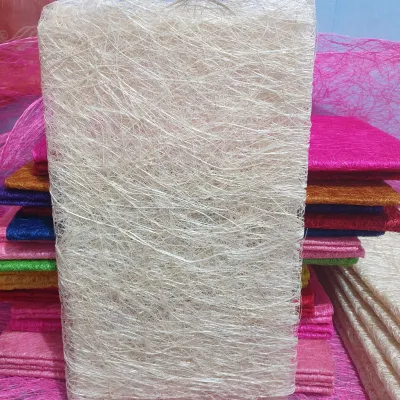
Visually, genuine abaca wrapper is characterized by its visible woven texture and organic color variations. Because it is a natural product, you will notice subtle shifts in shade, ranging from pale cream and warm beige to deep, earthy browns. The surface has a slightly coarse, fibrous feel that immediately distinguishes it from smooth, machine-made papers. These irregular fiber thicknesses and occasional natural knots are not defects; rather, they are the defining features that give the material its sought-after artisanal charm.
To ensure you are purchasing authentic abaca wrapper rather than a synthetic imitation, always verify the product specifications and labels. Genuine abaca has a distinct, faint earthy scent when exposed to light moisture and will not melt when subjected to heat, unlike polyester-based faux meshes. Look for product descriptions that explicitly state “100% abaca fiber” or detail a specific abaca-cellulose blend. Avoid relying solely on vague marketing terms like “natural eco-wrap,” which can sometimes mask synthetic additives or plastic backings.
Why Choose Abaca for Your Gift Wrapping?
One of the primary reasons gift-givers choose abaca wrapper is its outstanding environmental profile. Because it is derived from a fast-growing, renewable plant source, pure abaca is fully biodegradable and compostable. Conventional wrapping papers are often coated with plastic laminates, metallic foils, or synthetic glitters that prevent them from being recycled, forcing them into landfills. In contrast, untreated abaca breaks down naturally over time without releasing harmful chemical residues into the soil, making it an excellent choice for reducing holiday and celebratory waste.

Beyond its ecological benefits, abaca offers an unmatched aesthetic versatility that enhances a wide variety of gifting styles. Its organic, handmade appearance pairs beautifully with minimalist, rustic, or culturally significant themes. Whether you are wrapping a bottle of artisanal wine, a bundle of handmade soaps, or a delicate ceramic piece, the rich texture of abaca adds a layer of thoughtfulness and luxury. It coordinates effortlessly with other natural embellishments, such as dried tropical leaves, pressed flowers, jute twine, and wooden gift tags.
Additionally, the structural durability of abaca is far superior to that of standard wood-pulp wrapping paper. Historically prized for making marine cordage and high-strength paper due to its natural tensile strength, abaca fiber does not tear easily under tension. This makes it exceptionally reliable for wrapping heavy, bulky, or irregularly shaped items that would easily puncture thin paper. You can pull, twist, and tie the material securely around sharp corners without worrying about unsightly rips or structural failures during transit.
Handling Challenges and Material Limitations
While abaca wrapper is highly durable, its unique physical properties present specific handling challenges that differ from conventional wrapping paper. The stiff, resilient nature of natural abaca fibers means the material resists sharp, crisp creases. If you attempt to fold it using traditional origami-style wrapping techniques, you will find that the edges tend to spring back or look excessively bulky. To achieve a clean presentation, you must adapt your technique by gathering the material, creating soft pleats, or securing the folds with tight knots and external ties.
Writing and labeling directly on abaca wrapper also requires careful consideration due to its rough, porous surface. Standard gel pens, fountain pens, and fine-tip markers are highly prone to bleeding, feathering, or skipping as the ink spreads along the natural fiber pathways. If you must write directly on the material, it is essential to perform a trial test on a small scrap first to observe the drying speed and ink spread. A more reliable and professional alternative is to write your message on a smooth cardstock tag and attach it to the wrap using twine or ribbon.
Moisture sensitivity is another critical factor to keep in mind, especially in humid tropical environments. Untreated natural fibers naturally absorb moisture from the air, which can cause the wrapper to lose some of its stiffness and feel slightly limp over time. While abaca is highly resistant to water damage compared to standard paper, prolonged exposure to high humidity without proper ventilation can encourage mold growth. If you plan to transport your gifts outdoors or store them in humid conditions, ensure they are kept in a dry, well-ventilated space, or use a protective inner lining to shield moisture-sensitive gifts.
How to Decide If Abaca Suits Your Gifting Needs
To determine if abaca wrapper is the right choice for your specific project, start by matching the material to the physical characteristics of your gift. Because of its coarse texture and stiffness, abaca is ideal for sturdy items, boxed goods, and potted plants. However, if you are wrapping highly delicate items with polished, easily scratched surfaces—such as soft plastics, fine lacquerware, or unprotected wax candles—the abrasive nature of the raw fibers could cause minor surface scuffs. In these cases, always wrap the item in a protective layer of soft acid-free tissue paper before applying the outer abaca wrap.
Next, carefully evaluate the product specifications before making a purchase. Abaca wrappers are available in various formats, including solid pressed sheets, continuous rolls, and loose-weave meshes (sinamay). Check the dimensions and thickness indicators (often specified in grams per square meter, or GSM, for pressed papers) to ensure the material is thick enough to provide adequate coverage without being too stiff to manipulate. Measuring your gift beforehand and comparing it to the roll width will help you minimize waste and ensure you have enough material to cover the item completely.
Finally, pay close attention to fiber blends and surface coatings. If your goal is strict biodegradability and a fully compostable wrap, look for pure, unbleached abaca that uses organic, water-based dyes. Some commercial variants are blended with synthetic polyester fibers to increase flexibility or are treated with glossy plastic coatings to enhance water resistance. While these blends may offer easier handling and brighter colors, they cannot be composted and do not offer the same environmental benefits as pure, natural abaca.
Frequently Asked Questions (FAQ)
Can I use standard double-sided tape on abaca paper?
Standard double-sided tape and lightweight clear stationery tapes generally fail to form a secure bond with abaca paper. The highly textured, porous, and uneven surface of the natural fibers prevents the adhesive from making full contact, causing the tape to peel away quickly under the material’s natural tension. For a secure hold, it is best to avoid tape altogether and use mechanical fastening methods. Securing the wrap with jute twine, cotton ribbons, or raffia not only holds the material firmly in place but also complements the rustic, organic aesthetic of the abaca. If an adhesive is absolutely necessary, opt for heavy-duty craft glues or hot glue guns, testing a small area first to ensure it does not bleed through the weave.
Is abaca wrapper safe for direct contact with food gifts?
Most decorative abaca wrappers available in craft and stationery stores are not certified food-grade. During the manufacturing process, the fibers may be treated with chemical stiffeners, synthetic dyes, or processing oils that are unsafe for ingestion. To ensure food safety, never allow raw or unpackaged food items to come into direct contact with the abaca wrapper. Always wrap edible gifts—such as baked goods, pastries, or artisanal chocolates—in a certified food-safe inner barrier first. Using parchment paper, food-grade cellophane, or sealed airtight containers before wrapping the exterior in abaca will keep your food fresh and completely safe from chemical contamination.

Community discussion
Share your experience or ask a question. Comments are reviewed before publication.