
Selecting the right document file organizer depends on three main variables: the volume of paper you need to store, how often you need to access individual sheets, and the physical space where the files will be kept. Choosing the wrong type of organizer can lead to cluttered desks, damaged documents, or wasted storage space, so matching the tool to your specific workflow is essential.
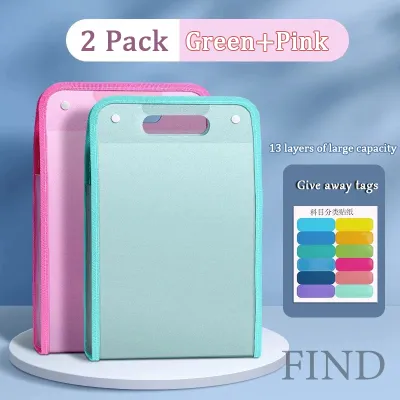
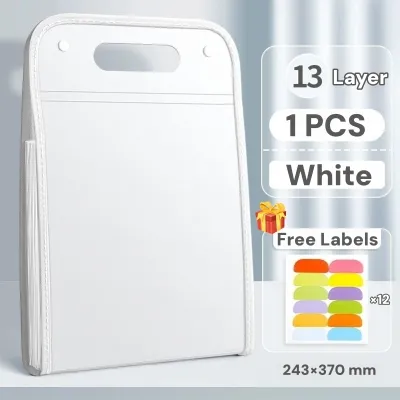
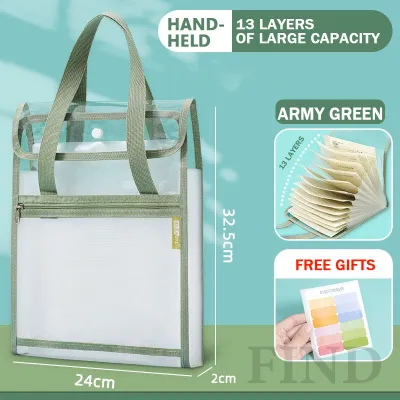
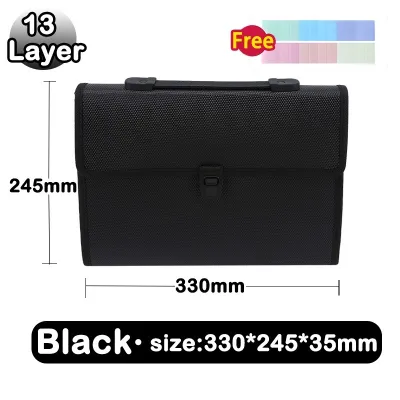
Choose an accordion folder if you need high portability, multi-category sorting in a single unit, and want to avoid hole-punching documents. It is ideal for carrying documents between home, school, or different office locations.
Choose a ring binder if you need to frequently add, remove, or rearrange individual pages, and prefer a customizable, flat-opening layout for active desk work or study sessions.
Products mentioned in this guide
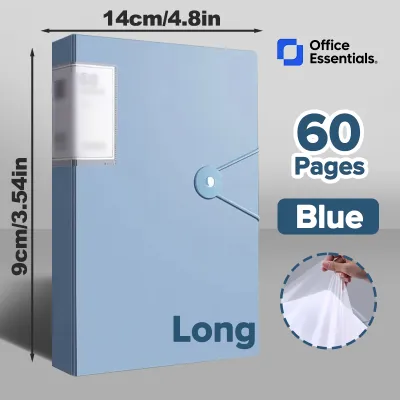
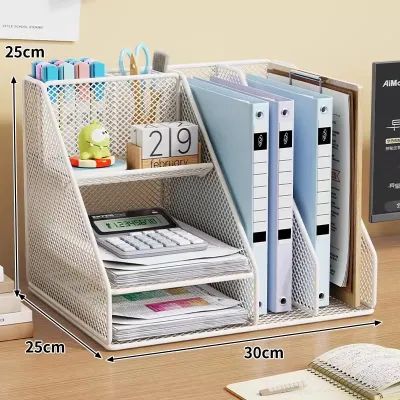
Prices are valid at publication and may change. Please refer to the product page for the latest price.
Choose a box file if you are storing high volumes of loose papers, need rigid protection for long-term archiving, and have dedicated shelf space for upright storage.
Verify first if your documents are fragile, historically significant, or unusually sized. Standard office sizes like Letter or A4 may not apply to legal-sized documents or historical deeds, which require specialized archival solutions.
How Accordion Folders, Ring Binders, and Box Files Actually Work
Accordion Folders (Expandable Pockets)
Accordion folders feature a multi-pocket, gusseted design that expands and contracts to accommodate varying paper thicknesses. The sides of the folder are folded in a fan-like pattern, allowing the unit to remain slim when empty and expand significantly as documents are added. These organizers typically feature a protective flap with a closure mechanism—such as elastic bands, snap buttons, or plastic buckles—to keep the contents secure during transit. Instead of relying on physical binding mechanisms like clips or rings, accordion folders use built-in tabbed dividers that separate the interior into distinct compartments. This design allows you to drop loose papers directly into designated slots without any preparation, making it a highly efficient system for rapid sorting on the go.
Ring Binders (Punched Pages)
Ring binders utilize a spine-mounted metal or plastic ring mechanism to secure documents along their margins. To use a ring binder, papers must either be punched with holes matching the ring spacing or inserted into plastic sheet protectors. The binding mechanism is typically opened by pulling the rings apart or pressing levers at either end of the spine. Ring binders come in various ring shapes, most notably O-rings, which are mounted directly to the spine, and D-rings, which are mounted to the back cover. The spine width of the binder dictates its maximum paper capacity, and users must rely on a separate hole puncher to prepare their documents. To keep contents organized, binders are frequently paired with custom-printed index dividers, allowing for highly structured, book-like navigation of active documents.
Box Files (Rigid Archival Storage)
Box files consist of a rigid, three-dimensional box structure with a hinged lid and a front clasp, metal lock, or internal spring clip. Unlike folders and binders, which are designed to hold papers in a bound or semi-bound state, box files are built to store loose, unpunched documents flat in a single deep stack. They are manufactured from heavy-duty cardboard, paperboard, or thick polypropylene plastic, providing a highly protective shell. Box files are designed to stand upright on shelves like books, often featuring a metal shoe on the bottom edge to prevent wear and a finger pull hole on the spine for easy retrieval. Because they are bulky and lack flexible components, they are primarily intended for stationary, long-term storage rather than active daily transport.
Head-to-Head Comparison: Volume, Accessibility, and Space
Document Volume and Capacity Limits
Accordion folders are best suited for moderate document volumes distributed across multiple distinct categories. A standard accordion folder with 12 to 24 pockets can comfortably hold between 150 and 500 sheets of paper, depending on the expansion limit of the gussets. However, their capacity is highly elastic but ultimately limited; overstuffing an accordion folder strains the bottom and side seams, stretches the elastic closures, and makes the internal tabs difficult to read or access.

Ring binders have a strict, non-negotiable capacity limit defined by the physical diameter of the rings and the width of the spine. A standard 1-inch binder can hold approximately 175 to 200 sheets of standard 80 gsm paper, while a heavy-duty 3-inch binder can accommodate up to 600 sheets. Attempting to force more paper into a binder than the rings can comfortably hold will cause the rings to misalign, prevent the binder from closing fully, and lead to pages catching and tearing at the punched holes during use.
Box files offer the highest raw volume capacity for loose, unpunched papers within a single unit. A standard 3-inch deep box file can easily hold a stack of 500 to 700 sheets of paper without putting stress on any binding mechanism. While they provide excellent high-volume storage, their rigid walls mean they are non-expandable; they will consume the exact same amount of shelf space whether they contain a single sheet of paper or are packed to maximum capacity. Users must always check the internal depth and height specifications to ensure compatibility with their specific paper sizes.
Accessibility and Page Retrieval
Accordion folders excel at high-level category retrieval but are highly inefficient for detailed page-level browsing. If you need to find a specific document within a pocket, you must pull out the entire stack of papers from that compartment and sort through them manually. This makes accordion folders ideal for dropping bills, receipts, or monthly statements into labeled slots, but frustrating if you need to frequently reference and edit specific pages within those categories.
Ring binders offer the absolute best accessibility for active reading, writing, and frequent page updates. Because the pages are bound along the edge, you can flip through the binder like a book, allowing you to read both sides of a page without removing it. D-ring binders are particularly superior because they allow pages to lie completely flat on the desk, reducing wear on the punched holes. Adding a new sheet, removing an outdated document, or rearranging the order of sections takes only seconds, provided you have a compatible hole punch on hand.
Box files offer relatively poor accessibility for daily, active document retrieval. Because papers are stored in a loose, horizontal stack inside the box, finding a specific page requires taking the file off the shelf, placing it flat on a desk, opening the lid, releasing the internal spring clip, and lifting out the upper layers of paper. This multi-step process makes box files highly inconvenient for documents that require frequent daily access, making them better suited for records that are consulted only occasionally.
Shelf Space and Stacking Footprint
Accordion folders are highly space-efficient when stored flat in desk drawers or stacked horizontally on shelves, especially when they are not filled to capacity. Their flexible, soft-sided construction allows them to conform to tight spaces. However, because they lack structural rigidity, they cannot stand upright on a shelf on their own; they will slide, bend, or collapse unless they are supported on both sides by heavy books or rigid organizers.
Ring binders require a significant amount of horizontal shelf space due to their bulky spine and flared covers. Because the spine of a binder is wider than the front edges of the covers, binders naturally form a wedge shape when lined up on a shelf. This creates triangular gaps of wasted space between adjacent binders. Stacking binders horizontally is highly discouraged, as the weight of the stack can warp the plastic covers and permanently damage or misalign the internal metal ring mechanisms.
Box files are designed specifically for vertical shelf storage, making them incredibly efficient for maximizing vertical space. Their perfectly rectangular, rigid box structure allows them to stand upright independently and line up flush against one another, creating a neat, uniform, and professional appearance on office shelving. However, because their dimensions are fixed, they occupy a large and unyielding footprint, making them difficult to store in shallow desk drawers or compact filing cabinets.
Document Protection and Durability
Accordion folders offer moderate protection against environmental factors like dust and light splashes when the top flap is secured. However, because the covers are typically made of flexible plastic or lightweight paperboard, they offer virtually no protection against crushing or bending. If an accordion folder is packed into a crowded backpack or briefcase, the pressure from other items can easily bend the folder and crease the documents inside.
Ring binders provide excellent physical protection for their contents thanks to their rigid front and back covers, which shield papers from bending and external impacts. However, the binding method itself introduces a structural vulnerability: the punched holes in the paper. Frequent page-turning, heavy paper weights, or rough handling can cause the paper to tear at the holes, requiring the use of adhesive reinforcing rings or plastic sheet protectors to keep the documents secure.
Box files provide the highest level of physical protection among the three organizer types. The fully enclosed, rigid box structure shields documents from crushing forces, heavy dust, moisture, and prolonged light exposure, which can cause paper to yellow and degrade. In humid tropical climates like the Philippines, standard cardboard box files can absorb moisture from the air, leading to structural sagging and mold growth. To prevent this, users should look for box files made of durable polypropylene plastic or those with moisture-resistant laminated finishes.
At-a-Glance Comparison Matrix
| Organizer Type | Best Use Case | Capacity Style | Accessibility | Storage Orientation | Key Requirement |
|---|---|---|---|---|---|
| Accordion Folder | Multi-category transport | Moderate (Expandable) | Category-level | Flat / Stacked | No hole punch needed |
| Ring Binder | Active editing & reading | Fixed (Spine width) | Page-level | Upright / Flat | Requires hole punch |
| Box File | High-volume archiving | High (Rigid depth) | Stack-level | Upright (Shelf) | Dedicated shelf space |
Matching the Organizer to Your Daily Workflow
Active Student Coursework and Portability
For students navigating busy schedules across university campuses, portability and weight are the primary considerations. An accordion folder is the ideal companion for carrying coursework for five or six different subjects in a single, lightweight unit. It slides easily into a backpack, keeps homework assignments, syllabus sheets, and handouts separated, and does not require carrying a heavy hole puncher. Conversely, while ring binders are excellent for organizing single, heavy-duty subjects that require extensive note-taking and chronological page rearrangement, carrying multiple binders can quickly make a backpack uncomfortably heavy and bulky, leading to physical strain during long commutes.
Office Project Management and Shared Files
In a dynamic office environment, project documents, client files, and reference manuals are rarely static. They require constant updates, revisions, and collaborative reviews. For these active workflows, the ring binder is the superior choice. It serves as a living document holder where pages can be seamlessly swapped out, updated, or reorganized as a project progresses. To protect frequently handled reference sheets—such as standard operating procedures, price lists, or emergency contact lists—from wear, tear, and fingerprints, offices can utilize plastic sheet protectors within the binder, ensuring the documents remain clean and legible even after heavy daily use by multiple team members.
Long-Term Archiving and High-Volume Storage
When dealing with administrative record-keeping, end-of-year financial statements, tax documents, or legal archives, the priority shifts from quick daily access to maximum protection and high-volume storage. For these scenarios, the box file is the undisputed industry standard. Instead of spending hours hole-punching hundreds of pages of financial ledgers, you can simply place them flat inside a box file, secure them with the internal compressor bar, and store them safely on a high shelf. For heavy-duty archiving, choosing box files with reinforced metal edges (metal shoes) along the bottom is highly recommended, as this prevents the cardboard from wearing down or sagging when pulled off the shelf repeatedly over the years.
What to Verify Before You Buy
- Paper Size Compatibility: Standard paper sizes vary significantly, and choosing an organizer that does not match your documents will result in bent edges or damaged files. In the Philippines, offices and schools commonly use three distinct paper standards: A4 (210 mm x 297 mm), Letter (8.5" x 11", locally known as "short bond paper"), and Folio (8.5" x 13", locally referred to as "long bond paper"). Standard US Legal size (8.5" x 14") is also frequently used for legal contracts. Always measure your documents and verify the internal dimensions of the organizer before purchasing, as a standard A4 binder or accordion folder will not accommodate long bond paper or legal documents without the edges sticking out and getting damaged.
- Hardware and Accessories: If you decide to purchase a ring binder, carefully check the ring configuration and ensure you have the matching hardware. Two-ring and three-ring binders are the most common standards, but they require compatible hole punchers to function. Ensure your office hole punch matches the spacing of the binder's rings. Additionally, inspect the ring alignment before buying; high-quality binders should have rings that meet perfectly without gaps, as misaligned rings will catch and tear your pages when you attempt to flip them.
- Material and Climate Suitability: The tropical climate of the Philippines brings high humidity and heavy rainy seasons, both of which can severely impact paper stationery and storage materials. Standard cardboard organizers are highly susceptible to absorbing atmospheric moisture, which causes them to warp, lose structural integrity, and develop mold over time. For long-term storage or daily travel, look for organizers made from durable polypropylene (PP) plastic. If you prefer cardboard box files for their rigid aesthetic, ensure they feature a laminated, plastic-coated exterior to repel moisture and protect the structural board underneath.
- Spine and Pocket Specs: Do not rely solely on product photos to estimate capacity; always read the manufacturer's specifications for spine width or pocket depth. A 1.5-inch to 2-inch spine binder is generally the sweet spot for medium-sized active projects, while a 3-inch box file is best reserved for thick, multi-year archives. For accordion folders, verify the number of pockets—typically, 12 pockets are ideal for monthly bill sorting, while 24 pockets are better suited for high-volume alphabetical or project-based filing.
Frequently Asked Questions (FAQ)
Can I use an accordion folder for long-term archival storage?
While accordion folders are excellent for short-term sorting and daily transport, they are not recommended for long-term archival storage. Their flexible plastic or paperboard covers do not provide adequate protection against crushing, and storing papers vertically in pockets can cause them to slump, bend, or develop permanent creases over time. For preserving documents over several years, rigid box files or dedicated heavy-duty archive boxes are far superior.
Do D-ring binders hold more paper than O-ring binders?
Yes, D-ring binders generally hold up to 20% to 30% more paper than standard O-ring binders of the same spine width. Because the D-ring is mounted on the back cover rather than the spine, the pages stack vertically on a straight, flat edge. This design allows pages to lie completely flat and prevents them from curling or tearing around the ring curve, maximizing the usable space inside the binder.
How do I prevent box files from warping in humid climates?
To prevent box files from warping or growing mold in humid tropical climates, store them in well-ventilated rooms, ideally with air conditioning or a dehumidifier. Avoid placing them directly on concrete floors or pushing them flush against exterior walls, as these areas tend to trap moisture. Choosing box files made of water-resistant polypropylene or those with laminated, plastic-coated covers will also significantly extend their lifespan.
Community discussion
Share your experience or ask a question. Comments are reviewed before publication.