
Restoring a worn-out sofa requires choosing a coating that can withstand constant flexing, stretching, and daily friction. Specialized leather paint is generally the only viable option for flexible, high-use upholstery because it is formulated with built-in plasticizers that allow the dried film to bend with the material. Standard craft acrylic paint, while highly accessible and affordable, lacks this essential flexibility; it dries into a rigid plastic film that will inevitably crack, flake, and peel when sat upon. Standard acrylics should only be considered if you are painting rigid, non-flexing decorative wooden frames, or if you plan to mix them with a dedicated fabric or leather medium. Ultimately, a successful restoration depends on identifying your sofa’s exact material and executing meticulous surface preparation to ensure proper adhesion.
Core Formulation Differences: Flexibility and Adhesion
To understand why these two paint types perform so differently on furniture, it is necessary to look at their chemical binders. Both standard craft acrylics and specialized leather paints utilize acrylic polymer resins as their primary binder. However, the specific formulation of these resins determines how the paint behaves once cured. Standard acrylic paint is designed to dry into a stable, semi-rigid structure that holds its shape on stable surfaces like paper, canvas, or wood. When applied to a flexible surface like a sofa cushion, this rigid film cannot stretch when weight is applied, leading to immediate structural failure of the paint layer.
In contrast, specialized leather paints are engineered with highly flexible acrylic resins and integrated plasticizers. Plasticizers are chemical additives that remain within the cured paint film, keeping the polymer chains mobile and pliable. This allows the paint to stretch, compress, and twist alongside the leather fibers or synthetic backing without losing its bond. In tropical climates like the Philippines, where high humidity can affect how coatings cure, these specialized formulations ensure that the paint remains stable and does not become overly brittle during cooler, dry periods or excessively soft during wet seasons.
Products mentioned in this guide
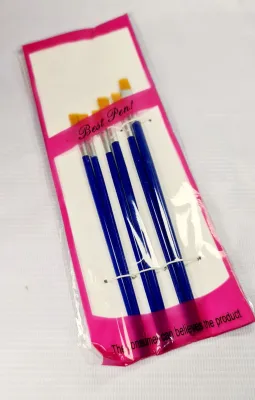
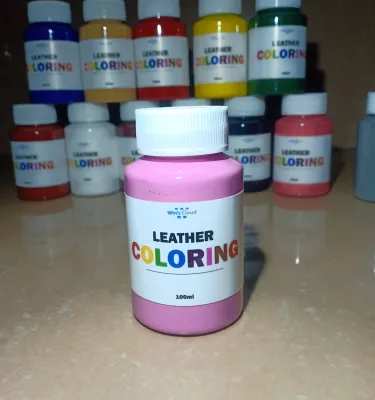
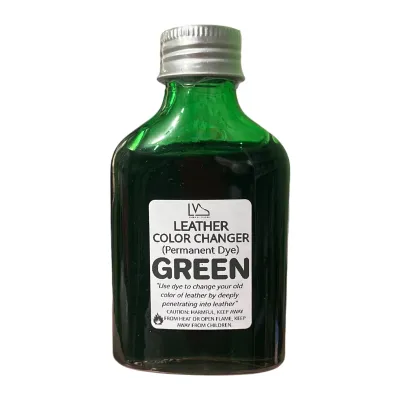
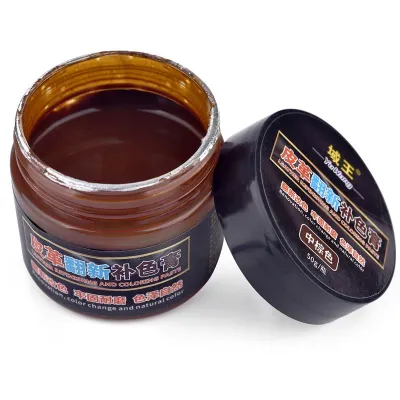
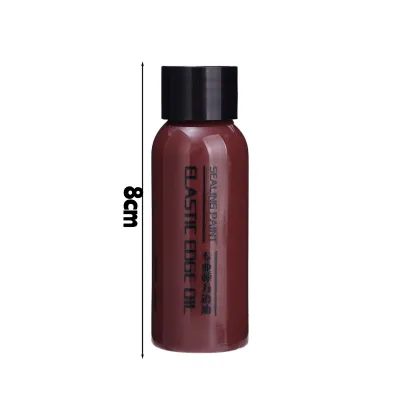
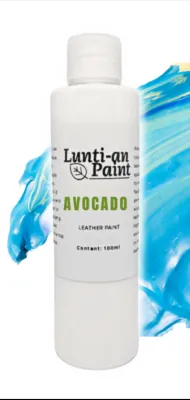
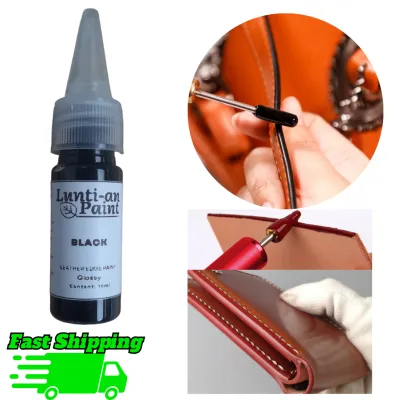
Prices are valid at publication and may change. Please refer to the product page for the latest price.
Adhesion mechanisms also differ significantly between the two. Standard acrylics rely primarily on mechanical adhesion, clinging to the microscopic texture of porous surfaces. Specialized leather coatings are formulated to chemically bond with the surface, often biting into the top layers of the leather or synthetic substrate. This chemical affinity prevents the paint from peeling off in large sheets when subjected to the shear forces of someone sitting down or sliding across the cushions.
Material Compatibility: Identifying Your Sofa Surface
Before purchasing any painting supplies, you must accurately identify the material covering your sofa. Genuine leather, synthetic alternatives like polyurethane (PU) or polyvinyl chloride (PVC), and woven fabrics all interact differently with liquid coatings. Genuine leather is a natural, porous material that absorbs moisture and oils, meaning it provides excellent mechanical grip for compatible paints. However, it is also highly reactive to humidity and temperature changes, expanding and contracting throughout the day.

Synthetic leathers, often referred to as faux leather or pleather, present a different challenge. PU and PVC are essentially plastic coatings applied over a fabric backing. They are completely non-porous, meaning paint cannot soak into the material. Instead, the paint must rely entirely on surface adhesion. If the synthetic layer is already dry, brittle, or actively flaking, applying paint will not save it; the paint will simply peel away along with the failing synthetic topcoat.
Additionally, pay close attention to the stitching and seams. Sofa seams are often sewn with nylon or polyester threads, which do not absorb paint in the same manner as natural leather. These synthetic threads require a highly adhesive coating to prevent the paint from pooling or flaking off the stitching over time.
To determine your sofa’s material, check the manufacturer’s care tags, which are usually located under the cushions or along the bottom frame. If tags are missing, perform a simple water droplet test on an inconspicuous area. A drop of water placed on genuine leather will slowly absorb and darken the spot, whereas it will bead up and slide off synthetic leather. Always perform a hidden spot test with your chosen paint on the back or underside of the sofa to verify that the coating adheres properly and does not cause the material to stiffen or discolor before committing to the entire piece.
Durability Expectations: Cracking, Peeling, and Daily Wear
A painted sofa must endure a harsh environment of physical friction, body heat, and environmental moisture. In tropical climates, high humidity and ambient heat can make painted surfaces feel sticky or tacky if the wrong product is used. This tackiness is a common failure point for standard craft acrylics, which can soften under body heat and stick to skin or clothing. When evaluating a paint’s durability, look closely at the manufacturer’s labels for explicit mentions of bending resistance, elongation percentages, or upholstery suitability.
Daily wear introduces body oils, sweat, and friction from clothing, all of which act as natural solvents that can break down weak paint films over time. Standard craft acrylics are highly susceptible to these elements; they can soften when exposed to sweat and rub off onto clothing. Specialized leather paints are formulated to resist these organic compounds, maintaining their structural integrity even under heavy daily use.
Furthermore, routine cleaning can quickly degrade an unprotected paint job. While specialized leather paint is inherently more water-resistant than standard craft paint, both require a compatible, flexible sealer or topcoat to survive long-term wiping and dusting. This sealer acts as a sacrificial barrier, absorbing the friction of daily use and protecting the pigment layer beneath. Using a rigid varnish or standard craft sealer over flexible paint will ruin the project, as the topcoat will crack and pull the paint layer up with it.
The Decision Framework: Which Paint Fits Your Project?
Choosing the right paint requires balancing your budget, the sofa’s current condition, and how the furniture is used. Use the following guidelines to make your decision:
Choose specialized leather paint if:
- The sofa is made of genuine leather or high-quality, intact synthetic leather (PU/PVC).
- The painted surface will experience direct, daily physical contact, such as seat cushions, armrests, and backrests.
- You require a long-lasting finish that resists cracking, peeling, and color transfer onto clothing.
- You are willing to invest in the necessary preparation chemicals and flexible topcoats—which typically cost between ₱1,500 and ₱3,000 for a complete restoration kit—to ensure a professional-grade bond.
Choose standard acrylic paint if:
- You are painting rigid, non-flexing decorative elements, such as wooden legs, carved trim, or plastic structural frames.
- The sofa is purely decorative and will not be sat upon or subjected to regular friction.
- You are mixing the acrylic paint with a manufacturer-approved flexible fabric or leather medium, strictly adhering to the recommended mixing ratios and curing instructions.
Neither option may fit if:
- The sofa is upholstered in non-porous, silicone-treated materials that repel all water-based coatings.
- The synthetic leather is already heavily peeling, flaking, or crumbling, as the paint cannot restore the degraded backing material.
- The underlying foam cushions are structurally degraded, saggy, or bottomed out, which causes extreme folding that exceeds the physical limits of any flexible paint.
Crucial Preparation and Application Rules
The secret to a successful sofa painting project lies almost entirely in the preparation phase. Even the highest-quality specialized leather paint will fail to adhere if applied over dirt, body oils, or factory protective waxes. Begin by thoroughly cleaning the entire surface with a mild, residue-free soap and water solution, then allow it to dry completely.
For genuine leather and synthetic surfaces, you must use a dedicated preparer or deglazer. This chemical solvent strips away the original factory finish, opening up the pores of genuine leather or micro-etching the surface of synthetic leather to create a receptive surface for the paint. Always follow the manufacturer’s safety instructions, ensuring adequate ventilation and wearing protective gloves during this step.
To further enhance adhesion on smooth synthetic leathers, you can lightly scuff the surface using fine-grit sandpaper, such as 400 or 600 grit. This creates microscopic ridges for the paint to grip without damaging the underlying fabric backing. Be sure to wipe away all sanding dust with a damp microfiber cloth before painting.
When it comes to application, patience is key. Never attempt to cover the original color in a single, thick layer. Thick coats of paint dry unevenly, trapping moisture underneath and creating a weak, gummy film that is highly prone to peeling. Instead, apply multiple thin, even coats using a high-quality brush or sponge applicator. Allow each layer to dry completely—which may take longer in humid conditions—before applying the next. This incremental building of thin layers ensures maximum flexibility and a durable, factory-like finish.
Frequently Asked Questions (FAQ)
Can I mix standard acrylic paint with a leather medium?
Yes, you can mix standard acrylic paint with a dedicated leather or fabric medium to increase its flexibility, but the results are highly variable. These mediums work by introducing plasticizing agents into the standard paint, but they cannot fully replicate the chemical bonding properties of a dedicated leather paint. If you choose this route, strictly follow the manufacturer’s recommended mixing ratios. Always mix the two components thoroughly and perform a test application on a scrap piece of material or a hidden area of the sofa. Let it dry and cure completely, then bend and stretch the test piece to verify that the paint does not crack or flake before applying it to the main cushions.
Do I need a topcoat or sealer after painting a sofa?
Yes, applying a flexible, upholstery-grade sealer is highly recommended to protect your painted sofa from daily wear, moisture, and friction. Without a sealer, the painted surface is vulnerable to body oils, sweat, and accidental spills, which can soften the paint and cause it to rub off. Ensure that the sealer you choose is explicitly formulated for flexible surfaces like leather or vinyl. Avoid standard rigid varnishes, polyurethane wood finishes, or basic craft sealers, as they will dry hard and crack immediately when sat upon. Verify that the sealer is chemically compatible with your base paint, preferably by using products from the same manufacturer.
Community discussion
Share your experience or ask a question. Comments are reviewed before publication.