
The “best” clipboard material depends entirely on your specific filing environment, document visibility needs, and daily workflow. If you need to scan underlying documents quickly or manage color-coded files at a glance, transparent acrylic is the ideal choice. For high-volume, budget-conscious, or highly mobile tasks where drops are common, flexible plastic offers the most practical durability. Meanwhile, wood provides the rigid, professional aesthetic required for client-facing presentations and formal assessments.
In tropical climates like the Philippines, where high humidity and varied working conditions—from air-conditioned offices to warm, open-air field sites—affect how stationery behaves, choosing the right material is even more critical. A board that warps in the heat or cracks when dropped on concrete can disrupt your entire filing system. By evaluating how acrylic, plastic, and wood perform under daily pressure, you can select a tool that keeps your documents secure and your workflow seamless.
Core Material Properties and Everyday Handling
When you are working away from a desk, the physical profile of your clipboard directly dictates your writing comfort. Acrylic clipboards typically feature a thickness of 2.5mm to 3mm, providing a completely rigid, unyielding surface. This rigidity ensures that your pen glides smoothly across the paper without the board flexing under pressure, making it excellent for taking quick notes while standing. However, this solid build makes acrylic noticeably heavier than standard plastic, which can lead to hand fatigue during prolonged use.
Products mentioned in this guide
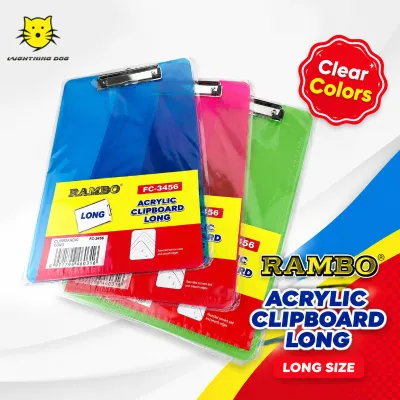
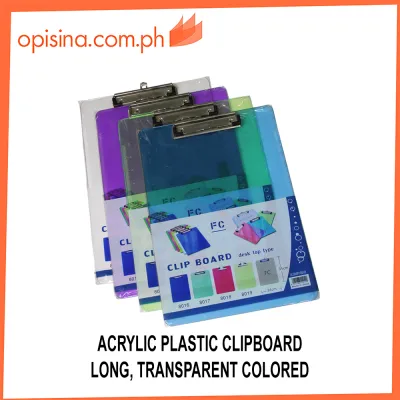
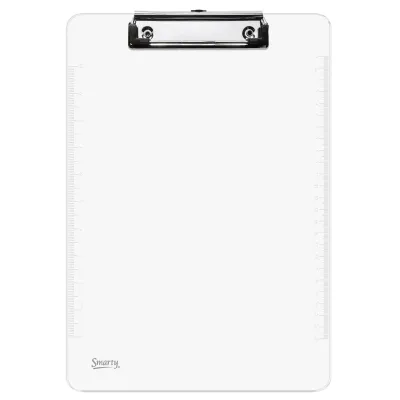
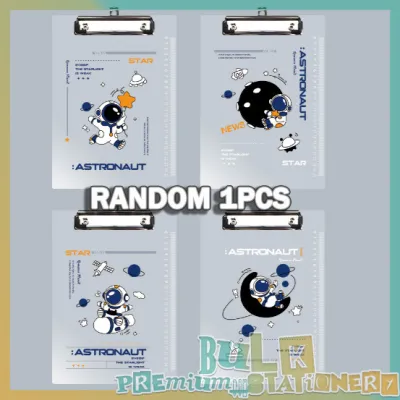
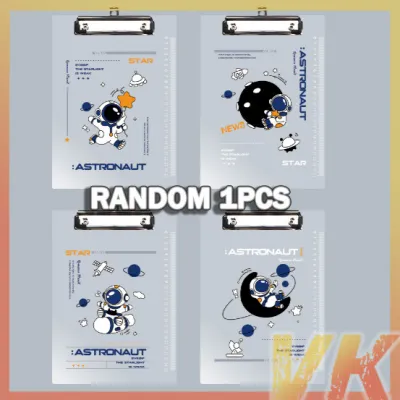
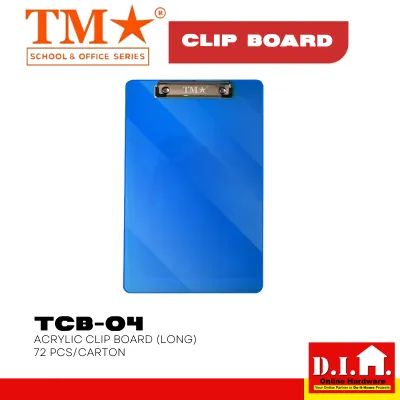
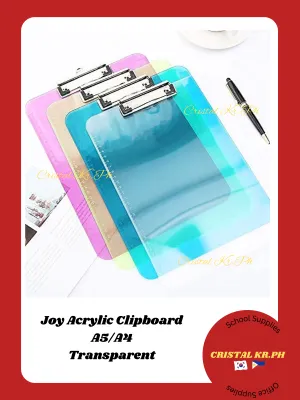
Prices are valid at publication and may change. Please refer to the product page for the latest price.
Wooden clipboards, often crafted from hardboard or MDF, offer excellent rigidity with a warm, tactile feel. They are generally thicker than acrylic and plastic, adding some bulk to your bag. While the natural texture provides a slip-resistant grip, the added weight makes them best suited for stationary tasks or brief periods of mobile writing.
Standard plastic clipboards, usually made of polypropylene, are the lightest option. Their slim profile slides easily into tight backpack compartments or filing crates. While highly portable, flexible plastic models can bend when writing without a supporting surface. If your routine involves filling out forms while standing, verify that the plastic board features reinforced ribbing on the back to prevent flexing.
Before purchasing, perform an observable check of the edges. High-quality acrylic boards should have polished, rounded corners to prevent scratching your skin or snagging fabrics. Wooden boards require a smooth, splinter-free perimeter, while plastic boards should be inspected for sharp flashing—excess molding material—that can tear paper or scratch your desk.
Durability, Scratch Resistance, and Lifespan
The lifespan of your clipboard depends on how it handles physical impacts. Acrylic is durable but brittle compared to flexible plastics. If an acrylic board slips and hits a hard tile or concrete floor, it runs a high risk of chipping or cracking. This makes it less ideal for rugged industrial environments or active classrooms where accidental drops are frequent.

Standard plastic clipboards excel in impact resistance because of their elasticity. When dropped, a polypropylene board typically bounces without sustaining structural damage. However, repeated bending can cause the plastic to develop white stress marks, eventually leading to a snap. Over time, cheaper plastics can also become brittle when exposed to direct sunlight, shortening their service life.
Wooden clipboards offer excellent structural integrity. A drop might dent the corners or chip the sealant, but it rarely results in a catastrophic break. The primary vulnerability of wood lies in its response to moisture and physical abrasion; unsealed edges can splinter over time, especially if the board is frequently shoved into metal filing cabinets.
Surface aesthetics also degrade differently. Acrylic is highly susceptible to micro-scratches from dust and sliding paper clips, which can gradually cloud its clear finish. Wood is much more forgiving, as its natural grain easily hides minor abrasions. Plastic clipboards with a textured or matte finish resist visible scratching well, whereas glossy plastic models show wear quickly.
To ensure long-term reliability, routinely inspect your clipboards. Examine the area surrounding the metal clip rivets, where stress fractures typically develop first. Check the corners for hairline cracks in acrylic, splintering in wood, and deep creases in plastic. If you notice structural compromise around the clip mount, replace the board to prevent the spring-loaded mechanism from snapping loose.
Filing Efficiency and Document Organization
In a busy filing system, retrieval speed directly impacts productivity. Transparent acrylic clipboards offer a unique functional advantage: because you can see through the board, you can easily read the bottom sheet of a stack or identify color-coded divider tabs underneath without unclipping the paper. This transparency is incredibly useful for keeping reference guides or schedules visible on the back while working on active documents on the front.
Opaque materials like wood and standard plastic lack this visual shortcut. When using these boards, you must rely on the top sheet for identification or implement external labeling systems like sticky notes or color-coded clips. While some plastic clipboards are semi-translucent, they rarely offer the crystal-clear readability of high-grade acrylic, meaning you still have to lift pages to verify underlying details.
The physical thickness of the board also influences how it interacts with standard filing systems and clip mechanisms. Acrylic and wooden boards, being thicker, take up more physical space in a filing drawer or hanging organizer. If you need to store multiple loaded clipboards side-by-side, slim plastic boards are much more space-efficient.
Furthermore, match your document volume to the clipboard’s clip design and material rigidity. Heavy-duty wire clips with rubber corner grips are excellent for holding thick stacks of paper on rigid wood or acrylic boards, as the board will not bow under tension. Low-profile spring clips are ideal for stacking multiple clipboards together, but when paired with a flexible plastic board, a heavy stack of paper can cause the board to sag. Always verify that the clip’s spring tension matches the backing material’s rigidity to prevent papers from slipping out.
Aesthetics and Professional Presentation
The visual appeal of your stationery speaks volumes about your professional standards. Wooden clipboards carry a classic, warm aesthetic suitable for client-facing roles, upscale hospitality, and formal assessments. The organic texture of wood conveys stability and traditional professionalism, helping to establish a polished impression during face-to-face interactions.
Acrylic clipboards deliver a sleek, minimalist aesthetic that fits perfectly in contemporary offices, clinics, and design studios. Their glass-like clarity creates an open, uncluttered look on a desk, making the workspace feel more spacious. If your office design prioritizes clean lines and bright lighting, acrylic boards complement this environment beautifully while keeping the focus entirely on your documents.
Standard plastic clipboards are the ultimate utilitarian choice, prioritizing function and cost-effectiveness. Available in vibrant colors, they are excellent for color-coding different departments, school grade levels, or project stages. While they do not project a high-end image, their practical, no-nonsense appearance is perfectly suited for high-volume administrative tasks, student use, and active field operations.
Decision Framework: Choosing Your Ideal Clipboard
Use this structured framework to match your specific filing environment to the right clipboard material:
- Choose Acrylic if: You work in a modern office or clinic where visual organization is key. It is ideal if you need to see underlying documents at a glance, prefer a minimalist desk aesthetic, and do not expect the board to undergo frequent drops onto hard floors.
- Choose Plastic if: You manage high-volume filing, school activities, or active field operations. Plastic is ideal if you need a lightweight, budget-friendly, and impact-resistant tool that survives accidental drops and fits easily into crowded bags.
- Choose Wood if: You require a highly rigid writing surface for client-facing meetings or traditional professional settings. Wood is perfect when you want to project a premium, warm image while ensuring your writing surface remains completely stable without a desk.
- Verify first if: Before purchasing, check that the clipboard's dimensions match your standard paper sizes. In the Philippines, offices frequently use both A4 and Letter (short) or Legal (long) bond paper; ensure the board provides adequate margin space to prevent document edges from hanging over and getting damaged. Additionally, verify if the clip mechanism includes a retractable hanging loop for wall storage, and check that the clip's gripping power is rated for your typical page capacity.
Frequently Asked Questions (FAQ)
How do I clean and maintain an acrylic clipboard without scratching it?
To keep your acrylic clipboard crystal clear, clean it using a soft microfiber cloth dampened with mild soapy water. Gently wipe the surface in a circular motion to remove dust and fingerprints. Never use abrasive sponges, paper towels, or dry cloths, as their fibers can create permanent micro-scratches. Additionally, avoid harsh chemical cleaners, alcohol-based sanitizers, or window sprays, which can cause the acrylic to cloud, yellow, or develop tiny surface cracks over time.
Can wooden clipboards be used in humid environments?
Wooden clipboards can struggle in highly humid environments, such as un-airconditioned offices or outdoor field sites in tropical climates like the Philippines. If the wood is untreated or poorly sealed, it absorbs moisture from the air, causing the fibers to swell, warp, or develop mold. To prevent this, verify that the board has a protective lacquer or polyurethane sealant. Always store wooden clipboards flat in a dry, well-ventilated area when not in use, and avoid leaving them in damp bags.

Community discussion
Share your experience or ask a question. Comments are reviewed before publication.