
Quick Answer: The Best Paint Medium for Fabric Caps
When selecting the ideal paint color for cap customization, acrylic paint—specifically when mixed with a dedicated fabric medium—is the only practical and durable choice among the three main mediums. Acrylic polymer binders are highly adaptable, and when modified with a textile medium, they form a flexible, water-resistant bond with fabric fibers that can withstand the physical demands of headwear.
In contrast, watercolor is entirely unsuitable for wearable fabric caps. Because watercolor lacks a permanent binder, the pigment merely sits loosely on the fabric surface and will instantly bleed, smear, or wash away when exposed to rain, humidity, or sweat.
Similarly, oil paint is highly impractical and structurally unsafe for wearable items. The oil binder separates from the pigment, creating a permanent, greasy yellow halo around your design on the fabric. Furthermore, oil paint requires weeks to cure—especially in humid tropical climates—and necessitates the use of volatile, toxic solvents like turpentine or mineral spirits, which should never be worn close to the face, eyes, and skin.
Products mentioned in this guide
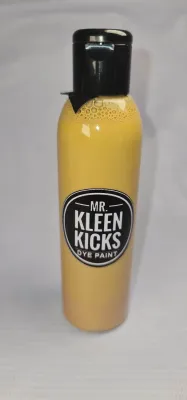
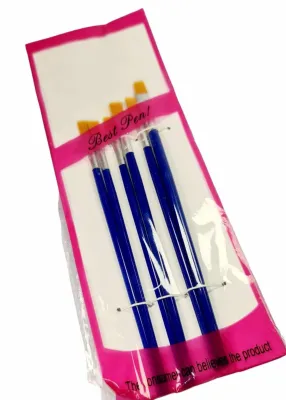
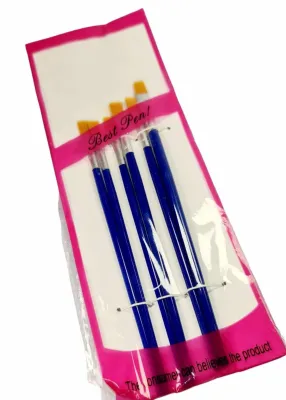
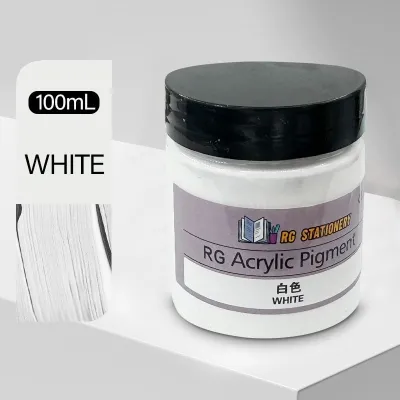
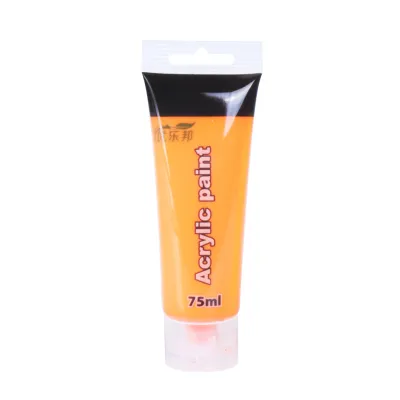
Prices are valid at publication and may change. Please refer to the product page for the latest price.
How Each Paint Medium Behaves on Fabric
Fabric caps, whether made from cotton twill, heavy canvas, or synthetic polyester blends, present a unique challenge for artists. Unlike flat, rigid canvases, caps are highly flexible, subject to constant handling, and exposed to environmental elements like intense sunlight, heat, and moisture. The key to a successful paint color for cap project lies in how the paint’s binder interacts with these woven textile fibers.

Different paint mediums utilize distinct binders to hold their pigments in place. When applied to a flexible, curved surface like a cap crown, these binders behave in vastly different ways, determining whether your artwork remains vibrant and intact or cracks and washes away after a single wear.
Acrylic Paint: Durable but Requires a Textile Medium
Standard acrylic paint is a water-based medium that utilizes an acrylic polymer emulsion as its binder. When the water evaporates, these polymer chemical chains cross-link to form a tough, water-resistant plastic film that adheres exceptionally well to a wide variety of surfaces, including woven fabric fibers.
However, standard artist acrylic paint dries to a relatively rigid, non-porous finish. When applied directly to a flexible fabric cap, this stiffness becomes a major drawback; as the cap is stretched, bent, or adjusted to fit the wearer’s head, the rigid acrylic layer cannot flex with the underlying fabric threads, leading to unsightly cracking, peeling, and flaking over time.
To overcome this limitation, you must mix standard acrylic paint with a dedicated textile or fabric medium, which is widely available in art stores across the Philippines for approximately ₱150 to ₱500 per bottle. This medium is a specialized liquid acrylic polymer containing plasticizers that, when blended with standard acrylic paint, significantly lower the glass transition temperature of the dried film, keeping it highly flexible and soft to the touch.
Alternatively, you can purchase pre-mixed fabric paints, which already contain these flexible binders. Both options ensure that the paint penetrates deep into the fabric weave, locking the pigment in place while allowing the fabric to bend naturally without cracking. Acrylics also offer the benefit of rapid drying times and simple cleanup using only soap and warm water.
Watercolor: Temporary and Prone to Bleeding
Watercolor paints consist of finely ground pigments bound together by gum arabic, a natural, water-soluble binder. While gum arabic is excellent for allowing pigments to flow smoothly across paper, it does not form a permanent, water-resistant chemical bond with fabric fibers.
When you apply watercolor to a fabric cap, the paint behaves unpredictably due to capillary action. The highly diluted liquid quickly wicks along the woven threads of the canvas or cotton, causing the design to bleed, feather, and lose all sharp edges, making precise detail work virtually impossible unless the fabric has been heavily sized or treated.
More importantly, because gum arabic remains permanently soluble in water, the dried watercolor paint is highly unstable. The moment the cap is exposed to moisture—whether from a sudden tropical rain shower or the natural sweat generated while wearing the cap in hot weather—the binder reactivates, causing the pigment to run, smear, and stain the wearer’s forehead, hair, and clothing.
Because of these severe limitations, watercolor should only be used on fabric caps if you are creating a temporary, non-wearable display piece, or if you are deliberately seeking a messy, tie-dye style bleed effect that will never be washed or worn outdoors.
Oil Paint: Impractical and Unsafe for Wearables
Oil paint is formulated with pigments suspended in a drying oil binder, most commonly linseed oil, safflower oil, or walnut oil. While oil paint is celebrated for its rich blending capabilities on traditional canvas, its chemical structure makes it highly destructive and impractical when applied directly to unprimed fabric caps.
When oil paint is brushed onto raw fabric, a phenomenon known as the “halo effect” occurs. The liquid oil binder separates from the pigment particles and migrates outward into the surrounding dry fabric fibers, leaving a permanent, translucent, greasy yellow stain that ruins the clean look of the cap.
Furthermore, oil paint does not dry through simple water evaporation; instead, it cures slowly over time through a complex process of chemical oxidation. In the high humidity of the Philippines, this curing process is severely retarded, meaning a painted design can remain tacky and wet to the touch for weeks, making the cap completely unwearable and highly prone to smudging.
Most critically, oil painting relies on volatile organic solvents, such as turpentine, odorless mineral spirits, or paint thinners, for dilution and brush cleanup. These solvents release hazardous fumes that can linger within the thick, porous fabric fibers of a cap long after the paint appears dry, posing significant inhalation and skin irritation risks when worn directly against the forehead and face.
Comparing Adhesion, Durability, and Ease of Use: Selecting the Best Paint Color for Cap Projects
To make an informed decision for your next custom headwear project, it is helpful to directly compare how these three paint mediums perform across the core dimensions of adhesion, durability, and ease of use. Each medium presents distinct physical characteristics that impact both the application process and the long-term survival of your artwork.
Adhesion refers to how effectively the paint binder locks onto the fibers of common cap materials like cotton twill, heavy canvas, or synthetic polyester. Modified acrylics physically envelop and bond with individual threads, creating a permanent mechanical grip, whereas watercolors merely stain the fibers temporarily, and oil paints saturate them with destructive, migrating oils that can actually degrade natural fibers over time if not properly primed.
Durability evaluates how well the finished design resists friction, bending, washing, and the corrosive effects of human sweat. Only properly cured acrylic paint mixed with a fabric medium can withstand regular wear, gentle hand washing, and the friction of being put on and taken off, whereas watercolor will dissolve instantly upon contact with moisture, and oil paint remains highly susceptible to cracking and smudging due to its lack of flexibility when fully cured.
Ease of use encompasses the practical aspects of the painting process, including drying times, blending capabilities, and cleanup safety. Acrylics offer a user-friendly, non-toxic experience with quick drying times and easy soap-and-water cleanup, while watercolor offers no control over bleeding on woven fabrics, and oil paint introduces slow drying times and toxic chemical hazards that are entirely unsuitable for a casual crafting environment.
| Performance Metric | Acrylic (with Fabric Medium) | Watercolor | Oil Paint |
|---|---|---|---|
| Adhesion to Fabric | High (bonds directly to fibers) | Poor (washes away easily) | Poor (creates oily halos) |
| Flexibility & Cracking | High (bends with the fabric) | High (no film to crack) | Low (cracks over time) |
| Water & Sweat Resistance | High (permanent once heat-set) | None (dissolves instantly) | Moderate (but degrades fibers) |
| Drying & Curing Time | Fast (dry to touch in 1–2 hours) | Fast (dry in minutes) | Extremely Slow (weeks to months) |
| Cleanup & Safety | Easy (soap & water; non-toxic) | Easy (water; non-toxic) | Difficult (requires toxic solvents) |
How to Successfully Paint a Fabric Cap Using Acrylics
If you want to create a vibrant, long-lasting custom design, utilizing acrylic paint blended with a textile medium is the most reliable method. Following a structured application and curing process will ensure your custom paint color for cap project looks professional and resists cracking or fading over time.
First, prepare the cap to ensure optimal paint adhesion and prevent accidental mess. Use a lint roller to remove any loose dust, fibers, or debris from the fabric surface; if the cap is brand new, consider hand washing it gently without fabric softener to remove any manufacturing starches or sizing that might repel the paint. Next, insert a firm physical barrier, such as a piece of thick cardboard, a plastic container, or crumpled aluminum foil wrapped in wax paper, tightly inside the cap crown. This barrier serves two critical purposes: it stretches the fabric slightly to provide a smooth, stable painting surface, and it prevents the wet paint from bleeding through the outer fabric to the inner sweatband or the back panels of the cap.
Second, prepare your paint mixture by combining your chosen acrylic paint colors with a high-quality fabric medium. Follow the manufacturer’s recommended ratio, which is typically one part fabric medium to two parts acrylic paint (1:2 ratio), or a balanced one-to-one (1:1) ratio for thinner applications. Stir the mixture thoroughly on your palette until the medium is completely integrated with the pigment; this step is vital, as any unmixed pockets of standard acrylic will dry stiff and remain prone to cracking. If you prefer a simpler approach, you can purchase pre-mixed fabric paints directly, though they may offer a more limited color palette than standard artist acrylics.
Third, apply the paint using high-quality synthetic paintbrushes, such as nylon or taklon brushes, which hold their shape well and lay down acrylic smoothly without absorbing excessive water. Work in thin, even layers rather than applying a single thick, heavy coat of paint; heavy paint buildup creates a thick plastic shell that is highly susceptible to cracking, regardless of how much fabric medium you use. Allow each layer to dry completely to the touch—typically 20 to 30 minutes depending on the ambient humidity—before applying the next layer to build up opacity and vibrant color.
Fourth, once your design is complete, let the painted cap air dry completely in a dust-free environment for at least 24 to 48 hours to allow the acrylic polymers to begin their initial curing process. After this air-drying period, you must heat-set the paint to chemically lock the acrylic fibers and fabric medium together, ensuring maximum water and sweat resistance.
Before applying any heat, always check the cap’s care label and material composition to verify its heat tolerance. Many modern caps contain synthetic fibers like polyester, nylon, or acrylic blends, or feature structural elements like plastic snapbacks and plastic-stiffened brims that can easily warp, shrink, or melt under high temperatures. To safely heat-set these materials, place a clean, dry cotton pressing cloth or a clean pillowcase directly over the painted design to act as a heat barrier. Set your household iron to a low-to-medium heat setting (such as the silk or synthetic setting) with the steam function turned completely off. Gently press the iron over the pressing cloth, moving it constantly in small circular motions for 3 to 5 minutes to distribute the heat evenly without scorching the fabric or damaging the cap’s structural shape.
Frequently Asked Questions (FAQ)
Can I use regular acrylic paint on a cap without a fabric medium?
Yes, you can apply regular acrylic paint directly to a fabric cap, but it is not recommended for long-term wear. Without a fabric medium to add flexibility, the acrylic will dry into a stiff, crusty, plastic-like layer. As the cap is bent, adjusted, or stretched over your head, this rigid layer will inevitably crack, peel, and flake off, ruining your custom design after only a few uses.
Will sweat ruin my painted fabric cap?
If you use high-quality acrylic paint mixed with a fabric medium and heat-set it properly according to the manufacturer’s instructions, sweat will not ruin your design. Once fully heat-set, the acrylic polymers form a highly water-resistant, flexible bond that easily withstands sweat, high humidity, and gentle hand washing. However, if you skip the heat-setting step or use water-based paints like watercolor, sweat will cause the pigments to bleed and run.
Are fabric markers a better alternative to paint for caps?
Fabric markers and acrylic fabric paints serve different artistic purposes, and the better option depends entirely on your design goals. Fabric markers are highly convenient, offer excellent control, and are superior for drawing fine lines, intricate lettering, and detailed black ink outlines with minimal fabric stiffness. On the other hand, acrylic fabric paint is far superior for filling in large areas with opaque, vibrant color, blending smooth gradients, and achieving rich, professional-looking coverage on dark-colored caps.
Community discussion
Share your experience or ask a question. Comments are reviewed before publication.