
Painting on glass is a wonderful way to breathe new life into everyday household items, from upcycled condiment jars and plain drinking glasses to decorative window panes and festive suncatchers. In many homes, personalized glassware adds a warm, creative touch to dining tables and display cabinets. However, because glass is fundamentally different from paper or canvas, choosing the right medium is the most critical decision you will make before picking up a brush. There is no single “best” paint for glass; instead, the ideal choice depends entirely on your project’s purpose, your desired level of durability, and your painting experience.
To achieve the results you want, you must match your paint type to the item’s ultimate function. Acrylic paints are the go-to choice for durable, opaque everyday crafts that need to withstand light handling. Watercolor paints offer a temporary, highly translucent finish that mimics stained glass but washes away easily. Oil paints provide rich, blendable textures and deep pigments for advanced fine art pieces that will remain on display. Selecting the right glass painting set requires understanding how these different formulations interact with a smooth, non-porous surface and matching them to the correct curing method.
Understanding How Each Paint Interacts with Glass
Glass presents a unique challenge to artists because it is completely non-porous and exceptionally smooth. Unlike canvas, wood, or paper, glass lacks “tooth”—the microscopic texture that allows paint binders to physically grip and cling to a surface. When you apply paint to untreated glass, the liquid tends to bead up, pool, or slide around rather than laying down in a smooth, even coat. This is why thorough surface preparation is absolutely essential regardless of the paint type you select.
Products mentioned in this guide
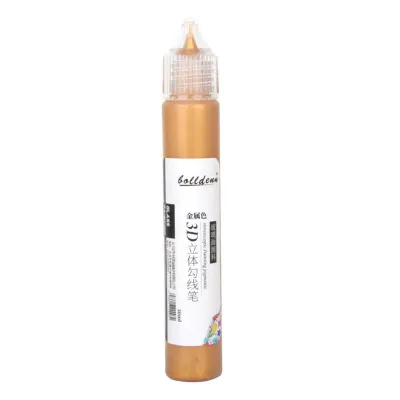
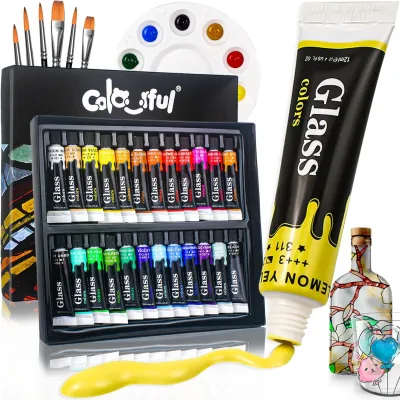
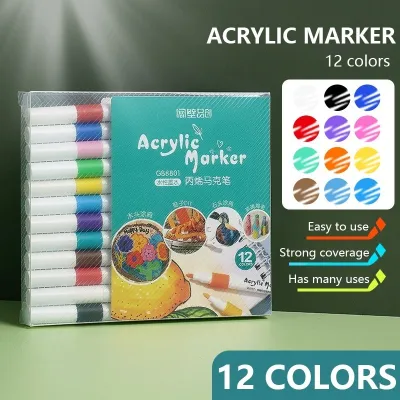
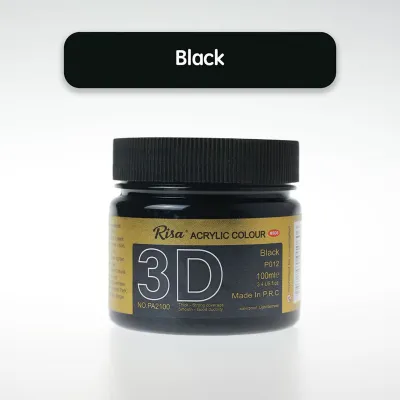
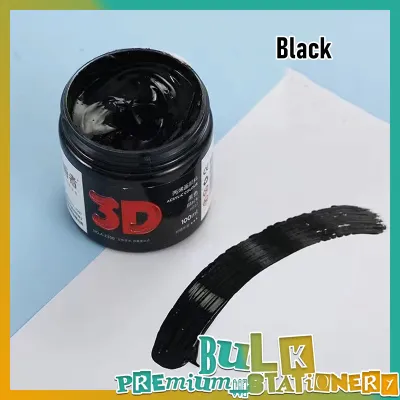
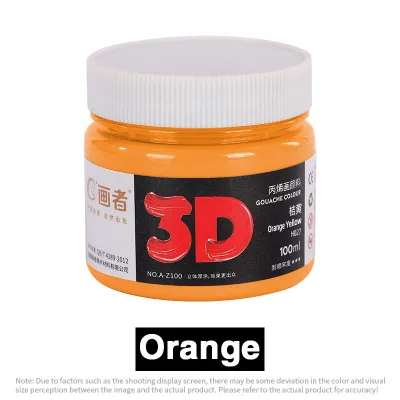
Prices are valid at publication and may change. Please refer to the product page for the latest price.
Before any pigment touches the glass, the surface must be entirely free of dust, lint, and skin oils. Wiping the glass down with rubbing alcohol or soapy water and letting it dry completely is a mandatory first step. Once clean, the paint’s longevity is determined by its curing mechanism. Air-drying relies solely on the evaporation of water or solvents, which can take several days to fully harden. Heat-setting, or baking the glass in a home oven, uses high temperatures to chemically fuse specific paint resins to the glass surface, providing excellent water resistance. For professional-grade durability, some advanced sets utilize chemical curing agents that bond without requiring heat.
Acrylic Paint for Glass: Versatility and Everyday Crafts
Acrylic paint is widely considered the most versatile and user-friendly option for glass crafting. Its fast drying time, vibrant color payoff, and easy water-based cleanup make it highly accessible for beginners, hobbyists, and family crafting sessions. Because acrylics are water-soluble when wet but water-resistant once dry, they allow you to layer colors relatively quickly without waiting days between coats.

However, standard craft acrylics do not naturally adhere to glass over the long term. If you use basic school acrylics, the dried paint film will easily scratch, peel, or bubble off when exposed to moisture or friction. To prevent this, you must select a glass painting set specifically formulated for slick surfaces. Look for labels that specify “enamel,” “glass-specific,” or “multi-surface” acrylics. These specialized formulas contain acrylic polymers designed to grip non-porous materials. For items that will be handled frequently, such as decorated mugs or vases, these paints can be baked in a standard home oven to cure the resin, making the design durable enough to survive gentle hand-washing.
Watercolor Paint for Glass: Translucency and Temporary Art
If you want to capture the delicate, glowing beauty of stained glass, watercolor paint offers a unique and ethereal aesthetic. Because watercolors are highly transparent and lack heavy, opaque binders, they allow natural light to filter beautifully through the pigment. This makes them an excellent choice for creating delicate washes, soft gradients, and light-catching designs on window panes, glass ornaments, or glass panels placed near sunny windows.
The primary characteristic of watercolor on glass is its complete lack of permanence. Watercolors do not form a chemical bond with glass and remain highly water-soluble even after they appear dry. In humid tropical climates, watercolor on glass is particularly sensitive to ambient moisture. Furthermore, condensation from a cold drink will instantly reactivate the paint, causing your design to run, smear, or wash away entirely. Because of this, watercolor should never be used on functional glassware. Instead, reserve it for temporary window art, seasonal holiday displays, photography props, or practice sessions where you want the freedom to wipe the glass clean with a damp cloth and start over.
Oil Paint for Glass: Rich Textures and Advanced Techniques
For experienced artists seeking to create detailed, fine-art masterpieces on glass, oil paint provides unmatched depth, richness, and texture. The thick, buttery consistency of oil paint allows you to employ advanced techniques like impasto, where thick brushstrokes remain visible on the surface to create a three-dimensional effect. Because oil paint dries incredibly slowly, it gives you hours—or even days—to blend colors seamlessly, correct mistakes, and work on intricate details directly on the glass.
Working with oil paint on glass requires a high level of patience and preparation. Since oil paint does not dry by evaporation but rather through a slow oxidation process, a single piece can take several weeks to fully cure. During this time, the wet paint is highly vulnerable to dust and smudging. Additionally, oil paints require specialized solvents like odorless mineral spirits or turpentine for cleanup and thinning, which demands a well-ventilated workspace. To ensure proper adhesion on a slick glass surface, you may need to apply a clear matte medium or a specialized glass primer first, as raw oil paint can slide or peel if applied too thickly to an unprepared surface.
Decision Framework: Matching Paint Types to Project Needs
To help you quickly determine which paint type is best suited for your specific creative goals, refer to the comparison table below.
| Paint Type | Opacity & Transparency | Drying Time | Durability & Washability | Skill Level | Best Use Cases |
|---|---|---|---|---|---|
| Acrylic (Enamel) | High opacity; can be layered for full coverage | Fast (minutes to hours) | High (when baked or sealed) | Beginner to Intermediate | Decorated mugs, vases, everyday glassware, and opaque crafts |
| Watercolor | High transparency; lets light pass through | Fast (evaporates quickly) | Very low (washes off easily) | Beginner | Temporary window art, seasonal displays, and practice pieces |
| Oil Paint | Variable; rich, deep pigments and textures | Very slow (days to weeks) | Moderate (requires sealant for wear) | Advanced | Fine art panels, textured decorative plates, and detailed portraits |
When choosing your medium, apply this simple decision framework:
- Choose Acrylic if you want to create durable, vibrant, and washable crafts like decorated drinking glasses, plant pots, or decorative jars that will be handled regularly.
- Choose Watercolor if you want to paint temporary, light-catching designs on windows or glass panels that can be easily wiped away and changed with the seasons.
- Choose Oil Paint if you are an experienced painter looking to create highly textured, detailed fine art on glass panels or decorative plates that will be framed or displayed safely out of reach.
Verify first: Before finalizing your paint choice, always verify how the finished glass item will be used. If the item will be washed, exposed to heat, or used to serve food, you must select a paint that is specifically labeled for those conditions. Keep in mind that no standard craft paint is certified safe for direct contact with food or lips; always leave a paint-free zone near the rim of any drinking vessel.
How to Choose the Right Glass Painting Set
When shopping for a commercial glass painting set on an online marketplace or at a local craft store, look beyond the paint tubes themselves to evaluate the overall value and utility of the kit. A high-quality set should include accessories tailored to the viscosity of the paint. For example, acrylic sets should feature durable synthetic brushes that can handle thicker paint without losing their shape, while watercolor sets should include soft, absorbent brushes designed to hold and distribute water evenly.
Additionally, check if the set includes essential preparatory or finishing products. A complete kit often provides a specialized glass cleaner, a primer to improve adhesion, or a clear topcoat sealant to protect your finished design from scratches. If you choose an acrylic enamel set, ensure it includes clear, step-by-step baking instructions so you can safely heat-cure your pieces in a home oven. Finally, always verify the safety certifications on the packaging. Look for non-toxic labels, especially if you are crafting with children, and remember to keep all painted designs on the exterior surfaces of your glassware to ensure food safety.
Frequently Asked Questions (FAQ)
Do I need to bake my painted glass to make it permanent? (FAQ)
Baking is highly recommended for glass-specific acrylics and enamel paints if you want your designs to be water-resistant and durable enough for gentle hand-washing. The baking process uses controlled heat to cure the paint resins, fusing them to the glass surface. Watercolors cannot be baked, as they lack the necessary binders and will simply dry out or discolor under heat. Oil paints must never be baked; they require a slow, natural air-curing process that can take several weeks. Always read your specific paint label carefully, as baking temperatures and times vary, and placing cold glass into a preheated oven can cause thermal shock, resulting in cracked or shattered glass.
Can I use regular craft paint instead of a specialized glass paint? (FAQ)
You can use regular craft acrylic paint on glass, but it will not form a permanent bond. Because regular craft paint is designed for porous surfaces like wood or paper, it will sit loosely on top of the glass and can easily scratch, peel, or wash away when exposed to moisture. If you must use regular craft paint for a quick project, you can improve its durability by applying a compatible glass primer before painting and sealing the finished design with a clear, water-resistant varnish. However, this method will not make the item dishwasher-safe, and it should still be kept away from food, water, and heavy handling.

Community discussion
Share your experience or ask a question. Comments are reviewed before publication.