
Choosing the right art set for kids is more than just a matter of finding a box with the most colorful packaging. It requires a thoughtful alignment between a child’s physical coordination, cognitive readiness, and the specific characteristics of the art mediums provided. A mismatched kit can quickly lead to frustration—either because the tools are too difficult for small hands to control, or because the projects fail to challenge a growing mind. By understanding how creative tools interact with developmental milestones, parents can select kits that inspire confidence and foster a lifelong love for self-expression.
When evaluating art sets, it is helpful to look beyond age labels and examine the physical properties of the supplies themselves. The weight of the paper, the thickness of the drawing instruments, the drying time of the paints, and the complexity of the instructions all play a critical role in whether a child will enjoy the creative process. In tropical climates like the Philippines, environmental factors such as high humidity also influence how materials behave, making the choice of storage and medium even more significant for maintaining the quality of the supplies.
Understanding Your Child's Creative Development Stage
Children progress through distinct artistic stages that mirror their physical and cognitive growth. In early childhood, art is primarily a physical and sensory experience. Toddlers and preschoolers use their gross motor skills, engaging their entire arm from the shoulder to make sweeping marks on a page. They are not yet focused on creating recognizable images; instead, they are exploring cause and effect, observing how a crayon leaves a trail of color or how clay changes shape when squeezed. For this stage, tools must be large, sturdy, and easy to hold with a full-fisted palmar grasp.
Products mentioned in this guide
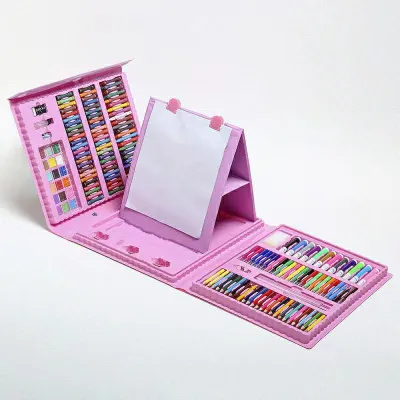
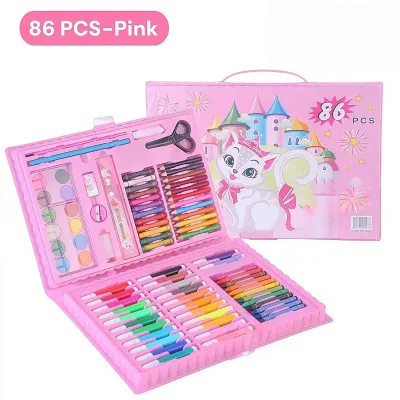
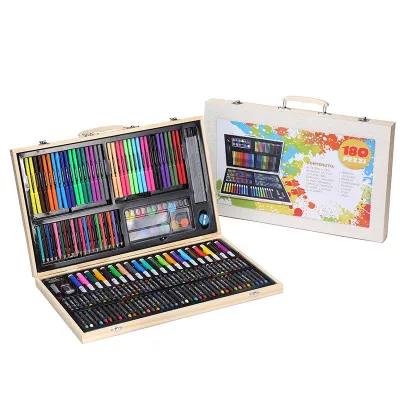
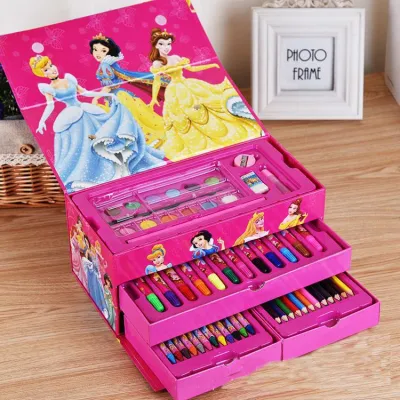
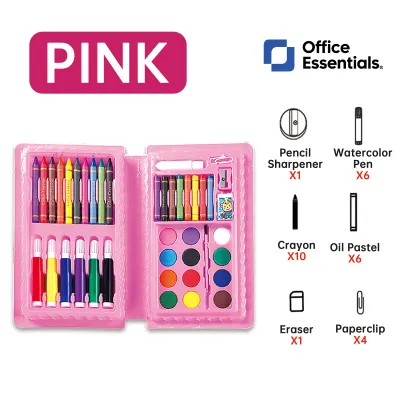
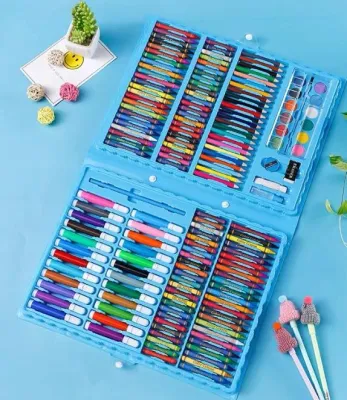

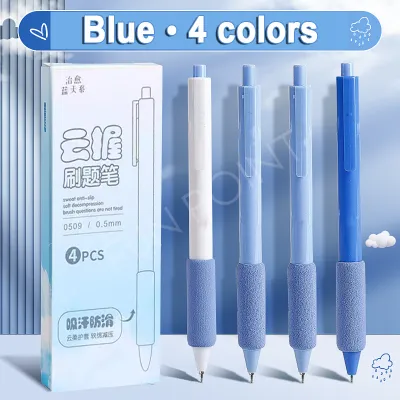
Prices are valid at publication and may change. Please refer to the product page for the latest price.
As children enter early elementary age, their fine motor skills mature, allowing them to transition to a transitional or tripod grasp. This physical shift enables them to control smaller, more precise tools like standard pencils and fine-tip brushes. Cognitively, their attention span increases, and they begin to plan their creations, moving from random scribbles to symbolic representations of houses, trees, and people. They become interested in basic color relationships and enjoy simple, structured projects that yield a clear, satisfying result without requiring hours of sustained focus.
By the time children reach late childhood, their cognitive abilities allow for abstract thinking, detailed planning, and a desire for realism. They can understand advanced concepts like perspective, light and shadow, and color theory. Physically, their hand-eye coordination is highly refined, enabling them to manipulate delicate tools, blend subtle gradients, and work on intricate details. Their tolerance for multi-step, multi-day projects increases significantly. At this stage, standard children’s art kits may feel limiting, and they will benefit from sets that introduce student-grade materials and specialized techniques.
Choosing Art Sets for Toddlers and Preschoolers (Ages 1–5)
For toddlers and preschoolers, the physical design of the art tool is the most critical factor. Standard thin crayons and pencils are difficult for tiny hands to grip and are prone to snapping under the heavy pressure young children naturally apply. Look for art sets that feature chunky, egg-shaped, or triangular crayons and markers. These ergonomic shapes naturally guide the hand into a comfortable grip while preventing the tools from rolling off low tables. Washability is another non-negotiable feature; water-based inks and ultra-washable formulas ensure that accidental marks on skin, clothing, and walls can be easily cleaned with warm water and mild soap.

Safety must be verified before introducing any art set to this age group. Because young children frequently explore materials with their mouths, all items must be certified non-toxic. Check the packaging for explicit age-grading labels, particularly warnings regarding small parts that could present a choking hazard. Avoid kits that include small caps, loose beads, or tiny decorative embellishments. Instead, prioritize sets that focus on large, solid components that are impossible to swallow.
Sensory-focused kits are highly recommended for early childhood development. Finger paints, soft modeling doughs, and large rubber stamps with washable ink pads encourage tactile exploration and strengthen hand muscles. When using finger paints in warm, humid environments, opt for thick, high-viscosity formulas that do not run too quickly off the paper. To make cleanup manageable, set up a dedicated creative area on an easy-to-clean tiled floor or protect wooden tables with a thick, reusable plastic mat. This allows children to explore the physical properties of the paint without the constraint of keeping the workspace perfectly tidy.
Selecting Art Kits for Early Elementary Kids (Ages 6–8)
As children enter school, their artistic interests shift toward representation and detail. Art sets for this age group should transition to more refined tools that support their developing fine motor skills. Standard-sized colored pencils, fine-tip washable markers, and solid watercolor pans are excellent choices. Introduce safety scissors with blunt metal blades and spring-assisted handles, which help children practice cutting shapes and building hand strength without the risk of accidental cuts.
This is the ideal stage to introduce basic color theory and skill-building exercises. Look for watercolor sets that feature a built-in mixing palette in the lid, allowing children to experiment with blending primary colors to create secondary shades. Stencil kits, simple rubbing plates, and step-by-step drawing books can provide helpful structure for children who want to draw realistic shapes but feel frustrated by their freehand limitations. These structured elements build confidence by showing them how complex drawings can be broken down into simple geometric shapes.
With more detailed tools comes the need for a more organized workspace. Early elementary kids are capable of managing slightly more complex setups, but they still need guidance to prevent messes. Teach them to prepare their workspace by laying down a protective oilcloth and setting up a stable, wide-bottomed cup of water for rinsing brushes. Introduce them to the concept of paper compatibility: standard thin coloring book paper (typically 70 to 80 GSM) will easily warp or bleed when exposed to wet watercolors or heavy marker ink. Encourage them to use thicker drawing paper or mixed-media pads (at least 150 GSM) for wet projects to ensure their hard work does not tear or buckle.
Picking Advanced Art Supplies for Older Kids (Ages 9–12)
Older children are ready to explore mediums that offer greater control, richer pigments, and professional-grade results. Consider art sets that introduce acrylic paints, sketching graphite pencils of varying hardness (ranging from hard H grades to soft, dark B grades), and dual-tip brush pens. Acrylics offer a vibrant, opaque finish that can be applied to various surfaces like canvas boards, wood, or thick paper. Sketching pencils allow them to practice realistic shading and three-dimensional rendering, while brush pens offer a dynamic line quality that is excellent for hand lettering and illustration.
Project-based kits that require sustained focus over several days are highly engaging for this age group. Detailed paint-by-numbers, clay sculpting kits that require baking or air-drying, and model painting sets match their increased patience and desire for high-quality outcomes. These projects teach planning, sequence, and attention to detail. When choosing these kits, verify that the instructions are clear and comprehensive, allowing the child to work independently without constant adult intervention.
As the complexity of the tools increases, so does the importance of proper maintenance and storage. High-quality brushes, if left unwashed or stored face-down in a cup, will quickly lose their shape and become unusable. In humid tropical climates, damp brushes stored in airtight plastic boxes can easily develop mold, which ruins the bristles and can contaminate paint pans. Teach older children to wash their brushes thoroughly with mild soap and cool water, reshape the damp bristles with their fingers, and dry them flat on a clean towel. Keep paper pads, sketchbooks, and dry mediums in a well-ventilated area, and consider adding reusable silica gel packets to their storage bins to protect paper from absorbing atmospheric moisture and yellowing over time.
Essential Safety and Material Checks Before Buying
Before purchasing any art set, it is vital to conduct a thorough safety and material check, rather than relying solely on eye-catching marketing claims. Always locate the manufacturer’s official age grading on the packaging. These ratings are determined by safety standards and developmental suitability; a kit labeled “Ages 8+” may contain sharp functional points, chemical solvents, or small parts that make it entirely unsuitable for a younger sibling, even under close supervision.
Verify recognized non-toxic certifications directly on the product packaging. In international markets, look for the AP (Approved Product) seal from the Art and Creative Materials Institute (ACMI), which certifies that the materials have been toxicologically evaluated and contain no materials in sufficient quantities to be toxic or injurious to humans. Other reliable standards include the European EN71 toy safety certification. If a budget-friendly art set lacks these clear, verifiable certification marks on its outer box, it is best to pass in favor of a certified safe alternative.
Additionally, take note of potential allergens hidden within art supplies. Some modeling clays contain wheat gluten, which can trigger reactions in children with celiac disease or severe wheat allergies. Scented markers, scratch-and-sniff stickers, and certain paints may contain synthetic fragrances or chemical binders that can cause skin irritation or respiratory discomfort in sensitive children. If your child has known allergies or sensitive skin, opt for fragrance-free, hypoallergenic kits, and always perform a small patch test on a scrap piece of paper to check for strong chemical odors before letting your child work with the materials in an enclosed room.
Frequently Asked Questions (FAQ)
How do I know if an art set is too advanced for my child?
You can identify a mismatch by observing your child’s physical comfort and emotional reactions during creative play. If a child experiences rapid hand fatigue, struggles to manipulate a tool, or exhibits signs of intense frustration, the set is likely too advanced for their current fine motor skills. Additionally, if a kit requires reading complex, multi-step instruction manuals independently, or if it includes sharp tools like utility knives or hot glue guns that require constant adult supervision, it may overwhelm their capacity for independent play. Choose kits where they can complete at least eighty percent of the steps on their own to foster a sense of creative independence.
What is the best way to store large art sets to keep them organized?
The most effective storage solutions utilize clear, compartmentalized plastic bins or portable utility tackle boxes. Clear containers allow children to see exactly what supplies are inside without having to dump the entire box onto the floor, which encourages independent cleanup. Keep wet media, such as liquid glues, acrylic paints, and ink pads, in a separate compartment away from dry paper goods, sketchbooks, and colored pencils to prevent accidental leaks from ruining paper supplies. In highly humid regions, store paper pads flat in airtight plastic containers with a few reusable desiccant packets to prevent the pages from warping, absorbing moisture, or developing musty odors.
Community discussion
Share your experience or ask a question. Comments are reviewed before publication.