
Choosing the right modeling material depends heavily on your project’s desired permanence, the user’s age, and the equipment you have available. Whether you are looking for a reusable sensory material like clay doh, a durable medium for intricate miniatures, or an accessible option for school crafts, understanding the core differences between air-dry clay, polymer clay, and play dough is essential. Each of these materials behaves differently under tropical conditions, requiring distinct handling, drying, and storage techniques to achieve successful results. By comparing their composition, curing methods, and structural limits, you can select the ideal medium for your creative goals and avoid common crafting frustrations.
Understanding Material Properties and Curing Methods
Air-dry clay is a water-based modeling material that hardens naturally through evaporation. As the water content leaves the clay, the material shrinks slightly and can warp if the drying process is uneven. In humid tropical climates, the drying time can extend significantly, sometimes taking several days for thicker pieces to cure completely. Because it relies entirely on moisture loss to achieve its final state, the resulting piece remains sensitive to water and can soften if exposed to high humidity or direct moisture.
Polymer clay is a synthetic modeling medium formulated with a polyvinyl chloride (PVC) base and liquid plasticizers. Unlike water-based options, it does not dry out when exposed to air, allowing you to work on a project over several days or weeks without the material hardening prematurely. Polymer clay remains completely pliable until it is cured using heat, typically in a dedicated home oven or toaster oven. During the baking process, the plasticizers fuse with the PVC particles to create a durable, water-resistant plastic object that retains its exact shape and size with virtually zero shrinkage.
Products mentioned in this guide
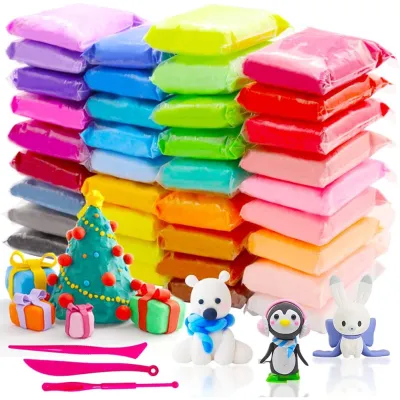
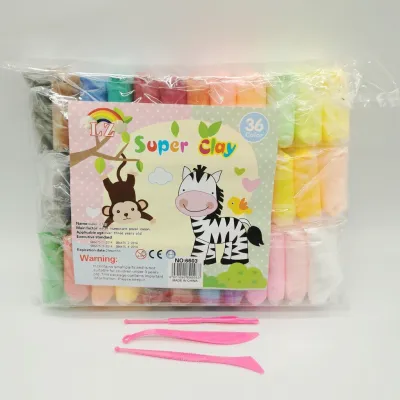
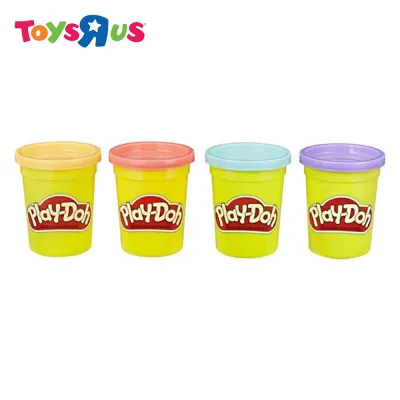
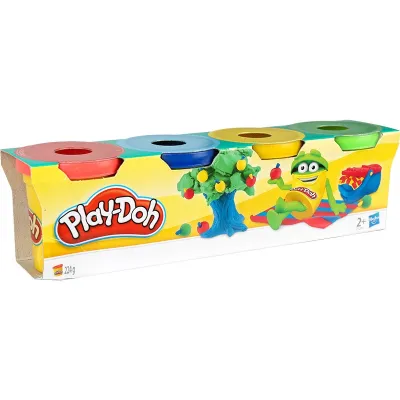
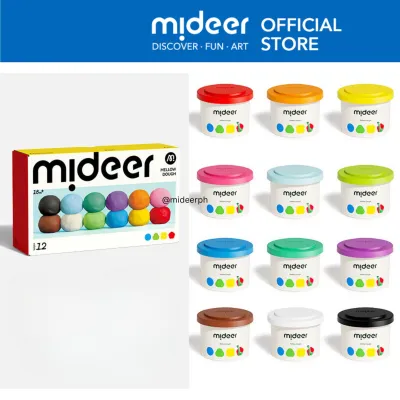
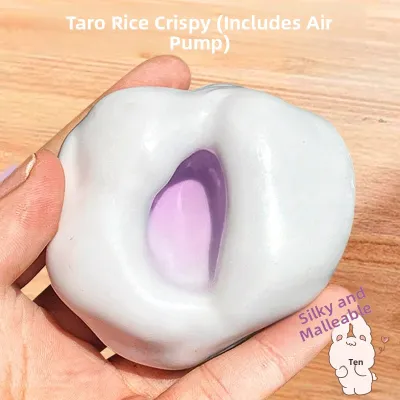
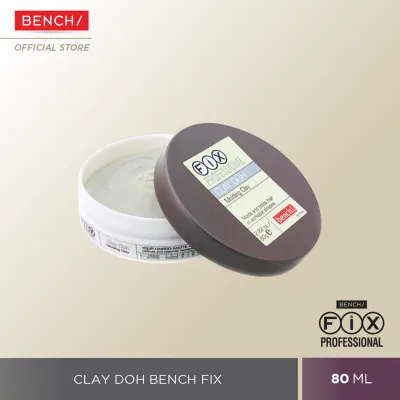
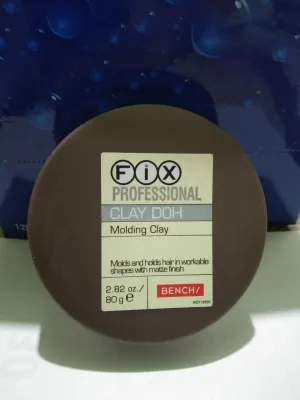
Prices are valid at publication and may change. Please refer to the product page for the latest price.
Play dough, often referred to as clay doh, is a soft, non-toxic compound primarily composed of flour, water, salt, and oils. It is specifically formulated for sensory play and early childhood development rather than permanent crafting. Because it lacks the synthetic binders of polymer clay or the structural fibers of air-dry clay, play dough is designed to remain soft and reusable when stored correctly. If left exposed to the air, it will eventually dry out, but the resulting dried piece is fragile, prone to severe cracking, and easily crumbles under light pressure.
Matching the Clay to Your Project Goals
Air-dry clay is highly suited for pottery-like vessels, basic sculpting, relief plaques, and school craft projects. Its earthy texture and ease of smoothing make it a practical choice for hand-building techniques. However, because the cured clay is porous and susceptible to moisture damage, finished pieces require a separate sealant, such as an acrylic varnish or polyurethane coat, to protect them from humidity. It is well-suited for medium-to-large sculptures where fine, microscopic detail is not the primary focus.

Polymer clay is a common choice for detailed miniatures, custom jewelry, beads, and intricate keepsakes. Its firm consistency allows crafters to sculpt extremely fine details, create complex canes, and blend custom colors smoothly. Once baked, polymer clay is highly durable, slightly flexible in thin sections, and naturally water-resistant, making it suitable for items that will be handled frequently, such as earrings or keychains. It does not require sealing unless you apply surface pigments, paints, or glazes that need protection.
Play dough is designed for temporary creations, sensory exploration, and fine motor skill development in young children. It provides an excellent medium for squeezing, rolling, and stamping, helping toddlers and preschoolers build hand strength without the resistance of professional sculpting clays. Since the creations are meant to be squashed and returned to their containers at the end of a play session, play dough is not intended for permanent display or functional items.
A Decision Framework for Material Selection
When selecting a modeling material, first assess your available equipment. Polymer clay requires a reliable oven and an oven thermometer to verify heat levels, as under-baking leads to brittle pieces while over-baking can release irritating fumes. If you do not have a dedicated baking setup, air-dry clay and play dough are safer, heat-free options that cure or store at room temperature.
Next, evaluate the required permanence of the final piece. If you want to create a long-lasting keepsake, jewelry, or a functional bowl, play dough is unsuitable. For items that must withstand handling or environmental moisture, polymer clay offers high durability. Air-dry clay is suitable for decorative items that will sit safely on a shelf, provided they are sealed against humidity.
Budget and volume also influence your choice. For large-scale classroom activities or sensory play sessions, bulk play dough is highly economical. Specialized polymer clay is sold in small, dense blocks and carries a higher cost per gram in ₱, making it suitable for small, high-value projects. Air-dry clay sits in the middle, offering an affordable way to sculpt larger structures.
Finally, check the user’s age and required supervision. Play dough is safe for young children, though supervision prevents ingestion. Air-dry clay is excellent for school-aged students who can manage basic hand-washing. Polymer clay, due to its chemical composition and oven-curing requirement, is typically reserved for teens and adults, or used by children under strict adult supervision.
Storage, Handling, and Safety Checks
Proper storage preserves the shelf life of your modeling materials. Play dough and air-dry clay must be stored in airtight containers immediately after use to prevent drying. To prolong play dough’s life in humid environments, ensure hands are clean before play to prevent mold. Polymer clay, while immune to air-drying, should be wrapped in wax paper and stored in a cool, dark cupboard away from direct heat, which can partially cure the material over time.
Before starting, verify safety by checking packaging for recognized non-toxic certifications, such as the AP seal. This is crucial when purchasing materials for young children. Always read the manufacturer’s guidelines regarding age recommendations and ingredient warnings, particularly if anyone in your household has food allergies, as some play doughs contain wheat gluten.
Lastly, maintain strict tool and surface compatibility to prevent cross-contamination. Dedicated crafting tools, acrylic rollers, and smooth tile surfaces should be used for polymer clay, and these must never be reused for food preparation. When baking polymer clay, place pieces on a foil-lined baking sheet or ceramic tile. Wash your hands thoroughly with soap and warm water after handling any modeling material, and clean your workspace to remove residue.
Frequently Asked Questions (FAQ)
Can You Bake Air-Dry Clay to Speed Up Drying?
No, you should not bake air-dry clay in an oven to accelerate the drying process. Applying external heat causes the water inside the clay to evaporate too rapidly, which leads to severe cracking, warping, or structural failure of your sculpture. It is recommended to follow the manufacturer’s recommended room-temperature drying times, keeping the piece in a well-ventilated area away from direct heat sources.
Is Play Dough the Same as Permanent Modeling Clay?
No, play dough is not the same as permanent modeling clay. It is formulated with flour, salt, and oils specifically to remain soft, pliable, and reusable over multiple play sessions. It lacks the binding agents and structural fibers found in air-dry or polymer clays, meaning that attempting to bake or permanently dry play dough will result in a brittle, crumbly, or burnt object rather than a durable keepsake.
How to Manage Cracks in Air-Dry Clay Projects?
To manage cracks in air-dry clay, you can smooth out minor surface imperfections by applying a small amount of water or a wet clay slip using your fingers or a soft brush while the piece is still drying. To prevent cracks from forming in the first place, ensure you knead the clay thoroughly before sculpting to eliminate air pockets, maintain an even thickness throughout your piece, and allow it to dry slowly away from direct drafts.
Community discussion
Share your experience or ask a question. Comments are reviewed before publication.