
Choosing the right modeling material depends entirely on your project’s end goal, the user’s age, and the tools you have available. If you need a permanent, highly detailed keepsake and have access to an oven, polymer clay is a highly suitable choice. For large, kiln-free sculptures or school projects that will be painted, air-dry clay is highly practical. If the goal is temporary, reusable sensory play for young children, stick to soft play dough or clay dough. Always verify the manufacturer’s label for age recommendations, non-toxic certifications, and specific curing instructions before purchasing.
In tropical climates like the Philippines, high ambient humidity and warm temperatures can significantly influence how these materials behave during both crafting and curing. Understanding these environmental factors, along with the unique physical properties of each material, ensures your creative projects turn out exactly as planned without unexpected cracking, melting, or spoiling.
Air-Dry Clay: Best for No-Bake, Paintable Sculptures
Air-dry clay is a popular choice for crafters who want to create solid, permanent sculptures without specialized heating equipment. This material relies on a simple curing process driven by air evaporation. As water leaves the clay, the material shrinks slightly and hardens into a solid, matte finish. In highly humid environments, drying times can extend significantly. A small ornament might dry within 24 hours, while a thicker sculpture can take several days to cure completely.
Products mentioned in this guide
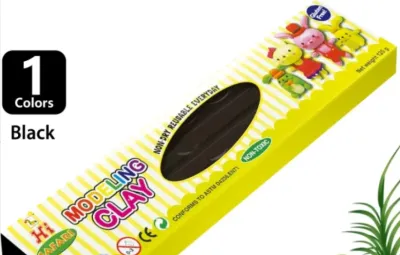
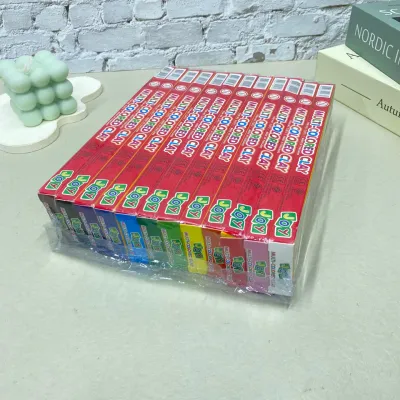
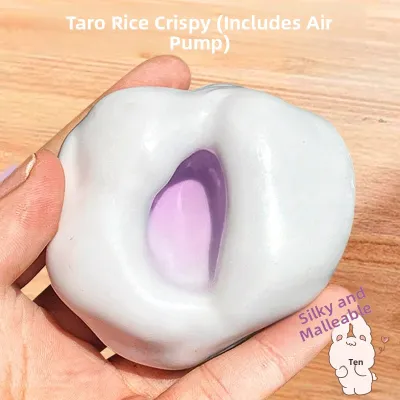
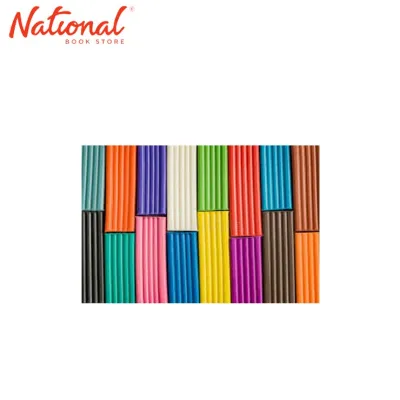
Prices are valid at publication and may change. Please refer to the product page for the latest price.
Once fully cured, air-dry clay offers an excellent surface for post-processing. You can easily sand down rough edges using fine-grit sandpaper to achieve a smooth finish. The porous nature of dried clay makes it highly receptive to acrylic paints, gouache, and even markers. However, because the material remains water-soluble even after hardening, applying a clear, water-resistant sealant or varnish is necessary if you want to protect your creation from moisture and humidity.
Despite its accessibility, air-dry clay has several key limitations that you should verify before buying. The material experiences noticeable shrinkage as it dries, which can lead to warping or cracking if the sculpture is built around a rigid, non-yielding internal support. Additionally, standard air-dry clay is not food-safe, meaning it cannot be used for functional plates or cups. Thin sections, such as delicate flower petals, also tend to be structurally fragile and prone to snapping under minimal pressure.
Polymer Clay: Best for Durable, Detailed, and Baked Crafts
Polymer clay is a synthetic modeling material composed of PVC plastic polymers, plasticizers, and coloring pigments. Unlike water-based clays, polymer clay does not dry out when exposed to the air, allowing you to work on intricate details over days or even weeks without rush. The curing process requires oven baking, which triggers a chemical reaction that fuses the plastic particles into a durable, slightly flexible, and completely waterproof solid.

To achieve a successful cure, you must strictly follow the manufacturer’s exact temperature and baking time specifications. Under-baking leaves the clay brittle and prone to breaking, while over-baking can scorch the material and release harmful fumes. Because standard home ovens can have temperature fluctuations, using an independent oven thermometer is highly recommended to verify the internal heat. Never use a microwave to cure polymer clay, as this can cause the material to overheat rapidly and melt.
The durability and finish of cured polymer clay make it a highly popular choice for making jewelry, miniatures, and highly detailed figurines. It holds fine textures exceptionally well and does not shrink during the baking process, ensuring your finished piece matches your original design closely. After baking, the material is naturally water-resistant and can be sanded, drilled, painted, or glazed to achieve different sheen levels.
When working with polymer clay, safety and proper handling are paramount. Because the material contains synthetic plasticizers, you should use dedicated crafting tools and surfaces rather than your everyday kitchen utensils. Work in a well-ventilated space to ensure any minor fumes released during baking are quickly dispersed. Finally, always confirm that the product is not food-safe; even after baking, polymer clay should never be used for items that will touch food.
Play Dough and Clay Dough: Best for Reusable Sensory Play
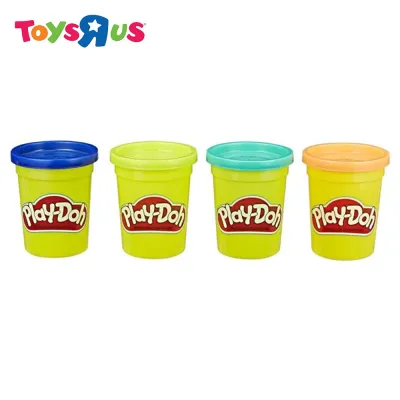
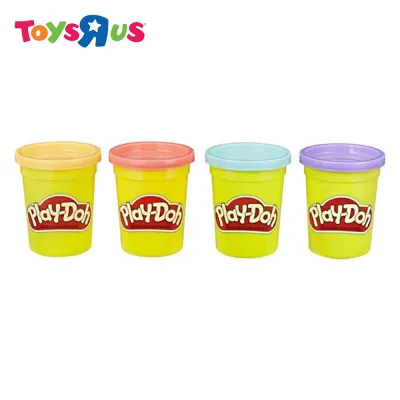
Play dough and soft clay dough are designed primarily for temporary, open-ended play rather than permanent crafting. These materials are typically made from simple, water-based ingredients like flour, water, salt, and food-grade pigments, making them highly child-friendly and generally non-toxic. The soft, pliable texture is specifically formulated to be easy for small hands to squeeze, roll, and shape, providing an excellent tool for early childhood motor skill development and sensory exploration.
Because these doughs do not contain curing agents, they remain soft and reusable as long as they are stored in tightly sealed containers. In tropical climates, keeping these containers in a cool, dry place is essential to prevent mold growth, which can occur due to the organic ingredients and ambient moisture. If left exposed to the air, the water content evaporates, leaving behind a dry, crumbly residue that cannot be easily restored.
For crafters, play dough has clear limitations. It cannot be permanently preserved, as baking or air-drying typically results in severe cracking, warping, and a highly fragile structure. The material also lacks the structural integrity required to support its own weight in tall or complex sculptures. Instead, its primary value lies in temporary prototyping, classroom activities, and therapeutic stress relief where the joy is in the process of creation rather than the final product.
Side-by-Side Comparison: Curing, Durability, and Finish
To help you quickly evaluate which material aligns with your specific project requirements, the following comparison matrix outlines the core differences across key performance and handling dimensions:
| Feature | Air-Dry Clay | Polymer Clay | Play Dough / Clay Dough |
|---|---|---|---|
| Curing Method | Air evaporation (no heat required) | Oven baking (requires heat) | Non-hardening (reusable if sealed) |
| Final Durability | Moderate (can chip or break if dropped) | High (durable, slightly flexible plastic) | Low (crumbles when dried out) |
| Water Resistance | Low (requires sealant to resist moisture) | High (inherently waterproof after baking) | None (dissolves in water) |
| Detail Retention | Moderate (shrinks and softens slightly) | High (holds fine textures, minimal shrinkage) | Low (soft texture loses fine details) |
| Primary Audience | School-age children, hobbyists, sculptors | Jewelry makers, miniature artists, adults | Toddlers, young children, educators |
When shopping for these materials on any online marketplace or local stationery store, always read the product labels carefully. Look for specific certifications such as the AP (Approved Product) non-toxic seal, which verifies that the material is safe for its intended age group. Additionally, check the packaging for claims regarding archival quality, flexibility after curing, and specific drying or baking instructions, as formulations can vary slightly between different brands.
Decision Guide: Matching the Material to Your Project
Selecting the right material involves matching your project’s goals with the physical properties of the clay. Use this straightforward decision framework to guide your next purchase:
Choose Air-Dry Clay if:
- Your project is relatively large, such as a handprint keepsake, a decorative bowl, or a relief sculpture.
- You do not have access to a dedicated crafting oven or prefer a completely heat-free crafting process.
- You plan to paint your finished piece with acrylics and apply a protective varnish for display.
Choose Polymer Clay if:
- You are creating intricate items like jewelry, beads, charms, or highly detailed miniatures.
- You need a finished product that is highly durable, waterproof, and resistant to accidental drops.
- You want to preserve fine textures, sharp edges, and exact dimensions without any shrinkage during curing.
Choose Play Dough/Clay Dough if:
- The material is intended for toddlers or young children who benefit from tactile sensory play.
- You are setting up temporary classroom activities or reusable play bins.
- The goal is pure creative exploration where the final model does not need to be kept or displayed.
Verify first if:
Before starting your project, verify if your design requires specialized properties like food safety, outdoor weather resistance, or extreme flexibility. Standard modeling clays and doughs rarely meet these demanding criteria. For example, if you want to make a functional coffee mug, you must use traditional ceramic clay fired in a high-temperature kiln with food-safe glazes. If your project will be placed outdoors, standard air-dry and polymer clays will degrade over time without specialized marine-grade sealants.
Frequently Asked Questions (FAQ)
Can you mix air-dry clay and polymer clay?
Mixing air-dry clay and polymer clay together into a single, homogeneous mixture before curing is not recommended. These two materials rely on completely incompatible curing mechanisms. Air-dry clay cures through water evaporation, which causes the material to shrink as it dries. Polymer clay cures through heat-activated polymerization, which requires oven baking and results in zero shrinkage. If you mix them, the water in the air-dry clay will be trapped by the oil-based polymer clay, leading to bubbles, severe cracking, and an incomplete cure during baking.
However, you can safely combine the two materials in a single project by using a multi-step assembly process. First, sculpt and bake your polymer clay elements according to the manufacturer’s instructions. Once the polymer clay has cooled completely, you can build air-dry clay elements around or onto the baked pieces, using a strong craft adhesive to secure the different sections together permanently.
Is modeling clay dough safe for young children?
Commercial play dough and clay dough designed for young children are generally safe, non-toxic, and formulated with food-grade ingredients to ensure safety if accidentally ingested in small amounts. However, you must always check the packaging for recognized non-toxic labels and specific age-grade warnings before purchasing. Many products are rated for children aged three and older due to the potential choking hazard of small parts or the inclusion of ingredients that may trigger specific allergies, such as wheat gluten.
In contrast, adult crafting clays like polymer clay and certain heavy-duty air-dry clays are not suitable for toddlers or unsupervised young children. Polymer clay contains synthetic plasticizers and chemicals that require careful handling, dedicated tools, and proper ventilation during baking. Always store adult crafting clays out of reach of young children and pets, and ensure that older children using these materials are closely supervised.
How do you prevent air-dry clay from cracking?
To prevent air-dry clay from cracking as it cures, you must ensure that the drying process occurs slowly and evenly. Avoid placing your wet sculptures near direct heat sources, air conditioners, or in direct sunlight, as rapid drying causes the outer layer to shrink much faster than the moist interior, leading to surface cracks. In dry environments, you can lightly drape a damp paper towel or a loose plastic sheet over your sculpture to slow down the evaporation rate.
Another effective technique is to use internal supports, known as armatures, made from lightweight materials like aluminum foil or wire mesh for thicker sections. This reduces the overall volume of clay needed, which minimizes shrinkage and prevents the core of the sculpture from trapping moisture. Finally, always keep your unused clay tightly sealed in airtight plastic bags or containers with a damp cloth to prevent it from drying out before you even begin sculpting.
Community discussion
Share your experience or ask a question. Comments are reviewed before publication.