
Selecting the right modeling medium can transform a creative spark into a successful masterpiece, whether you are crafting delicate earrings, completing a school diorama, or setting up a sensory play station for toddlers. The ideal choice depends entirely on your project goals, your workspace setup, and the age of the crafter. Each material possesses unique chemical compositions that dictate how it behaves during shaping, how it cures, and how long the finished piece will last.
Air-dry clay is best for easy, no-bake permanent crafts, serving as an accessible entry point for sculptors who want to paint their work without using an oven. Polymer clay is the premier option for durable, highly detailed, and water-resistant items, making it the standard choice for jewelry makers and miniature artists who have access to a household oven. Play dough is designed strictly for temporary, reusable sensory play, offering a soft, safe, and pliable medium that helps young children develop fine motor skills without the expectation of a permanent keepsake.
Choosing the wrong material can lead to frustrating results, such as cracked sculptures, melted plastics, or dried-out play tools. By understanding the distinct physical properties and limitations of each clay type, you can select the perfect material for your specific creative needs and environmental conditions.
Products mentioned in this guide
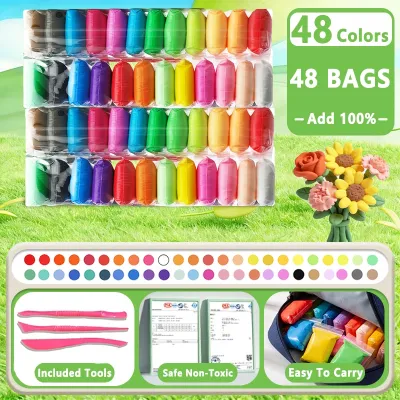
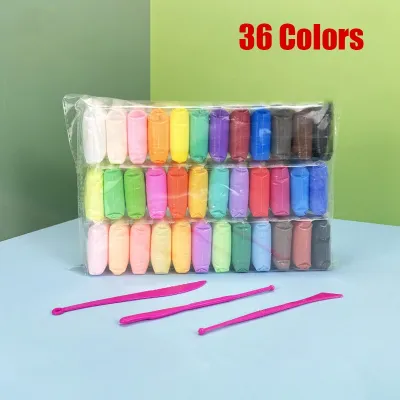
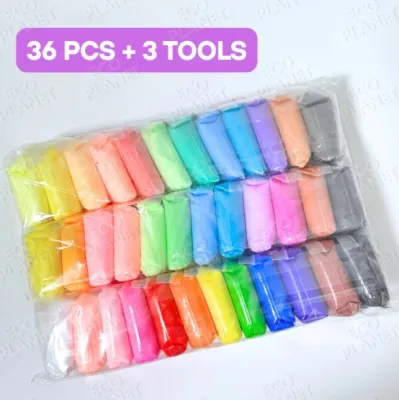
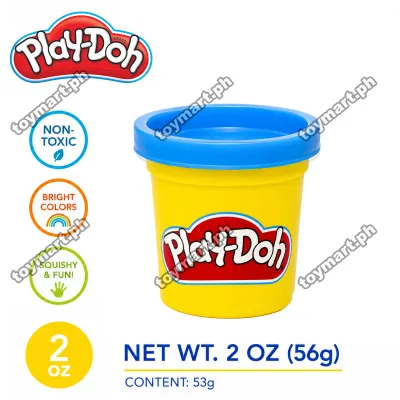
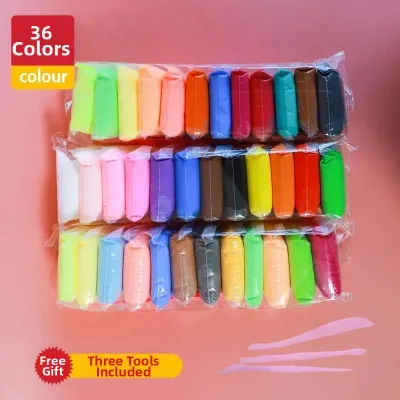
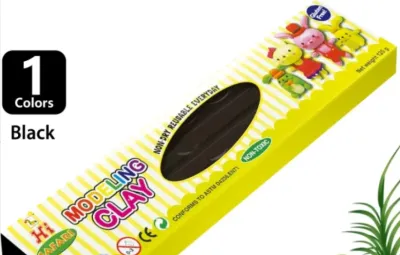
Prices are valid at publication and may change. Please refer to the product page for the latest price.
Key Differences at a Glance
To help you quickly identify the right material for your next project, the table below outlines the primary physical and functional distinctions between air-dry clay, polymer clay, and play dough.
| Feature | Air-Dry Clay | Polymer Clay | Play Dough |
|---|---|---|---|
| Curing / Drying Method | Natural air exposure (water evaporation) | Oven baking (heat-activated polymerization) | Non-hardening (must be stored airtight) |
| Final Durability | Moderate to fragile; prone to chipping | High; slightly flexible and impact-resistant | None; remains soft or crumbles when dry |
| Water Resistance | Low; requires specialized sealants | High; naturally waterproof after baking | None; dissolves or turns mushy in water |
| Reusability | No; permanent once dried | No; permanent once baked | Yes; highly reusable if stored properly |
| Primary Target Audience | Students, hobbyists, casual crafters | Artisans, jewelry makers, older teens/adults | Toddlers, preschool children, educators |
| Common Pack Sizes | Large blocks (500g to 1kg) or multi-packs | Small individual color blocks (50g to 500g) | Multi-color tubs or bulk buckets |
These differences stem directly from the chemical makeup of each material. Air-dry clay is typically water-based, containing natural clays or paper pulp that hardens as the moisture evaporates into the surrounding air. Polymer clay is a synthetic material composed of polyvinyl chloride (PVC) binders and liquid plasticizers that remain completely fluid at room temperature but fuse into a solid, durable plastic when exposed to temperatures between 110°C and 130°C. Play dough is a simple, non-toxic mixture of flour, water, salt, binders, and food-grade coloring designed to remain pliable for repeated squishing and molding.
Air-Dry Clay: Best for Easy, No-Bake Crafts
Air-dry clay is highly favored for its simplicity and ease of use. Because it requires no heat source to cure, it is an exceptionally popular choice for classrooms, home crafting tables, and quick weekend projects. You simply open the package, shape your item, and let nature do the rest. The clay is typically smooth, cool to the touch, and highly receptive to basic sculpting tools, stamps, and textured surfaces.

As the clay cures, the water content slowly evaporates, leaving behind a lightweight, solid structure. Once completely dry, the surface becomes highly porous, making it an excellent canvas for acrylic paints, tempera, watercolors, and permanent markers. To protect the finished piece from environmental moisture, applying a clear acrylic varnish, polyurethane sealant, or mod podge is highly recommended. Unsealed air-dry clay will readily absorb water, which can cause the structure to soften, warp, or even disintegrate over time.
One critical factor to consider when working with air-dry clay is physical shrinkage. Because the drying process relies on water loss, the clay naturally contracts by approximately 5% to 10% as it cures. This shrinkage can cause structural cracks, especially if the clay is molded too tightly around a rigid, non-shrinking armature like wire or glass. To minimize cracking, keep your clay walls uniform in thickness, avoid overly thick sections, and slow down the drying process by lightly covering the piece with a damp paper towel or plastic sheet during the first 24 hours.
In tropical climates with high relative humidity, such as the Philippines, the drying phase requires extra patience. While a piece might dry in 24 hours in an arid environment, humid conditions can easily extend the curing time to 48 or 72 hours. Placing the piece in a room with a running fan or a dehumidifier can help accelerate drying without causing the uneven shrinkage that occurs when using direct heat sources like hair dryers.
Polymer Clay: Best for Durable, Detailed Creations
Polymer clay is the material of choice for crafters who demand precision, vibrant color blending, and long-term durability. Because it contains no water, polymer clay will never dry out or shrink when left on your work table. This indefinite workability allows you to spend days refining intricate details, carving delicate textures, or constructing complex canes for millefiori patterns without worrying about the material hardening prematurely.
To transform polymer clay from a soft putty into a finished piece, it must undergo a heat-curing process in a standard home oven or toaster oven. During baking, the liquid plasticizers absorb into the PVC resin particles, locking them together into a sturdy, slightly flexible plastic. This flexibility is a key advantage; high-quality polymer clay should not be brittle after baking. Instead, it should bend slightly under pressure rather than snapping, making it exceptionally durable for wearable jewelry like earrings, hair clips, and statement rings.
However, working with polymer clay requires strict adherence to safety and temperature guidelines. Baking must be done within the manufacturer’s specified temperature range, which typically falls between 110°C and 130°C. Under-baking prevents the plasticizers from fully fusing, leaving the clay brittle and prone to crumbling over time. Over-baking can scorch the clay, ruin the colors, and release irritating, acrid fumes. Utilizing an independent oven thermometer is highly recommended, as built-in oven dials are notoriously inaccurate.
Safety is another vital consideration when handling synthetic materials. While modern polymer clays are certified non-toxic, they should not come into contact with items used for food preparation. Dedicated crafting tools—such as rolling pins, baking sheets, and cutting blades—should be kept separate from kitchen utensils. If you bake your clay in a home oven, clean the interior regularly to prevent plasticizer residue from building up on oven walls.
Play Dough: Best for Sensory Play and Temporary Fun
Play dough occupies a unique category focused entirely on the process of creation rather than the final product. It is engineered to be incredibly soft, highly elastic, and easy for tiny hands to squeeze, roll, and stamp. This makes it an invaluable tool for early childhood development, helping toddlers build hand strength, coordination, and spatial awareness through open-ended sensory play.
Because play dough is designed for young children, manufacturers prioritize non-toxic, food-grade ingredients. Most commercial and homemade play doughs rely on a base of wheat flour, water, salt, vegetable oil, and cream of tartar. The high salt content acts as a natural preservative, inhibiting bacterial growth during repeated use. However, because of the wheat base, parents of children with gluten sensitivities should seek out specialized gluten-free alternatives.
Unlike air-dry and polymer clays, play dough is not meant to be preserved. If left exposed to the air, the water content will evaporate, leaving behind a dry, crusty, and crumbly mass covered in white salt crystals. It cannot be baked or painted successfully; attempting to bake play dough usually results in puffed, cracked, and distorted shapes. It is strictly a temporary medium that should be gathered up and returned to its airtight container at the end of every play session.
Maintaining play dough in humid tropical environments requires careful storage. While the high humidity can prevent the dough from drying out as quickly during play, it also increases the risk of mold growth if organic debris or moisture becomes trapped inside the storage tub. Always store play dough in a cool, dry place away from direct sunlight, and discard any batches that exhibit off-odors, discoloration, or structural breakdown.
How to Decide: A Practical Buying Framework
To make an informed purchase, evaluate your project requirements against the specific characteristics of each material. Use the following conditional guidelines to determine which clay dough type fits your needs:
- Choose Air-Dry Clay if: You want to create permanent, paintable decorative items (such as jewelry dishes, wall hangings, or school models) without the hassle of baking. It is ideal if you prefer working with natural, water-based materials and have a dry space where the pieces can cure undisturbed for several days.
- Choose Polymer Clay if: You are crafting delicate, high-detail items like miniature figurines, custom beads, or professional-grade jewelry that must withstand daily wear. This option is best if you have access to a reliable oven, an independent oven thermometer, and dedicated crafting tools.
- Choose Play Dough if: You are setting up an activity for toddlers or young children where the goal is temporary, tactile play. It is the perfect choice for sensory bins, preschool classrooms, and repetitive fine-motor exercises.
Before finalizing your purchase, always verify the product specifications on the packaging. Check the age recommendations; polymer clay is generally rated for ages 8 to 14 and up due to the baking requirement, while play dough is suitable for ages 2 and up. Look for non-toxic certifications, such as the AP (Approved Product) seal or regional safety compliance marks. Finally, verify package sizes and accessory compatibility to ensure you have the right tools, sealants, or storage containers ready for your creative journey.
Frequently Asked Questions (FAQ)
Can you mix air-dry clay and polymer clay?
No, you should not mix air-dry clay and polymer clay together. They cure through completely incompatible mechanisms. Air-dry clay requires water evaporation to harden, while polymer clay requires oven heat to fuse its plastic resins. If you attempt to bake a mixture of the two, the water trapped inside the air-dry portion will turn to steam, causing the polymer clay to bubble, crack, distort, or break apart in the oven.
Is polymer clay safe for children to use?
Yes, high-quality commercial polymer clays are safe and certified non-toxic when used according to the manufacturer’s instructions. However, because polymer clay requires precise oven baking and the use of sharp cutting tools for detailing, adult supervision is highly recommended. It is best suited for older children, teenagers, and adults who can safely handle the baking process and understand that the material must not be ingested.
How do you keep play dough from drying out?
To maximize the lifespan of your play dough, always store it in airtight plastic containers immediately after play. If the dough begins to feel slightly dry or stiff, you can restore its pliable texture by adding a few drops of water or vegetable oil and kneading it thoroughly until smooth. For long-term storage, wrapping individual portions tightly in plastic cling wrap before placing them in their tubs will provide an extra barrier against air exposure.
Community discussion
Share your experience or ask a question. Comments are reviewed before publication.