
The choice between air dry clay and polymer clay depends on your curing setup, durability needs, and project scale, rather than one material being universally superior. Air dry clay is a water-based material that hardens through evaporation, making it highly accessible for large-scale projects without requiring specialized heating equipment. Polymer clay, on the other hand, is a PVC-based material that requires heat to cure, offering high detail retention and structural strength for smaller items. Before shaping, air dry clay typically feels cool and moist, requiring minimal conditioning, while polymer clay starts firm and requires manual kneading or warming to become pliable.
Comparing Key Crafting Dimensions
Drying and Curing Requirements
Air dry clay cures at ambient room temperature as its water content evaporates into the surrounding air. This process typically takes anywhere from 24 to 72 hours depending on the thickness of the piece and local humidity levels. In tropical climates like the Philippines, high humidity can significantly extend this drying window. Crafters must set aside dedicated, dust-free drying spaces where pieces can sit undisturbed.
Conversely, polymer clay does not dry out at room temperature and remains workable indefinitely until exposed to heat. Curing polymer clay requires baking in a conventional home oven or a dedicated toaster oven, typically at temperatures specified on the product packaging.
Products mentioned in this guide
![Jovi Air Dry Clay White 500g [2285]](https://img.lazcdn.com/g/p/8b82dde3d75fbe85d2fefe503294dab3.jpg_400x400q80.jpg_.webp)
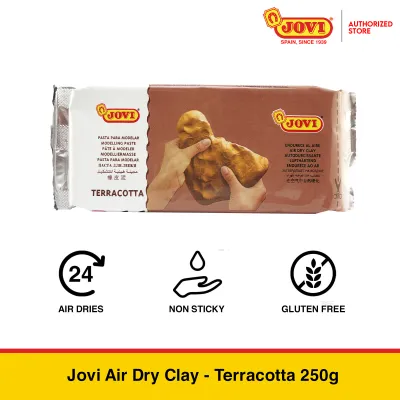
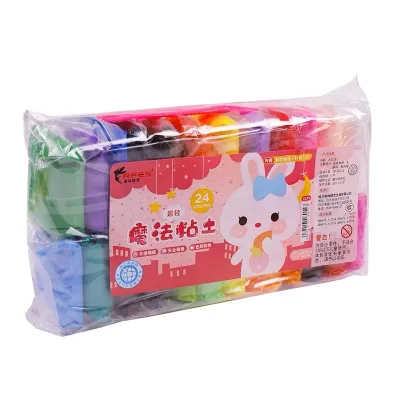
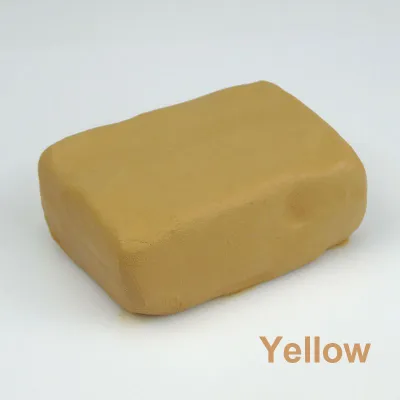
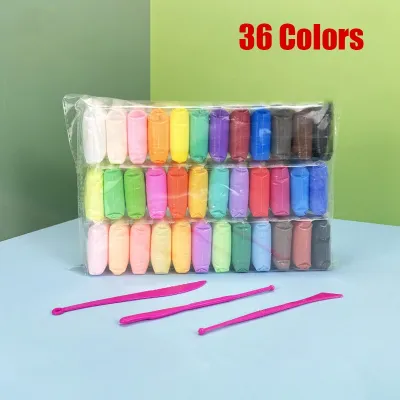
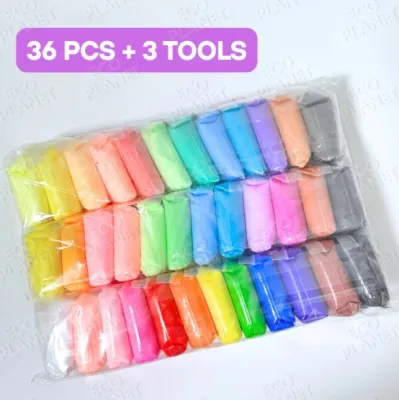
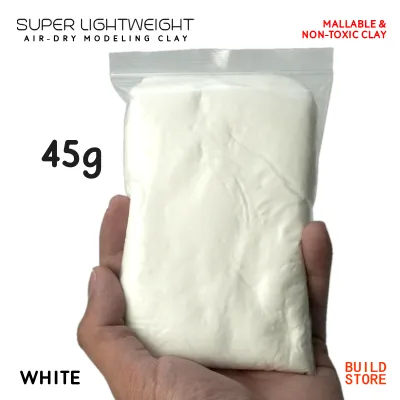
Prices are valid at publication and may change. Please refer to the product page for the latest price.
Always instruct yourself to check manufacturer labels for exact curing times, thickness limits, and temperature thresholds, as overheating polymer clay can release irritating fumes. Baking requires proper ventilation, such as opening windows or using exhaust fans, whereas air dry clay requires no heat but demands patience and physical space to dry evenly without cracking.
Durability, Finish, and Water Resistance
The final durability and water resistance of your finished piece depend heavily on the specific brand formulation and the post-cure treatments you apply. Unsealed air dry clay remains highly sensitive to moisture; exposure to water can soften or dissolve the material. To protect air dry clay creations from humidity and light handling, you must check the product label to see if an external sealant, varnish, or acrylic topcoat is required.
Even with a sealant, air dry clay is generally not waterproof and should not be used for items that hold water or sit outdoors. Polymer clay is inherently more water-resistant after baking because of its plastic base, but it is still not guaranteed to be food-safe or completely weatherproof.
Never assume a clay is safe for eating utensils or outdoor exposure unless the manufacturer explicitly states this on the packaging. To ensure your chosen finish or sealant behaves as expected, perform an observable trial test on a small scrap piece of cured clay before coating your final project. This prevents unexpected stickiness, cloudiness, or chemical reactions between the clay and the sealant.
Tools, Workspace, and Safety
Setting up a safe and efficient workspace requires understanding how each material interacts with your environment. Polymer clay requires dedicated crafting tools, baking sheets, and work surfaces that are never reused for food preparation. Because polymer clay is PVC-based, plasticizers can migrate into porous surfaces or utensils, making cross-contamination a primary safety concern.
If you bake polymer clay in your home oven, use a dedicated baking tile or foil tray, and thoroughly clean the oven interior afterward. Air dry clay is generally easier to clean up since it is water-soluble. You can wipe down surfaces with a damp cloth, and any residue on your hands washes away easily with soap and water.
However, you should still avoid washing large amounts of clay residue down household drains to prevent clogging. For both materials, always verify the safety labels on the packaging. Look for non-toxic certifications, skin contact warnings, and age recommendations to ensure the product matches the user’s needs, especially when crafting with younger family members.
Matching the Clay to Your Specific Project
Selecting the right material comes down to the scale, detail, and intended use of your project. Air dry clay is highly recommended for large, lightweight sculptures, home decor items, relief tiles, and temporary models. Because it does not require an oven, you can build substantial pieces using armatures made of crumpled aluminum foil, wire, or cardboard without worrying about whether the structure will fit into a baking appliance. It is also the ideal choice for crafters who do not have access to a reliable oven or prefer a simpler, heat-free crafting process.

For projects that demand intricate details, high structural integrity, and a degree of flexibility, polymer clay is the preferred option. It is the standard choice for making jewelry, such as earrings and beads, as well as small figurines, miniature charms, and functional items like custom pen grips or decorative keychains. Polymer clay can be rolled incredibly thin without losing its strength, and it holds fine textures and sharp edges exceptionally well during the baking process.
Before purchasing your material, carefully evaluate the environmental conditions your finished piece will face. In high-humidity environments, unsealed air dry clay can absorb moisture from the air, potentially leading to softening or mold growth over time. If your project will be handled frequently, exposed to moisture, or subjected to physical stress, polymer clay’s durable, plastic-like finish provides better long-term resilience. Conversely, if the piece is purely decorative, will sit safely on a shelf, and is too large for a standard oven, air dry clay is the practical choice.
Evaluating Cost and Value for Crafters
When planning your crafting budget, looking at the initial price of the clay is only part of the equation. In the Philippines, air dry clay is widely available in larger, more economical packages, often ranging from 250-gram blocks to 1-kilogram tubs. This makes the cost per gram relatively low, making it highly cost-effective for large-scale creations or classroom settings.
However, you must factor in the secondary costs of finishing materials. Because air dry clay is porous and fragile when dry, you will likely need to purchase sealants, acrylic paints, varnishes, and internal armature wires to give your project structural support and moisture protection.
Polymer clay is typically sold in much smaller blocks, often around 50 to 60 grams, and carries a higher price per gram. While this makes it more expensive for large sculptures, a little goes a long way for small, detailed items like jewelry. The hidden costs of polymer clay lie in the specialized equipment. To work safely and effectively, you may need to invest in a dedicated toaster oven, an oven thermometer to verify precise temperatures, acrylic rollers, and specialized cutting blades.
To get the best value for your project, check local stationery stores, specialty art supply shops, and online craft marketplaces for current pricing, bulk packages, and starter kits. If you are a beginner testing the waters, a small starter pack of polymer clay or a single block of air dry clay can help you assess the material before investing in dedicated tools and finishing sealants.
Final Decision Framework
To make your final decision, use this structured framework to match your project requirements with the right material:
Choose Air Dry Clay if:
- Your project is large, lightweight, or purely decorative.
- You do not have access to a dedicated baking oven or prefer a heat-free process.
- You are working with a tight budget and need a high volume of material.
- You want an easy cleanup process using only water.
Choose Polymer Clay if:
- You are making jewelry, miniatures, or highly detailed figurines.
- The finished item needs to be durable, slightly flexible, and resistant to light handling.
- You require a material that remains workable indefinitely until you choose to cure it.
- You want a vibrant range of pre-colored clays that can be blended easily.
Neither may fit if:
- The project requires a food-safe surface for direct contact with meals or drinks.
- The finished item will be exposed to harsh outdoor weather, constant rain, or extreme sunlight without specialized industrial coatings.
- You need a material that can withstand high heat or direct flame after curing.
Verify first if:
- The specific brand of clay you are buying requires a particular type of sealant or varnish.
- The manufacturer's instructions specify a maximum thickness limit to prevent cracking or uneven curing.
- The packaging lists non-toxic certifications suitable for your intended users, especially children.
Frequently Asked Questions (FAQ)
Can I mix air dry clay and polymer clay in the same project?
Mixing air dry clay and polymer clay directly into a single blended mass is not recommended due to their fundamentally different curing mechanisms. Air dry clay relies on water evaporation to harden, while polymer clay requires heat to cure. If you attempt to bake a mixed piece, the water evaporating from the air dry clay can cause the polymer clay to bubble, crack, or warp. Additionally, the two materials have different shrinkage rates, which leads to poor structural adhesion and cracking at the joints. If your project requires both materials, cure them separately and join them afterward using a strong mechanical connection, jewelry glue, or a specialized adhesive, always testing a small sample first to verify compatibility.
Which clay is safer for children's crafts?
For children’s crafts, safety is the primary consideration. Always inspect the product packaging for explicit non-toxic certifications, such as the AP seal or local safety standard marks, before purchasing. Air dry clay is generally the preferred choice for young children because it cures naturally at room temperature, eliminating the burn risks associated with baking. It is also water-based, making cleanup simple and safe for sensitive skin. If older children or teenagers are using polymer clay, adult supervision is necessary during the baking phase to ensure the oven temperature does not exceed the manufacturer’s limits. Proper ventilation must also be maintained in the baking area to prevent the inhalation of fumes from overheated clay.
Community discussion
Share your experience or ask a question. Comments are reviewed before publication.