
Understanding the 4 Main Types of Modeling Clay
Choosing the right modeling clay can feel overwhelming given the sheer variety of materials lining craft store shelves. Whether you are stepping into a local hobby shop or browsing an online marketplace, you will encounter options ranging from lightweight, fluffy blocks to heavy, earth-toned slabs. Selecting the wrong material can lead to cracked sculptures, melted projects, or pieces that simply refuse to harden.
The ideal choice for your project depends on several key practical factors. You must consider the final purpose of your creation, the curing equipment you have at home, the level of detail you want to achieve, and the overall durability required. A child’s school project demands a very different material than a professional jewelry piece or a functional kitchen mug.
To simplify your decision, modeling clays are classified into four primary categories: air-dry clay, polymer clay, ceramic clay, and plasticine. Each category has its own unique chemical composition, handling characteristics, and curing requirements. Understanding these differences is the first step toward bringing your creative visions to life without frustrating material failures.
Products mentioned in this guide
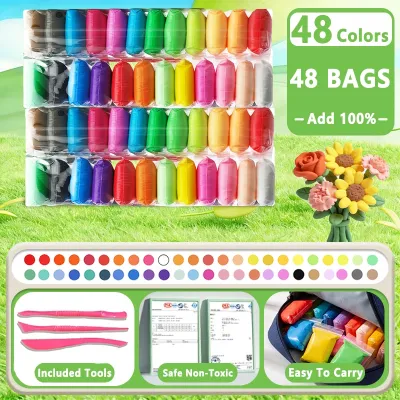
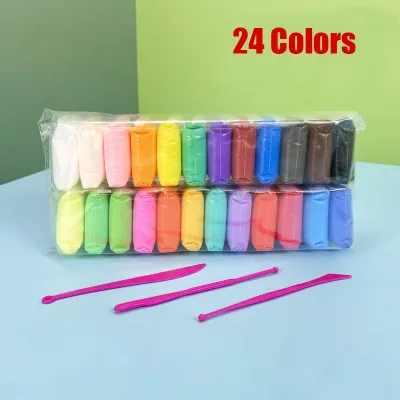
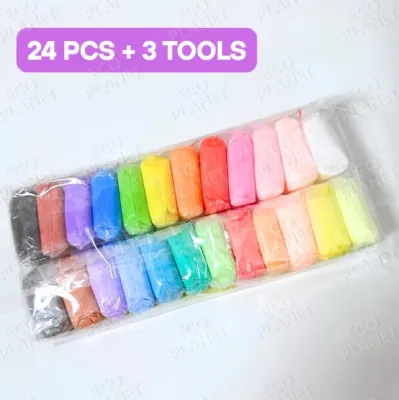
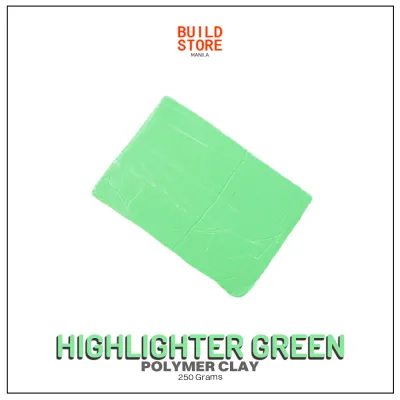
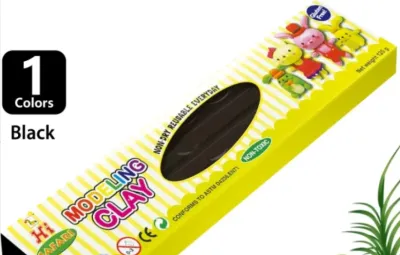
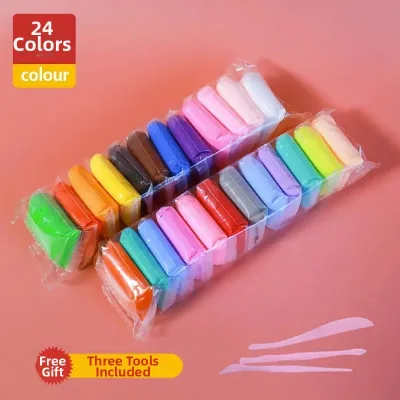
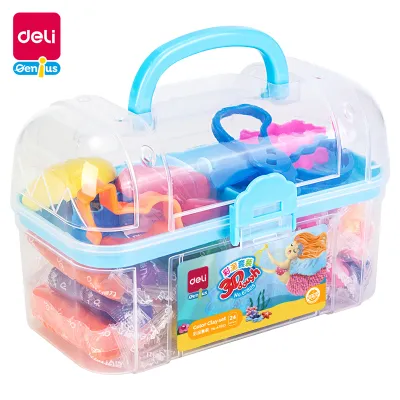
Prices are valid at publication and may change. Please refer to the product page for the latest price.
Air-Dry Clay: Accessible and Beginner-Friendly
Air-dry clay is a water-based material that is highly favored for its ease of use and accessibility. Unlike traditional clays that require extreme heat to set, this medium hardens at room temperature through the simple evaporation of its water content. It is widely available in various formulations, including heavy, earth-like clays and ultra-lightweight, paper-based varieties.

One of the greatest advantages of air-dry clay is that it requires absolutely no specialized equipment. You can sculpt your piece directly on your kitchen table and simply leave it to dry. If you notice cracks forming while you work, you can easily smooth them out by blending in a small amount of water with your fingertips. Once the clay is completely dry, the surface becomes highly receptive to acrylic paints, markers, and protective topcoats.
However, the evaporation process introduces specific limitations. As the water leaves the clay, the material experiences slight shrinkage, which can lead to warping or cracking if the piece is dried too quickly or unevenly. In highly humid environments, such as during the rainy season in the Philippines, the drying process can take several days rather than the standard 24 hours. Furthermore, air-dry clay remains naturally porous and fragile even when fully cured, meaning it is not waterproof or food-safe.
This material is best suited for classroom activities, basic sculptures, relief tiles, decorative ornaments, and beginner crafting sessions. It is excellent for projects where structural strength is not a primary concern and where you want to avoid the hassle of baking or firing.
To get the best results, dry your air-dry clay projects slowly in a cool, shaded area away from direct sunlight or harsh fan drafts. If you want to protect your finished piece from ambient moisture and humidity, check the product label for compatible acrylic sealants or varnishes. Always test a small, hidden area first to ensure the sealant does not react poorly with the clay surface.
Polymer Clay: Detailed, Colorful, and Oven-Baked
Polymer clay is a synthetic modeling medium formulated from polyvinyl chloride (PVC) pigment and a liquid plasticizer. Because it contains no water, it does not dry out when exposed to the air, allowing you to work on a single piece over days or even weeks without it hardening. To cure polymer clay, you must bake it in a standard home oven or toaster oven at a relatively low temperature.
This plastic-based composition offers remarkable benefits for detailed work. Polymer clay experiences virtually zero shrinkage during the baking process, meaning the intricate details you sculpt will look exactly the same after curing. It is incredibly versatile, holding crisp lines and fine textures, and it is available in an extensive range of colors, metallics, translucents, and glitters.
Despite its versatility, polymer clay demands strict adherence to safety and baking protocols. It requires precise temperature control; under-baking leaves the clay brittle and prone to snapping, while over-baking can burn the PVC, releasing irritating and toxic fumes. While cured polymer clay is highly durable and water-resistant, very thin sections can still be fragile if you use a lower-quality brand.
Polymer clay is the premier choice for jewelry making, custom beads, miniature figurines, dollhouse accessories, and highly detailed craft items. Its ability to hold a clean edge makes it perfect for intricate patterns and cane-making techniques.
When working with polymer clay, always use a dedicated oven thermometer to verify your oven’s actual temperature, as built-in dials are notoriously inaccurate. Ensure your workspace is well-ventilated by opening windows or using an exhaust fan. Strictly follow the manufacturer’s baking temperature and duration guidelines, and never use the same baking sheets for food preparation without thoroughly cleaning them first; dedicating a specific set of crafting tools is highly recommended.
Ceramic Clay: Durable, Functional, and Kiln-Fired
Ceramic clay is the traditional medium of pottery, composed of natural clay bodies dug from the earth. These clays, which include earthenware, stoneware, and porcelain, require extreme heat to undergo a chemical transformation known as vitrification. This process must take place inside a specialized kiln, which typically reaches temperatures between 1,000°C and 1,300°C.
The primary benefit of ceramic clay is its unmatched durability and functionality. Once fired and coated with a proper glaze, ceramic pieces become completely waterproof, food-safe, microwave-safe, and highly weather-resistant. This is the only type of clay that allows you to create functional kitchenware that can withstand daily washing and use.
The main drawback of ceramic clay is the high barrier to entry. You cannot cure ceramic clay in a home oven; you must have access to a professional kiln, which is a significant financial investment. The material also has a steep learning curve, requiring you to understand clay moisture stages (such as leather-hard and bone-dry), proper wedging to prevent air pockets, and the complexities of glaze application.
This material is ideal for functional pottery like mugs, bowls, plates, and vases, as well as large-scale outdoor sculptures and traditional wheel-throwing. It is the perfect choice for those looking to pursue pottery as a serious hobby or professional craft.
Before you use any finished ceramic piece for eating or drinking, verify that both the clay body and the glaze are certified non-toxic and food-safe by the manufacturer. You must also ensure that the glaze has been fired to its correct maturing temperature, as under-fired glazes can remain porous, allowing bacteria to grow or chemicals to leach into food.
Plasticine: Reusable, Non-Drying, and Flexible
Plasticine, also known as oil-based clay, is made from a mixture of clay minerals, wax, and oil. Because it contains no water, it never dries out, hardens, or shrinks, regardless of how long it is exposed to the air. It remains permanently pliable and reusable, making it a staple in creative environments where designs are constantly changing.
The absolute reusability of plasticine makes it an incredibly cost-effective and low-waste material. You can sculpt a model, photograph it, smash it down, and immediately begin a new project with the exact same clay. It does not crack, and because it is oil-based, it blends smoothly when warmed by the heat of your hands.
However, plasticine’s inability to harden means it cannot be used for permanent keepsakes. It remains sensitive to ambient temperatures; in a warm tropical climate, plasticine can become overly soft, sticky, and difficult to work with if left in a hot room. It will melt completely if exposed to direct high heat, and it often leaves a greasy, oily residue on your hands, tools, and work surfaces.
Plasticine is the industry standard for stop-motion animation (often referred to as claymation), industrial prototyping, special effects mold-making, and general sculpting practice. It is also widely used in educational settings to help children develop motor skills without the clay drying out during play.
Because plasticine softens with body heat, kneading it for a few minutes before sculpting makes it much easier to shape. If you are building larger or top-heavy models, you must construct a wire or aluminum foil armature inside the sculpture to provide structural support, as the clay will sag under its own weight over time.
Decision Guide: Matching the Clay to Your Project Needs
Selecting the right clay is a process of elimination based on your available tools, your budget, and what you plan to do with the finished item. By matching your project constraints to the characteristics of each clay type, you can avoid common crafting pitfalls.
First, perform an equipment check. If you do not have access to a high-temperature kiln, you must eliminate traditional ceramic clay from your list. If you do not have a reliable home oven or a safe, ventilated space to bake synthetic materials, polymer clay is not a suitable option. For crafters with no specialized equipment, air-dry clay and plasticine are the most practical choices.
Second, consider the final destination of your project. If you are making a functional item that will hold liquids or food, ceramic clay is your only safe and durable option. If you want to create highly detailed, permanent decorative items like jewelry or miniatures, polymer clay is the ideal choice. For casual crafting, school models, or temporary prototypes, air-dry clay or reusable plasticine will serve you best.
| Clay Type | Curing Method | Shrinkage | Detail Retention | Waterproof/Food-Safe Potential | Equipment Needed |
|---|---|---|---|---|---|
| Air-Dry Clay | Room temperature air | Moderate (5% to 10%) | Low to Medium | No (Water-resistant only with sealant) | None |
| Polymer Clay | Home oven (110°C to 135°C) | Minimal (Less than 1%) | Very High | Water-resistant (Not food-safe) | Home oven, oven thermometer |
| Ceramic Clay | Specialized kiln (1,000°C+) | Significant (10% to 15%) | High | Yes (When glazed and fired properly) | Kiln, pottery wheel (optional) |
| Plasticine | Non-hardening (Never cures) | None | Medium to High | No (Melts under high heat) | None (Armatures optional) |
Before finalizing your purchase, always read the specific product packaging carefully. Check for age recommendations, safety certifications, and exact curing parameters. For children’s projects, ensure the material is explicitly labeled non-toxic and intended for younger users. If you are purchasing clay online, verify the weight and package dimensions to ensure you are getting the correct amount for your project needs.
Frequently Asked Questions (FAQ)
Is modeling clay safe for children?
Many modeling clays are formulated specifically for children, but safety depends entirely on the specific clay type and the child’s age. Air-dry clays and plasticine labeled as non-toxic are generally the safest and easiest for young children to handle, as they do not require heat to use. Polymer clays are also widely available in non-toxic formulas, but they require adult supervision for the baking process. Always check the packaging for recognized safety seals, such as the AP non-toxic seal, and adhere to the manufacturer’s age recommendations.
Can you make air-dry clay waterproof?
Air-dry clay is naturally porous and will degrade, soften, or dissolve if it comes into contact with water for prolonged periods. You can make it highly water-resistant by applying a compatible acrylic varnish, polyurethane sealer, or epoxy resin once the clay is completely dry. However, even with multiple coats of sealant, air-dry clay is never truly waterproof or food-safe, so you should never use it for functional dinnerware, flower vases that hold water, or any items that will be submerged.
What is the main difference between polymer clay and air-dry clay?
The primary difference lies in their chemical composition and how they cure. Air-dry clay is water-based and cures through the evaporation of water at room temperature, which causes the piece to shrink and sometimes warp or crack. Polymer clay is a synthetic, PVC-based material that does not dry out in the air and must be baked in a home oven to cure. This oven-baking process results in virtually no shrinkage, allowing polymer clay to retain much finer details and achieve a more durable, plastic-like finish.
Community discussion
Share your experience or ask a question. Comments are reviewed before publication.