
Choosing between alcohol-based and water-based color markers comes down to how you plan to use them, the paper you have on hand, and your working environment. If you want smooth, streak-free blending, soft gradients, and fast-drying layers for professional illustrations or manga, alcohol markers are the industry standard. However, they require specialized bleed-proof paper and a well-ventilated space due to their strong solvent odor. On the other hand, if you are bullet journaling, crafting with children, or looking for watercolor-like washes on standard paper, water-based markers are a practical, low-odor, and budget-friendly choice. Understanding how these two ink types interact with paper and climate conditions will help you select the right set for your creative projects.
Understanding Ink Composition and Drying Behavior
The fundamental difference between these two marker types lies in the solvent used to carry the color pigment or dye. Alcohol markers utilize an isopropyl or ethyl alcohol base. This solvent evaporates almost instantly upon contact with the air, allowing the ink to dry rapidly on your drawing surface. Because the alcohol evaporates so quickly, the dye sits evenly within the paper fibers without oversaturating the page with moisture, which minimizes paper warping. However, this rapid evaporation releases volatile organic compounds, resulting in a distinct, sharp odor. Working with alcohol-based ink requires a well-ventilated room or an open window, especially during long coloring sessions in warm, enclosed spaces.
In contrast, water-based markers use water, often mixed with glycerin or acid-free binders, as the primary solvent. This composition makes them virtually odorless and generally non-toxic, making them highly suitable for school classrooms, family dining tables, and small study areas. Because water evaporates much slower than alcohol, the ink remains wet on the paper surface for a longer period. This extended drying time means the paper fibers absorb more moisture, which can lead to structural changes in the sheet. In humid tropical climates, such as during the rainy season in the Philippines, this drying process can take even longer, requiring extra patience before you can safely touch or layer over your work.
Products mentioned in this guide
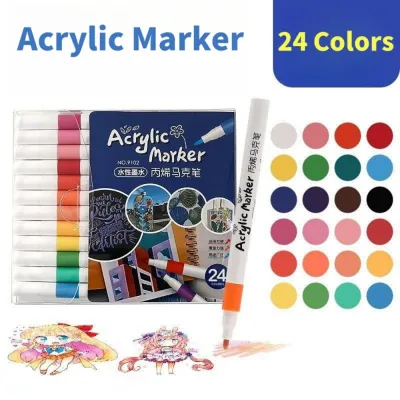
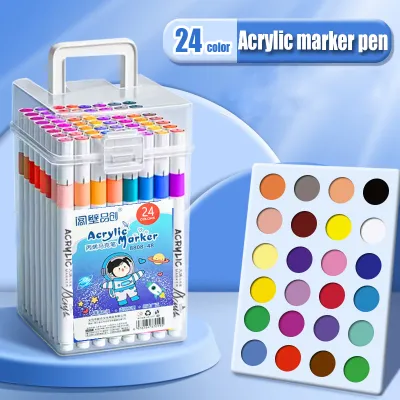
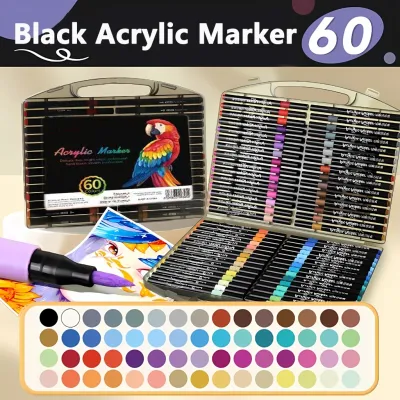
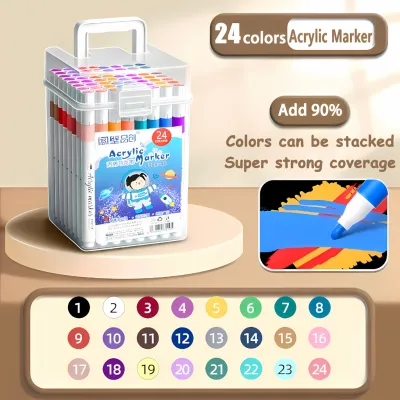
Prices are valid at publication and may change. Please refer to the product page for the latest price.
Evaluating Paper Compatibility and Bleed-Through Risks
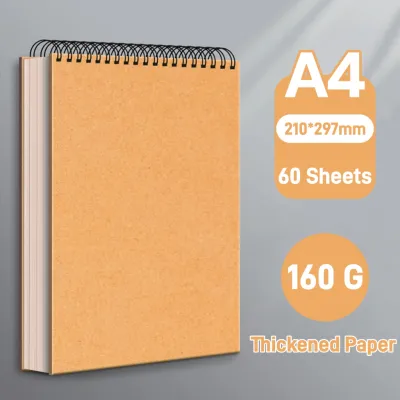
Your choice of marker dictates the type of paper you must use, as the two ink types behave differently under the surface. Alcohol markers have a high capillary action and low surface tension, meaning they spread quickly and penetrate deeply into paper fibers. If you use standard 70 gsm or 80 gsm copy paper, the alcohol ink will bleed through to the next page almost instantly, leaving messy stains on your desk. To use these markers effectively, you need to pair them with dedicated marker paper, heavy cardstock, or bleed-proof sketchbooks that feature a special barrier coating on the back of each sheet.

Water-based markers are much gentler on the back of the page, making them a practical choice for double-sided notebooks and planners. Because the water solvent does not penetrate as aggressively as alcohol, you can often write or color in a standard journal without seeing any ink bleed through to the reverse side. However, water-based ink presents a different risk: paper pilling and warping. If you apply multiple layers of water-based ink to standard wood-pulp paper, the fibers will soften, tear, and roll up into tiny, unsightly pills. To prevent this, you must use thick, high-density paper or mixed-media sheets that can handle wet applications.
To find a suitable match before starting a major project, you can perform a simple paper compatibility test. Draw a small, solid square on a corner of your chosen paper and observe how the ink behaves. Check if the edges of the square remain crisp or if the ink feathers outward into fuzzy lines. Flip the page over to inspect the back for ghosting or complete bleed-through. Finally, rub your finger gently over the dried area to check if the paper surface has started to pill or warp under the moisture.
Comparing Blending and Layering Capabilities
If your artistic style relies on smooth gradients, realistic skin tones, and seamless color transitions, alcohol markers offer excellent performance. Because the alcohol solvent temporarily reactivates the dried ink already on the page, you can lay down a second color and blend the two together without leaving harsh lines. This chemical property allows you to build up smooth, streak-free color fields that look like they were printed professionally. The underlying paper fibers remain intact during this process because the solvent evaporates before it can break down the paper’s structural integrity.
Water-based markers handle layering differently, as the introduction of new wet ink reactivates the dried water-soluble dye beneath it. If you try to blend two water-based colors directly on the page, the friction of the marker tip combined with the rehydrated ink can easily muddy your colors and damage the paper surface. Instead of seamless gradients, layering water-based markers typically results in distinct, visible stroke lines where the wet ink overlaps. This characteristic is highly valued for bold graphic designs, hand lettering, and illustrative styles that embrace clean, defined shapes rather than soft transitions.
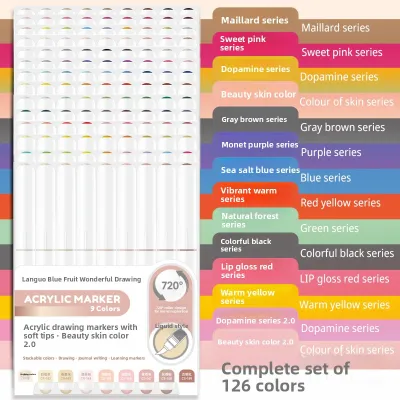
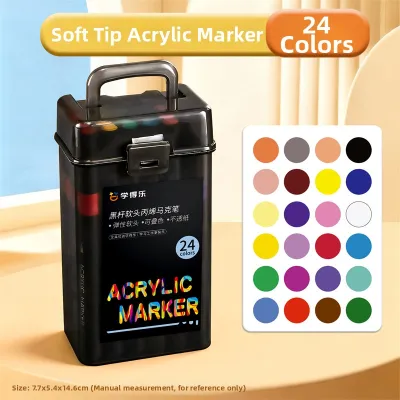
However, water-based markers possess a unique creative advantage: they can mimic traditional watercolor techniques. By scribbling the marker ink onto a non-porous plastic palette, you can use a wet paintbrush to lift the color and apply soft, transparent washes to your paper. You can also use a water brush pen directly on the paper to soften harsh marker lines, creating beautiful ombre effects and delicate background washes. This versatility makes water-based markers an excellent dual-purpose tool for artists who enjoy both drawing and painting mediums.
Matching the Marker Type to Your Specific Project
Selecting the right marker type is easiest when you align the tool with your specific creative output. For professional illustration, manga drawing, architectural rendering, and fashion design, alcohol markers are the standard choice. Their ability to deliver vibrant, highly saturated color fields quickly makes them ideal for fast-paced design environments where presentation quality is paramount. The rapid drying time also allows designers to layer shadows and highlights immediately without waiting, keeping the creative workflow moving.
For bullet journaling, scrapbooking, card making, and everyday writing, water-based markers are far more practical. Since these activities usually take place in standard notebooks or planners with thinner pages, the low bleed-through risk of water-based ink keeps your journal clean and legible on both sides. They are also highly portable, allowing you to sketch in local coffee shops or libraries without worrying about chemical odors bothering those around you. Additionally, for school projects and children’s crafts, the non-toxic, washable nature of water-based ink ensures easy cleanup from skin and clothing.
Some artists choose to combine both types in a hybrid workflow to get the benefits of both mediums. For example, you can use water-based fine-liners or brush pens to create crisp, waterproof outlines and fine details, and then fill in the larger areas with alcohol markers. If you attempt this, you must verify the drying sequence and ink compatibility first. Always ensure your outline ink is completely dry and water-resistant before applying alcohol markers over it, as the alcohol solvent can dissolve certain types of ink, leading to smudged outlines and ruined marker tips.
Assessing Maintenance, Storage, and Long-Term Costs
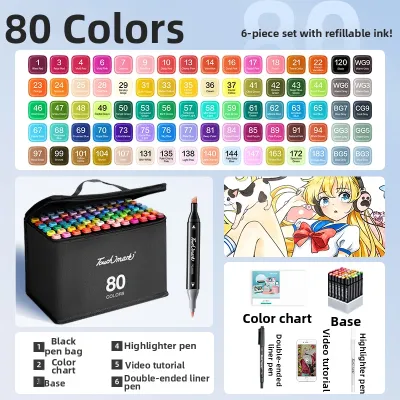
When investing in a marker collection, it is wise to consider the long-term maintenance and overall cost of ownership. Professional-grade alcohol markers are often designed as lifetime tools, featuring refillable ink bottles and replaceable felt nibs. While the initial cost of a premium refillable set can be high—often starting around ₱1,500 to ₱3,000 for a basic professional set—refilling an individual marker costs significantly less over time than buying a brand-new pen. This modular system also allows you to replace worn-out chisel or brush tips without discarding the entire marker body, reducing plastic waste.
In contrast, water-based markers are typically sold as disposable items, especially in budget-friendly and student-grade ranges. Once a water-based marker runs out of ink or the tip becomes frayed from rough paper, the entire pen must be replaced. While this makes the initial purchase price of water-based sets very low and accessible, the cumulative cost can add up if you use them heavily for large-scale coloring projects. Before committing to a specific brand ecosystem, check your local stationery suppliers to see if they regularly stock individual open-stock markers, ink refills, and replacement nibs.
Proper storage is critical to extending the lifespan of both marker types, especially in tropical climates like the Philippines, where high humidity and heat can affect ink stability. Dual-tip markers, which feature a fine tip on one end and a broad chisel or brush tip on the other, must always be stored horizontally. Storing them vertically causes gravity to pull the ink down to one end, leaving the top tip dry and the bottom tip oversaturated and prone to leaking. Additionally, keep your water-based markers in a cool, dry place away from direct sunlight to prevent mold growth inside the caps and to stop the water solvent from evaporating prematurely.
Final Decision Framework: Which Marker Should You Buy?
To make your final purchase decision, evaluate your current creative setup against these clear, practical guidelines.
Choose Alcohol Markers if:
- You require seamless, streak-free blending and smooth color gradients.
- You are willing to invest in specialized, heavy, or bleed-proof marker paper.
- You need ink that dries almost instantly, allowing for rapid layering.
- You have a dedicated, well-ventilated workspace where ink odors will not be an issue.
- You want a long-term, refillable system with replaceable nibs.
Choose Water-Based Markers if:
- You plan to color in standard journals, planners, or double-sided notebooks.
- You require a low-odor, non-toxic option suitable for shared spaces or children.
- You want to experiment with watercolor washes, blending with water, and hand lettering.
- You prefer a highly portable set with a low initial purchase price.
- You want easy cleanup from skin, desks, and fabrics.
Verify First if:
- You are working on mixed-media projects. Always test how your markers interact with other materials, such as acrylic paint, gel pens, or spray sealants. Apply a small test stroke on a scrap piece of your project paper to ensure the solvents do not dissolve your underlying work or cause the colors to bleed unexpectedly.
Frequently Asked Questions (FAQ)
Can I use alcohol and water-based markers together on the same project?
Yes, you can combine both marker types in a single piece of art, but you must apply them in the correct order to avoid ruining your work. Always apply your water-based markers or water-resistant fine-liners first and let them dry completely before layering alcohol markers on top. If you apply water-based ink over fresh alcohol ink, the water can bead up on the solvent-treated surface, and the friction may damage the paper fibers. Additionally, never use a light-colored alcohol marker directly over wet water-based ink, as the dye can transfer and permanently stain your alcohol marker’s felt tip.
How do I prevent my color markers from drying out?
The most effective way to prevent drying is to always recap your markers immediately after use, listening for a distinct click that confirms an airtight seal. Store all dual-tip markers horizontally on your desk or in a flat organizer box to keep the ink distributed evenly between both ends. Keep your marker storage containers away from direct sunlight, air conditioning vents, and high-heat areas, as extreme temperature fluctuations can cause the air inside the marker barrels to expand, forcing ink out of the tips or accelerating solvent evaporation.
Community discussion
Share your experience or ask a question. Comments are reviewed before publication.