
Choosing between alcohol-based and water-based colored markers depends entirely on your paper choice, desired blending style, and working environment. Alcohol-based markers use fast-evaporating alcohol as a solvent, allowing for seamless, streak-free blending and rapid drying, which makes them a favorite for professional illustrators and design work. Water-based markers rely on water or a water-and-glycerin mix, which prevents bleed-through on standard paper and allows for watercolor-like effects, making them ideal for bullet journaling, calligraphy, and everyday writing. By understanding how these two ink formulations interact with different surfaces, you can select the perfect tool for your creative or professional projects.
Understanding the Core Differences in Ink Behavior
The primary difference between these two marker types lies in the solvent used to carry the pigment or dye. Alcohol-based markers utilize an alcohol solvent that evaporates almost instantly upon contact with the page. This rapid drying speed minimizes the risk of smudging, making them highly efficient for left-handed artists or quick-sketching sessions. However, because alcohol evaporates quickly, these markers release distinct chemical fumes, requiring a well-ventilated workspace to prevent discomfort during long drawing sessions.
In contrast, water-based markers use water as their primary solvent, resulting in a much slower drying time. This slower evaporation rate gives you more time to manipulate the ink on the page but also increases the risk of accidental smudging if you brush your hand across wet areas. On the positive side, water-based inks are virtually odorless and acid-free, making them incredibly safe and comfortable for indoor use, classrooms, and enclosed study spaces.
Products mentioned in this guide

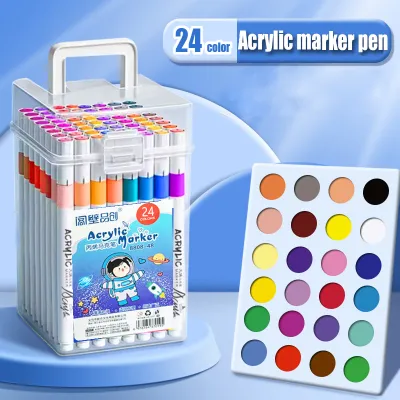
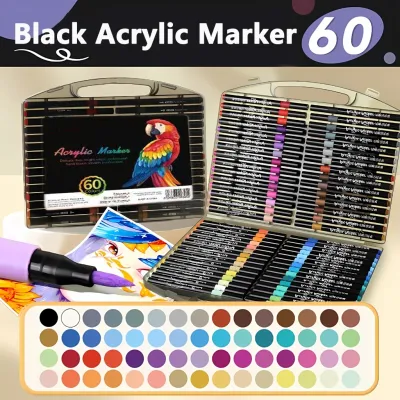
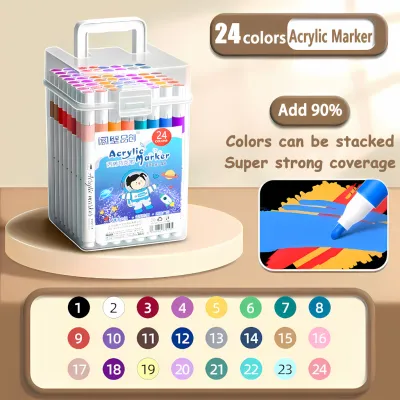
Prices are valid at publication and may change. Please refer to the product page for the latest price.
Color vibrancy and stroke uniformity also differ significantly between the two types. Alcohol markers deliver highly saturated, vibrant colors that lay down smoothly without leaving visible stroke lines, as the wet ink merges seamlessly before drying. Water-based markers can sometimes produce overlapping lines or “streakiness” when you color in large areas, as the paper absorbs the water unevenly. To ensure you are getting the exact performance you need, always check the manufacturer labels for specific ink formulations, lightfastness ratings, and safety certifications.
Paper Compatibility and Bleed-Through Risks
The ink solvent dictates how the marker interacts with paper fibers, making paper selection a critical factor for success. Alcohol-based inks are highly fluid and prone to heavy bleed-through, meaning the ink will easily penetrate standard copy paper and show on the reverse side. To use these markers effectively, you must pair them with heavy, bleed-resistant marker paper, thick cardstock, or mixed-media paper. In humid tropical climates, paper naturally absorbs ambient moisture from the air, which can cause alcohol ink to feather or spread beyond your intended lines more easily.

Water-based markers are much gentler on standard paper weights. Because water does not penetrate paper fibers as aggressively as alcohol, these markers rarely bleed through standard notebook pages, planner paper, or bullet journals. This makes them the preferred choice for double-sided writing and journaling. However, if you apply too many layers of water-based ink to thin paper, the fibers will become oversaturated, leading to warping, buckling, or pilling.
Before starting any major project, always perform a simple scrap paper test. Apply a few heavy strokes of your chosen marker onto a scrap piece of the exact paper you plan to use, then observe how the ink behaves. Check the back of the sheet for bleed-through and examine the edges of the strokes for feathering. If you must use alcohol markers on thinner paper, always place a thick backing sheet of cardstock or silicone-coated paper directly beneath your working page to protect the rest of your sketchbook or desk surface.
Blending, Layering, and Artistic Techniques
If your work relies heavily on smooth gradients, shading, and realistic textures, alcohol-based markers are the industry standard. Because the alcohol solvent temporarily re-wets dry ink layers, you can easily blend two distinct colors directly on the page to create a seamless transition. Many artists use a colorless blender—a marker filled with pure solvent—to soften harsh edges, create highlights, or fade colors into the white of the paper. This re-wetting capability allows for endless layering, though you must work relatively quickly before the solvent fully evaporates.
Water-based markers offer a completely different set of artistic techniques, closely resembling traditional watercolors. You can apply water-based ink to a non-porous surface, such as a plastic palette, and pick it up with a damp paintbrush to paint soft washes on watercolor paper. You can also reactivate dry water-based ink on your page by running a wet brush over it. However, because water weakens paper fibers, you cannot layer water-based inks indefinitely; overworking the page will quickly cause the paper to pill and tear.
Your choice of nib type also plays a massive role in how these techniques translate to the page. Flexible brush nibs are excellent for sweeping strokes, organic blending, and brush calligraphy, while chisel nibs help fill in large background areas quickly. Fine bullet nibs are best suited for precise detail work and outlining. When choosing a marker set, verify that the nib material is durable; high-quality nylon or felt nibs resist fraying, ensuring clean lines throughout the life of the marker.
Use-Case Matching: Selecting the Right Marker for Your Project
To make the right investment, match the marker type to your specific creative goals, working environment, and budget. If you are focusing on professional illustration, character design, manga, or architectural rendering, alcohol-based markers are highly recommended due to their professional-grade blending and streak-free finishes. If your primary activities include bullet journaling, hand lettering, adult coloring books, or school projects, water-based markers are the superior choice because they will not ruin the back of your pages and are completely odorless.
For specialized tasks, keep in mind that neither standard alcohol nor water-based markers may fit the bill. If you are working on outdoor signage, fabric, wood, or glossy plastic, you will need to verify specialized industrial marker specifications, such as acrylic paint markers or permanent oil-based markers, which offer waterproof and archival properties.
| Project Type | Recommended Ink Type | Ideal Paper Requirement | Key Advantage |
|---|---|---|---|
| Manga & Illustration | Alcohol-Based | Coated Marker Paper (120+ GSM) | Seamless blending, no stroke lines |
| Bullet Journaling | Water-Based | Standard Journal Paper (80-100 GSM) | Zero bleed-through, double-sided use |
| Brush Calligraphy | Water-Based | Smooth, Non-Textured Paper | Excellent nib control, vibrant colors |
| Mixed Media Art | Both (Layered) | Heavy Watercolor Paper (300 GSM) | Unique textures and layered depth |
| Outdoor / Crafting | Acrylic / Oil-Based | Non-Porous Surfaces | Weatherproof, highly opaque |
Practical Buying, Maintenance, and Storage Checks
When evaluating different marker brands, consider the long-term cost of ownership rather than just the initial price tag. Professional-grade alcohol markers often feature replaceable nibs and refillable ink cartridges. While a refillable marker set might require a higher initial investment—sometimes ranging from ₱1,500 to over ₱5,000 for a starter set—it is often more economical over time than buying cheap, disposable sets where the entire marker must be discarded once the ink runs dry or the nib frays.
Proper storage is vital to extending the lifespan of your markers. Dual-ended markers, which feature a different nib on each end, must always be stored horizontally. Storing them vertically causes the ink to gravity-drain to one end, leaving the top nib dry and prone to clogging, while the bottom nib becomes oversaturated and leaky. Single-ended markers can generally be stored vertically, but always verify the manufacturer’s specific storage instructions on the packaging.
To prevent premature drying, always listen for a distinct “click” when capping your markers, which indicates an airtight seal. If you notice a marker starting to dry out, check the manufacturer’s approved revival methods. For water-based markers, dipping the tip briefly in a small amount of clean water can sometimes draw the remaining ink down and revive the nib. For alcohol markers, adding a few drops of high-concentration isopropyl alcohol directly to the nib or ink reservoir can temporarily restore flow, though replacing the ink cartridge remains the most reliable solution.
Frequently Asked Questions (FAQ)
Can I use alcohol-based and water-based markers together in the same artwork?
Yes, you can combine both marker types in a single piece of art, but you must follow a specific layering order to prevent smudging and damage to your tools. Always apply your alcohol-based markers first as the base layer, allow the ink to dry completely, and then layer your water-based markers or fine-liners on top. If you attempt to apply alcohol-based ink over water-based ink, the alcohol solvent can reactivate the water-based pigment, causing the colors to bleed together and muddy. Additionally, the water-based pigment can transfer to the nib of your alcohol marker, permanently staining or clogging it. Always run a quick test on a scrap piece of your project paper to verify how the specific brands interact before working on your final piece.
How do I safely store my markers to prevent them from drying out?
To maximize the lifespan of your colored markers, store them horizontally in a cool, dry place away from direct sunlight. Horizontal storage is especially critical for dual-ended markers, as it ensures that the ink remains evenly distributed between both nibs. Keep your markers away from heat sources, such as sunny windowsills or computers, as high temperatures can expand the air inside the marker barrel, leading to leaks or accelerated evaporation. In tropical environments, keeping your markers in a drawer or a dedicated storage organizer helps protect them from dust and extreme humidity fluctuations. Always double-check that every cap is pushed on tightly until you hear or feel it click into place.

Community discussion
Share your experience or ask a question. Comments are reviewed before publication.