
Quick Answer: Which Marker Type Fits Your Art Style?
Choosing between alcohol markers and water-based markers is a fundamental decision for any artist, illustrator, or hobbyist. The right choice depends heavily on your specific art techniques, your physical workspace, and your budget. In tropical climates like the Philippines, where high humidity can affect paper moisture and ink drying times, understanding how these art materials behave on the page is essential for achieving clean, professional results.
Alcohol markers are the industry standard for professional illustration, manga drawing, and character design. They excel at seamless blending, smooth gradients, and streak-free color laydowns. However, they require specialized bleed-proof paper to prevent the ink from spreading uncontrollably, and they must be used in well-ventilated spaces due to their strong solvent fumes.
Water-based markers are highly accessible, virtually odorless, and budget-friendly, making them the perfect choice for beginners, bullet journaling, hand-lettering, and children’s art. While they do not bleed through paper as aggressively as alcohol markers, they behave differently when layered. Overworking standard paper with water-based ink can cause the surface to warp or pill.
Products mentioned in this guide
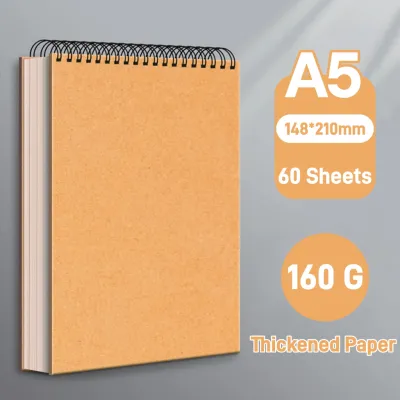
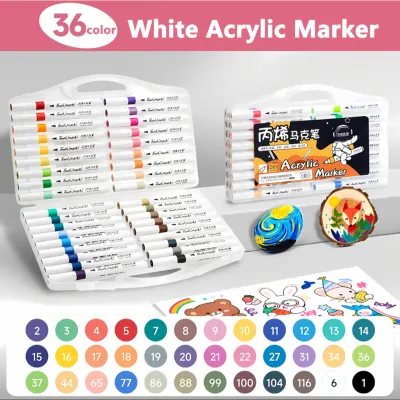
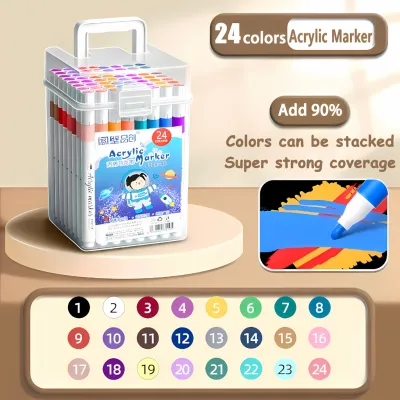
Prices are valid at publication and may change. Please refer to the product page for the latest price.
Instead of searching for a single superior marker, frame your choice around your primary artistic goals. If your work relies on smooth, realistic shading and gradient transitions, alcohol markers are your best tool. If you focus on precise line work, decorative journaling, or watercolor-like washes, water-based markers will better serve your creative workflow.
Core Differences in Ink Composition and Blending
The fundamental differences between these two marker types lie in their chemical solvents, which dictate how the pigments behave once they touch the paper fibers. Alcohol-based markers use an isopropyl or ethyl alcohol solvent to carry the dye. Because alcohol evaporates almost instantly, the ink dries rapidly on the page. However, because dried alcohol ink can be re-dissolved by applying fresh alcohol solvent, you can easily blend and rework colors long after they have dried.

Water-based markers use water, sometimes mixed with glycerin or acid-free solvents, as their primary carrier. Water evaporates much slower than alcohol, especially in humid environments. This slower drying speed gives you a longer window to manipulate the wet ink on the page, but it also means the paper fibers remain wet longer, increasing the risk of structural damage to the sheet.
When it comes to blending, alcohol markers are unmatched. They allow you to create seamless, streak-free gradients by melting overlapping colors together. You can use a colorless blender marker—which contains pure alcohol solvent without pigment—to soften harsh edges, dilute strong colors, or create smooth highlights. The alcohol solvent dissolves the underlying layers, allowing the pigments to mix directly on the paper without tearing the surface.
Water-based markers blend differently and require distinct techniques. Because water does not dissolve dried dye in the same seamless manner as alcohol, coloring repeatedly over the same spot will often lift the previous layers of ink. This can result in patchy, uneven colors and physical damage to the paper. To blend water-based markers smoothly, artists often use a wet paintbrush to pull and soften the ink, or touch the tips of two different markers together to transfer color before drawing.
Edge control is another critical factor. Alcohol inks dry so quickly that they naturally prevent the formation of hard “waterlines” or dark edges at the end of a stroke. However, you must work rapidly while the ink is wet to achieve a perfect blend. Water-based inks allow for slower, more deliberate manipulation, but they will leave distinct, hard edges if a stroke is allowed to dry completely before you attempt to blend it.
| Feature | Alcohol-Based Markers | Water-Based Markers |
|---|---|---|
| Ink Base | Alcohol solvent (isopropyl/ethyl) | Water solvent (sometimes with glycerin) |
| Drying Time | Extremely fast (seconds) | Moderate to slow (depends on humidity) |
| Blending Method | Seamless melting (solvent dissolution) | Layering, water-brushing, or tip-to-tip |
| Reactivation | Re-wets easily with alcohol or blender | Reactivates with water (can lift paper) |
Paper Compatibility and Bleed-Through Behavior
Your choice of paper is just as important as the markers themselves. Alcohol markers are highly fluid and have a low surface tension, meaning they will easily bleed through standard sketchbooks, notebook paper, and copy paper. If you use them on standard paper, the ink will seep through to the back of the page and can permanently stain your desk or the pages underneath.
To use alcohol markers successfully, you must pair them with specialized marker paper, bleed-proof pads, or heavy cardstock (typically 200 gsm or higher). True marker paper features a special coating on the back of the sheet that acts as a barrier, preventing the alcohol solvent from penetrating through. This coating keeps the ink on the surface, allowing you to blend colors smoothly without wasting ink or ruining your sketchbook.
Water-based markers behave very differently on standard paper. Because water does not penetrate paper fibers as aggressively as alcohol, these markers generally do not bleed through to the back of the page. This makes them highly popular for double-sided bullet journals, planners, and coloring books. However, water-based inks introduce actual moisture to the paper, which can cause thin sheets to warp, buckle, or feather.
Feathering occurs when the ink spreads along the paper fibers in a fuzzy, spiderweb-like pattern, ruining clean lines. Pilling occurs when the friction of the marker tip rubs the wet paper fibers until they break apart into small, unsightly clumps. To avoid these issues, pair water-based markers with smooth, high-gsm paper (at least 120 gsm) that can handle light moisture without degrading.
Always check the manufacturer’s recommended paper weight and finish on the product packaging before starting a major project. Because paper coatings and absorption rates vary wildly between brands, what works beautifully for one marker type might cause feathering or bleeding with another.
To prevent ruined artwork, always perform a simple verification test on a scrap piece of your intended paper. Draw a few overlapping strokes, wait for them to dry, and check the back of the sheet for bleed-through. Inspect the front of the paper to ensure the ink lines remain sharp and the paper surface has not pilled or warped.
Ideal Art Techniques and Project Applications
Matching your marker type to your specific creative project prevents frustration and ensures your tools work with your technique rather than against it.
Best Uses for Alcohol Markers
Alcohol markers are the premier choice for professional illustration, manga and comic coloring, character design, and industrial product rendering. Their fast-drying nature and streak-free application allow artists to color large areas with perfectly flat, solid tones that look clean and professional. Illustrators rely on them to render smooth skin tones, soft shadows, and reflective metallic effects that mimic printed media.
Because alcohol ink is permanent and highly water-resistant once dry, these markers are exceptional for mixed-media base layers. You can lay down a vibrant base with alcohol markers, let it dry completely, and then paint over it with watercolors, gouache, or acrylics. The underlying marker work will remain perfectly sharp and will not bleed or reactivate when it comes into contact with water.
Best Uses for Water-Based Markers
Water-based markers are highly versatile tools for hand-lettering, modern brush calligraphy, bullet journaling, and everyday crafting. Many water-based markers feature flexible nylon brush tips that behave like traditional paintbrushes. These tips allow you to create beautiful thick and thin strokes simply by adjusting your hand pressure, which is essential for elegant calligraphy.
These markers can also be used to create beautiful watercolor-like wash effects. By scribbling the water-based ink onto a plastic palette or slick surface, you can pick up the pigment with a wet paintbrush and apply it to watercolor paper. This technique is excellent for soft background washes, floral illustrations, and expressive sketch journaling where a loose, painterly style is desired.
Cost, Refillability, and Long-Term Value
Art materials represent a financial investment, and understanding the long-term value of your markers can save you money over time.
The initial investment for these two marker types varies significantly. Water-based markers generally have a much lower upfront cost. Budget-friendly sets of water-based brush pens or fine-liners are widely available at local bookstores and online marketplaces in the Philippines, with prices starting at just a few hundred pesos (₱). This low barrier to entry makes them highly accessible for students, beginners, and casual journalers.
In contrast, professional-grade alcohol markers require a much higher initial investment. A complete set of premium alcohol markers can cost several thousand pesos. However, this high upfront cost is often offset by their long-term value, refillability, and maintenance options.
Many professional alcohol marker brands feature refillable ink systems and replaceable nibs. Instead of throwing away a dried-out marker, you can purchase a bottle of refill ink and a pack of replacement nibs. Refilling a marker is significantly cheaper than buying a brand-new one, which dramatically lowers your overall cost per use over several years. Always check the product label or manufacturer specifications to verify refill compatibility for your specific model.
Most standard water-based markers are designed to be disposable. Once the ink runs dry or the tip becomes frayed, the entire marker must be replaced. While some premium water-based brush brands now offer refillable cartridges, they are less common and harder to find in local retail stores.
When deciding which marker type to buy, calculate your long-term costs based on your usage frequency. If you plan to color daily and require consistent performance, investing in a refillable alcohol marker system is highly economical over time. If you only use markers occasionally for journaling or light lettering, a budget-friendly disposable water-based set is the more practical choice.
Safety, Ventilation, and Storage Guidelines
Proper handling and storage not only keep you safe but also extend the lifespan of your art materials.
Because alcohol markers contain chemical solvents, they emit a distinct, strong odor. When using them for extended periods, proper room ventilation is necessary. Work in a spacious room with open windows, or use an electric fan to keep air circulating and prevent inhalation of solvent fumes. Water-based markers are generally odorless and non-toxic, making them much safer for children, classroom settings, and small, enclosed workspaces. To ensure they meet strict safety standards, verify the presence of safety seals like the AP (Approved Product) or CE marks on the product packaging.
Storage habits directly impact how long your markers last. For dual-tip markers, which feature a brush tip on one end and a chisel tip on the other, horizontal storage is highly recommended. Storing them flat ensures that the ink remains evenly distributed between both ends, preventing one nib from drying out while the other becomes oversaturated. Single-tip markers can often be stored vertically, either tip-up or tip-down, depending on the brand. Always verify the specific storage instructions on the manufacturer’s label, as ink formulations and internal reservoir designs vary between brands.
Final Decision Framework: Choose Based on Your Goals
To finalize your choice, evaluate your creative goals, budget, and working environment against this simple decision framework:
- Choose Alcohol Markers if: You need seamless blending, professional illustration capabilities, smooth color gradients, and are willing to invest in specialized paper and a ventilated workspace.
- Choose Water-Based Markers if: You prioritize hand-lettering, journaling, watercolor-like washes, odor-free environments, or need a budget-friendly, beginner-safe option.
- Verify First if: You are buying a specific brand for mixed media; always check the product label for exact ink composition, refill compatibility, and recommended paper weights, as formulations can vary between manufacturers.
Frequently Asked Questions (FAQ)
Can you use alcohol and water-based markers together?
Yes, you can combine both marker types in a single project, but the order of application is critical. You can safely layer water-based markers or fine-liners over fully dried alcohol marker layers to add fine details or sharp outlines. However, applying alcohol markers over water-based ink is not recommended; the strong alcohol solvent can reactivate and smear the underlying water-based ink, muddying your colors and potentially staining your alcohol marker’s nib. Always perform a quick test on a scrap piece of paper to verify how the two brands interact before working on your final art piece.
How do you fix dried-out markers?
If your water-based markers are starting to dry out, you can often revive them by dipping the tip in warm water for a few seconds, or by adding a few drops of water directly into the ink reservoir if the marker is designed to open. For dry alcohol markers, the safest method is to add a few drops of the manufacturer’s specific refill ink or a dedicated alcohol marker blender solution directly to the nib or reservoir. Avoid using household rubbing alcohol or incompatible solvents, as these can permanently break down the ink’s chemical binder and ruin the felt nib.
Community discussion
Share your experience or ask a question. Comments are reviewed before publication.