
Choosing the right coloring tools for early childhood classrooms is a foundational step in fostering creativity and developing motor skills. Crayola Original Jumbo Crayons are often considered a staple for preschool and kindergarten art classes, but determining if they are the absolute best fit for your specific classroom requires looking closely at your students’ physical development and daily classroom dynamics. While their larger size is specifically engineered to accommodate the limited dexterity of very young children, educators and parents must weigh factors like grip progression, durability under heavy-handed pressure, and safety certifications before making a bulk purchase.
Deciding on the right art supplies involves balancing developmental benefits with practical classroom management. Jumbo crayons provide a physical bridge for children who are still transitioning from whole-hand grasping to more refined finger movements. However, because every child develops at a unique pace, a single crayon type may not suit every student in a diverse preschool or kindergarten cohort. By evaluating these tools against objective developmental milestones and classroom conditions, you can make an informed decision that supports both artistic expression and motor skill growth.
Understanding Early Childhood Art Supply Needs
Preschool and kindergarten students are at a critical stage of physical development where their fine motor skills are rapidly evolving. During these early years, children transition from using a palmar grasp—where they hold a writing tool with their entire fist—to a digital grasp, and eventually to a mature tripod grasp. Art tools must accommodate these shifting physical capabilities, allowing children to express themselves without experiencing physical frustration or hand strain.
Products mentioned in this guide
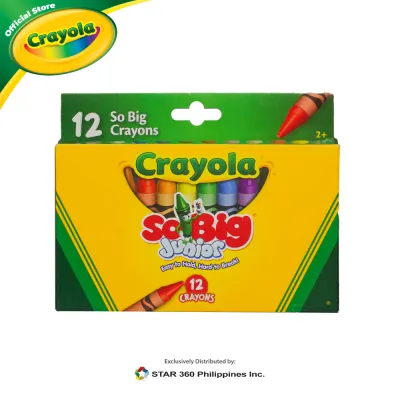
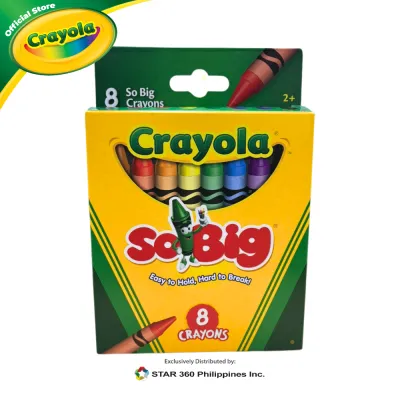
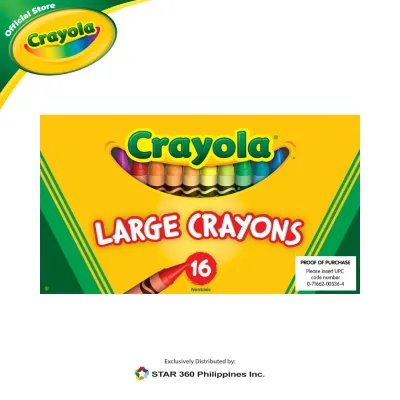
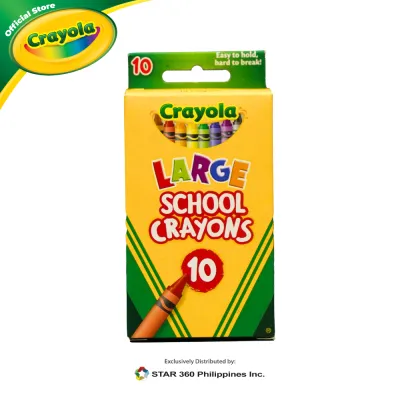
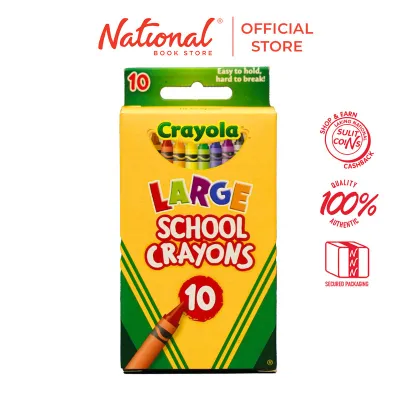
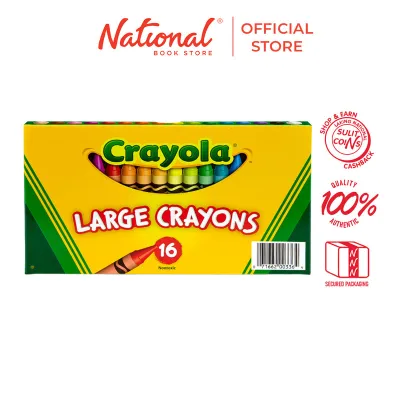
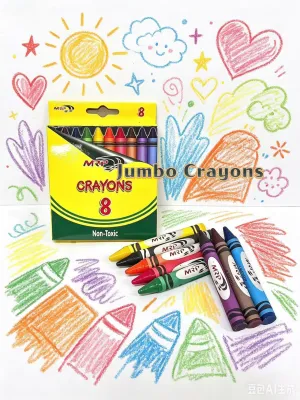
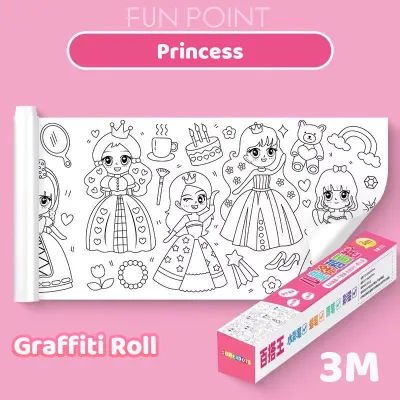
Prices are valid at publication and may change. Please refer to the product page for the latest price.
Ergonomic design is essential for preventing muscle fatigue during art activities. When a drawing tool is too thin, young children must exert excessive grip strength to hold it steady, which quickly tires their hand muscles and can lead to a loss of interest in drawing. A thicker, more substantial barrel allows small hands to maintain a comfortable, relaxed grip, encouraging longer periods of creative play and helping to build the hand strength necessary for future writing tasks.
Safety is the most critical baseline requirement for any classroom supply used by young children. Because toddlers and young preschoolers frequently explore their environment through touch and taste, art supplies must be entirely non-toxic and free from harmful chemicals. Furthermore, classroom tools must be designed to minimize choking hazards, which means they must resist breaking into small, easily swallowed pieces during normal, enthusiastic use.
Assessing Grip and Size for Small Hands
The physical dimensions of a jumbo crayon are specifically tailored to match the natural grasping patterns of early childhood. With a thicker diameter than standard crayons, these tools fill the palm more completely, allowing children who have not yet developed fine finger control to guide the crayon using their larger arm and wrist movements. This makes the initial drawing experience much more successful and satisfying for early learners.

While the traditional cylindrical shape of original jumbo crayons is highly popular, it is helpful to compare it to triangular alternatives. Cylindrical crayons allow children to rotate the tool freely in their hands, which is excellent for general coloring but does not actively guide finger placement. In contrast, triangular crayons are designed to prevent rolling off classroom tables and naturally encourage a three-sided tripod grip, making them highly beneficial for students who need extra support with grip correction.
To ensure a crayon is manageable for your specific student group, conduct a physical inspection using a simple checklist. Assess the weight to ensure it is light enough for a three-year-old to maneuver without tipping backward. Measure the length to confirm it does not extend too far past the child’s hand, which can create awkward leverage. Finally, verify that the diameter allows the child’s fingers to wrap comfortably around the barrel without overlapping tightly or slipping.
Evaluating Durability and Classroom Performance
In busy classroom environments, art supplies must withstand rigorous daily use and heavy-handed pressure. Young children often apply significant downward force when coloring, which can easily snap standard, thin crayons. Jumbo crayons inherently offer greater breakage resistance due to their thicker wax core, but their performance can still vary based on environmental factors and the specific wax formulation.
In tropical climates like the Philippines, high ambient temperatures and humidity can affect the structural integrity of wax-based stationery. Warm weather can soften wax, making crayons more pliable and prone to bending or breaking under pressure. To evaluate durability, conduct an observable trial by applying firm downward pressure on standard classroom drawing paper or construction paper. Note whether the crayon maintains its shape or shows signs of crumbling and softening.
Color transfer and opacity are equally important performance metrics. A high-quality crayon should glide smoothly across the paper, leaving a vibrant, solid line without requiring the child to press down with exhausting force. Test the crayons on different paper types, such as rough Manila paper and smooth sketchpads, to verify that the color transfers evenly and does not smudge excessively under warm, humid classroom conditions.
Verifying Safety Labels and Age Recommendations
Before introducing any new art medium to a classroom, educators and parents must independently verify its safety credentials. Do not rely solely on brand reputation; instead, look directly at the product packaging for recognized non-toxic certification seals. The Art & Creative Materials Institute (ACMI) “AP” (Approved Product) seal is a standard benchmark, indicating that the product has been toxicologically evaluated and contains no materials in sufficient quantities to be toxic or injurious to humans.
It is equally important to review the manufacturer’s explicit age grading, which is typically printed clearly on the box. Many jumbo crayons are rated for children aged three and older. If your preschool classroom includes children under the age of three, you must ensure that the tools are rated safe for toddlers, as younger children are at a much higher risk of putting crayons in their mouths.
Always check the packaging for specific warning labels regarding small parts or wrapper hazards. Paper wrappers can sometimes be peeled off and torn into small pieces, presenting a minor choking hazard for very young children. If you observe students constantly peeling the wrappers, look for crayons with tightly adhered paper or consider peeling them proactively to maintain a safe, distraction-free learning environment.
Knowing When to Transition to Regular Crayons
As children progress through kindergarten and enter early elementary grades, their fine motor control naturally refines. Educators should monitor students for observable signs of readiness to transition away from jumbo crayons. When a child consistently demonstrates a mature pincer grasp—holding the crayon precisely between the thumb and index finger—and can control small, detailed movements, they are likely ready for a smaller tool.
Transitioning to standard or medium-sized crayons is also appropriate when art projects begin to require finer detail and precision. Standard cylindrical crayons allow for sharper lines and more intricate coloring, which can be difficult to achieve with a blunt, jumbo tip. For students who still struggle with grip but have outgrown the bulkiness of jumbo crayons, medium-sized triangular crayons serve as an excellent intermediate step.
Adjusting your classroom art supply list and budget is a natural part of this developmental transition. While a pack of jumbo crayons might require a slightly higher initial investment of around ₱120 to ₱200 depending on the pack size, standard crayons are generally more cost-effective in bulk. Gradually transitioning older kindergarten students to standard sizes helps optimize your school budget, allowing you to reallocate funds to other creative mediums like safety scissors, modeling clay, or washable paints.
Frequently Asked Questions (FAQ)
Can jumbo crayons be used with standard classroom sharpeners?
No, standard pencil sharpeners are designed with small openings that cannot accommodate the wider barrel of a jumbo crayon. Attempting to force a jumbo crayon into a standard sharpener will damage the wax core, tear the paper wrapper, and clog the sharpener blades. To maintain these tools, you must use a dual-hole manual sharpener or an electric sharpener specifically rated for jumbo-diameter pencils and crayons. Always verify the sharpener’s maximum diameter specification before use to prevent structural damage to both the crayon and the sharpening equipment.
How should teachers store jumbo crayons to prevent damage?
To prevent softening and melting, especially in warm and humid tropical environments, store jumbo crayons in a cool, dry location away from direct sunlight, windows, and classroom appliances that generate heat. Avoid keeping them in deep, unorganized bins where the weight of multiple heavy crayons can cause those at the bottom to crack or warp. Instead, utilize shallow, compartmentalized plastic organizers that allow the crayons to lie flat or stand upright in small groups. This not only protects the wax from physical damage but also helps students easily identify and return colors to their proper places.
Community discussion
Share your experience or ask a question. Comments are reviewed before publication.