
When you are crafting custom labels, personalizing water bottles, or printing decals for outdoor use, choosing the right sticker paper is the difference between a long-lasting design and a smudged, peeling mess. Quaff is a highly popular brand in the local crafting community, known for offering a wide array of photo sticker papers at accessible price points. However, not all Quaff photo stickers are created equal when it comes to moisture resistance.
Whether a Quaff photo sticker can withstand water depends entirely on its base material, the type of ink you use to print your design, and whether you apply a protective top layer. Standard paper-based photo stickers will quickly absorb moisture, causing the ink to bleed and the paper fibers to disintegrate. On the other hand, synthetic vinyl and laminated options are engineered to repel water and maintain their structural integrity even when wet.
In the humid, tropical climate of the Philippines, where sudden downpours and high moisture levels are part of daily life, understanding these material differences is essential. Before you invest your time and printing resources, you need to know how to identify truly waterproof options, how to match them to your specific projects, and how to verify their performance at home.
Products mentioned in this guide
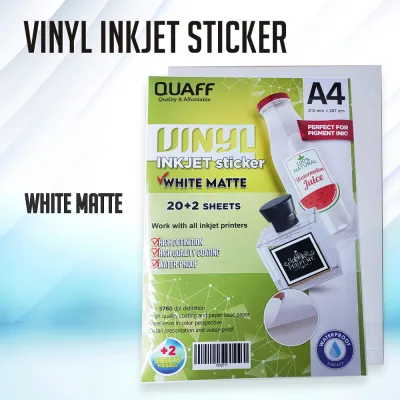
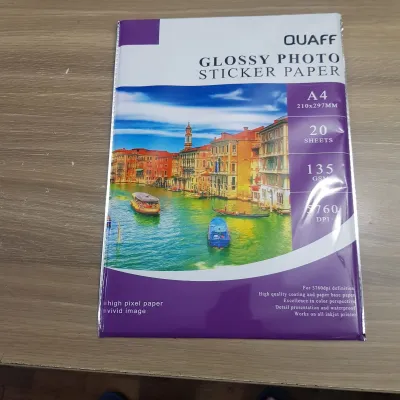
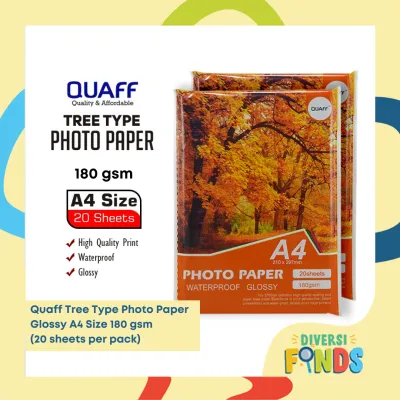
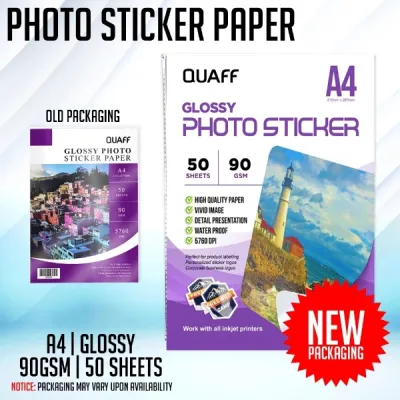
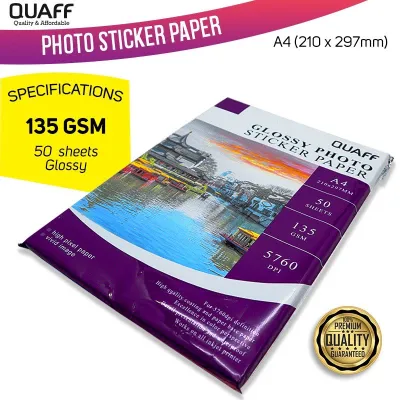
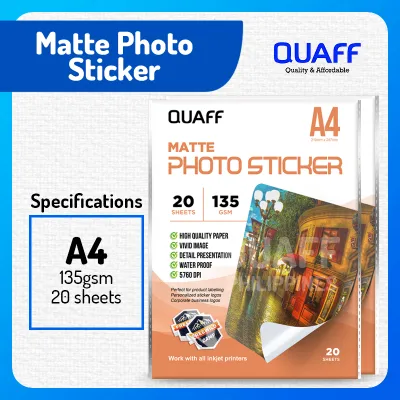
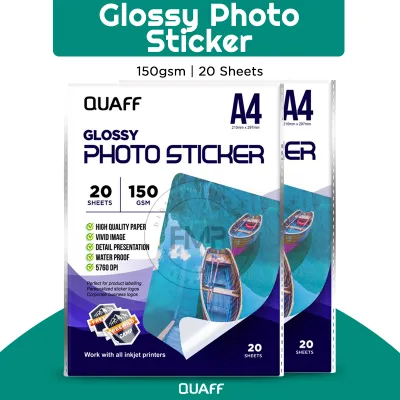
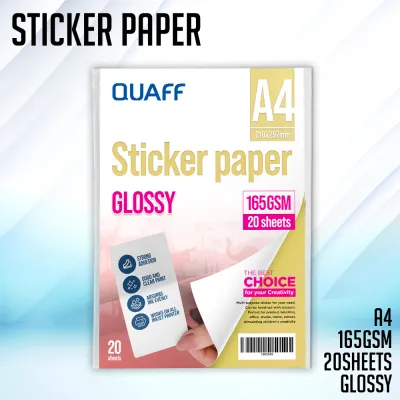
Prices are valid at publication and may change. Please refer to the product page for the latest price.
Understanding Sticker Materials and Water Resistance
To make an informed purchase, you must first understand the fundamental differences between the materials used to manufacture sticker sheets. Standard photo sticker paper is made from wood pulp, which naturally behaves like a sponge when it comes into contact with liquid. Even if the paper has a high-gloss coating that makes it look shiny and professional, this coating is designed to absorb inkjet ink, not to repel water. Once exposed to moisture, the paper fibers swell, leading to warping, tearing, and adhesive failure.
In contrast, synthetic sticker papers are made from plastics such as polyvinyl chloride (PVC), polyethylene terephthalate (PET), or vinyl. These materials are inherently waterproof because plastic fibers do not absorb liquids. When you print on printable vinyl, the water-resistant nature of the plastic base ensures that the sticker sheet itself will not dissolve or warp, making it the ideal foundation for items that require frequent washing or outdoor exposure.
However, a waterproof sticker base is only half of the equation; you must also consider the ink and surface treatment. Most home inkjet printers use dye-based inks, which are water-soluble and will smudge the moment they get wet, regardless of how waterproof the underlying sticker paper is. Pigment-based inks offer better water resistance, but for complete protection, a physical barrier is necessary. Applying a cold laminate film, often referred to as a photo top, over your printed design creates a sealed plastic sandwich that shields both the ink and the paper from external moisture.
When browsing product labels, it is also important to distinguish between “water-resistant” and “waterproof” claims. A water-resistant sticker is designed to survive minor splashes, light condensation, or a quick wipe with a damp cloth, making it suitable for indoor items like laptop covers or phone cases. A truly waterproof sticker, when properly printed and sealed, can survive complete submersion, heavy rain, and repeated hand-washing without losing its grip or showing signs of color degradation.
How to Verify Waterproof Features Before Purchasing
Because product packaging and online listings can sometimes be confusing, verifying the material specifications before you check out will save you time and money. When shopping on local ecommerce platforms or visiting stationery suppliers, look closely at the product titles and descriptions. Avoid listings that simply say “Glossy Photo Sticker” or “Matte Sticker Paper” without any mention of vinyl or synthetic materials, as these are almost always standard paper-based sheets.

Instead, search for specific material callouts such as “Printable Vinyl,” “PVC Sticker,” or “PP (Polypropylene) Sticker Paper.” These terms indicate a plastic-based construction that is inherently waterproof. Additionally, pay attention to the weight of the paper, measured in grams per square meter (gsm). While gsm indicates thickness rather than water resistance, synthetic vinyl stickers typically have a different weight profile and texture compared to standard 135gsm or 150gsm paper stickers.
If you are purchasing physical packs in a local store, examine the packaging for specific icons or text indicators. Manufacturers often include a water-drop icon or explicitly print terms like “Waterproof Vinyl” or “Water Resistant” on the front cover. Take a moment to feel the packaging if possible; synthetic sheets often feel slightly more flexible and plastic-like compared to the stiff, card-like feel of high-gsm paper sticker sheets.
When online descriptions are ambiguous or lack detailed specifications, do not hesitate to utilize the seller Q&A section or contact the shop directly. Ask clear, direct questions such as whether the sticker base is paper or plastic, and whether they recommend using a laminating film for water exposure. Checking customer reviews can also provide valuable real-world insights, especially when other crafters share photos of how the stickers performed after being applied to water bottles or outdoor gear.
Matching Quaff Sticker Types to Your Environment and Needs
Choosing the right sticker paper requires balancing your project’s environment with the material’s cost and printing requirements. For dry, indoor applications, standard paper-based photo stickers are highly practical and cost-effective. If you are decorating a personal journal, organizing paper planners, scrapbooking, or labeling indoor storage boxes, you do not need to spend extra on waterproof vinyl. Standard glossy or matte paper stickers print with exceptional color vibrancy, dry almost instantly, and are highly budget-friendly, typically costing only a few pesos per sheet.
For environments exposed to high humidity, sweat, or occasional splashes, you will need to step up to water-resistant or laminated options. Items like laptop covers, mobile phone cases, and school notebooks frequently come into contact with oils from your hands and minor spills. For these applications, printing on standard sticker paper and applying a matte, glossy, or holographic photo top film provides excellent protection against daily wear and tear without the higher cost of full vinyl sheets.
When it comes to high-exposure environments, such as water bottles, insulated tumblers, food packaging that requires refrigeration, or outdoor motorcycle decals, verified synthetic vinyl is non-negotiable. In the Philippines, outdoor stickers must endure intense tropical heat, high humidity, and heavy seasonal rains. Using a high-quality printable vinyl, paired with a protective laminate film to seal the edges, ensures your designs remain intact and vibrant despite harsh weather conditions and repeated washing.
As you select your materials, keep in mind the practical trade-offs between different finishes and thicknesses. Matte vinyl stickers offer a modern, glare-free look and are highly flexible, making them easier to apply to curved surfaces like mugs or bottles. Glossy vinyl stickers provide brilliant color depth and contrast, but they can be more prone to showing surface scratches. Thicker, laminated stickers offer maximum durability but may lift at the edges if applied to tight, complex curves, so matching the flexibility of the material to the shape of your object is key.
Safe At-Home Testing for Newly Purchased Stickers
Before you apply your custom stickers to valuable items or produce them in bulk for customers, conducting a simple, low-risk water test at home is the best way to verify their actual performance. This prevents the frustration of ruined prints and ensures your finished products meet your expectations. Always use a spare or duplicate sticker for testing so you do not waste your primary designs.
To perform a controlled water test, follow these simple steps:
- Print and Cut: Print a small test sheet containing a few colorful shapes using your standard printer settings. Cut out the test stickers as you normally would, ensuring the edges are clean.
- Apply to a Test Surface: Stick the test sample onto a clean, dry, non-porous surface that you do not mind getting wet, such as a plastic cup, a glass jar, or a spare piece of acrylic.
- The Water Drop Test: Place a few drops of water directly onto the printed surface of the sticker and let it sit undisturbed for five to ten minutes. Observe whether the ink begins to pool, run, or smudge.
- The Submersion Test: Submerge the entire test object in a bowl of room-temperature water for thirty minutes. This simulates the exposure a water bottle might experience during washing.
During and after the test, carefully observe how the sticker responds to the moisture. If the ink begins to bleed or fade while the sticker is wet, your sticker paper may be waterproof, but your ink is water-soluble. To resolve this, you will need to apply a clear cold laminating sheet over your prints before cutting them. If the paper backing becomes soft, mushy, or tears easily when rubbed gently with your thumb, the material is paper-based and is not suitable for wet environments.
Additionally, check the behavior of the adhesive along the edges of the sticker. If you notice the edges lifting, curling, or bubbling during submersion, the adhesive is not designed for wet applications. If the sticker passes these tests without ink bleeding, material degradation, or edge lifting, you can confidently proceed with applying your designs to your target items, knowing they will withstand daily moisture exposure.
Frequently Asked Questions (FAQ)
Can I make standard paper stickers waterproof by adding a clear coat?
You can significantly improve the water resistance of standard paper-based stickers by applying a protective top layer, though it may not make them completely waterproof for submersion. The most reliable method is to apply a self-adhesive cold laminating film, commonly known as a photo top, over the printed sheet before cutting. This physical plastic barrier shields the printed ink from direct contact with water and prevents surface smudging.
However, keep in mind that water can still seep in through the exposed paper edges of the cut sticker. Over time, this edge penetration can cause the paper base to swell and the adhesive to peel away. While liquid spray sealants, such as clear acrylic sprays, can also be used, they must be applied in very thin, even coats to prevent the solvent from reacting with and smudging your inkjet prints.
Will waterproof stickers leave residue when removed from water bottles?
Waterproof vinyl stickers generally utilize stronger, acrylic-based adhesives to ensure they remain firmly attached to surfaces when exposed to water and washing. Because of this strong bond, they can sometimes leave a sticky, tacky residue behind when you peel them off hard surfaces like stainless steel tumblers, glass bottles, or plastic containers.
To remove this residue safely without scratching or damaging your items, avoid using sharp metal tools. Instead, apply a small amount of common household cooking oil, baby oil, or isopropyl alcohol directly to the sticky area. Let it sit for a few minutes to break down the adhesive bonds, then gently wipe the residue away with a soft microfiber cloth and wash the surface with warm, soapy water.
Community discussion
Share your experience or ask a question. Comments are reviewed before publication.