
Choosing between a ballpen and a fountain pen is more than a matter of aesthetic preference; it is a decision that shapes your daily writing comfort, your ongoing maintenance routine, and your long-term stationery budget. In the Philippines, where high relative humidity can dramatically alter how paper absorbs ink and how quickly it dries, this choice carries practical consequences. While a ballpen offers immediate, reliable performance on almost any surface, a fountain pen provides an effortless, pressure-free glide that can transform writing from a chore into a mindful ritual. Understanding how these two writing instruments function, interact with paper, and fit into your lifestyle will help you make an informed investment.
Writing Experience and Line Quality
The fundamental difference between a ballpen and a fountain pen lies in how they deliver ink to the page. A ballpen utilizes a tiny, rotating metal ball—typically made of tungsten carbide—housed in a brass or steel tip. As you write, this ball rolls across the paper, pulling a highly viscous, oil-based ink from the reservoir. Because this ink is thick, writing with a ballpen requires consistent downward pressure. Over long writing sessions, this physical effort can lead to hand fatigue or cramping, though it provides excellent control and a highly consistent, uniform line width.
In contrast, a fountain pen operates on the principle of capillary action. Liquid, water-based ink flows from an internal reservoir through a plastic feed to a metal nib. When the nib touches the paper, the ink naturally transfers to the fibers without requiring any downward pressure. This effortless glide makes fountain pens highly ergonomic, allowing you to write for hours with minimal hand strain. Furthermore, fountain pen nibs offer incredible expressive potential. Depending on the nib size (ranging from extra-fine to broad) and shape (such as stub or flex nibs), you can achieve beautiful line variation and “shading,” where the ink pools naturally to create subtle gradients of color on the page.
Products mentioned in this guide
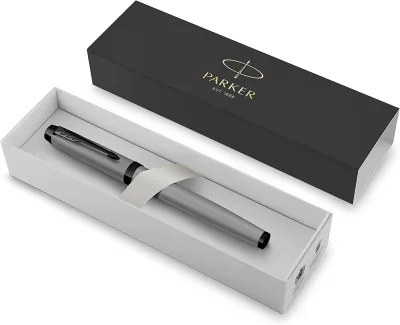
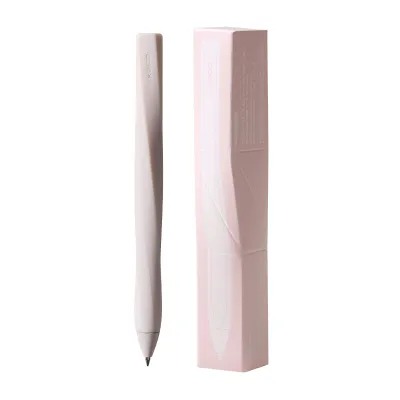
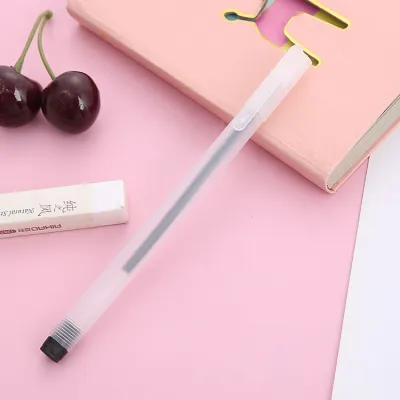
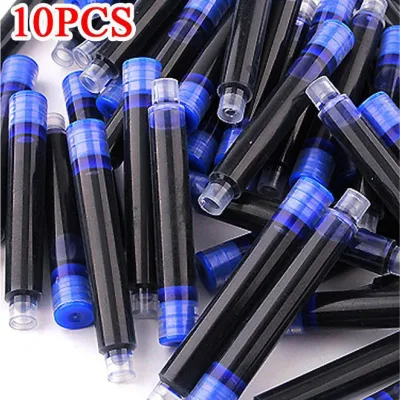
Prices are valid at publication and may change. Please refer to the product page for the latest price.
To evaluate these characteristics yourself, you can perform simple, observable checks on your daily writing paper. Draw a series of rapid, overlapping loops to test for skipping; a well-tuned pen should maintain a continuous line. To check drying times, write a single word and gently swipe your finger across it at one-second intervals. In humid tropical environments, you will quickly observe that ballpen ink dries almost instantly, while liquid fountain pen ink requires several seconds to set, depending on the paper’s absorbency.
Ink Systems, Paper Compatibility, and Maintenance
The practical realities of owning these pens diverge significantly when it comes to ink delivery and paper selection. Ballpens are designed for ultimate convenience. They use sealed, disposable refills that you simply swap out when empty, or the entire pen is discarded. This closed system is highly stable and virtually leak-proof, making it ideal for carrying in a pocket or bag without worry.

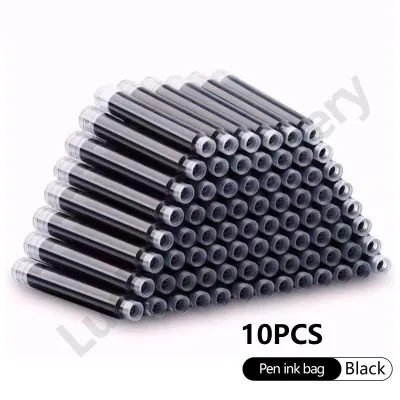
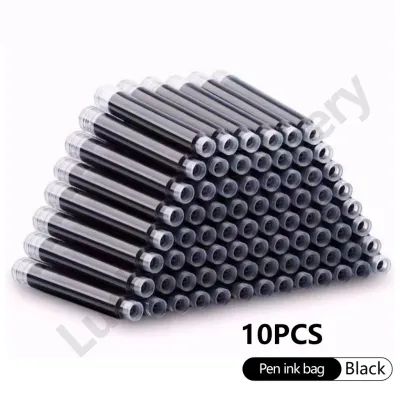
Fountain pens, however, offer a variety of ink systems that cater to different preferences. You can use convenient, disposable plastic cartridges, or install a converter, which is a refillable reservoir that allows you to draw ink directly from a bottle. Bottled ink opens up a vast world of colors, properties, and brands, but it requires a bit of manual handling.
This liquid ink system also makes fountain pens highly sensitive to paper quality. Because the ink is water-based, it penetrates the paper fibers. On thin, highly absorbent, or uncoated paper—such as standard 70gsm copy paper or cheap school notebooks—fountain pen ink can cause “feathering,” where the ink spreads sideways along the fibers, or “bleed-through,” where the ink leaks completely through to the back of the page. To enjoy a fountain pen, you must verify your paper compatibility, often opting for smoother, coated papers of 80gsm or higher. Ballpens, with their thick, oil-based ink, remain highly compatible with almost any paper grade, resisting bleed-through even on the thinnest sheets.
Maintenance is another key differentiator. A ballpen requires virtually no upkeep; you can leave it unused in a drawer for months, and it will write immediately when retrieved. A fountain pen requires routine cleaning to keep the ink flowing smoothly. Every few weeks, or whenever you change ink colors, you should flush the nib and feed with clean, room-temperature water to remove dried ink particles. If left unused for several weeks, the water in fountain pen ink can evaporate, causing the pen to clog and require a thorough soaking to restore functionality.
Upfront Costs and Long-Term Value
When evaluating the financial aspect of these writing tools, it is helpful to look at both the initial purchase price and the long-term cost of consumables. In the local market, entry-level ballpens are highly accessible. A basic, reliable disposable ballpen can cost as little as ₱10 to ₱30, while a refillable model with a durable plastic or metal body typically ranges from ₱150 to ₱500.
Starter fountain pens require a higher initial investment. Reliable entry-level fountain pens made of durable plastic generally start around ₱150 to ₱800, while sturdier models featuring aluminum or brass bodies can range from ₱1,000 to ₱2,500.
However, the long-term value dynamic shifts when you analyze the cost of ink. Standard ballpen refills must be replaced frequently and can cost anywhere from ₱30 to ₱150 each. In contrast, a single 50ml bottle of fountain pen ink, which can cost between ₱300 and ₱800, contains enough ink to fill a standard converter dozens of times, translating to a remarkably low cost per page.
Furthermore, fountain pens are built for longevity. While a cheap ballpen is often discarded when its mechanism fails or its body cracks, a well-made fountain pen can last for decades. Many manufacturers offer replaceable nibs and internal parts, meaning you can repair or upgrade your pen rather than replacing the entire instrument. This durability makes the fountain pen a highly sustainable choice that reduces plastic waste over time.
Decision Framework: Which Pen Should You Buy?
To determine which writing instrument best fits your daily routine, consider how your specific writing environment, physical comfort, and paper choices align with each pen’s strengths.
Choose a ballpen if:
- You prioritize convenience and need a tool that writes instantly on any surface, including carbon copies, glossy labels, or damp paper.
- Your daily work involves quick, interrupted notes, or you frequently hand your pen to others to sign documents.
- You prefer a zero-maintenance writing tool that can be tossed into a bag or pocket without any risk of leaking.
Choose a fountain pen if:
- You experience hand fatigue or cramping during long writing sessions and want a highly ergonomic, pressure-free writing experience.
- You enjoy personalizing your writing with unique ink colors, shading, and expressive line variation.
- You appreciate the ritual of maintaining your tools and want a durable, reusable instrument that reduces environmental waste.
Verify first if:
- You are left-handed, as you will need to check the drying times of different inks and paper combinations to prevent smudging.
- You must sign official legal or financial documents, which may require you to verify that your chosen fountain pen ink is water-resistant and archival-grade.
Frequently Asked Questions (FAQ)
Can I use fountain pen ink in a ballpen?
No, you cannot use fountain pen ink in a ballpen. Fountain pen ink is highly fluid and water-based, designed to flow through a feed via capillary action. Ballpen mechanisms, on the other hand, require a highly viscous, oil-based ink to coat and lubricate the rotating ball in the tip. If you attempt to fill a ballpen refill with fountain pen ink, the low-viscosity liquid will quickly leak out around the sides of the ball, creating a messy spill and failing to write. To ensure proper function, always check the manufacturer’s specifications to find the exact refill type designed for your specific ballpen casing.
How do I fix a scratchy fountain pen nib?
A scratchy sensation when writing can be caused by several factors, including trapped paper fibers, misaligned nib tines, or an incorrect writing angle. First, inspect the tip of the nib under a magnifying glass to see if paper fibers have become lodged in the slit, and gently remove them if present. If the metal tines of the nib are misaligned or uneven, this can cause one edge to scrape against the paper. While minor adjustments can sometimes be made by gently pressing the tines back into alignment, you should avoid using abrasive papers or tools yourself. If simple cleaning does not resolve the issue, stop and consult a professional nib tuner or an authorized stationery dealer to prevent permanent damage to the delicate metal tip.
Are ballpens better for left-handed writers?
Standard ballpens are often more convenient for left-handed writers because the thick, oil-based ink dries almost instantly upon contact with the paper. This rapid drying time minimizes the risk of the writer’s hand smudging the freshly written text as it moves from left to right across the page. However, left-handed writers can still successfully use fountain pens. If you prefer a fountain pen, verify the drying speed of your ink and look for fast-drying formulas. You can also opt for finer nib sizes, such as extra-fine or fine, which lay down less ink on the page, or explore specialized left-handed nib grinds designed to accommodate a pushing writing angle.
Community discussion
Share your experience or ask a question. Comments are reviewed before publication.