
Starting a new creative hobby can feel overwhelming when you are faced with aisles of specialized tools, unfamiliar mediums, and complex techniques. Arts and craft sets offer a structured entry point, bundling materials and instructions into a single package. For beginners in the Philippines, finding the right kit means balancing personal interest with practical considerations like local humidity, workspace limits, and the completeness of the package. A well-chosen DIY kit removes the friction of sourcing individual supplies, allowing you to focus entirely on the joy of creating your first project.
By choosing a kit designed specifically for novices, you avoid the common pitfall of buying expensive, professional-grade tools before you understand how to use them. These sets act as a guided introduction, helping you build basic skills and confidence. Whether you want to explore painting, paper crafting, or clay modeling, understanding what makes a kit beginner-friendly will ensure your first creative endeavor is satisfying rather than stressful.
What Makes a DIY Craft Kit Truly Beginner-Friendly?
A truly beginner-friendly arts and craft set must minimize frustration by providing a seamless, self-contained experience. The most critical factor is whether the kit is genuinely all-inclusive. Many products are marketed as complete but omit basic tools like scissors, specific adhesives, mixing cups, or measuring rulers. Before purchasing, review the contents list carefully to ensure you will not need to make an extra trip to a local stationery store just to get started.
Products mentioned in this guide
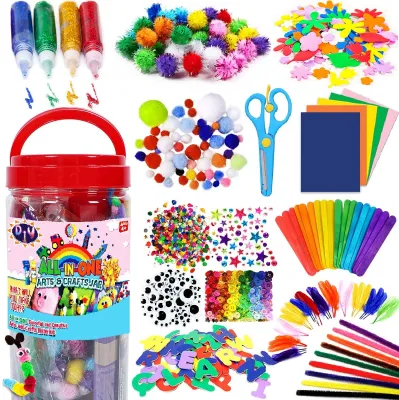
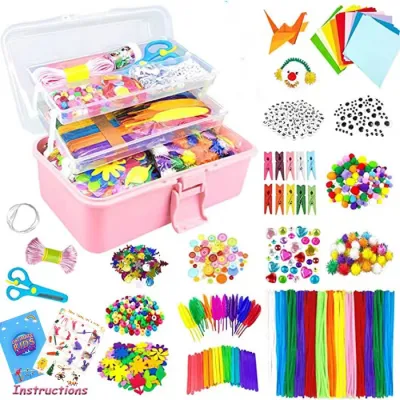
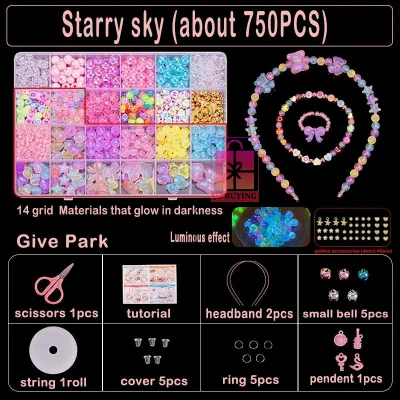
Prices are valid at publication and may change. Please refer to the product page for the latest price.
The clarity and format of the instructions are equally important for a novice. Look for kits that offer multi-modal guidance rather than a single sheet of poorly translated text. A printed step-by-step booklet with high-resolution color photographs is excellent for quick reference at your workspace. Additionally, kits that provide QR codes linking to high-quality video tutorials are highly beneficial for tactile crafts, as watching a live demonstration of a knotting, folding, or brush technique is often much easier to follow than written instructions.
Another key consideration is the forgiveness of the medium. Beginners inevitably make mistakes, so the materials should allow for easy correction and have a generous working window. For example, air-dry clay that remains pliable for several hours is far more forgiving than fast-setting epoxy resin or quick-drying acrylic paints that cure within minutes.
In the warm and humid climate of the Philippines, material behavior can change significantly. High humidity can prolong the drying time of water-based glues, watercolors, and acrylic paints, while dry, air-conditioned rooms might cause air-dry clay to dry out and crack prematurely. To manage this, perform a simple trial on a small scrap piece of the material first to observe how it dries in your specific home environment before committing to your main project.
Matching the Craft Type to Your Interests and Available Space
Before selecting a craft set, evaluate where and how you will work, as different mediums have distinct environmental and cleanup requirements. Painting and drawing kits, such as watercolor sets or paint-by-numbers canvases, are highly popular but require a dedicated, flat surface with consistent lighting. You will also need easy access to water for rinsing brushes and a safe area where a wet canvas can dry undisturbed for 24 to 48 hours without collecting dust or household debris. Keep in mind that acrylic paints can stain clothing and furniture permanently, making a protective table cover essential.

If you have limited space or prefer a low-mess setup, paper crafts and scrapbooking sets are highly practical options. These kits typically require only a clean table and minimal cleanup, as the tools—such as precision scissors, bone folders, and double-sided tape—are compact and easily storable in a drawer. However, paper is highly sensitive to tropical moisture. To prevent warping, yellowing, or mold growth in humid areas, store your paper-based kits in airtight plastic containers with silica gel packets when not in use.
Modeling and tactile crafts, such as air-dry clay sculpting, candle making, or punch needle embroidery, offer a satisfying hands-on experience but come with unique storage and environmental demands. Clay modeling requires a clean, non-porous work surface, like a silicone mat, and airtight containers to keep unused clay fresh. Candle making involves melting wax, which requires a heat source, heat-resistant containers, and proper ventilation to disperse fumes safely. Fiber crafts like punch needle require good close-up lighting to prevent eye strain and a secure storage box to keep sharp needles away from children or pets.
How to Evaluate Kit Contents and Instructions Before Buying
To avoid disappointment, look beyond the promotional images and scrutinize the technical specifications of the kit. Pay close attention to the exact quantity, volume, and dimensions of the consumables rather than relying on the total piece count advertised. A “120-piece set” may sound impressive, but the count is often inflated by including dozens of tiny plastic beads, paper clips, or toothpicks. Verify the actual volume of liquids, such as “five 12ml paint tubes,” and the physical dimensions of the canvas or paper to ensure the project is of a satisfying scale.
User reviews on online marketplaces are invaluable for identifying potential quality issues before you buy. Look specifically for feedback regarding the condition of the materials upon arrival. Common issues to watch out for include dried-out paint pots, brittle clay, frayed embroidery threads, or missing components. If multiple reviewers mention that the instruction manual is confusing, poorly translated, or lacks clear diagrams, it is a strong indicator that the kit may be difficult to complete.
Additionally, identify any hidden requirements that are not included in the box. Some kits require common household items that you might not have readily available, such as AA batteries for a motorized tool, a specific type of craft glue, a hair dryer for quick drying, or protective gear like gloves and safety glasses. Knowing these requirements in advance allows you to prepare your workspace and gather all necessary supplies before you begin.
Setting a Realistic Budget for Your First Arts and Craft Set
When starting a new hobby, it is wise to align your budget with your level of commitment. If you are completely new to a craft and simply want to test your interest, look for entry-level trial kits. In the Philippines, these kits typically cost between ₱150 and ₱400. They contain just enough materials for a single, small-scale project, such as a small paint-by-numbers board or a single macrame keychain. While the tools included are basic and often single-use, these kits allow you to explore a hobby without a significant financial commitment.
If you are committed to learning a specific craft thoroughly, investing in a comprehensive starter set priced between ₱500 and ₱1,500 is often more economical in the long run. These sets feature higher-quality materials and durable, reusable tools—such as sturdy aluminum crochet hooks, high-grade paintbrushes, or metal carving tools—that you can use for future projects. The consumables are also provided in larger quantities, giving you room to practice, make mistakes, and refine your technique.
When comparing kits, evaluate the ratio of reusable tools to single-use consumables to determine the long-term value. A kit that consists entirely of single-use items, such as a resin casting kit where all the resin and molds are used up in one go, has a high cost-per-use. Conversely, a kit that includes reusable molds, high-quality tools, or a detailed guidebook offers excellent value, as you only need to purchase inexpensive refills of the raw materials for your next project.
Where to Buy and What to Check Upon Delivery
Choosing where to buy your craft set depends on whether you prefer convenience or physical inspection. Online e-commerce platforms offer an unmatched variety of craft kits, often at lower prices, and allow you to read reviews from other buyers in the Philippines. However, purchasing from a physical stationery or craft store allows you to inspect the packaging for damage, feel the weight of the tools, and verify the freshness of perishable items like clay or paint before spending your money.
If you choose to buy online, take immediate action once your package arrives to ensure a smooth start. Open the box and inspect all liquid containers, such as paints, glues, or varnishes, for leaks or cracked caps. Touch clay or dough packages to ensure they are still soft and sealed airtight. Count the items against the packing list to confirm that no crucial tools or instruction booklets are missing.
Do not throw away the shipping packaging or start using the materials until you have verified that everything is complete and undamaged. Most online platforms and physical stores have strict return windows, often requiring photo or video proof of the damaged or missing items. Taking a quick unboxing video is a highly effective way to secure a hassle-free return or exchange if your DIY kit arrives defective.
Frequently Asked Questions (FAQ)
Are arts and craft sets suitable for young children?
Many beginner craft kits are designed specifically for adults or older teens and may not be safe or suitable for young children. Always check the recommended age range and non-toxic certifications, such as EN71 or ASTM D-4236, printed on the packaging. Avoid kits that contain small parts that pose choking hazards, sharp cutting tools like utility knives, or strong chemical solvents and adhesives. For children, look for specialized kids’ craft sets that feature water-based, washable materials and oversized, blunt-tipped tools.
What should I do if my kit is missing a crucial material?
If you discover a missing item, contact the seller or manufacturer immediately through their customer service channel, providing your order details and a photo of the kit’s contents. While waiting for a response, you can often find inexpensive substitutes at a local neighborhood stationery store. Common items like school glue, basic acrylic paint, standard sewing thread, or utility scissors are easily sourced locally, allowing you to continue your project without waiting days for a replacement part to ship.
Community discussion
Share your experience or ask a question. Comments are reviewed before publication.