
Finding the right planning tool requires understanding both your physical space and your organizational habits. In the Philippine market, searching for a “calendar 17×22” often leads to a common point of confusion: the unit of measurement. A 17×22 calendar can either refer to a massive 17×22 inch (approx. 43×56 cm) desk blotter or jumbo wall planner, or a highly compact 17×22 centimeter (approx. 6.7×8.6 inches) personal desk calendar. Both formats serve distinct planning purposes, but choosing the wrong one can result in a calendar that either swallows your entire workspace or is too small to read from across the room.
Whether you are setting up a shared family schedule in a busy household, managing project timelines in a corporate office, or organizing daily tasks in a compact home office, matching the format to your environment is essential. This guide breaks down the best options available in the Philippines, detailing how to evaluate paper quality, binding styles, and layouts so you can select the perfect tool to keep your year on track.
How to Choose the Right 17×22 Calendar for Your Space
Selecting the ideal calendar 17×22 format requires looking closely at product specifications, paper characteristics, and physical construction. Because listings on online marketplaces and specialty stationery shops can be ambiguous, a systematic evaluation will prevent purchasing mistakes and ensure the product fits your daily workflow.
Products mentioned in this guide
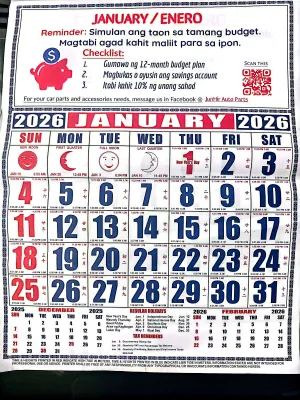
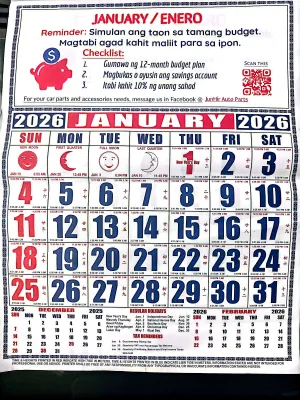
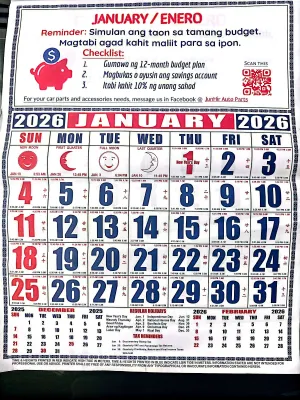
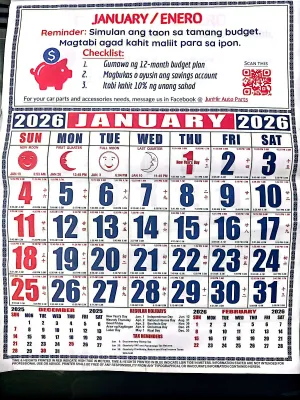
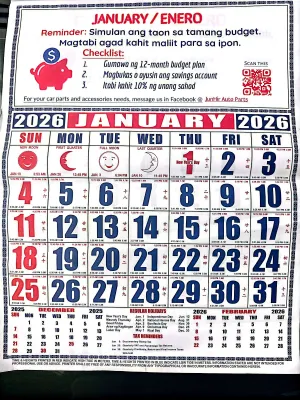
Prices are valid at publication and may change. Please refer to the product page for the latest price.
Dimension Clarification: Inches vs. Centimeters
The most critical step in your buying journey is verifying the unit of measurement. A 17×22 inch calendar is a large-format stationery item. It is designed to lie flat as a protective desk blotter or hang prominently on a wall, offering a sweeping overview of your month. Conversely, a 17×22 centimeter calendar is roughly the size of a standard A5 notebook. It is built for close-range desk use, personal task tracking, or small-space planning. Misinterpreting these units is a frequent purchasing error, so always double-check the product dimensions in the technical specifications before finalizing your order.
Paper and Ink Compatibility
The paper weight, measured in Grams per Square Meter (GSM), directly dictates which writing instruments you can use without ruining subsequent pages. Standard mass-produced calendars often use thin 70 to 80 GSM paper, which is highly prone to ink feathering, ghosting, and bleed-through. If you prefer using gel pens, fine-liners, or fountain pens, look for premium calendars featuring 100 to 120 GSM paper.
Furthermore, pay attention to the paper’s finish. Matte, uncoated paper absorbs ink quickly, making it ideal for fast-paced writing and preventing smudges. Glossy or coated paper looks vibrant but slows down ink drying times significantly. In the humid tropical climate of the Philippines, slow-drying ink on glossy paper is highly susceptible to smudging, making matte paper the superior choice for daily planning.
Binding and Mounting Styles
The physical construction of your calendar determines how well it functions in its designated spot. Wire-O binding and double-loop spiral coils allow pages to turn smoothly and lay completely flat, which is excellent for both hanging wall displays and desk planners. Top-bound glue pads, common in large desk blotters, allow you to cleanly tear off each month as it ends, but the bottom corners can curl over time if they lack protective vinyl or cardboard corners. For wall mounting, look for calendars with built-in metal hanging loops or reinforced punched holes that won’t tear under the weight of heavy paper.
Layout Variations
Your planning style should dictate the calendar’s layout. Monthly grids with large, open blocks are ideal for high-level planning, tracking deadlines, and marking holidays. Weekly column layouts provide a more granular view, allowing you to segment your days by the hour or by category. If you need to manage multiple projects or track habits, look for layouts that include dedicated sidebars for notes, to-do lists, and future-month reference grids.
Best 17×22 Wall Calendars for High-Visibility Planning
When the 17×22 dimension refers to inches, these large-format calendars excel as high-visibility wall displays. They serve as an excellent visual anchor for groups, allowing multiple people to coordinate schedules at a single glance.

Best for Office and Team Scheduling
For shared professional environments, a 17×22 inch wall calendar acts as a central hub for team coordination. These large-format calendars feature bold, high-contrast grids and clean typography that can be easily read from several meters away. This visibility is crucial for tracking team leaves, project milestones, and client meetings in open-plan offices or conference rooms.
Laminated, dry-erase surfaces are particularly beneficial for dynamic office environments where schedules change rapidly. They allow you to write, erase, and reposition tasks without wasting paper. However, these surfaces require low-odor dry-erase markers to prevent strong chemical smells in enclosed, air-conditioned office spaces. Additionally, because a laminated 17×22 inch calendar with a rigid backing has significant physical weight, standard adhesive tapes will not suffice. You must use sturdy wall anchors, heavy-duty mounting hooks, or magnetic strips if attaching it to steel office partitions.
Best for Home and Family Organization
Managing a busy household—coordinating school projects, family gatherings, doctor appointments, and utility bill due dates—requires a highly visible central planner. A 17×22 inch wall calendar placed in a high-traffic area like the kitchen or living room keeps everyone aligned. For family use, multi-column layouts are exceptionally helpful, allowing you to dedicate specific columns or color-coded rows to different family members.
Aesthetic integration is also key for home calendars. Instead of stark, corporate designs, look for options featuring minimalist borders, soft pastel color palettes, or elegant botanical illustrations that complement your home decor. Because family members of all ages will write on the calendar using whatever writing instrument is at hand—ranging from ballpoint pens to thick permanent markers—it is crucial to select a calendar with thick, high-quality paper (at least 120 GSM). This prevents ink from bleeding through and ruining the grid for the subsequent months.
Top 17×22 Desk Calendars for Daily Task Management
If your work requires close-up planning, a desk-based format is highly effective. If you choose a large 17×22 inch desk blotter, you gain a massive workspace protector that keeps your monthly schedule directly beneath your keyboard and hands. Alternatively, a 17×22 centimeter desk calendar provides a compact, personal planning space that sits neatly alongside your computer monitor.
Best for Detailed Daily Task Tracking
For detailed daily tracking, prioritize layouts that offer generous writing blocks, dedicated checklist sections, and blank spaces for brainstorming or daily reflections. Because your wrists and arms will constantly rest on a desk calendar, the paper must be durable enough to resist wear and tear. Heavy-weight paper of 100 GSM or higher is essential here to handle heavy ink flow from gel pens and highlighters without feathering.
To prevent the edges of a large desk blotter from curling due to constant friction, look for models equipped with clear vinyl corner protectors or a sturdy cardboard backing. Keep in mind that a full-sized 17×22 inch blotter consumes a significant amount of desk real estate, making it best suited for spacious executive desks rather than compact workstations.
Best for Minimalist and Flexible Workspaces
For professionals who prefer clean aesthetics or have unpredictable schedules, minimalist and flexible calendar designs are ideal. Tear-off pad styles with a simple glue binding at the top offer a clean, clutter-free look. Undated 17×22 formats are particularly valuable for those who want to avoid wasting paper. If you have a quiet month or travel frequently, you can simply skip pages and fill in the dates manually when you return to your desk.
These minimalist calendars often feature subtle, elegant typography and generous white space, helping to reduce visual clutter on your desk. To keep a compact 17×22 cm calendar stable and upright, look for options that come with a sleek acrylic stand or a weighted, non-slip base. This setup allows you to position the calendar at a comfortable viewing angle without taking up valuable flat desk space, keeping your keyboard and mouse areas completely unobstructed.
Quick Comparison: Wall Display vs. Desk Planning Formats
To help you decide which format best suits your daily routine, the table below summarizes the key differences between wall-mounted and desk-based 17×22 calendars.
| Format Type | Typical Dimension Unit | Ideal Layout Style | Mounting/Base Type | Best Use Case |
|---|---|---|---|---|
| Wall Calendar (Large) | Inches (17×22 in) | High-contrast monthly grid with large blocks | Wall hooks, metal eyelets, or heavy-duty adhesive strips | Shared office scheduling, team project tracking, and family organization. |
| Wall Calendar (Small) | Centimeters (17×22 cm) | Compact monthly or weekly view | Lightweight hanging cord or small adhesive hooks | Small home offices, bedrooms, or limited wall spaces. |
| Desk Blotter | Inches (17×22 in) | Monthly grid with sidebars for notes and checklists | Flat desk placement with corner protectors | Spacious desks, executive offices, and heavy daily writing. |
| Desk Planner (Compact) | Centimeters (17×22 cm) | Detailed weekly columns or daily blocks | Weighted acrylic stands, fold-out cardboard bases, or non-slip backing | Minimalist workspaces, small desks, and personal task tracking. |
Before purchasing a 17×22 calendar from online stationery stores or local e-commerce platforms, it is vital to physically measure your intended space. Use a tape measure to check the depth of your desk or the clear wall area above your workspace. This simple step ensures that your chosen calendar fits perfectly without crowding your computer setup or hanging awkwardly over wall fixtures.
Practical Tips for Mounting and Maintaining Your Calendar
Proper installation and maintenance will extend the life of your calendar, ensuring it remains clean, legible, and structurally sound throughout the year.
- Wall Mounting: Hanging a large 17×22 inch paper calendar requires proper support to prevent it from sagging or falling. For a damage-free installation, especially in rental properties, use high-quality adhesive strips or magnetic poster hangers designed to hold the specific weight of your calendar. Before applying any adhesive, clean the wall surface thoroughly to remove dust and oils. Always verify the weight capacity of the adhesive product and test it on a small, inconspicuous area of your wall first to ensure it won't damage the paint upon removal.
- Desk Stability: To keep a compact 17×22 cm desk calendar from sliding around when you write, place a thin silicone non-slip pad underneath its base. If you are using a stand-up model, a weighted acrylic or wooden stand provides excellent stability, preventing the calendar from tipping over when caught in the draft of an electric fan or air conditioning unit.
- Humidity and Paper Care: The tropical climate in the Philippines presents unique challenges for paper products. High humidity can cause calendar pages to absorb moisture, leading to unsightly curling, warping, and slower ink drying times. To protect your calendar, keep it away from open windows where damp air or sudden rain showers can reach it. When using a new pen, marker, or highlighter, always conduct a quick trial on a back page or an inconspicuous corner first. This allows you to verify how the ink reacts with the paper, checking for bleed-through, feathering, and drying speed before writing important schedules on the main grid.
Frequently Asked Questions (FAQ)
Can a 17×22 inch calendar fit on a standard office desk?
A 17×22 inch calendar is generally too large to lie flat on a standard office desk without obstructing your keyboard, mouse, or laptop. This size is designed as a full desk blotter, meaning it will occupy a significant portion of your workspace. If your desk is compact or crowded, a 17×22 inch calendar is much better suited for wall mounting directly above your desk. If you prefer a calendar that sits on your desk without taking over, look for a compact 17×22 centimeter alternative instead.
Which pens prevent smudging and bleed-through on large calendar paper?
To prevent smudging and bleed-through, use quick-drying ballpoint pens, fine-liners with water-resistant pigment ink, or gel pens with rapid-dry ink technology. Avoid using high-flow fountain pens, heavy permanent markers, or wet gel pens on standard-weight calendar paper, as they will easily bleed through to the next month’s page. If you must use highlighters, choose dry highlighters or mild, water-based pastel markers, and always test them on a corner of the paper first to verify drying speed and bleed resistance.
Is it better to buy dated or undated 17×22 calendars for year-round planning?
The choice depends on your preference for convenience versus flexibility. Dated calendars are ready to use immediately and provide a structured layout for the entire calendar year, making them ideal for traditional office scheduling. Undated calendars offer maximum flexibility, allowing you to start planning at any point in the year without wasting pages if you skip a month. However, undated formats require a minor time investment, as you must manually fill in the dates and days of the week for each month before you begin planning.
Community discussion
Share your experience or ask a question. Comments are reviewed before publication.