
The choice of an acrylic marker brush tip dictates the success of your creative projects, acting as the primary bridge between your artistic intent and the physical medium. Because acrylic paint is highly viscous and dries to a permanent, water-resistant plastic film, the design, material, and flexibility of your marker’s tip are critical factors that influence ink flow and line control. Matching the right tip style to your specific application—whether it is the elegant swells of hand lettering, the precise hatching of detailed illustration, or the heavy coverage required for DIY crafts—ensures clean results and extends the life of your tools.
Unlike standard water-based or alcohol-based ink markers, which flow easily through simple felt nibs, acrylic paint markers demand specialized tips to handle their dense, pigment-rich formulas. Selecting the wrong tip type can lead to premature fraying, uneven paint distribution, or a complete clog, ruining both your artwork and your writing instrument. By understanding how different tip materials and shapes interact with various surfaces, you can make an informed decision that elevates your creative output and maximizes your stationery budget.
Understanding Acrylic Marker Brush Tip Basics
To choose the right acrylic marker brush tip, you must first understand the structural differences between tip materials. Brush tips in the acrylic marker category generally fall into two classifications: individual synthetic bristles and molded elastomer or felt-style brush nibs. Synthetic bristle tips, typically made of high-grade nylon fibers, mimic the behavior of a traditional paintbrush by splaying and snapping back with organic movement. Molded elastomer tips are single-piece, porous plastic structures that offer a more predictable, rubbery bounce, making them easier for beginners to control.
Products mentioned in this guide
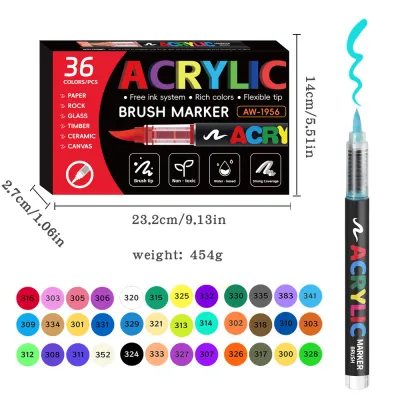
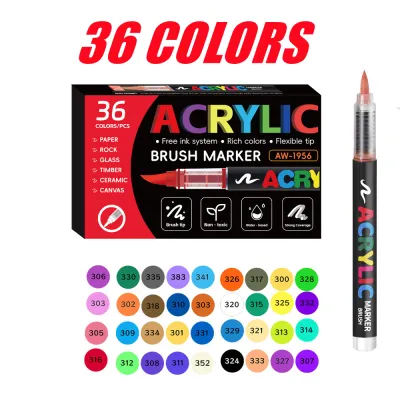
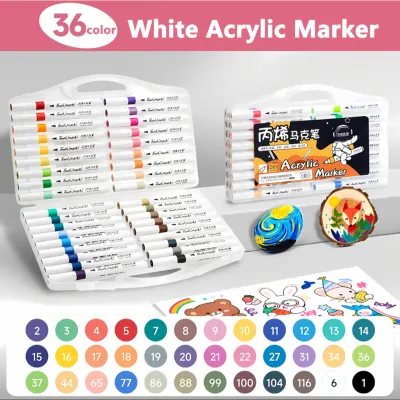
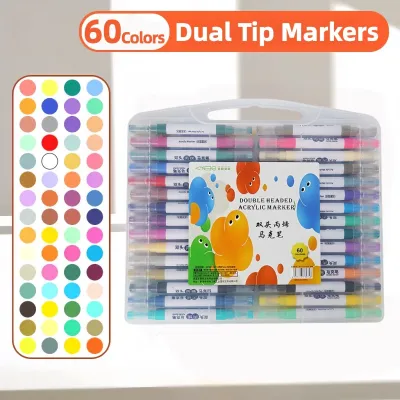
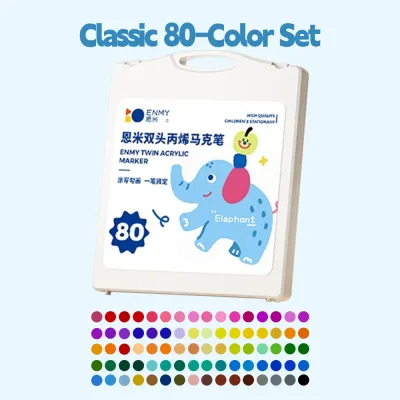
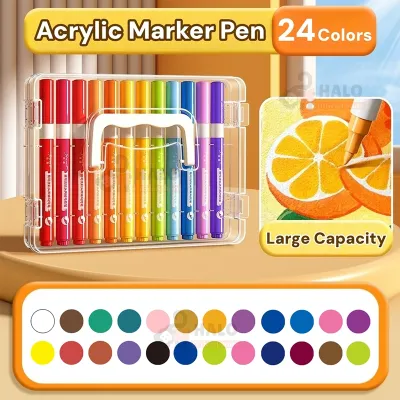
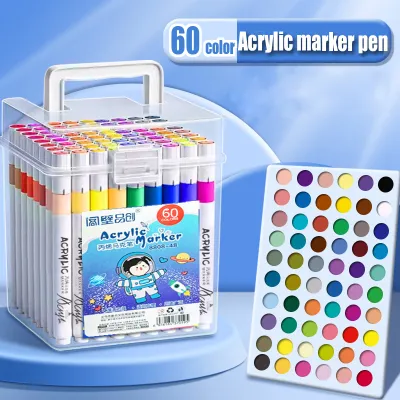
Prices are valid at publication and may change. Please refer to the product page for the latest price.
Tip flexibility directly determines how your marker responds to hand pressure and how much line variation you can achieve. A highly flexible tip bends easily under light pressure, widening the contact area to deposit a thick line of paint, and springs back to a fine point when you lift your hand. Stiffer tips require more deliberate force to flex, providing a more uniform line width that is ideal for structured drawing. The internal capillary system of the marker must match this flexibility, ensuring that paint flows consistently to the tip regardless of how much the fibers are bent or compressed.
Acrylic marker tips are categorized by their physical dimensions, which directly correlate with stroke width and paint capacity. Fine tips typically measure between 0.5mm and 2mm, designed for tight spaces and delicate linework. Medium tips range from 2mm to 5mm, offering a versatile balance of line variation and surface coverage. Broad tips, measuring 5mm to 8mm or larger, act like flat wash brushes, holding a significant volume of paint to cover expansive areas quickly.
The high viscosity of acrylic ink plays a major role in how these tips perform over time. Acrylic paint consists of heavy color pigments suspended in an acrylic polymer emulsion, making it much thicker than dye-based inks. This high density requires synthetic fibers or porous plastics that can draw the heavy paint smoothly without drying out mid-stroke. The physical drag of this viscous paint also means that low-quality tips will wear down or clog much faster, highlighting the importance of choosing durable, well-engineered synthetic materials.
Best Brush Tip Types for Calligraphy and Lettering
Hand lettering and calligraphy rely heavily on contrast, specifically the dramatic transition between thin upstrokes and thick downstrokes. To achieve this dynamic variation, you need a flexible fine-to-medium synthetic brush tip. Nylon bristle tips are particularly well-suited for this task because they offer the elastic recovery needed to snap back instantly to a sharp point after being pressed flat on a downstroke. This springiness allows calligraphers to maintain clean, crisp transitions without the paint pooling or the letters losing their shape.

Consistent, skip-free ink flow is essential when executing continuous script letterforms. If a marker’s flow lags behind your hand movement, it creates dry patches or “railroading”—a defect where the paint splits into two parallel lines with an empty space in the middle. High-quality calligraphy brush markers utilize a reliable pump-action valve or a high-porosity capillary feed to keep the tip saturated with wet paint throughout long, sweeping strokes. This ensures that every letter has an opaque, solid fill without requiring you to lift the marker and disrupt your rhythm.
Because calligraphy tips are highly flexible and delicate, they must be paired with the correct surface to prevent premature wear. Rough papers act like sandpaper on synthetic fibers, shredding the delicate tip and causing it to lose its sharp point. For the best results, use smooth, non-porous surfaces, heavy-weight coated cardstock, or specialized marker pads. If you are practicing on paper, look for ultra-smooth sheets that allow the brush tip to glide effortlessly without catching or fraying.
Using the wrong tip type for script work can lead to frustrating results and ruined projects. Stiff, rigid tips or excessively broad chisel-style markers limit your control over line thickness, making it nearly impossible to create delicate upstrokes. Furthermore, using a soft, overly saturated broad tip can cause heavy acrylic paint to pool at the base of your letters, filling in the loops of characters like “e” or “o” and turning your calligraphy into an illegible smudge.
Ideal Brush Tips for Illustration and Detail Work
For illustration, sketching, and intricate character design, precision and control take precedence over dramatic line variation. Fine and extra-fine pointed brush tips, measuring between 0.5mm and 1.5mm, are the ideal tools for this creative application. These tips allow you to execute clean outlines, delicate cross-hatching, and minute textures with the accuracy of a technical pen, but with the softer, organic feel of a brush.
Unlike the highly flexible tips used for calligraphy, illustration tips benefit from being slightly stiffer. A firmer, resilient fine tip offers superior directional control, resisting accidental bending when you change drawing directions quickly. This structural rigidity ensures that your lines remain uniform in thickness, which is crucial for clean comic-style inking, architectural sketching, or rendering fine details on small scale models.
One of the greatest advantages of using acrylic paint markers for illustration is their exceptional layering capability. Because high-quality acrylic ink dries to an opaque, water-resistant film, you can use a fine brush tip to apply bright highlights or intricate details directly over dark, dry background washes. The soft synthetic fibers of a quality brush tip will glide over the dry base layer without scratching, reactivating, or lifting the underlying paint, allowing for complex, multi-layered compositions.
While acrylic paint is known for drying quickly, fine brush tips can still be used for subtle blending and wet-in-wet techniques on a small scale. By working rapidly on a non-porous surface, you can use the soft point of the brush tip to feather out edges or mix two wet colors directly on your artwork. This technique is highly effective for creating smooth gradients, soft shadows, or realistic skin tones before the acrylic emulsion cures into its permanent state.
Choosing Brush Tips for DIY Crafts and Broad Coverage
DIY craft projects often involve working on large, non-traditional canvases such as tote bags, raw wood, terracotta pots, or unglazed ceramics. For these applications, small, delicate tips are highly impractical. Instead, you should opt for broad, chisel-style, or large round synthetic brush tips. These wide tips act like flat paintbrushes, allowing you to lay down wide, sweeping blocks of solid color quickly and evenly, saving time and reducing hand fatigue.
Durability is a paramount concern when crafting on textured or abrasive surfaces. Raw wood, canvas, and stone will quickly tear apart standard felt tips or delicate calligraphy bristles. To withstand this friction, look for heavy-duty, fray-resistant synthetic nylon bristles that are specifically engineered for rough materials. These robust tips maintain their structural integrity even when dragged across coarse fabrics or uneven surfaces, ensuring a long lifespan for your markers.
To prevent dry patches and unsightly streaking on large craft surfaces, your marker must deliver high ink saturation. Broad brush tips require a large internal paint reservoir and an efficient flow valve to keep the wide tip fully saturated with wet paint. This high-volume paint delivery ensures that the acrylic emulsion fills the deep pores of materials like wood or canvas, resulting in a solid, opaque coat of color in a single pass.
Despite their size, broad brush tips can still offer excellent edge control if used correctly. By tilting the marker and utilizing the sharp edge or corner of a chisel-style brush tip, you can paint clean, straight borders and sharp geometric shapes without needing to switch to a smaller marker. This versatility makes broad brush markers highly efficient tools for sign-making, customizing footwear, or executing bold mural work.
Cross-Scenario Compatibility: Can One Marker Do It All?
For creators working across multiple disciplines, purchasing separate marker sets for lettering, drawing, and crafting can be a significant financial investment. A single, high-quality marker set in a medium-flexibility, medium-sized brush tip (around 2mm to 3mm) can serve as a highly functional compromise. This middle-ground size is small enough to handle basic outlines and medium-scale illustrations, yet flexible enough to produce respectable line variation for casual hand lettering.
However, it is important to recognize the physical limitations of a single, versatile tip. A medium brush tip will inevitably fall short at the extreme ends of the creative spectrum. It cannot produce the microscopic, hair-thin lines required for professional drafting or ultra-detailed miniature painting. Conversely, trying to paint a large wooden sign or a canvas tote bag with a medium tip will take an immense amount of time, exhaust your ink supply rapidly, and likely leave visible, streaky stroke marks across the surface.
If you want to explore various creative avenues without over-investing, a practical approach is to build a targeted starter set consisting of three distinct marker sizes. Acquire a stiff, extra-fine tip (0.7mm) for precise outlining and detailing; a medium, highly flexible brush tip (3mm) for calligraphy and general coloring; and a single broad, heavy-duty chisel-style marker (8mm) in a neutral shade or white for large fills and background preparation. This balanced combination provides the necessary tools for almost any art or craft project while keeping your stationery costs manageable.
Practical Tips for Testing and Maintaining Brush Tips
Before starting any major art piece or craft project, always perform a swatch test on a scrap piece of your intended surface. This test allows you to evaluate how the acrylic ink flows, how fast it dries, and how much pressure is required to achieve your desired line variation. It also helps you determine if the surface is too porous, which could lead to excessive paint absorption, or too slick, which might cause the wet paint to bead up or pool.
Proper maintenance is essential to prevent the viscous acrylic paint from drying inside the fibers and ruining your brush tip. After each creative session, gently wipe any excess wet paint from the tip using a damp, lint-free cloth, taking care not to fray the bristles. Always store your acrylic markers horizontally; this keeps the heavy color pigments evenly distributed throughout the ink barrel, preventing the tip from becoming either completely flooded with paint or starved of pigment.
Environmental factors, particularly humidity, play a significant role in how acrylic paint behaves. In humid tropical climates like the Philippines, acrylic ink dries slightly slower on non-porous surfaces like glass, plastic, or glazed ceramics. While this extended drying time gives you more opportunity to blend colors, it also increases the risk of accidental smudging. Exercise patience, allowing each layer to dry completely before applying subsequent strokes, and consider working in a well-ventilated or air-conditioned space to help the paint cure evenly.
If your synthetic brush tips begin to show minor fraying, you can often revive them rather than discarding the marker. Gently dip the frayed synthetic tip into warm (not boiling) water for five to ten seconds, then use your fingers to carefully reshape the wet fibers back into a sharp point. Allow the tip to dry completely before writing. Never use harsh chemical solvents like acetone or alcohol to clean or reshape the tips, as these substances can dissolve the adhesives holding the bristles or melt the plastic housing of the marker.
Frequently Asked Questions (FAQ)
How do I fix a frayed acrylic marker brush tip?
To fix minor fraying on synthetic bristles, gently dip the tip into warm water for a few seconds, then use your fingers to reshape the fibers back into a sharp point. Let it dry completely before use. Note that severely splayed, split, or melted tips cannot be repaired and will require a replacement nib or a new marker.
Are acrylic marker brush tips suitable for fabric?
Yes, synthetic brush tips work well on fabrics like canvas, denim, and cotton, though broad tips are best for ensuring deep ink saturation. To make your fabric designs permanent and washable, allow the acrylic paint to dry completely for 24 hours, then heat-set the design with an iron according to the marker manufacturer’s instructions.
Why is my acrylic marker brush tip skipping on certain surfaces?
Skipping typically occurs when the surface is too porous, dusty, or oily, which clogs the tip’s capillary feed or saps the paint too quickly. Always clean and prime your surface before painting. If the brush tip is already clogged with dried paint residue, gently wipe it with a damp, lint-free cloth to restore smooth flow.
Community discussion
Share your experience or ask a question. Comments are reviewed before publication.