
Selecting the right arts and craft sets for elementary school art classes in the Philippines requires balancing educational utility, physical safety, and practical classroom management. Art education plays a vital role in developing fine motor skills, spatial reasoning, and creative expression in young learners. However, the school environment introduces unique challenges, such as the need for quick-drying materials to fit within a short class period, easily washable formulas to protect school uniforms, and durable packaging that can withstand daily transport in a student’s backpack. By choosing sets tailored to specific grade levels and project requirements, parents and educators can ensure a productive, frustration-free creative experience.
In the Philippine school system, art projects often span a wide range of mediums, from basic drawing and coloring to complex three-dimensional models and cultural crafts. The high relative humidity and tropical climate also affect how materials behave; for instance, certain glues may take longer to cure, and paper products can absorb moisture from the air, affecting how ink and paint are absorbed. Therefore, understanding the technical specifications of different art supplies’such as ink drying speeds, paper compatibility, and adhesive strengths’is essential before making a purchase.
Key Criteria for Choosing Elementary Arts and Craft Sets
When evaluating different arts and craft sets, several practical factors should guide your decision to ensure the supplies are both functional and safe for classroom use.
Products mentioned in this guide
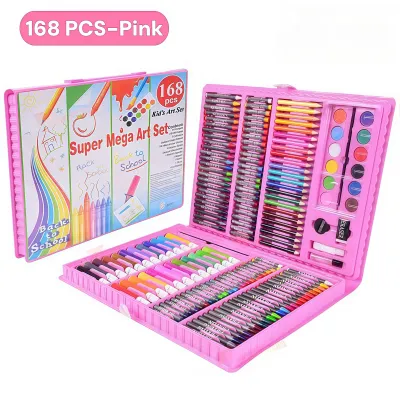
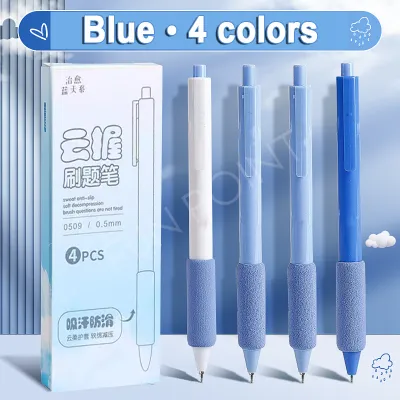
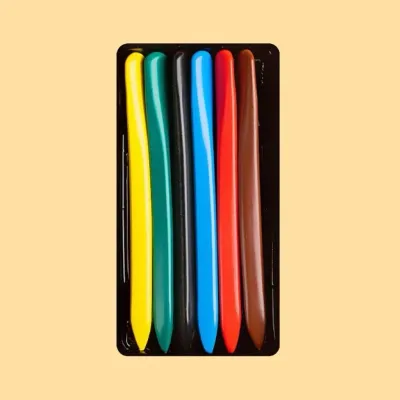
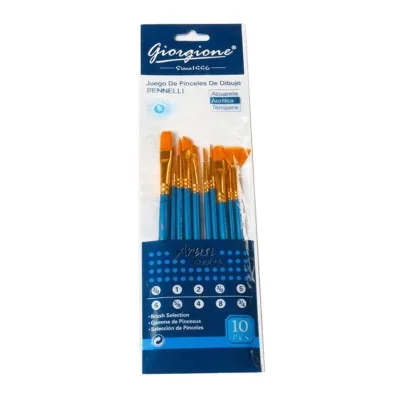
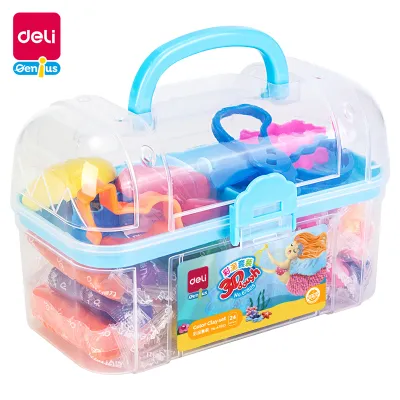
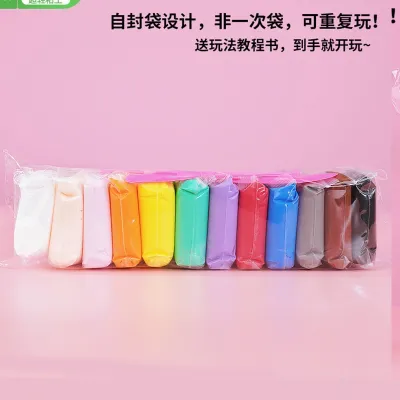
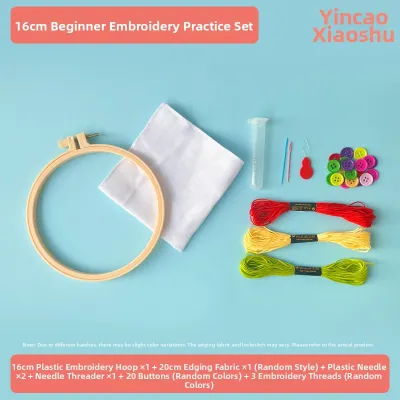
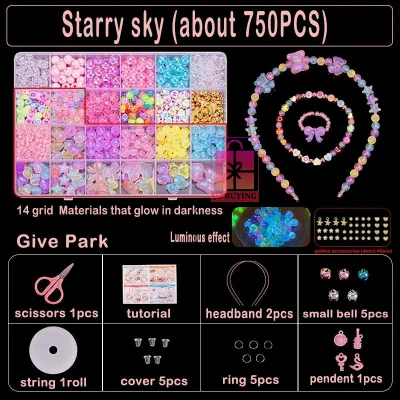
Prices are valid at publication and may change. Please refer to the product page for the latest price.
Age Appropriateness and Motor Skills
A child’s physical development dictates the types of tools they can comfortably and safely control. In early elementary grades, children are still developing their tripod grip and fine motor coordination. For these students, art sets featuring jumbo-sized crayons, thick triangular markers, and soft modeling dough are highly beneficial. These ergonomic designs prevent hand fatigue and encourage proper finger placement. As students progress to the upper elementary grades, their fine motor skills mature, allowing them to handle standard-sized colored pencils, fine-tip detail markers, and firmer clays that require more finger strength to shape. Matching the tool size and complexity to the student’s developmental stage prevents frustration and helps them execute their projects with greater precision.
Safety and Toxicity
Safety is the paramount consideration when selecting art supplies for children. Many art materials contain pigments, binders, or solvents that can be harmful if ingested or left on the skin for prolonged periods. Always inspect product packaging for recognized safety certifications, such as the Approved Product (AP) seal from the Art and Creative Materials Institute (ACMI) or compliance with European EN71 safety standards. These labels verify that the toxicological formulation of the product has been evaluated and deemed safe for children. For younger children, it is also critical to check for choking hazard warnings on sets that include small caps, beads, or accessory pieces.
Washability and Cleanup
Classroom art projects can quickly become messy, and managing cleanup within a limited class period is a major concern for teachers. Washable inks, water-based paints, and water-soluble clays are essential for minimizing permanent damage to school uniforms, desks, and classroom floors. When purchasing markers or paints, verify that the packaging explicitly states the product is washable from skin and common fabrics. Water-soluble formulas allow accidental stains to be easily rinsed out with mild soap and water before they set. This is particularly important in the Philippines, where students typically wear light-colored or white uniforms that are highly susceptible to staining.
Portability and Storage
An art set must be easy for a student to transport between home and school without spilling, leaking, or breaking. Look for sets housed in sturdy plastic carrying cases with secure, easy-to-operate latches, or heavy-duty zippered pouches made of water-resistant materials. This is especially important during the rainy season in the Philippines, when backpacks can get damp. A well-organized container not only protects the supplies from physical damage but also helps students keep track of their tools, reducing the likelihood of losing individual markers, pencils, or paintbrushes in the classroom.
Recommended Art Set Categories by Grade Level
Art education curricula evolve significantly as students grow, moving from sensory-rich exploration to technical precision. Consequently, the ideal art supplies shift from simple, highly forgiving mediums to advanced, technique-driven tools. Understanding this transition helps in selecting a set that matches the specific learning objectives of each grade level.

Lower Elementary (Grades 1-3): Exploration and Basic Motor Skills
In the early elementary years, the primary goal of art class is to encourage sensory exploration, color recognition, and the development of basic motor skills. The tools provided should be highly intuitive, safe, and designed to minimize frustration.
Washable Marker and Crayon Sets
For Grades 1 to 3, broad-tip washable markers and break-resistant crayons are the backbones of the art kit. Look for crayons made from high-quality wax blends that glide smoothly across standard drawing paper without requiring excessive downward pressure. Triangular-shaped crayons and markers are particularly useful because they do not roll off slanted school desks and naturally guide little fingers into a comfortable grip. Ensure the markers feature secure, ventilation-compliant caps and durable tips that do not easily retract when pushed hard against the paper.
Basic Modeling Materials
Non-toxic modeling dough and lightweight, air-dry clays are excellent for introducing three-dimensional art to younger students. These materials are soft, highly pliable, and do not require baking or kiln-firing to harden, making them entirely safe for independent classroom use. To maintain their pliability in the tropical heat, choose sets that come with airtight, resealable storage tubs. This prevents the dough from drying out prematurely between art sessions.
Simple Collage and Craft Kits
Collage projects help young students practice cutting, pasting, and spatial arrangement. Look for kits that include pre-cut paper shapes of varying textures, blunt-tip safety scissors with plastic-shielded blades, and solid glue sticks. Glue sticks are far superior to liquid glue for this age group, as they dry quickly, do not spill, and apply a controlled layer of adhesive that minimizes paper warping and mess.
Limitations to Note
When selecting sets for lower elementary students, avoid kits that include small decorative items like loose sequins, tiny beads, or complex wire armatures, as these present choking hazards and require constant adult supervision. Additionally, steer clear of sets that utilize strong chemical adhesives, solvent-based markers, or sharp cutting tools. Always instruct children to follow the manufacturer’s safety guidelines, and verify that all adhesives are labeled safe and non-toxic.
Upper Elementary (Grades 4-6): Technique and Mixed Media
As students enter upper elementary school, they begin learning formal art techniques, such as color mixing, perspective, shading, and structural construction. They require tools that offer greater control and allow for more detailed, multi-step projects.
Watercolor and Acrylic Paint Sets
Wet media projects become more common in Grades 4 to 6. Watercolor pans are highly recommended over tubes for school use, as they are cleaner, easier to dose, and dry quickly in the tray. Look for watercolor sets that include a variety of brush shapes—such as flat brushes for broad washes and round brushes for fine details—and a built-in mixing palette. For projects requiring opaque coverage, student-grade acrylic paint sets are ideal. However, because acrylic paint is permanent once dry, students should always wear protective aprons, and parents should verify that the paints are water-based for easier brush cleaning.
Advanced Drawing Kits
To support lessons in sketching, shading, and still-life drawing, students need a dedicated drawing set. These kits should feature a range of graded graphite pencils (such as HB for light sketching, and 2B or 4B for dark shading), along with blending stumps (tortillons) and kneaded erasers. A quality drawing set allows students to experiment with line weight and tonal values. Ensure the pencils are made with break-resistant lead cores that can withstand being sharpened repeatedly in a standard school sharpener.
Structural and 3D Craft Boxes
Upper elementary projects often involve building structural models, dioramas, or relief sculptures. Look for craft boxes that contain heavy-duty cardboard sheets, balsa wood strips, papier-mâché paste, and flexible armature wire. These materials allow students to build sturdy armatures and structural bases for their creative designs, bridging the gap between art and engineering.
Limitations to Note
While older students can handle more advanced tools, safety remains a priority. Tools such as utility knives, precision craft blades, or hot glue guns should only be introduced if explicitly requested by the teacher’s curriculum. If a project requires a hot glue gun, select a low-temperature model equipped with an insulated nozzle and a sturdy safety stand to prevent accidental burns. Emphasize that these tools must always be used under direct adult supervision in the classroom or at home.
Matching Craft Sets to Common School Projects
Elementary school art curricula in the Philippines are diverse, often integrating cultural heritage, science, and hands-on construction. Choosing a versatile arts craft set that aligns with these common project types ensures that students are always prepared for their assignments.
Dioramas and 3D Models
Dioramas are frequently assigned in both science and social studies classes to represent ecosystems, historical events, or geographical features. A suitable craft set for these projects should include sturdy corrugated cardboard backing, low-temperature glue sticks, and an assortment of natural or simulated textures (such as colored sand, faux moss, or miniature wooden sticks). Before assembly, always perform an observable trial to verify that the adhesive used is compatible with both porous surfaces like cardboard and non-porous surfaces like plastic figures or stones. This ensures the model remains intact during transport to school.
Cultural and Festival Crafts
Philippine schools frequently celebrate local culture through traditional crafts, especially during events like Buwan ng Wika or school-wide festivals. Students may be asked to create traditional woven mats (banig), decorative lanterns (parol), or festive masks. For these projects, look for craft sets containing colorful, pre-cut paper strips for weaving, non-toxic fabric paints or dye sets for textile decoration, and sturdy colored cardstock. If the project involves assembling bamboo frames for lanterns, ensure the kit includes strong, non-toxic liquid white glue or thin, flexible craft wire that can be easily manipulated by children.
Science and Art Crossovers
Modern educational trends emphasize the integration of science and art (STEAM). Common projects include sculpting 3D models of biological cells, landforms, or planetary systems. Pliable, non-toxic modeling clay sets in a wide array of vibrant colors are ideal for these tasks. Unlike air-dry clay, traditional oil-based modeling clay does not harden, allowing students to revise their models as they learn. When selecting modeling clay, verify that it is sulfur-free and formulated to resist melting or drooping in the warm, humid climate of Philippine classrooms.
Paper Mache and Sculpture
Large-scale sculpting projects often utilize papier-mâché to create masks, animal figures, or relief maps. A complete papier-mâché set should include non-toxic, pre-measured paste powder (which is mixed with water) or safe liquid starch, along with newspaper strips and lightweight wire or cardboard for the armature. Because high humidity in the Philippines can significantly extend drying times, instruct students to apply thin, even layers of paper and paste, allowing each layer to dry completely in a well-ventilated area before applying the next. This prevents mold growth and ensures a structurally sound final sculpture.
Safety, Allergies, and Pre-Purchase Checklist
Before purchasing any arts craft sets, running through a comprehensive safety and compatibility checklist helps prevent classroom accidents, allergic reactions, and unnecessary expenses.
Verifying Safety Labels
Always examine the product packaging for clear, certified non-toxic labels. Look for the ACMI AP seal, the CE mark, or local regulatory clearances. Avoid buying unbranded or extremely cheap art sets from unauthorized online sellers, as these products may contain high levels of lead in their pigments or harmful phthalates in plastic components. If a product lacks clear safety labeling and manufacturer contact information, do not purchase it.
Allergen Awareness
Children can have severe allergic reactions to ingredients hidden in common art supplies. For example, some modeling doughs contain wheat gluten, which can trigger reactions in children with celiac disease or wheat allergies. Certain liquid glues, paints, or rubber stamps may contain natural rubber latex, a common allergen. Specialized oil pastels or paints may also incorporate nut-based oils as binders. Always check the ingredient list on the packaging. If a child has a known allergy and the ingredients are not fully disclosed, contact the manufacturer directly to verify suitability before use.
Refills and Consumables
Art sets are an investment, but many of the components are consumables that will run out long before the carrying case or tools wear out. Before committing to a specific brand ecosystem, evaluate the availability and cost of replacement parts. Check if the manufacturer sells individual replacements for high-use items like white glue, glue sticks, drawing paper pads, and common paint colors (such as white, black, and primary colors). Choosing a brand with readily available refills is far more cost-effective than purchasing an entirely new multi-piece set when a few key items are depleted.
Teacher Specifications and Prohibited Items
Always cross-reference your purchase with the official school supply list provided by the teacher. Teachers often have strict guidelines regarding what is allowed in the classroom to maintain safety and order. For example, many schools prohibit permanent markers due to their strong solvent fumes and permanent staining. Loose glitter is also widely banned because it is difficult to clean, poses an eye safety hazard, and contributes to microplastic pollution. Solvent-based contact cement and sharp utility knives are typically prohibited for elementary students. Adhering strictly to the teacher’s list prevents purchasing items that will ultimately be confiscated or sent back home.
Frequently Asked Questions (FAQ)
This section addresses common queries parents and educators have when managing art supplies for elementary students.
Are washable markers better than crayons for school art projects?
Both mediums have distinct advantages depending on the project. Washable markers offer vibrant, saturated colors and are excellent for bold outlines and filling in large areas quickly. However, they can bleed through thin school paper if applied too heavily. Crayons, while less vibrant, allow for rich texture-building, shading, and color blending, and they do not bleed through paper. For daily school use, teachers generally prefer washable markers for younger students because they dry instantly and wash out easily from skin and school uniforms, making classroom cleanup significantly faster and more manageable.
How can I organize a large art and craft set for daily school use?
To keep a large art set organized, separate the supplies into smaller, functional categories. Use compartmentalized plastic pencil cases or color-coded zippered pouches to keep dry media (like pencils, crayons, and paper) separate from wet media (like liquid glues, paints, and markers). This prevents a leaking glue bottle or paint tube from ruining the entire set. Label every individual item—including markers, scissors, and paintbrushes—with your child’s name and grade level using a fine permanent marker or waterproof adhesive labels. This helps younger students identify their own supplies and prevents loss in a busy classroom.
What should I do if my child's school requires specific art supply brands?
Teachers often specify particular brands because they have proven track records of safety, consistent pigment quality, and reliable washability in high-use environments. If your child’s school requires specific brands, check local stationery shops or authorized online distributors first. If a required item is out of stock, do not substitute it with an unbranded or cheap alternative. Instead, contact the teacher to explain the situation and ask for an approved, non-toxic alternative that meets the same safety and performance specifications.
Community discussion
Share your experience or ask a question. Comments are reviewed before publication.