
When looking for the perfect bracelet making set for kids girl, the choice of bead and string materials is the single most important factor determining whether the craft project ends in creative success or tears of frustration. The ideal set must balance vibrant visual appeal with physical safety, ease of handling, and long-term durability. By understanding how different materials behave during assembly and daily wear, you can select a kit that matches a child’s developmental stage and ensures their handmade jewelry lasts.
Crafting personalized jewelry helps young designers develop patience, spatial awareness, and fine motor skills. However, if the thread frays constantly or the bead holes are too small for little hands to navigate, the activity quickly becomes discouraging. Selecting high-quality, age-appropriate components transforms a simple craft session into a rewarding, confidence-building experience.
Selecting a Bracelet Making Set for Kids Girl: Core Criteria
Before evaluating specific beads or cords, it is essential to establish a baseline of safety, usability, and durability. Children’s jewelry-making materials must be lightweight enough to wear comfortably all day, feature clean, splinter-free finishes, and utilize non-toxic dyes and plastics. A heavy or scratchy bracelet will quickly find its way to the bottom of a toy box rather than being proudly worn.
Products mentioned in this guide
![[Free Gift] 5000 Pcs beads for bracelet making set beads set kit with tools diy bracelet kit set beads accessories kit set with lock beads set kit complete bravelet making set](https://img.lazcdn.com/g/p/924b5012c03ea19460b1c189336c0dd0.jpg_400x400q80.jpg_.webp)
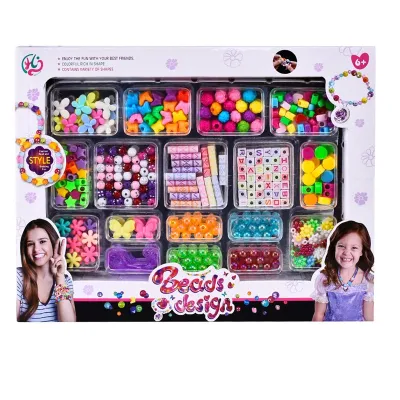
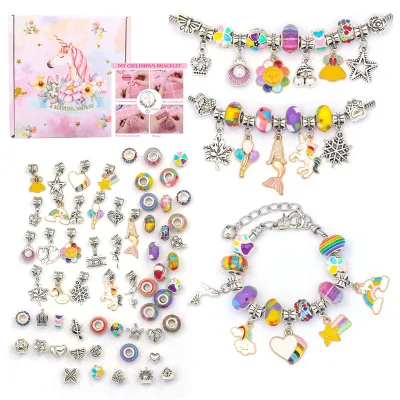
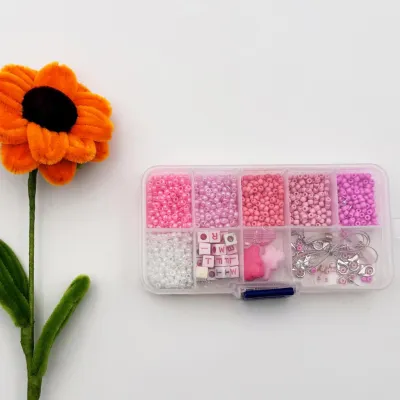
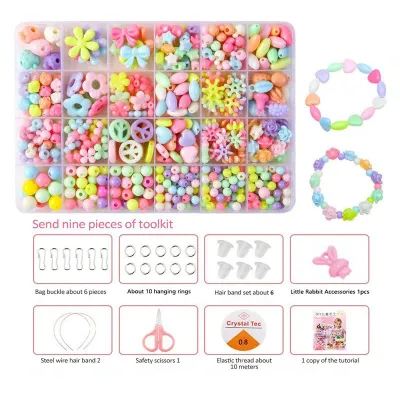
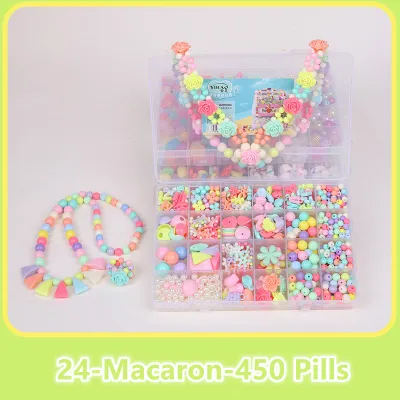
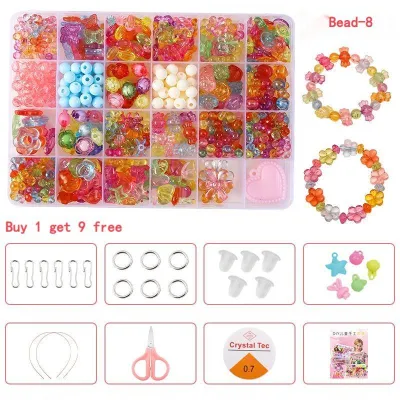
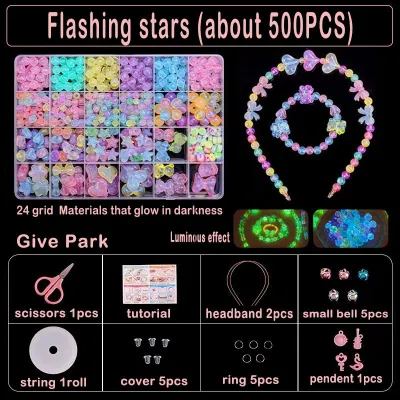
Prices are valid at publication and may change. Please refer to the product page for the latest price.
Material choice directly impacts a child’s frustration level during the crafting process. Large, easy-to-grasp components allow younger children to enjoy immediate success, while smaller, more intricate beads challenge and engage older kids. Skin safety is another critical factor; materials that sit against the skin for hours must not cause irritation, especially in warm, active play environments.
Ultimately, the best choice depends on the child’s age, fine motor development, and where they intend to wear their creations. For a younger child, a budget-friendly kit featuring chunky, colorful components is ideal. For older kids, a more refined set with diverse stringing options and delicate accents offers a satisfying creative challenge. In the Philippine market, these kits generally range from entry-level plastic sets at around ₱150 to premium, multi-material jewelry-making chests priced up to ₱1,500.
Best Bead Materials for Small Hands and Active Play
Beads are the centerpiece of any jewelry design, but not all materials are suited for young crafters. The ideal bead must be easy to hold, lightweight enough to avoid sagging, and durable enough to withstand being dropped on hard floors.

Acrylic and Plastic Beads
Acrylic and plastic beads are the most popular and accessible options for children’s jewelry kits. They are exceptionally lightweight, allowing kids to stack multiple bracelets without weighing down their wrists. These beads are available in an endless variety of shapes, from classic round spheres and alphabet blocks to stars, flowers, and cartoon characters. Because they are molded from synthetic polymers, they will not shatter or chip if dropped on concrete or tile floors.
When purchasing a plastic-based set, always check the product packaging or manufacturer specifications to verify that the components are BPA-free, phthalate-free, and non-toxic. Low-quality, unverified plastics can sometimes contain harmful chemical plasticizers or carry a strong chemical odor. To assess quality before handing them to a child, perform a simple touch test: rub your finger along the bead’s outer seams and around the stringing hole to ensure there is no sharp plastic flashing or rough molding debris that could scratch sensitive skin.
Wood and Silicone Beads
For a more tactile, sensory-friendly crafting experience, wood and food-grade silicone beads are outstanding alternatives. Silicone beads offer a soft, slightly rubbery texture that is highly durable and easy for tiny fingers to grip. Because they are made from the same material as baby teething toys, they are naturally chew-safe and resistant to water, making them perfect for active kids who wear their jewelry to the playground or beach.
Wooden beads provide a classic, organic aesthetic and a lightweight feel. When choosing wooden components, verify that they have been treated with a smooth, splinter-free finish and painted with non-toxic, water-based sealants. Avoid cheaply painted wooden beads, as the paint can flake off when exposed to sweat or moisture. Note that while silicone beads are highly resilient, their rubbery surface can sometimes grip strings tightly, which means they pair best with thinner, slicker cords rather than rough fibers.
Glass and Metal Beads
Glass and metal beads offer a premium, grown-up look that appeals greatly to older children, but they come with distinct physical limitations. Glass beads, particularly delicate seed beads, can shatter upon impact, creating sharp shards that pose a cutting hazard. Metal beads add a beautiful shine and weight to a bracelet, but cheap alloys can be heavy, causing the elastic to stretch out prematurely, and may feature sharp edges along their molding seams.
These materials are best reserved for older children, typically age eight and above, who have developed the fine motor control required to handle delicate items safely. When introducing metal elements, always check the product label for lead-free and nickel-free certifications. Nickel is a common allergen that can cause contact dermatitis, redness, and itchy skin rashes, especially when worn in warm, humid climates where sweat accelerates metal-to-skin chemical transfer.
Most Forgiving String and Cord Options for Beginners
The stringing material is the structural foundation of any bracelet. If the cord is too stiff, slippery, or fragile, the finished bracelet will fail quickly. Selecting a forgiving, durable thread ensures that the crafting process is smooth and the final product is wearable.
Stretch Elastic Cords
Stretch elastic is the gold standard for children’s bracelet making because it eliminates the need for complex metal clasps or jewelry findings. Finished elastic bracelets simply slip over the hand, making them incredibly easy for kids to put on and take off independently. Within this category, you will generally find round elastic cord and flat ribbon elastic.
- Round Elastic Cord: Typically made of a single solid strand of polyurethane (TPU), round elastic is highly durable and ideal for heavier acrylic, wood, or silicone beads.
- Flat Ribbon Elastic: Composed of multiple tiny elastic strands woven together, flat elastic is softer, highly flexible, and excellent for lightweight pony beads, though it can fray over time if exposed to sharp bead edges.
Before stringing, always pre-stretch the elastic cord by giving it a few firm tugs. Pre-stretching relaxes the polymer chains, preventing the finished bracelet from sagging and developing gaps between the beads after its first few wears. Additionally, verify the cord’s quality by stretching it to its limit; it should snap back to its original length immediately. Avoid old or poorly stored stock, which can become brittle, dry out, and snap under light tension.
Nylon and Satin Cords
Nylon and satin cords (often referred to as rat-tail cords) are incredibly strong, smooth, and resistant to fraying. They are the ideal choice for creating adjustable sliding-knot bracelets, braided designs, or macrame-style friendship bands. Because these cords do not stretch, the finished jewelry must either be sized carefully to slip over the hand or finished with an adjustable closure.
One minor challenge with nylon and satin is their slippery texture, which can cause simple knots to work themselves loose over time. To prevent this, teach children to use secure knotting techniques, such as a double overhand knot or a surgeon’s knot. For safety, an adult can carefully melt the cut ends of a nylon cord with a lighter to seal the fibers and prevent fraying, creating a smooth, hard tip that makes threading beads even easier.
Cotton and Waxed Strings
Cotton and hemp strings offer a classic, matte, organic look that pairs beautifully with wooden and clay beads. However, untreated cotton is highly absorbent and prone to fraying. In warm, active environments, untreated cotton strings will absorb sweat, dirt, and water, causing them to discolor, weaken, and eventually rot or develop mold.
To avoid these issues, opt for waxed cotton or waxed polyester strings. The thin layer of wax protects the underlying fibers from moisture, sweat, and dirt, making the string highly water-resistant and durable. The wax coating also provides a slight tackiness that helps knots grip together tightly, preventing them from slipping loose during active play.
How to Match Bead Hole Sizes with String Thickness
One of the most common sources of crafting frustration is trying to force a thick cord through a tiny bead hole, or conversely, having small beads slide right over the securing knots. To prevent this, you must match the bead hole diameter with the appropriate cord thickness.
As a general rule of thumb, the stringing material should fit comfortably through the bead hole, leaving just enough room that the bead can slide freely without excessive wobbling. If you plan to make a professional-style finish where the knot is hidden inside the end bead, the cord must be thin enough to pass through that specific bead’s hole twice.
| Bead Type | Typical Hole Diameter | Recommended Cord Thickness | Best String Material |
|---|---|---|---|
| Pony Beads | 3.0mm to 4.0mm | 1.0mm to 1.5mm | Thick elastic, satin cord, or waxed cotton |
| Acrylic / Alphabet Beads | 1.5mm to 2.0mm | 0.8mm to 1.0mm | Medium round elastic or nylon cord |
| Clay Heishi / Small Wood | 1.0mm to 1.2mm | 0.6mm to 0.8mm | Thin round elastic or waxed polyester |
| Glass Seed Beads | 0.5mm to 0.8mm | 0.3mm to 0.5mm | Fine nylon thread or jewelry wire |
Always verify the dimensions listed on the product packaging before purchasing individual components. If you are mixing different bead types from different sources, selecting a pre-sorted, comprehensive bracelet making kit is often the easiest way to guarantee that all included strings and beads are fully compatible. If a wooden or plastic bead has a slightly restricted hole due to manufacturing debris, a simple tool like a bead reamer or a thick sewing needle can be used by an adult to clear the passage.
Safety Checks and Humidity Resistance in the Philippines
When crafting in the tropical climate of the Philippines, environmental factors like high heat and humidity play a significant role in how materials behave over time. Additionally, strict adherence to physical safety standards is essential to protect young crafters.
First and foremost is the choking hazard check. Any bead or component small enough to fit inside a standard choke-tube tester—which is roughly the diameter of a standard film canister or 3.17 centimeters—must be kept strictly away from children under three years of age, as well as any child who still frequently places toys or objects in their mouth. Active adult supervision is highly recommended for all young children during jewelry-making activities.
Our local tropical climate can quickly degrade low-quality crafting materials. High relative humidity, which regularly exceeds 80 percent, can cause several issues:
- Mold and Mildew: Untreated natural fibers like plain cotton, hemp, or unsealed wood absorb moisture from the air and sweat from active play, leading to mold growth and unpleasant odors.
- Rust and Corrosion: Cheap metal alloy charms, spacer beads, and clasps will tarnish, rust, or oxidize rapidly when exposed to humid air and sweat, often leaving green or dark stains on the child's skin.
- Elastic Degradation: Low-quality elastic cords exposed to high ambient heat and sunlight can dry out, lose their elasticity, and snap without warning.
To maximize the lifespan of your jewelry-making supplies, store all finished bracelets and unused materials in airtight, dry plastic containers. Tossing a few silica gel packets into the storage box will absorb excess moisture and keep metal components shiny and threads dry. Finally, remind children to remove their handmade bracelets before swimming in chlorinated pools, bathing, or playing in the rain, as prolonged water exposure weakens both elastic cords and natural fibers.
Frequently Asked Questions (FAQ)
Are standard pony beads safe for toddlers?
No, standard pony beads are not safe for toddlers. Although they are significantly larger than tiny glass seed beads, standard pony beads (which typically measure about 6mm to 8mm in diameter) still easily fit inside a standard choke-test cylinder. They present a serious choking hazard for children under three years of age or any child who still mouths objects. Always check the manufacturer’s age grading on the packaging and ensure active adult supervision during all crafting sessions.
How can I prevent elastic cord knots from untying?
Because elastic cords are naturally smooth and slippery, standard knots can easily unravel under tension. To secure your finished bracelets, tie a surgeon’s knot—which involves wrapping the working end of the cord through the loop twice instead of once before pulling it tight. After tightening, apply a tiny drop of flexible, non-toxic jewelry glue or clear nail polish directly onto the knot. Allow the adhesive to cure completely according to the manufacturer’s instructions, then slide an adjacent bead over the wet knot to hide and protect it.
Community discussion
Share your experience or ask a question. Comments are reviewed before publication.