
Creating high-contrast artwork with white gel pens and metallic markers requires a surface that can handle thick, opaque, and highly pigmented inks. Standard white paper cannot provide the dramatic visual contrast needed to make these light-colored mediums stand out. Finding the right black pages sketchbook is essential for artists who want their silver, gold, and white highlights to pop with maximum vibrancy. The ideal sketchbook must balance paper weight, surface texture, and sizing to prevent ink from feathering, bleeding, or sinking into the fibers.
To achieve clean lines and reflective metallic sheens, you must look beyond the cover design and focus on the technical specifications of the paper. The interaction between the wet solvents of your markers, the gel suspension of your pens, and the dark pulp of the pages will dictate whether your artwork remains crisp or becomes a smudged, warped disappointment. Understanding these physical dynamics allows you to select a sketchbook that acts as a reliable foundation for your creativity.
Why Paper Weight and Texture Matter for Light Media
Unlike standard dye-based inks that soak directly into paper fibers, the inks used in white gel pens and metallic markers contain heavy pigments or metallic particles suspended in a liquid base. These mediums are designed to sit on top of the paper surface to remain opaque and reflective. Because of this, the ink remains wet and vulnerable to smearing for a longer period. If the paper lacks proper sizing—the chemical treatment applied during manufacturing to control absorbency—the liquid will spread laterally, causing fuzzy edges, or sink too deeply, which dulls the pigment’s intensity.
Products mentioned in this guide
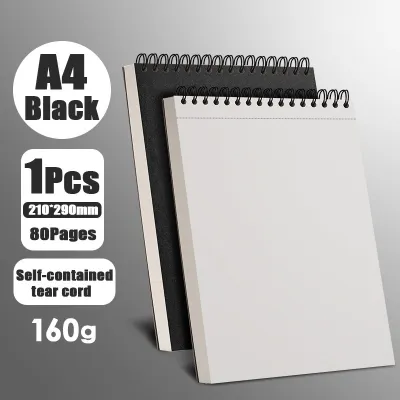
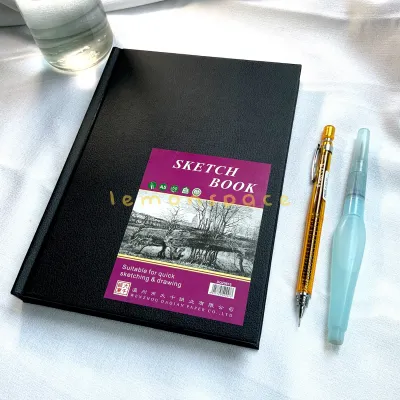
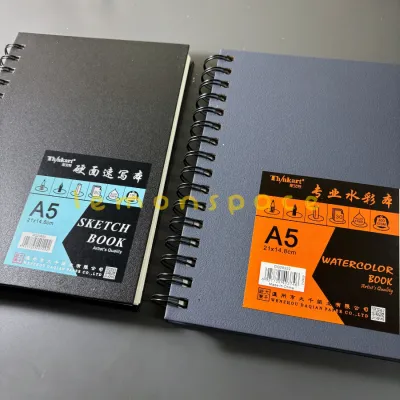
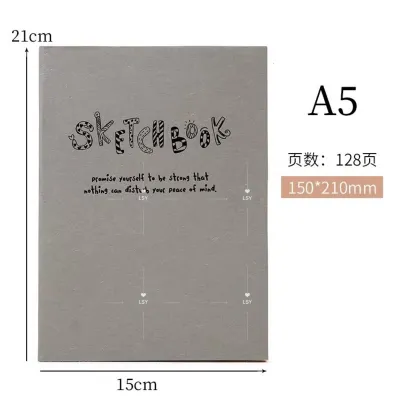
Prices are valid at publication and may change. Please refer to the product page for the latest price.
Paper weight, measured in grams per square meter (GSM), is another critical variable. Standard sketching paper of 80 to 110 GSM is too thin to support the heavy, wet application of metallic markers or multiple layers of gel ink. When wet solvents saturate thin paper, the fibers expand and weaken, leading to buckling, warping, and ghosting, where the artwork is visible on the reverse side of the page. In severe cases, the ink will bleed through completely, ruining the subsequent pages of your sketchbook.
Finally, the surface coating and sizing of the paper play a major role in how light reflects off metallic inks. Properly sized black paper prevents the binder in metallic markers from separating from the metallic flakes. When the binder and flakes stay unified on the surface, they dry into a flat, mirror-like layer that catches the light effectively. For gel pens, a well-sized surface ensures that the water-based gel does not dry out instantly on the pen tip, allowing the rollerball to glide smoothly without skipping.
Essential Features of a Quality Black Pages Sketchbook
When shopping for a black pages sketchbook, evaluating specific technical features will help you avoid common performance issues. Keep the following checklist in mind to ensure your chosen book is compatible with your favorite light-colored media:

- Paper Thickness (GSM): Always aim for a minimum paper weight of 150 GSM. If you plan to use alcohol-based metallic markers, highly saturated acrylic paint pens, or light watercolor washes alongside your gel pens, look for heavy cardstock weights between 200 GSM and 300 GSM. This ensures the pages remain flat and prevents bleed-through.
- Binding Type: Select a sketchbook with a true lay-flat binding, such as a thread-sewn binding or a double-wire (wire-o) spiral binding. When a sketchbook does not open completely flat, the curved pages near the gutter force you to change the angle of your pen. For gel pens, drawing at an awkward angle can prevent the internal rollerball from rotating, causing the ink flow to stop.
- Paper Color Depth: Inspect the color of the pages under natural light. High-quality sketchbooks use paper dyed with deep, rich carbon black pigments. Cheaper alternatives often look dark gray, charcoal, or slightly brown. Deep black pages provide the starkest contrast, making white gel ink look incredibly bright and allowing metallic pigments to gleam without being washed out by a dull background.
- Archival Quality: Ensure the paper is labeled as acid-free and pH-neutral. Non-archival black paper contains acidic compounds that degrade over time, especially when exposed to light and air. This degradation causes the deep black color to fade into a dull, dusty brown, which destroys the high-contrast relationship between the paper and your light-colored inks.
Comparing Paper Finishes: Smooth vs. Textured Black Pages
The texture of the paper, or its “tooth,” determines how much friction your writing instruments encounter. Different artistic tools require different levels of surface friction to deposit ink evenly and maintain the integrity of their tips.
Smooth / Hot-Pressed Finish
A smooth, hot-pressed finish is the absolute best choice for artists who primarily use white gel pens for fine-line detailing, mandalas, or intricate zentangles. Because there are no microscopic bumps or fibers on the surface, the tiny metal ball in the pen’s tip can roll continuously without catching, dragging, or skipping. This results in highly consistent, unbroken lines.
However, there is a trade-off when using metallic markers on ultra-smooth paper. Because the surface is less porous, the liquid solvents in the markers will take longer to dry. You must exercise caution and allow extra drying time to avoid accidental smudging with your hand. Additionally, some highly fluid, water-based metallic inks may bead up slightly on very slick, coated surfaces rather than spreading into a solid block of color.
Medium / Cold-Pressed Finish
A medium finish, which offers a subtle, visible texture, provides an excellent middle ground for mixed-media artists. This slight tooth is particularly beneficial for felt-tip metallic markers and brush pens. The texture provides just enough traction to pull the metallic ink from the nib smoothly, preventing the ink from pooling while protecting the delicate felt fibers of your marker tips from fraying prematurely.
When using white gel pens on medium-textured paper, you may need to adjust your technique. Extremely fine gel pens (such as 0.5mm tips) might struggle to deposit ink into the tiny valleys of the paper, leading to minor skipping. To counter this, opt for medium or broad gel pen tips (such as 0.8mm or 1.0mm), which release a thicker volume of gel ink that easily bridges the paper’s texture.
Rough / Tooth-Heavy Finish
Heavily textured black papers, such as rough-grain watercolor papers, are generally unsuitable for both gel pens and metallic markers. The pronounced peaks and valleys of rough paper will cause fine-point gel pens to scratch, skip, and clog as paper fibers get lodged in the rollerball mechanism.
For metallic markers, a rough surface scatters the light in multiple directions rather than reflecting it uniformly. This drastically reduces the metallic, shiny effect of the ink, making your gold and silver markers look dull and chalky. Furthermore, the rough texture acts like sandpaper on felt nibs, causing them to fray and split after only a few uses. Reserve rough black pages exclusively for dry media like soft pastels, chalk, or colored pencils.
Practical Tips for Sketching and Storing Your Black Sketchbook
Maximizing the lifespan of your artwork and your sketchbook requires proper handling, testing, and storage techniques, especially when dealing with delicate metallic and gel pigments.
- The Scratch Test: Before starting a major art piece, always utilize the very last page of your sketchbook or a perforated test strip as a testing ground. Draw several test lines and fill in small blocks using your specific pens and markers. This allows you to observe how long the ink takes to dry on that exact paper formulation and verify if the paper fibers begin to pill or tear under multiple layers of wet ink.
- Drying Time Management: Gel and metallic inks require significantly more time to set on dark paper than standard dye inks do on white paper. To prevent smudging, always work from the top-left corner to the bottom-right corner of the page (or top-right to bottom-left if you are left-handed). You can also place a clean sheet of wax paper or a heavy cardstock blotter under your drawing hand to protect completed sections of your work.
- Storage in the Philippines: The tropical climate of the Philippines introduces environmental challenges for paper preservation. High relative humidity can cause the black dye in the paper fibers to absorb moisture, which leads to page warping, mold growth, or causes opposing pages to stick together. To protect your sketchbook, store it flat in a cool, dry place. Placing the sketchbook inside a sealable plastic storage box alongside a few packets of silica gel will help absorb excess moisture and prevent the metallic particles in your drawings from oxidizing and tarnishing over time.
- Fixatives and Protection: Once your artwork is completely dry, you can protect it from rubbing or flaking by applying a light coat of workable, archival-safe spray fixative. However, always test the spray on your test page first. Some aerosol fixatives contain solvents that can dissolve metallic pigments, dulling their reflective shine, or cause white gel ink to turn semi-translucent. If you want to avoid sprays, placing a loose sheet of acid-free glassine paper between the pages of your sketchbook is an excellent, non-chemical way to prevent friction damage.
Frequently Asked Questions (FAQ)
Understanding the unique properties of dark paper can help you troubleshoot common artistic challenges and make informed purchasing decisions.
Can I use regular white paper sketchbooks and just paint the pages black?
While you can paint white pages black using acrylic paint, gesso, or gouache, this DIY method is not recommended for fine pen work. Painting alters the paper’s surface sizing, making it highly non-porous and uneven. White gel pens will scratch and skip on the plastic-like surface of dried acrylic, while metallic markers may pool, bead up, or take hours to dry. For clean, vibrant, and archival results, always use a purpose-dyed black pages sketchbook.
Do metallic markers bleed through 150 GSM black paper?
A 150 GSM paper weight is generally thick enough to prevent metallic marker ink from bleeding through to the next page. However, if you apply multiple heavy layers, use alcohol-based metallic markers, or hold the marker tip in one spot for too long, you may experience slight ghosting on the reverse side of the page. To protect your work, avoid drawing double-sided pieces when using wet markers, and always place a protective guard sheet of heavy cardstock behind your working page.
How do I fix a white gel pen that skips on black paper?
If your white gel pen is skipping, first check if the paper has an oily residue from your hands, which repels water-based gel ink. Gently wipe the page with a clean, dry microfiber cloth. If the pen continues to skip, the paper’s texture may be too rough for your pen’s tip size; try switching from a fine 0.5mm pen to a broader 0.8mm or 1.0mm pen, which releases a larger volume of ink to bridge the paper’s texture.
Community discussion
Share your experience or ask a question. Comments are reviewed before publication.