
Starting a bullet journal is an exciting step toward organizing your daily life, but walking into a stationery shop or browsing online marketplaces can quickly lead to decision paralysis. The sheer variety of adhesive designs on the market is overwhelming. For a beginner, the best stickers to buy are functional, matte washi paper stickers in minimalist or neutral styles. These stickers act as practical planning tools rather than mere decorations, helping you build a consistent journaling habit without wasting money on unused, overly elaborate designs.
By prioritizing writeable materials and structured layouts, you can bypass the visual clutter that often leads to planning fatigue. Starting with a small, highly usable collection allows you to focus on the core purpose of bullet journaling: tracking your tasks, habits, and thoughts in a clear, organized manner.
Functional vs. Decorative Stickers: What to Prioritize First
When you are new to bullet journaling, it is easy to get swept up in the highly artistic, multi-layered spreads shared on social media. However, the primary goal of a bullet journal is utility. Understanding the difference between functional and decorative stickers will help you allocate your budget to tools that actually save you time and keep you organized.
Products mentioned in this guide
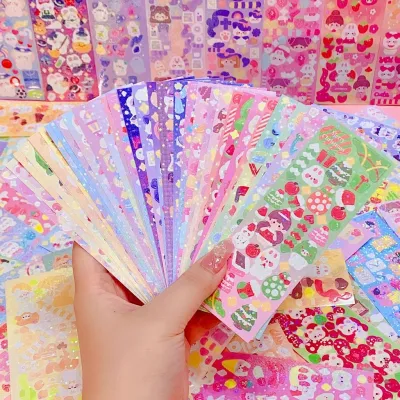
![[COD] WHPHous Ship within 24 hours 20Pcs PET Pattern Cartoon Scrapbooking Cute Sticker DIY Handbook Kawaii Stickers Decoration Stationery Supplies](https://img.lazcdn.com/g/p/4007ad3620e237a1af5dbd295aad9b4a.jpg_400x400q80.jpg_.webp)
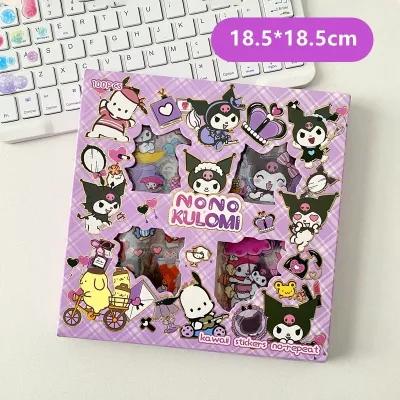
Prices are valid at publication and may change. Please refer to the product page for the latest price.
Functional Stickers (The Planning Essentials)
Functional stickers are designed to streamline your planning layout and reduce the time spent drawing repetitive elements by hand. These include date dots, days of the week headers, monthly calendar grids, habit trackers, and tiny task icons (such as water glasses, dumbbells, or mail envelopes). If you struggle with hand-lettering or do not want to spend hours measuring grids with a ruler, functional stickers are invaluable.
These stickers act as cognitive shortcuts in your journal. Instead of writing out “Drink water” every day, placing a small water droplet icon next to your daily log instantly communicates the task. They keep your pages looking uniform, clean, and professional, which can be highly motivating when you open your journal to review your goals. For beginners, functional stickers reduce the friction of setting up a new week, making it much easier to maintain your journaling habit over time.
Decorative Stickers (Adding Personality)
Decorative stickers include floral illustrations, vintage ephemera, geometric shapes, and seasonal motifs. While these elements add visual charm and allow you to express your personal style, they do not contribute directly to the organization of your tasks. Introducing too many decorative stickers too early can actually derail your planning process.
When a layout becomes too crowded with illustrations, finding your actual to-do list becomes difficult. Furthermore, the pressure to create a visually perfect, themed page every single week can lead to planning fatigue, causing many beginners to abandon their journals entirely. It is best to limit your decorative purchases until you have established a consistent daily planning routine. Use decorative stickers sparingly as small rewards or accents rather than the focal point of your pages.
Material Guide: Washi Paper vs. PET and Vinyl Stickers
The material of a sticker determines how it behaves on your journal pages, how easy it is to write on, and whether you can reposition it if you make a mistake. For bullet journaling, material compatibility with your notebook paper and pens is critical.

Washi Paper Stickers (Matte and Writeable)
Washi paper stickers are made from traditional Japanese paper fibers, resulting in a thin, semi-translucent, and matte finish. This unique texture makes them the absolute best choice for everyday bullet journaling. Because the surface is highly porous, it readily accepts ink from standard gel pens, water-based fineliners, brush pens, and even pencils without smudging or feathering.
Another major benefit of washi paper is its low-tack, gentle adhesive. If you place a weekly header slightly crooked or decide to move a habit tracker to a different page, you can easily peel a washi sticker off and reposition it. This gentle grip prevents the sticker from tearing thin dot-grid paper, which is especially important if you are using standard 80gsm or 100gsm notebooks. In hot and humid tropical climates, notebook paper can absorb ambient moisture and become more fragile; washi paper’s forgiving adhesive minimizes the risk of accidentally ruining your pages during layout adjustments.
PET and Vinyl Stickers (Durable but Slippery)
PET (polyethylene terephthalate) and vinyl stickers are synthetic, plastic-based materials. They are highly durable, completely waterproof, and often feature vibrant colors with glossy or metallic finishes. While these properties make them excellent for decorating water bottles, laptop cases, or the outer covers of your notebooks, they present several challenges inside a bullet journal.
Because plastic surfaces are non-porous, standard water-based gel pens and fineliners cannot sink into the material. If you try to write a task or a date on a vinyl sticker, the ink will sit on top as a wet bead and smear the moment your hand brushes against it. To write on these materials, you must use permanent, oil-based markers, which limits your pen choices. Additionally, synthetic stickers use high-tack, permanent adhesives. Once placed on paper, attempting to remove or adjust them will almost certainly tear your journal page. Limit your use of PET and vinyl stickers to permanent, non-writeable elements like cover decorations or laminated page dividers.
Best Styles and Formats to Prevent Planning Overwhelm
Once you know which materials to look for, you must navigate the endless array of visual styles and cutting formats. Choosing the right design philosophy will keep your journal clean and highly functional.
Minimalist, Neutral, and Monochrome Themes
When buying your first few sticker sheets, stick to neutral color palettes, monochrome designs, or minimalist themes. Look for packs featuring kraft paper brown, beige, muted olive, slate gray, black, and white. These understated colors are highly versatile and will match any pen or highlighter color you already own.
Opting for neutral tones prevents color-coordinating stress. If you buy a sticker pack with bright, saturated neon colors, you are forced to match your entire weekly layout, highlighters, and ink colors to those specific shades to keep the page looking cohesive. This restriction can make planning feel like a chore. Neutral and minimalist stickers blend seamlessly into the background, allowing your actual written tasks to stand out clearly while maintaining a sophisticated, clutter-free aesthetic.
Pre-cut, Die-cut, and Kiss-cut Formats
Stickers are sold in three primary cutting formats, each offering a different level of convenience and speed during your planning sessions:
- Kiss-cut Sheets: These are sheets where only the top sticker layer is cut through, leaving the backing paper intact. You can keep the entire sheet tucked flat inside your journal's back pocket. Peeling individual stickers off a kiss-cut sheet is incredibly fast and clean, making this the most beginner-friendly format.
- Pre-cut Grids: Often used for functional elements like calendar grids or habit trackers, these stickers are arranged on a simple sheet with straight, clean borders. They are designed for maximum utility and can be peeled and placed in seconds without any fuss.
- Die-cut Stickers: These are individual, loose stickers cut precisely to the shape of the design. While they are beautiful, they can be highly frustrating for beginners. Separating the tight backing paper from a small die-cut sticker often requires patience and sharp fingernails, which can slow down your daily planning flow and clutter your desk with tiny scraps of backing paper.
To keep your planning sessions efficient, prioritize kiss-cut sheets and pre-cut grids. They allow you to set up your weekly layouts rapidly so you can focus on organizing your schedule rather than struggling to peel individual backing papers.
How to Build a Starter Collection Without Wasting Money
It is incredibly easy to overspend on stationery supplies when starting out. To prevent buyer’s remorse and keep your collection organized, you should follow a deliberate, budget-conscious purchasing strategy.
Starter Kits vs. Individual Sheets
Instead of buying massive, single-theme decorative sticker packs (such as a box of 50 individual vintage flower stickers), look for curated bullet journal starter kits or functional sampler packs. A good starter kit typically contains a balanced mix of functional elements: a few sheets of date numbers, weekly headers, small habit trackers, and a single sheet of coordinating, minimalist decorative accents.
Buying a sampler pack allows you to test different sticker shapes and sizes to see what fits your personal planning style. You might discover that you prefer pre-printed habit trackers over hand-drawn ones, or that you rarely use tiny icon stickers. Once you have used a starter kit for a full month, you will know exactly which specific sheets are worth buying individually in the future, saving you from hoarding piles of unused designs.
Where to Shop and What to Verify
When shopping for stickers, visiting a local physical stationery store is highly beneficial because it allows you to feel the paper weight and inspect the adhesive quality firsthand. However, if you are browsing online marketplaces or e-commerce platforms, you must read the product details carefully to avoid low-quality imports.
Always verify that the product description explicitly states “matte finish,” “washi paper,” or “writeable.” Check the customer reviews specifically for feedback regarding ink smudging, paper tearing, or poor adhesive quality. In tropical climates with high relative humidity, cheap sticker adhesives can degrade quickly, either losing their stickiness entirely or melting into a gummy residue that ruins your notebook pages. Storing your sticker collection in a cool, dry place, such as a sealed drawer or a dedicated sticker storage book with release paper, will help preserve the adhesive quality over time.
Quick Comparison: Matching Sticker Materials to Your Planning Style
To help you make a quick decision, the table below summarizes how the most common sticker materials behave under standard planning conditions, helping you choose the right match for your notebook and writing tools.
| Sticker Material/Type | Best Use Case | Writeable with Standard Pens? | Adhesion Strength | Beginner Recommendation Level |
|---|---|---|---|---|
| Matte Washi Paper | Daily tasks, headers, habit trackers, and layout adjustments | Yes (Gel pens, fineliners, pencils, brush pens) | Low to Medium (Repositionable, gentle on paper) | High (Excellent for all beginners) |
| Glossy PET | Cover decorations, permanent tab dividers, and waterproof accents | No (Requires permanent oil-based markers) | High (Permanent, will tear thin notebook paper) | Low (Best reserved for non-writeable areas) |
| Vinyl | Outer notebook covers, water trackers, and heavy-duty labeling | No (Requires permanent oil-based markers) | High (Permanent, water-resistant) | Low (Too thick and permanent for daily pages) |
| Clear/Transparent | Background layering, subtle borders, and non-intrusive accents | No (Glossy surface repels standard water-based inks) | Medium to High (Hard to reposition without smudging) | Medium (Great for aesthetics, poor for writing) |
Common Purchasing Mistakes Beginners Should Avoid
Avoiding common pitfalls when buying stickers will save you money, preserve your notebook’s pages, and keep your journaling sessions enjoyable.
- Buying purely decorative packs with zero functional utility: It is easy to fall in love with beautiful illustration packs, but if you do not have headers, dates, or trackers, you will still have to spend significant time hand-writing your basic layouts. Always ensure at least half of your starter collection consists of functional planning tools.
- Ignoring your journal's paper weight and grid size: Most standard bullet journals use an A5 size with a 5mm dot grid. If you buy massive 3-inch decorative stickers, a single sticker will take up half your page, leaving no room for actual writing. Similarly, thick, heavy stickers can weigh down and warp thin 80gsm paper. Always check the physical dimensions of the stickers before purchasing.
- Purchasing overly complex, multi-layered, or 3D sticker sets: Puffy stickers, wooden elements, or thick epoxy designs look beautiful in scrapbooks, but they are highly impractical for bullet journals. They create uneven bumps in your notebook, making it incredibly difficult to write smoothly on the reverse side of the page.
- Hoarding large supplies before establishing a routine: Buying ₱1,000 worth of stickers will not magically build a daily planning habit. In fact, a massive pile of unused supplies can create visual clutter and feelings of guilt. Establish a simple, consistent writing routine first with just a pen and a notebook, then slowly introduce stickers as a tool to enhance your established workflow.
Frequently Asked Questions (FAQ)
Can I use regular paper stickers in a bullet journal?
Yes, you can use regular paper stickers, but you must be careful with their adhesive. Standard paper stickers designed for office use or general crafting often feature strong, permanent adhesives that are not designed to be peeled off delicate notebook paper. If you place one incorrectly, attempting to remove it will likely rip your page. To prevent this, perform a quick test by placing a small sticker on the very last page of your journal to see how your paper handles the adhesive, and avoid trying to reposition them once they are laid down.
Are clear stickers good for beginners?
Clear stickers are excellent for creating a seamless, painted-on look because their transparent borders blend perfectly into the page, making them ideal for layering over watercolor washes or colored paper. However, they are not highly recommended for beginners who want to write on their stickers. Most transparent stickers are made of glossy PET plastic, which repels standard gel pens and fineliners. If you want to use clear stickers, use them strictly as background decorations or accent borders rather than functional labels.
How many sticker sheets should a beginner buy to start?
A beginner only needs 2 to 4 sheets to start a bullet journal. Ideally, this small collection should consist of one sheet of days-of-the-week headers, one sheet of date numbers (1 to 31), one sheet of small functional icons for habit tracking, and one sheet of simple, neutral decorative accents. Limiting your initial purchase to this small, highly focused set prevents overwhelm and allows you to learn your actual planning preferences before investing in a larger collection.
Community discussion
Share your experience or ask a question. Comments are reviewed before publication.