
Choosing your first charcoal pencil set is an exciting milestone, but it can quickly become overwhelming when faced with different grades, materials, and brands. Unlike standard graphite, charcoal offers deep, matte blacks and expressive textures that are essential for mastering light, shadow, and form. To start your artistic journey on the right foot, a beginner needs a versatile charcoal pencil set that balances rich pigmentation, smooth application, and durable core quality.
By selecting a set with a thoughtful range of hardness levels and pairing it with the right paper, you can avoid the common frustrations of core breakage and muddy smudges. Understanding the key characteristics of charcoal pencils and knowing how to navigate the options available in the Philippines will help you select the ideal toolkit for your budget and learning goals.
What Beginners Should Look for in a Charcoal Pencil Set
Selecting a charcoal pencil set requires looking beyond the brand name to understand how the physical properties of the charcoal will interact with your paper. The core of a charcoal pencil is a mixture of burnt organic matter and binders, and these ingredients dictate how the pencil behaves under pressure. For a beginner, the right combination of hardness, material type, and casing quality will make the difference between a frustrating learning curve and a rewarding creative experience.
Products mentioned in this guide
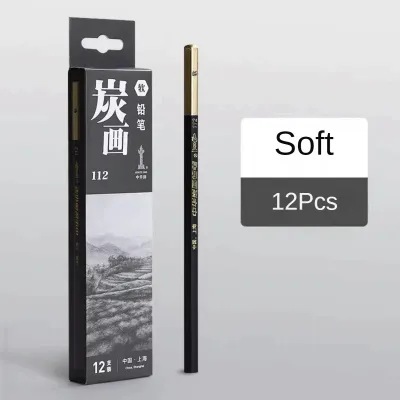
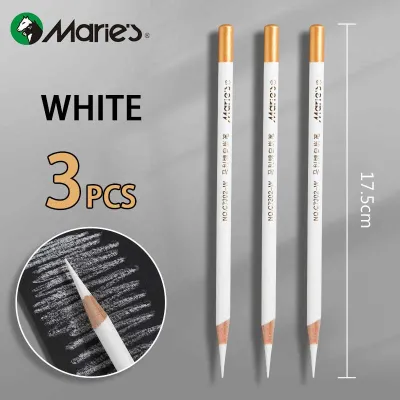
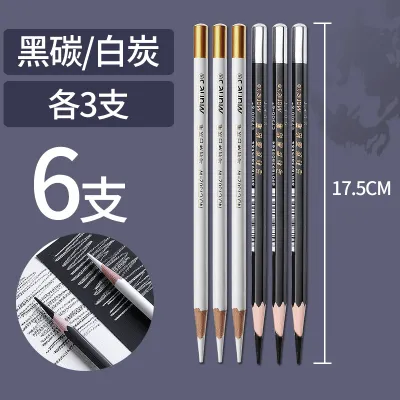
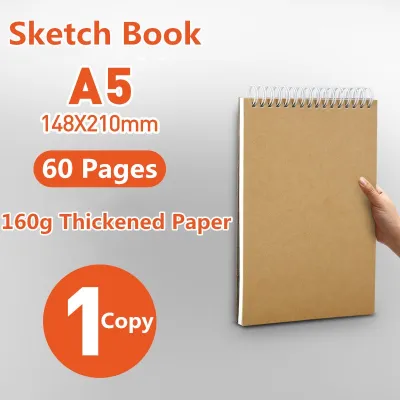
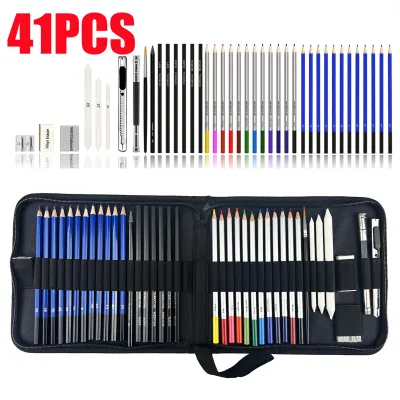
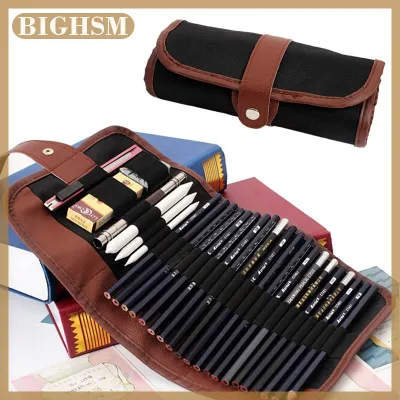
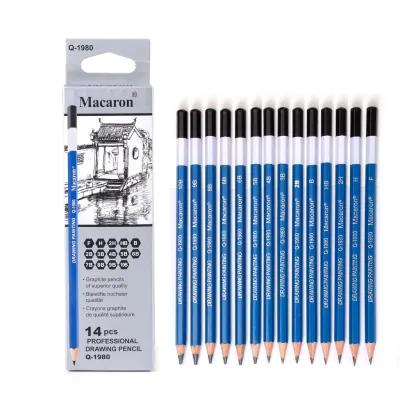
Prices are valid at publication and may change. Please refer to the product page for the latest price.
Hardness Range and Value Scales
To learn shading and contrast effectively, a beginner needs a set that offers a varied range of hardness grades, typically labeled as Hard, Medium, and Soft, or using the graphite-style scale (such as HB, 2B, 4B, and 6B). Hard charcoal pencils contain more binder and less charcoal pigment, resulting in lighter, grey-black lines that are excellent for initial layouts, fine details, and clean edges. Soft charcoal pencils contain minimal binder, producing rich, velvety, deep matte blacks that are perfect for heavy shadows and dramatic contrast.
Having a range of at least three grades allows you to practice creating a complete value scale, which is the foundation of realistic three-dimensional drawing. Without this variety, you may find yourself pressing too hard with a firm pencil to get dark shadows, which burnishes and damages the paper fibers, or using a soft pencil for fine details, which leads to immediate smudging and loss of definition.
Compressed Charcoal vs. Vine and Willow Charcoal
It is important to understand the structural difference between compressed charcoal pencils and natural vine or willow charcoal. Compressed charcoal is made by grinding charcoal powder, mixing it with a gum or clay binder, and compressing it into a solid core encased in wood. This manufacturing process makes compressed charcoal highly concentrated, durable, and capable of producing incredibly dark, permanent lines that adhere firmly to paper fibers.
In contrast, vine and willow charcoal are made by burning raw grapevines or willow twigs in an airtight kiln without any added binders. This results in a very soft, powdery stick that glides effortlessly across the page and can be wiped away completely with a swipe of a cloth or eraser. While vine charcoal is unparalleled for loose, easily erasable initial sketches, compressed charcoal pencils are superior for controlled rendering, fine lines, and achieving the deepest possible dark values.
Wood Casing Quality and Core Protection
Because charcoal is naturally brittle and lacks the structural flexibility of graphite, the quality of the protective wood casing is paramount. Premium charcoal pencils utilize high-quality incense cedar wood, which features a straight, consistent grain. When you sharpen a cedar-cased pencil, the wood shaves away smoothly and evenly, placing minimal lateral pressure on the fragile charcoal core.
Cheaper sets often use low-grade basswood or composite wood casings that tend to splinter, catch, or split during sharpening. This uneven resistance twists the pencil inside the sharpener, causing the brittle charcoal core to fracture internally. When this happens, the core will repeatedly fall out of the casing during use, wasting the pencil and causing immense frustration.
Included Accessories
As a beginner, look for charcoal pencil sets that bundle essential accessories rather than selling the pencils in isolation. Drawing with charcoal is a subtractive and additive process that relies heavily on manipulation tools. Having a kneaded eraser and blending stumps included in your first set ensures you have compatible tools designed to work with dry charcoal dust without damaging your paper.
Top Charcoal Pencil Sets for Beginners
To help you find the right match, we have compiled outstanding charcoal pencil sets available in the Philippine market, categorized by their best use cases. These recommendations focus on pigment consistency, casing durability, and overall value for someone learning the medium.

Because local stock levels, shipping conditions, and bundled accessories can vary, we recommend verifying the exact contents of the set with your retailer before finalizing your purchase.
Best Overall for Skill Building
For beginners who want to invest in high-quality materials that support their growth from basic exercises to advanced rendering, a professional-grade starter set is the ideal choice. Sets from established manufacturers like Faber-Castell (such as their Pitt Charcoal range) or Derwent provide a level of consistency that budget brands struggle to replicate. These pencils glide smoothly across the paper without catching on hard, unground impurities, which are common in lower-grade charcoal.
This high level of refinement ensures that the transition between grades is predictable. A “Medium” pencil will feel exactly the same every time you use it, allowing you to build muscle memory and master pressure control. The pigments are rich and lightfast, meaning your drawings will retain their depth and contrast over time without fading.
- Pros: Exceptional core strength, smooth and scratch-free application, highly consistent grading, and excellent wood casing that sharpens cleanly.
- Cons: Typically sold as a pencil-only pack without included blending tools or erasers, and carries a higher price point (usually ranging from ₱400 to ₱800 for a small set).
Best Budget-Friendly Basic Set
If you are a student or hobbyist exploring charcoal drawing for the first time and want to minimize your initial investment, a budget-friendly option like Marie’s Charcoal Pencils or Mont Marte is highly accessible. These sets are widely distributed across the Philippines and offer decent pigment density at a fraction of the cost of premium brands, making them excellent for low-stakes practice and classroom settings.
While these budget pencils allow you to experience the rich darks of compressed charcoal, they do require a bit more care. The wood casings are often made of softer utility woods that can splinter if sharpened too aggressively, and the cores may occasionally contain tiny, hard binder pockets that can scratch highly textured paper if you apply heavy pressure.
- Pros: Extremely affordable (often under ₱200 for a complete set), widely available in local school supply stores, and capable of producing deep, dark values.
- Cons: Cores are more prone to internal breakage if dropped, and the wood casing requires careful, slow sharpening.
- Pro-Tip: To maximize the lifespan of budget charcoal pencils, avoid standard mechanical pencil sharpeners. Instead, use a utility knife to carefully shave away the wood casing at a shallow angle, exposing about half an inch of the charcoal core. Then, gently rub the exposed core against a sandpaper block to shape it into a sharp point. Always cut away from your body when using a utility knife, and keep sharp blades out of reach of children.
Best Comprehensive Kit with Accessories
For absolute beginners who want a complete, ready-to-use toolkit without the hassle of sourcing individual accessories, an all-in-one sketching kit is the most convenient path. These comprehensive bundles typically include a selection of charcoal pencils in various grades, white charcoal or chalk pencils for highlighting, blending stumps, tortillons, a sandpaper sharpener, and both kneaded and vinyl erasers.
Buying these items as a single curated bundle is highly cost-effective and ensures that all your tools are scaled to work together. The white charcoal pencils included in these kits are especially valuable, as they allow you to experiment with drawing on toned paper (such as tan or grey sheets), where you use the black charcoal for shadows and the white pencil for highlights, creating a striking three-dimensional effect.
- Pros: Outstanding value for money, provides all necessary blending and erasing tools immediately, and introduces beginners to toned-paper techniques.
- Cons: The included sharpeners and erasers are often basic, utility-grade items that you may want to upgrade to professional standalones as your skills advance.
Comparing the Top Charcoal Pencil Sets
To help you quickly evaluate which path fits your current creative goals, this table summarizes the key characteristics of each starter category.
| Set Category | Grade Range | Included Accessories | Best Use Case | Key Limitation |
|---|---|---|---|---|
| Premium Skill Builder | Typically Hard, Medium, Soft (3-5 pencils) | None (Pencils only) | Serious art students and long-term skill development | Higher initial cost; accessories must be bought separately |
| Budget-Friendly Basic | Soft, Medium, Hard (typically 3-12 pencils) | None or basic sharpener | Casual hobbyists, classroom practice, and low-stakes experimentation | Fragile cores require careful manual sharpening |
| Comprehensive Kit | Full range of charcoal & white pastel pencils | Kneaded eraser, stumps, sandpaper, sharpener | Absolute beginners wanting an all-in-one starter pack | Utility-grade accessories may need future upgrades |
When deciding between these options, consider your commitment level. If you are certain you want to dedicate time to mastering charcoal, investing in a premium pencil set alongside high-quality paper will yield the most satisfying results. If you are simply curious or buying a gift, a comprehensive kit offers the most fun and immediate usability.
Essential Add-ons for Your First Charcoal Sketches
Charcoal behaves very differently from standard graphite. Because it is dry, powdery, and sits on top of the paper fibers rather than bonding with them, you will need a few specialized supplementary materials to manage the medium and preserve your finished work.
Selecting the Right Paper (Tooth and Weight)
Standard printer paper or smooth copy paper (typically 70 to 80 gsm) is entirely unsuitable for charcoal drawing. Smooth paper lacks “tooth,” which refers to the microscopic peaks and valleys on the paper’s surface. Without tooth, there is no physical friction to catch and hold the dry charcoal dust; the pigment will simply slide off the page, resulting in weak grey values and muddy smudges.
For charcoal practice, look for sketchpads with a weight of at least 120 gsm, featuring a medium to rough surface texture. Cartridge paper, pastel paper, or specialized charcoal paper are ideal. The textured surface of these papers grabs the charcoal particles, allowing you to layer values, blend smoothly, and achieve deep, rich blacks without saturating the page immediately.
Protecting Art in the Philippine Climate
The tropical climate of the Philippines introduces high relative humidity, which poses unique challenges for charcoal artists. Humidity can soften paper fibers, making them highly susceptible to tearing during erasing, and can cause loose charcoal dust to clump or transfer easily. To protect your sketches from smudging, fading, and moisture damage, utilizing art fixatives is essential.
- Workable Fixative: Spray this light, matte resin over your drawing in progress. It binds the loose charcoal dust to the paper, allowing you to draw and layer more charcoal on top without muddying the underlying work.
- Final Fixative: Apply this once your drawing is completely finished. It creates a permanent, protective barrier that seals the charcoal, preventing smudges, dust accumulation, and minor moisture damage.
- Application Tip: Always apply fixative sprays outdoors or in a highly ventilated area. Spray in light, even passes from a distance of about 12 inches to prevent the liquid from pooling, which can cause dark spots or dissolve fine details.
Blending and Erasing Tools
To control the powdery texture of charcoal, you must learn to use blending and erasing tools as active drawing instruments rather than correction utilities.
- Blending Stumps and Tortillons: Made of tightly rolled paper, these tools allow you to grind charcoal particles into the tooth of the paper, creating incredibly smooth gradients, soft shadows, and seamless transitions. Use stumps for broad areas and smaller tortillons for fine, detailed blending.
- Kneaded Erasers: These pliable, clay-like erasers can be molded into any shape, from a broad flat surface to a fine point. Instead of rubbing the paper, you press the kneaded eraser onto the charcoal to lift the pigment away cleanly without leaving crumbs or tearing the delicate paper fibers. Always test your eraser on a scrap piece of your drawing paper first to observe how cleanly it lifts the pigment without staining.
- Vinyl (Plastic) Erasers: These firm erasers are used for carving sharp, bright highlights back into dark charcoal fields, such as the glint in an eye or a sharp edge on a building.
Where to Buy Art Supplies in the Philippines
Finding authentic, high-quality charcoal pencil sets in the Philippines is straightforward if you know where to look. Sourcing your materials from reputable channels ensures you receive genuine products that have been stored correctly, preserving the integrity of both the wood casings and the fragile charcoal cores.
Physical Retail Stores
For beginners, visiting a physical retail store is highly recommended because it allows you to feel the weight of the pencils and inspect the texture of sketchpads in person.
- National Book Store: Widespread across the country, making it highly accessible for sourcing student-grade charcoal sets, basic sketchpads, and entry-level drawing accessories.
- Fully Booked: Many larger branches feature expanded lifestyle and art sections that carry premium international brands, offering higher-quality options for intermediate artists.
- Specialty Art Stores: Retailers like Deovir Art Supplies or Art Bar (located in major metropolitan areas) specialize exclusively in fine art materials. These stores offer the widest selection of professional charcoal brands, specialized papers, and high-quality fixatives, with staff who can offer informed advice.
Online Marketplaces and Official Flagship Stores
If you do not live near a specialty art shop, online marketplaces offer an excellent alternative. When shopping online, always purchase from the official flagship stores of established art brands or highly rated, verified local art distributors. This protects you from purchasing counterfeit products, which often feature brittle, low-grade cores and poor-quality wood casings.
Shipping and Storage Precautions
Because charcoal is incredibly fragile, rough handling during local transit can shatter the cores inside the wooden casings before you even open the package. Before ordering online, read recent buyer reviews to verify that the seller packages pencils securely using thick bubble wrap and sturdy cardboard boxes. Avoid sellers who ship pencils in thin, unpadded plastic mailers.
Once your art supplies arrive, store them in a cool, dry place. The high humidity in the Philippines can warp paper and degrade the binders in charcoal over time. Keep your sketchpads and pencils inside a sealed plastic container or drawer, ideally alongside a few silica gel packets to absorb excess moisture and keep your tools in pristine condition.
Frequently Asked Questions (FAQ)
Can I use regular graphite pencils instead of charcoal for beginner practice?
While you can practice basic drawing layouts with graphite, it cannot replace charcoal for learning value scales and dramatic shading. Graphite has a natural metallic sheen that reflects light, which makes deep shadows look shiny and grey rather than black. Charcoal is completely matte, absorbing light to produce rich, velvety blacks that create powerful contrast.
Additionally, graphite and charcoal do not mix well on the same page. The slick, shiny surface of heavy graphite prevents powdery charcoal from adhering, leading to uneven patches. Learning with charcoal teaches you to work with broader, more expressive arm movements and to manipulate value through blending, which is a fundamentally different experience than the precise, line-based nature of graphite.
How do I prevent my charcoal drawings from smudging?
To prevent smudging while you are working, place a clean sheet of paper or a hand guard under your drawing hand to protect the page from the natural oils and friction of your skin. It is also helpful to work from the top-left of your drawing to the bottom-right (or top-right to bottom-left if you are left-handed) to avoid dragging your arm across completed sections.
Once your drawing is finished, apply a light, even coat of a workable or final art fixative in a well-ventilated area to bind the loose dust to the paper. For storage, place a sheet of smooth glassine paper over the drawing, or store the finished piece inside a clear plastic sleeve to protect it from friction and tropical humidity.
Community discussion
Share your experience or ask a question. Comments are reviewed before publication.