
Keeping documents organized while working on the move is a constant challenge, especially when navigating busy city streets, commuting via public transit like jeepneys, or conducting field inspections. The best clip board for organizing documents on the go depends on your specific balance of paper volume, environmental exposure, and security needs. For high-volume paperwork, storage clip boards with internal compartments are best; for active fieldwork requiring rapid comparison, multi-clip or dual-sided boards excel; and for confidential, formal transport, folder- or binder-integrated clip boards offer the highest security.
Choosing the wrong tool can lead to crumpled pages, lost notes, or documents ruined by sudden tropical downpours. By matching your daily physical workflow with the right clip board design, you can ensure that your writing surface is both highly functional and durable enough to withstand daily wear and tear.
Quick Guide: Matching Clip Board Types to Your Workflow
To find the ideal clip board, you must first analyze how you interact with your paperwork throughout the day. A professional working in a dry, air-conditioned office has vastly different structural needs than an inspector walking through a humid construction site. Document volume, the need for writing tool storage, and privacy concerns are the primary factors that should guide your selection.
Products mentioned in this guide
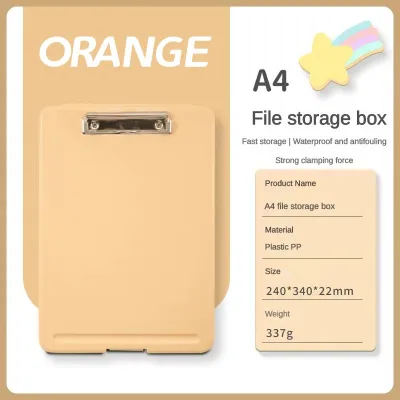
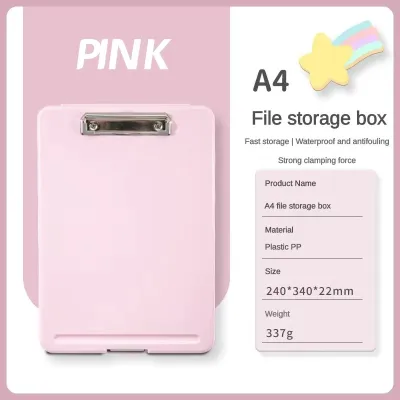
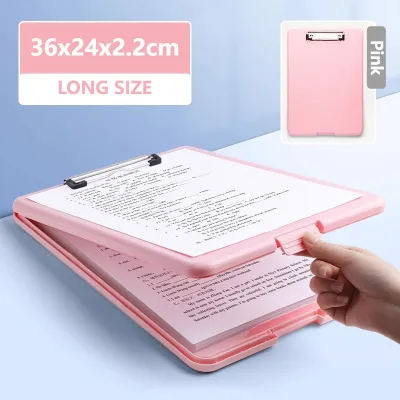
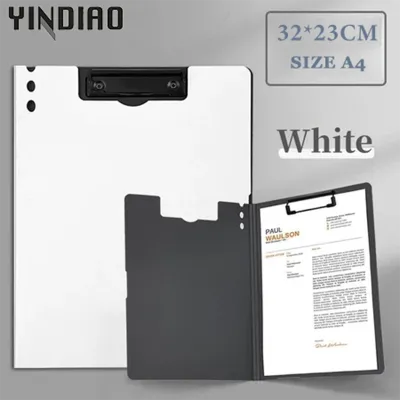
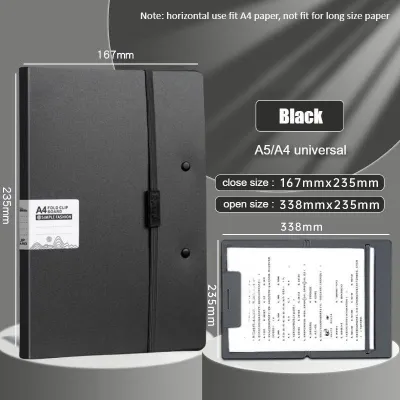
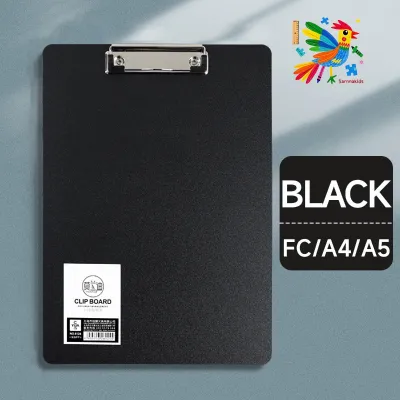
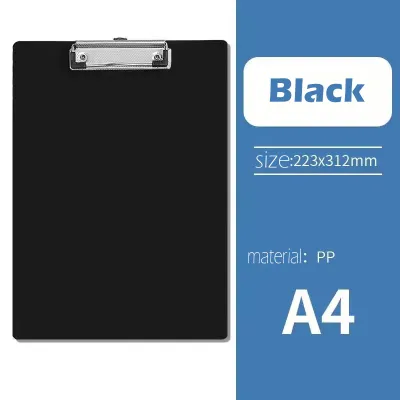
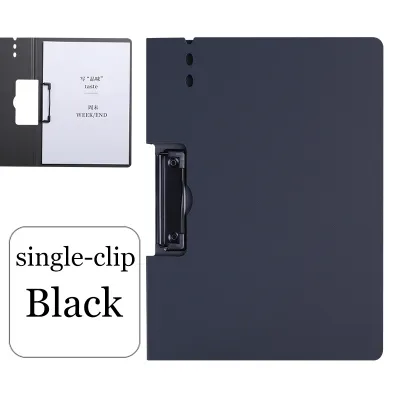
Prices are valid at publication and may change. Please refer to the product page for the latest price.
The three main categories of organizational clip boards each serve a distinct purpose. Storage models act as portable mini-desks, multi-clip boards allow for real-time data comparison, and folder-integrated models prioritize document preservation and professional presentation.
| Profession or Scenario | Recommended Clip Board Type | Key Selection Factor | Typical Document Volume |
|---|---|---|---|
| Field Nurses & Barangay Health Workers | Storage Clip Board | Privacy, tool storage, and protection from dust | High (20 to 50 sheets plus pens) |
| Site Engineers & Architects | Multi-Clip / Dual-Sided | Quick comparison of plans and checklists | Medium (10 to 20 sheets) |
| Students & Reviewees | Folder-Integrated | Portability, notebook protection, and low profile | Medium (loose notes and review sheets) |
| Legal & Corporate Professionals | Binder-Integrated Folio | Confidentiality, professional look, and card slots | Low to Medium (contracts and agreements) |
| Logistics & Delivery Drivers | Heavy-Duty Storage | Weather resistance, durability, and secure latching | High (waybills, receipts, and invoices) |
Ultimately, the best choice is never a one-size-fits-all solution. It is a calculated compromise between the weight you are willing to carry and the level of protection your documents require.
Storage Clip Boards: Best for High-Volume Paperwork and Forms
Storage clip boards are designed as hollow, box-like structures that combine a rigid writing surface on the outside with a protective compartment on the inside. This design typically features a side-opening or bottom-opening hinged cover that snaps shut securely. Inside, you will often find dedicated document dividers, built-in pen loops, and small trays for paperclips or utility keys, making them a self-contained mobile office.

These models are highly favored by medical professionals, delivery couriers, and field inspectors. These users frequently need to carry a large stack of blank forms, fill them out on-site, and immediately file the completed sheets away in a clean, separate compartment. The internal dividers are particularly useful for maintaining a strict physical barrier between blank templates and signed, confidential documents.
The primary benefit of a storage clip board is its superior protection against environmental elements. In tropical climates prone to high humidity and sudden rain showers, keeping your paper sealed inside a rigid box prevents pages from curling, smudging, or getting wet. It also keeps your writing instruments and small tools consolidated, reducing the risk of losing your favorite pen during a busy shift.
However, these benefits come with clear trade-offs in terms of bulk and weight. Storage models are significantly thicker than standard boards, often measuring between 1 to 2 inches in depth, which makes them difficult to slide into a standard slim laptop bag. Additionally, their internal capacity is strictly finite; once the compartment is filled to its physical limit, forcing the latch closed can damage the hinge mechanism or crush the paper edges.
Before purchasing a storage model, there are several critical dimensions and features to verify:
- Compartment Depth: Ensure the internal depth (typically 0.5 to 1.5 inches) matches your daily paper volume.
- Latch Security: Look for heavy-duty plastic or metal latches that snap shut with a distinct click, as weak latches can accidentally pop open if the board is dropped.
- Paper Size Compatibility: Verify that the internal space comfortably accommodates standard local paper sizes, such as A4 or Long/Legal size (8.5 x 13 inches), without bending or crimping the corners of the sheets.
Multi-Clip and Dual-Sided Clip Boards: Best for Active Fieldwork
Multi-clip and dual-sided clip boards are engineered for dynamic environments where you must refer to multiple documents simultaneously while standing or moving. These boards either feature two separate spring clips mounted on a single rigid surface (such as one at the top and one at the bottom or side) or consist of a folding, book-style board with a clip on the front cover and another on the inside panel.
This layout is ideal for warehouse inventory managers, event coordinators, and educators. For example, a warehouse manager can clip a master inventory list on one side and a blank discrepancy sheet on the other, allowing them to cross-reference data instantly without flipping back and forth. Similarly, event coordinators can keep a floor plan visible on one clip while using the second clip to hold a chronological schedule of activities.
The main advantage of this design is the efficiency of side-by-side document comparison. Folding dual-sided models also provide a highly stable, compact writing surface when open, and they can be folded shut to protect the active sheets while you walk between locations. This folding action effectively halves the physical footprint of the board during transport, making it easier to hold with one hand.
On the downside, the presence of multiple protruding metal clips increases the likelihood of snagging. These clips can easily catch on loose clothing, backpack mesh, or the fabric lining of your commuter bag, potentially causing tears. Furthermore, the folding hinges and spring joints represent mechanical wear points that can loosen or break over time, especially when subjected to constant opening and closing in dusty or humid environments.
When evaluating a multi-clip or dual-sided board, pay close attention to these structural details:
- Clip Tension: The springs must be strong enough to hold a single thin sheet of paper firmly in place against wind, yet flexible enough to accommodate a stack of 20 sheets without tearing the paper.
- Board Rigidity: For folding models, verify that the board remains completely flat and rigid when opened, providing a solid surface that does not sag under the pressure of your pen.
- Edge Smoothness: Check that the board edges and clip corners are rounded and polished to prevent skin scratches or fabric snags.
Folder and Binder-Integrated Clip Boards: Best for Secure Transport
Folder- and binder-integrated clip boards combine the rigid writing surface of a standard board with the protective, professional exterior of a folio, tri-fold folder, or ring binder. In these designs, the clip is usually mounted on the inside back cover or the front exterior, while the surrounding folder wraps around the documents. Many of these models feature zipper closures, magnetic snaps, or elastic bands to keep the entire package tightly sealed.
This style is highly suited for lawyers, real estate agents, corporate executives, and sales representatives who frequently transport sensitive contracts and agreements. When meeting clients in coffee shops or open-air sites, these boards allow you to keep confidential documents covered until the exact moment they need to be signed. The professional aesthetic of faux-leather, heavy-duty fabric, or matte polypropylene also helps project a polished business image.
The standout benefit of folder-integrated models is maximum document security and organization. They often include extra interior slots for business cards, a tablet, loose brochures, and a dedicated pen loop, eliminating the need to carry a separate pencil case or organizer. Because the cover wraps entirely around the paper, it prevents the edges of your important contracts from fraying or getting dirty during transit.
However, these premium features make folder-integrated options the heaviest and most cumbersome category. They require a multi-step process—unzipping, unfolding, or unsnapping—before you can begin writing, which is highly impractical for quick, spontaneous note-taking on the go. They also tend to occupy more physical space on a desk or lap when fully unfolded.
To ensure a folder-integrated board meets your professional needs, verify these specifications:
- Zipper and Closure Quality: Opt for smooth, heavy-duty nylon or metal zippers, and check that magnetic snaps align perfectly without requiring forced pressure.
- Ring Binder Capacity: If the model includes a built-in ring mechanism, verify the ring diameter (usually 0.5 to 1 inch) to ensure it can hold your required plastic sleeves or punched sheets.
- Board Removability: Some advanced models allow you to slide the rigid backing board out of the folder sleeve, giving you a lightweight standalone writing surface when the full folio is not needed.
Key Specifications to Verify Before Purchasing
Selecting the right clip board requires a close examination of material science and mechanical design to ensure the product can survive your specific working environment. In the Philippines, the combination of high relative humidity, intense seasonal rainfall, and daily transit commutes places unique demands on stationery items.
Board Material
The material of your board dictates its weight, durability, and resistance to environmental degradation.
- Aluminum: This material is exceptionally lightweight, highly rigid, and offers a sleek, modern appearance. It is highly resistant to moisture and will not warp in humid conditions. However, aluminum can dent permanently if dropped on concrete, and it can become uncomfortably hot to the touch if left under direct sunlight during outdoor field inspections.
- Hard Plastic and Acrylic: These boards are cost-effective, incredibly lightweight, and easy to sanitize with quick wipes. They are completely immune to water damage, making them excellent for rainy weather. The drawback is that low-grade plastics can become brittle over time when exposed to UV rays, leading to cracks under heavy writing pressure or impact.
- MDF and Wood: Medium-density fiberboard (MDF) provides a smooth, classic writing surface with excellent natural rigidity. However, in tropical climates, unsealed wood fibers absorb moisture from the air. Over time, this causes the board to swell, warp, peel at the edges, or even develop mold. If you prefer a wood-based board, ensure it has a thick, sealed protective coating or water-resistant laminate layer.
Additionally, the smoothness of your writing experience, ink drying speed, and bleed resistance depend heavily on the exact combination of paper type and the board’s surface texture. Before committing to a specific paper-and-board setup for field use, perform a quick trial test on a small sheet to verify that your pen ink does not smudge or bleed under high-humidity conditions.
Clip Mechanism
The clip is the mechanical heart of the board, and its design affects how you store and carry the item.
- Standard Spring Clips: These feature a raised metal bar with a high-tension spring. They offer excellent holding capacity (often up to 50 or 100 sheets) but are bulky and stick out significantly, making them difficult to slide smoothly into tight bags.
- Low-Profile Clips: These utilize a flat, recessed spring mechanism that lies almost flush with the board surface. While they generally hold fewer sheets (typically 20 to 30), they are highly portable and prevent the board from snagging on other items inside your backpack.
- Heavy-Duty Binder Clips: Some specialized boards use a top-mounted binder-style clip. These provide an incredibly secure grip for thick paper stacks but can leave deep, permanent indentations on delicate or official documents.
Size and Portability
You must match the physical dimensions of the board to both your paperwork standards and your transport gear.
- Paper Size Fit: While A4 and Letter sizes are standard globally, the Philippine market frequently uses "Long" or Legal size paper (8.5 x 13 inches) for government, school, and legal documents. A standard A4 board will allow long paper to hang over the bottom edge, leaving it vulnerable to tearing. Always verify the physical length of the board if you regularly handle legal-sized forms.
- Bag Compatibility: Measure the internal dimensions of your daily backpack, messenger bag, or tote before buying. A heavy-duty storage clip board may require a deep compartment, while a low-profile A5 board can easily fit into a compact shoulder bag or a large uniform pocket.
Additional Features
Many modern boards come equipped with integrated tools designed to add convenience, though some can be more gimmicky than useful.
- Built-in Calculators and Ruler Markings: Molded ruler markings along the edges of plastic or aluminum boards are highly useful for quick field measurements. However, built-in solar calculators can easily crack or fail if the board is dropped or exposed to moisture.
- Pen Holders and Stylus Loops: A secure elastic loop or a molded plastic clip for your pen is highly recommended, as it prevents your writing instrument from rolling away when working on uneven surfaces.
- Shoulder Straps: For storage boards used during long hours of standing fieldwork, integrated strap loops allow you to carry the board hands-free, significantly reducing arm fatigue.
Frequently Asked Questions (FAQ)
How do I clean and maintain a plastic or aluminum clipboard?
To clean a plastic or aluminum clip board, start by removing all paper and accessories. Wipe the entire surface with a soft microfiber cloth slightly dampened with warm water and a few drops of mild dish soap. For stubborn dirt or adhesive residue, gently rub the area in a circular motion. Avoid using harsh chemical solvents like acetone, paint thinner, or high-concentration isopropyl alcohol, as these can degrade plastic surfaces, strip away protective anodized coatings on aluminum, or erase printed measurement scales and logos. Never use abrasive steel wool or stiff scrubbing brushes, which can leave deep scratches. Always dry the metal clip and spring mechanism thoroughly with a clean towel to prevent rust before storing the board.
Can I use a standard clipboard in the rain?
A standard clip board offers no inherent water resistance and will not protect your paper from getting soaked, smudged, or torn during a sudden downpour. If your work requires you to write outdoors during the rainy season, you should opt for a specialized water-resistant storage clip board equipped with a tight rubber gasket seal around the opening. Alternatively, you can pair a standard board with waterproof synthetic paper, or place your documents inside a clear, heavy-duty waterproof sleeve that allows you to read and write through the plastic.
What is the difference between a clipboard and a writing pad?
The primary difference lies in their structure, durability, and intended use. A clip board is a rigid, reusable backing plate made of plastic, metal, or wood, equipped with a mechanical metal clip designed to hold, organize, and swap out loose, independent sheets of paper. A writing pad, conversely, is a bound collection of paper sheets (typically glued, stapled, or spiral-bound at the top edge) that often features a disposable cardboard backing. While a writing pad is designed for sequential note-taking where pages are torn off once filled, a clip board is a permanent tool meant to provide a stable writing surface for any loose documents you need to carry.
Community discussion
Share your experience or ask a question. Comments are reviewed before publication.