
Managing a heavy college course load requires a reliable organizational system to keep track of lecture notes, syllabus sheets, and printed handouts. Color-coded ring binders offer a highly visual and structured method to separate your subjects, helping you locate the right documents instantly during fast-paced lectures. By dedicating a specific color to each course, you reduce the cognitive friction of packing your bag every morning and searching for reference materials before exams.
Finding the right binder set involves balancing durability, capacity, and paper compatibility. In the Philippines, college students frequently encounter varying paper sizes, from standard Letter to A4, alongside diverse ring configurations. Selecting a set that matches your specific academic workload ensures your notes remain secure and organized throughout the semester.
How to Choose the Right Ring Binders for College
Selecting the ideal binder requires looking beyond aesthetics to evaluate how the physical specifications match your daily academic demands. The right choice prevents torn pages, overloaded backpacks, and broken ring mechanisms midway through the school year.
Products mentioned in this guide
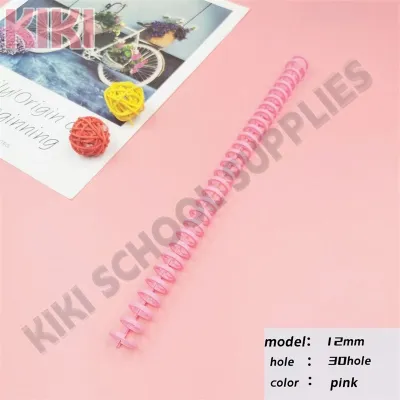
2,293 Lazada user ratings
Super satisfied with my order! ⭐⭐⭐⭐⭐ The product quality is excellent and matches the description and photos provided by the seller. It works ve…Read full reviewShow less
Super satisfied with my order! ⭐⭐⭐⭐⭐ The product quality is excellent and matches the description and photos provided by the seller. It works very well, looks durable, and arrived in great condition. The packaging was very secure with thick bubble wrap, ensuring the item didn't get damaged during shipping. Shipping was also surprisingly fast, and the seller was very responsive and polite when I had a quick question about the order. Excellent product and great service overall. Will definitely order again from this shop soon! Thank you so much!"
Great value for the price, Perfect for organizing school notes, Ideal for DIY projects. As for the downside of this item, the plastic to clo…Read full reviewShow less
Great value for the price, Perfect for organizing school notes, Ideal for DIY projects. As for the downside of this item, the plastic to close the rings on the side can be broken easily. If you want this item to last, you should be extra careful in utilizing it.
Size:nice Design:good Durability:nice Versatile size options available, Durable and sturdy binder rings. The delivered item is correct, I di…Read full reviewShow less
Size:nice Design:good Durability:nice Versatile size options available, Durable and sturdy binder rings. The delivered item is correct, I didn't use it yet, hoping that is very tight when we use.
Quality:10/10 Ease of Use:10/10 Appearance:10/10 ganda sakto sa papel ko thanks seller sa uulitin nkatipid aq
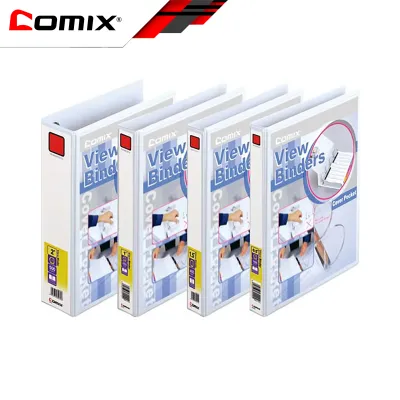
235 Lazada user ratings
Fast delivery! Okay din packaging. Naka box, well-packed! Sobrang sulit nito. Will buy again next time yung white!
The item arrived pretty late, the delivery was delayed quite a bit but the item itself is in good condition.
Got the items in good condition and with a freebie also! Thank you so much
binders were thicker than expected
Prices are valid at publication and may change. Please refer to the product page for the latest price.
Ring capacity is the first critical specification to consider. While manufacturers often list the physical spine width of a binder, the actual ring size determines how many sheets of paper it can comfortably hold. A standard 1-inch ring binder typically holds up to 175 to 200 sheets of standard 80 gsm paper, making it ideal for single-subject courses or elective classes with light reading materials. For major subjects with extensive modules, a 1.5-inch or 2-inch binder is more appropriate, accommodating 300 to 400 sheets. Avoid buying 3-inch binders for daily transport, as their bulk and weight can strain your back during long commutes across campus.
Paper size compatibility and punch hole alignment are equally vital, especially given the paper standards used in local universities. In the Philippines, professors distribute handouts on both A4 and Letter (short) paper sizes, and occasionally Legal (long) sizes. Standard three-ring binders are designed primarily for Letter-sized paper with three punched holes. If your university relies heavily on A4 handouts, a two-ring or four-ring binder system, or a multi-ring loose-leaf binder, may offer a better fit. Always verify that your binder’s ring spacing matches your paper puncher to prevent pages from hanging out or tearing at the margins.
Material durability determines whether your binder set survives the entire academic year. Polypropylene binders are highly flexible, lightweight, and resistant to water spills, making them excellent for students who commute in unpredictable weather. Vinyl binders, which feature a plastic cover wrapped over thick cardboard, offer a rigid writing surface but are prone to cracking along the spine hinges over time, especially when exposed to heat. Look for binders with reinforced spine edges and flexible joints to ensure they can withstand being repeatedly pulled from a packed backpack.
Budget considerations play a significant role when purchasing school supplies. Buying binders in multi-color sets is generally more cost-effective than purchasing individual units. Sets often provide a lower price per unit, allowing you to establish a cohesive color-coding system from day one. However, ensure the set includes the specific colors you need for your course load, as buying mismatched individual binders later to fill gaps can quickly inflate your overall stationery expenses.
Types of Color Coded Ring Binders for Different Study Needs
Not all college workloads are identical, and different academic paths require distinct binder styles. Understanding the available options allows you to match your organizational tools to your specific study habits, whether you are managing heavy science modules or creative design portfolios.

D-Ring vs. Round Ring Binders
The shape of the metal rings inside your binder directly affects how pages turn and how much paper the binder can store. Round rings are the most common and traditional option, featuring rings mounted directly to the spine of the binder. While they are excellent for lighter subject loads and allow for relatively smooth page turning, they have a distinct limitation. As the binder fills up, the pages curve around the rings, causing the paper stack to sit unevenly and reducing the overall sheet capacity.
D-ring binders offer a more efficient design for heavy academic workloads. The rings are shaped like a capital letter “D” and are typically mounted on the back cover rather than the spine. This placement allows pages to lie completely flat when the binder is open, preventing the inner margins of your notes from wrinkling or tearing. Because the straight edge of the “D” holds the paper, these binders can accommodate up to 25% more sheets than a round ring binder of the same physical size.
Slant D-ring binders serve as a practical middle ground. The angled straight edge combines the high capacity of a standard D-ring with a slightly smoother page-turning motion. If you frequently reference your notes, flip back and forth during study sessions, or need to store thick, printed laboratory manuals, choosing a D-ring or slant D-ring set will provide a more stable and organized experience.
View Binders vs. Non-View Binders
When organizing by color, you must decide how you want to identify each subject at a glance. View binders feature clear, plastic overlays on the front cover, back cover, and spine. This design allows you to slide in custom printed cover sheets, class schedules, or hand-written labels. While view binders offer high levels of personalization, the base material underneath the plastic is often limited to basic white or black, meaning your color-coding must rely entirely on the paper inserts you print yourself.
Non-view binders feature solid, vibrant colors directly on the exterior material. These binders do not have clear plastic pockets, offering a clean, uniform look out of the box. They provide immediate visual recognition, allowing you to grab the blue binder for mathematics or the green binder for biology without needing to read a label. The trade-off is that labeling must be done using adhesive stickers, permanent markers, or spine labels, which can leave sticky residue when removed.
For students who want a balance of both, look for solid-colored binders that include a small, clear pocket specifically on the spine. This allows you to benefit from the immediate visual impact of a colored cover while still being able to slide in a neat, written label to identify the specific semester or course code.
Zipper and Expandable Binders
For students who are constantly on the move between different campus buildings, standard open binders can sometimes let loose papers slip out. Zipper binders feature a fabric zipper closure that completely seals the perimeter of the binder. This design is highly beneficial for securing loose handouts, flashcards, pens, and even small calculators alongside your bound notes. They act as a hybrid between a binder and a small portfolio, reducing the need to carry a separate pencil case.
Expandable binders utilize flexible fabric or accordion-style spines that adjust to the volume of paper inside. If your course requirements fluctuate—starting with a few syllabus sheets and ending with hundreds of pages of research drafts—an expandable binder grows with your workload without taking up unnecessary space in your bag during the early weeks of the semester.
However, both zipper and expandable binders carry a trade-off in terms of weight and bulk. The added fabric, zippers, and internal pockets increase the empty weight of the binder, which can quickly add up when carrying multiple subjects. If you choose these styles, consider using them as centralized storage at home or in your dorm, while carrying lighter, slim polypropylene binders to your daily classes.
Building Your Color-Coding System for College Subjects
An effective color-coding system is only as good as its execution. Simply buying a multi-colored set of binders is not enough; you need a logical framework to ensure the colors actively reduce your daily academic stress.
One popular strategy is assigning colors based on academic departments or subject types. For example, you might assign cool colors like blue and green to science and mathematics courses, while reserving warm colors like red and orange for humanities and language classes. Alternatively, you can organize your binders by difficulty or workload, using red for your most challenging major subject to signal high priority, and yellow or blue for lighter elective courses. Another practical approach is chronological ordering, matching the colors to the sequence of your daily schedule so you can easily grab your binders from left to right each morning.
To reinforce your color system, integrate matching accessories inside each binder. Use colored plastic dividers that correspond to the main color of the binder, or use contrasting divider tabs to mark specific sections like lectures, quizzes, and homework. Matching sticky notes, highlighters, and index tabs can further streamline your study sessions, allowing you to color-coordinate your annotations with the binder itself.
Maintaining consistency is key when your schedule changes. When transitioning to a new semester, try to keep your color associations stable. If blue always represents quantitative subjects, reuse your blue binder for your new statistics class. If you take cross-listed courses or subjects that overlap, use multi-colored index tabs to bridge the gap without breaking your established visual structure.
What to Check Before Buying Binder Sets Online or In-Store
Whether you are browsing the aisles of a local bookstore in Manila or shopping on online marketplaces, verifying the physical quality of a binder set before purchasing prevents future frustration.
First, inspect the ring alignment and closure mechanism. The metal rings must align perfectly when closed, with no gaps or overlapping prongs. Even a tiny misalignment of a millimeter can cause pages to catch, tear, or slip out when you turn them. If shopping in-store, open and close the rings several times to ensure the spring mechanism is tight and responsive. If buying online, read customer reviews specifically mentioning the durability of the rings and whether they tend to pop open unexpectedly under pressure.
Next, examine the structural integrity of the binder’s edges and spine hinges. The hinges undergo the most stress during daily use. Look for binders with double-welded seams or reinforced fabric edges, which prevent the plastic from splitting and exposing the cardboard core. For flexible polypropylene binders, check that the plastic along the fold lines is thick enough to resist tearing after repeated bending.
Always verify the seller’s descriptions regarding sheet capacity and dimensions. Do not rely solely on terms like “standard size,” as this can vary between international manufacturers. Look for explicit measurements in centimeters or inches, and check the ring diameter rather than the spine width. Ensure the product description clearly states whether the binder is designed for A4, Letter, or Legal paper sizes to avoid compatibility issues with your local school supplies.
Finally, compare set prices across different retail channels to secure the best value. Prices for multi-color binder sets in the Philippines can range from ₱150 for basic plastic models to ₱600 or more for heavy-duty zipper binders. Local campus shops and traditional bookstores offer the advantage of physical inspection, but online marketplaces often provide bulk discounts and wider color selections. Factor in shipping costs and delivery times when ordering online, especially during the busy back-to-school season when high demand can lead to shipping delays.
Frequently Asked Questions (FAQ)
This section addresses common practical questions about managing and maintaining your binder collection throughout your college journey.
How many ring binders do I actually need for one college semester?
The number of binders you need depends on your course load and your personal carrying preferences. If you are taking five to six subjects, carrying five separate 1-inch binders every day can make your backpack heavy and bulky. A practical alternative is to use one or two larger binders (1.5-inch or 2-inch) equipped with colored dividers to group related subjects together for your daily classes. You can then keep a set of dedicated, color-coded binders at home or in your dorm room to archive older notes, syllabus sheets, and completed exams at the end of each week, keeping your daily carry light and manageable.
Can I reuse my color-coded binders for the next semester?
Yes, high-quality binders can easily be reused for multiple semesters, making them a highly sustainable and cost-effective choice. To reset your binders, carefully peel off old adhesive labels; if residue remains, wipe the area with a small amount of isopropyl alcohol or eucalyptus oil on a microfiber cloth. Clean the exterior polypropylene or vinyl covers with a damp cloth and mild soap to remove dust and ink stains. Ensure the metal rings are dry to prevent rusting. You can then insert fresh divider tabs and new paper refills, keeping your established color-coding system intact for your next set of courses.
Community discussion
Share your experience or ask a question. Comments are reviewed before publication.