
Selecting the right filing tool is the foundation of an efficient workspace. In the Philippines, where the standard “long” format (matching 8.5 x 13-inch paper) is widely used in schools, legal offices, and government agencies, choosing the correct folder type prevents document damage and speeds up retrieval. Whether you are setting up a classroom color-coding system or archiving corporate tax records, finding the right supplier for a colored folder long wholesale order requires balancing budget, durability, and functional design. The ideal choice depends on your daily handling frequency, storage environment, and document volume.
Long Folder Dimensions and Material Basics Explained
In the local market, a “long folder” is specifically sized to accommodate long bond paper (8.5 x 13 inches or 216 x 330 mm). The folder itself typically measures approximately 13 x 9.5 inches (330 x 240 mm). This extra half-inch of height ensures that the edges of your documents do not protrude, protecting them from fraying, dust, and moisture. This is distinct from short or letter-sized folders, which measure 11.75 x 9 inches and will leave long documents exposed.
When browsing options, you will primarily encounter three material categories:
Products mentioned in this guide

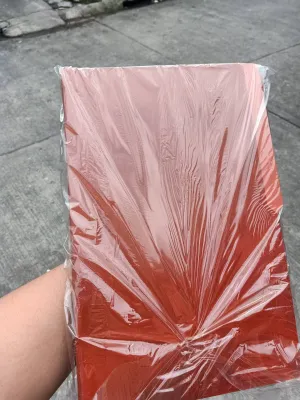
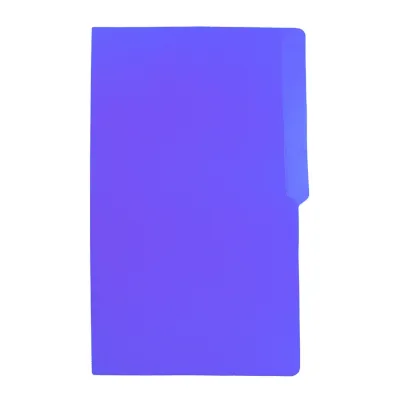
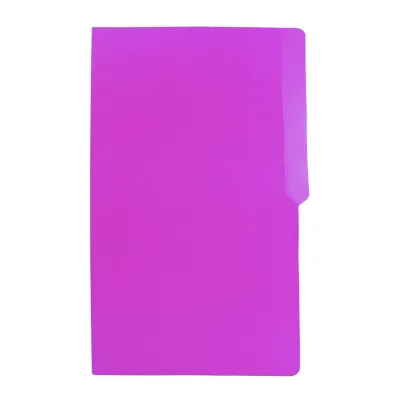
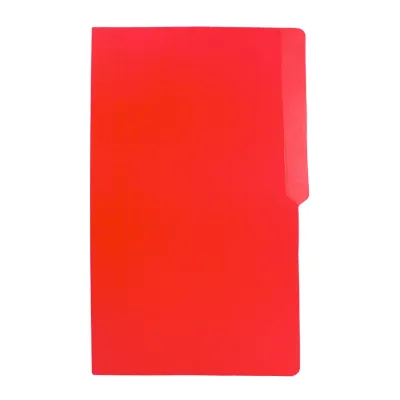
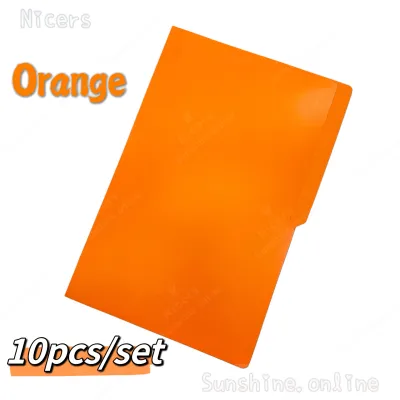
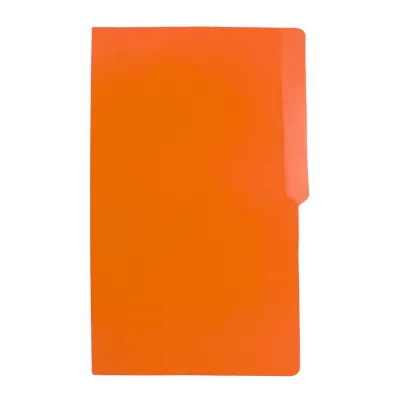
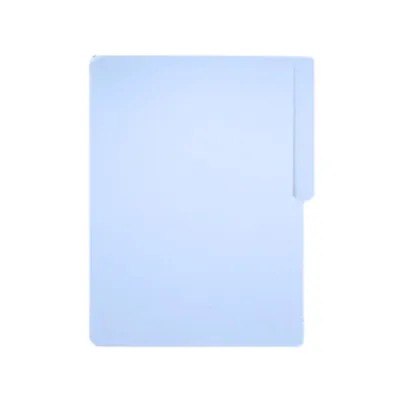
Prices are valid at publication and may change. Please refer to the product page for the latest price.
- Manila: The classic, highly economical paperboard option. It features a writable, matte surface that easily accepts handwritten notes.
- Plastic (Polypropylene/PP): A highly durable, moisture-resistant, and reusable option. It is ideal for protecting documents from spills, rain, and high tropical humidity.
- Pressboard: A thick, rigid, heavy-duty material designed for high-capacity archiving. It resists bending even when packed with thick stacks of paper.
Implementing a color-coded system across these materials fundamentally improves visual organization. The human brain processes colors faster than text, allowing administrative staff or students to locate the correct file category in seconds, reducing retrieval errors.
Matching Folder Materials to Your Specific Filing Scenarios
Different environments demand different physical properties from your filing supplies. Matching the folder material to your specific daily usage ensures that your documents remain secure and your filing system remains functional over its intended lifespan.

Office Archiving and Client File Management
For corporate registries, legal chambers, and accounting firms, folders must withstand years of storage and frequent retrieval. Pressboard and heavyweight plastic folders are the premier choices for these professional settings. They provide the structural integrity required to hold thick client records, multi-page legal briefs, or monthly financial statements without buckling.
When stored upright in lateral or vertical filing cabinets, flimsy folders tend to sag, causing documents to curl and tabs to slide out of view. Rigid pressboard prevents this collapse, keeping your filing drawers neat and readable. Additionally, these heavy-duty folders are highly compatible with metal prong fasteners or lever arch mechanisms, ensuring that multi-page files remain securely bound in chronological order during transport and review.
School Subject Separation and Daily Handling
In classrooms and academic departments, folders experience high-frequency, short-term use. Students and teachers require lightweight, flexible solutions that can easily slip into backpacks without adding unnecessary weight. Manila and lightweight plastic folders are ideal for separating subjects, organizing lesson plans, or distributing weekly handouts.
Manila folders are highly practical for students because their tabs and covers can be written on directly with standard ballpoint pens, gel pens, or highlighters. This eliminates the need for adhesive labels. Because academic terms are cyclical, these folders often have a high turnover rate. The low unit cost of manila makes it highly cost-effective to discard or recycle folders at the end of a semester, keeping school supply budgets manageable.
High-Volume Color-Coding and Wholesale Purchasing
When organizing large-scale institutions, purchasing your filing supplies in bulk is the most practical way to control costs. Buying a colored folder long wholesale shipment allows you to assign specific colors to different departments—such as red for Human Resources, blue for Finance, and green for Operations—creating an instant visual directory across the entire organization.
When planning a bulk purchase, evaluate the upfront cost-efficiency of manila against the long-term return on investment of plastic. While manila has a lower initial price point, reusable plastic folders can survive multiple years of reuse, making them more economical over time in active offices. When ordering wholesale, always request samples to verify consistent color dye lots and uniform material thickness. Inconsistent coloring across batches can disrupt your visual coding system and look unprofessional in open-shelf filing areas.
Key Specifications to Verify Before Ordering a Colored Folder Long Wholesale Batch
Before finalizing a large bulk order, verifying specific physical and structural details is crucial to avoid purchasing folders that are incompatible with your existing filing hardware or daily workflow.
- Paper Weight and Thickness: For paper-based folders, check the GSM (grams per square meter) or point thickness. Standard manila folders typically range from 150 to 230 GSM. Higher GSM values indicate a stiffer, more durable folder. For pressboard, look for point ratings (such as 25-point), which indicate heavy-duty thickness suitable for massive files.
- Fastener Compatibility: Determine whether your filing system requires plain folders, pre-punched holes, or folders with pre-installed metal prong fasteners. Pre-installed fasteners save significant prep time but add to the unit cost, whereas plain folders offer maximum flexibility for loose-leaf storage.
- Tab Styles and Cuts: Choose a tab configuration that matches your cabinet setup. Straight-cut tabs run the full length of the folder, while 1/3 cut (staggered left, center, right) and 1/5 cut tabs allow you to see multiple labels simultaneously in a crowded drawer. Ensure the tab size accommodates your printed label sheets or handwriting style.
- Surface Finish: Glossy plastic finishes offer excellent spill protection but repel standard inks, requiring permanent markers or specialized adhesive labels. Matte finishes on both paper and treated plastic allow for easier direct writing and prevent glare under bright office lighting.
Maintaining and Optimizing Your Color-Coded Filing System
A color-coded filing system is only as effective as the discipline used to maintain it. To prevent your system from degrading into a chaotic mix of mismatched folders, start by standardizing a visible color legend. Post this guide on the front of every filing cabinet and include it in your office onboarding manual so that every team member understands what each color represents.
Use consistent, high-contrast labels with uniform fonts and sizes. If you rely on handwritten labels, designate a specific permanent marker type to maintain a clean aesthetic. Finally, establish a routine—such as an annual or semi-annual audit—to inspect the physical condition of your files. In humid tropical climates, paper folders can absorb moisture over time, leading to sagging or structural weakness. Promptly rotate out torn, soft, or heavily worn folders without altering the established color logic to keep your client files secure and professional.
Frequently Asked Questions (FAQ)
What is the exact size of a standard long folder?
A standard long folder typically measures 13 x 9.5 inches (approximately 330 x 240 mm). This size is engineered to fully enclose long bond paper (8.5 x 13 inches) without leaving the top or side edges exposed. Because manufacturing tolerances can vary slightly between brands, always verify the exact millimeter specifications with your wholesale supplier to ensure the folders will slide smoothly into your specific filing cabinets or hanging folder frames.
Can I print directly on manila and plastic long folders?
Yes, but the success depends entirely on the material. Standard manila paper folders have a porous, matte surface that easily accepts ink from ballpoint pens, gel pens, and standard inkjet printers. In contrast, standard plastic (polypropylene) folders have a non-porous surface that repels water-based inks, causing them to smudge. To label plastic folders, you must use permanent markers, specialized wet-erase markers, or high-tack adhesive labels designed for synthetic surfaces, unless the manufacturer explicitly states the plastic has been treated with a printable coating.
Community discussion
Share your experience or ask a question. Comments are reviewed before publication.