
Selecting the perfect color pen is a highly personal decision that directly impacts the quality of your creative projects, daily planning, and academic notes. In the Philippines, this choice is further shaped by unique environmental factors, such as high relative humidity and the widespread use of standard-grade papers in local schools and offices. Whether you are sketching intricate illustrations, organizing a colorful bullet journal, or rushing through lecture notes, matching the right ink formulation and tip style to your paper is essential for achieving clean, smudge-free results.
By understanding how different inks behave under various conditions, you can avoid common frustrations like ink bleeding, feathering, and slow drying times. This guide breaks down the essential criteria for selecting the ideal color pen for your specific needs, offering practical advice tailored to artists, journalers, and students navigating the tropical climate.
How to Choose the Right Color Pen for Your Needs
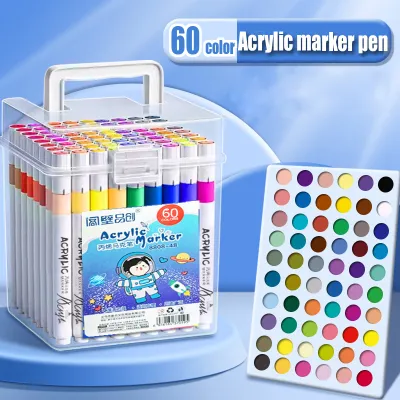
To make an informed decision, you must first understand the core chemistry of pen inks. Dye-based inks are known for their exceptionally vibrant and brilliant colors, as the colorants are completely dissolved in a liquid carrier. However, these inks are highly soluble in water and prone to fading over time when exposed to sunlight, making them less ideal for archival work. In contrast, pigment-based inks contain microscopic solid particles suspended in a liquid medium. Once dry, these particles bind firmly to the paper surface, offering excellent water resistance, smudge resistance, and lightfastness. Gel inks use a water-based gel suspension that holds a high concentration of pigments, delivering an incredibly smooth, opaque line that stands out even on dark paper. Alcohol-based inks, commonly found in professional markers, dry almost instantly because the alcohol solvent evaporates rapidly, allowing artists to blend colors seamlessly, though they easily bleed through standard paper.
Products mentioned in this guide
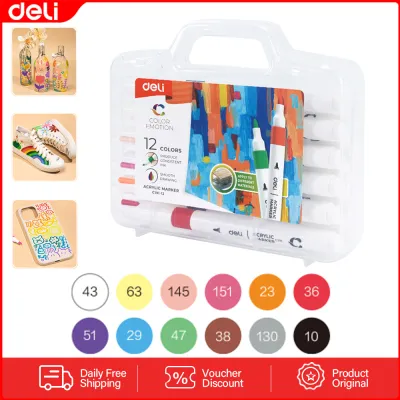
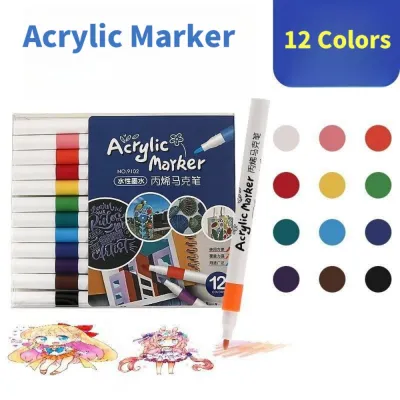
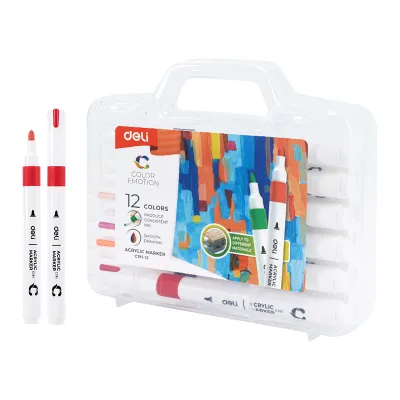
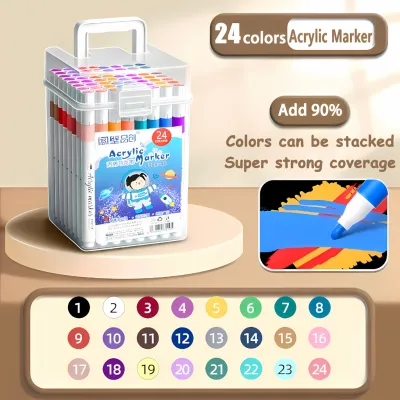
Prices are valid at publication and may change. Please refer to the product page for the latest price.
The physical design of the pen tip also dictates its primary application. Fineliners feature a delicate, porous plastic tip encased in a protective metal collar, allowing for extreme precision in line widths ranging from 0.03mm to 1.0mm. These are highly favored for detailed technical drawings, grid layouts, and small, neat handwriting. Bullet tips are solid, rounded points made of felt or plastic that maintain a uniform line thickness regardless of the angle at which you hold the pen, making them reliable for general writing and bold outlines. Brush tips, which can be made of flexible molded elastomer or individual synthetic nylon bristles, behave like traditional paintbrushes. By varying the downward pressure of your hand, you can dynamically adjust the line width from a hairline stroke to a broad sweep, which is essential for calligraphy, hand lettering, and expressive sketching.
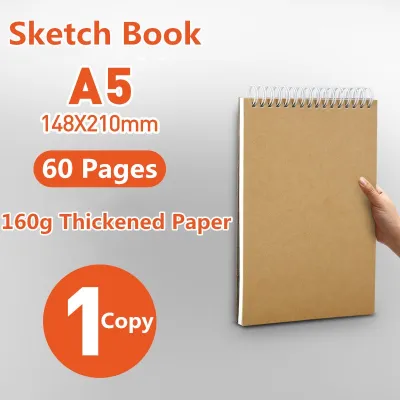
The relationship between pen ink and paper weight is the single most critical factor in preventing bleed-through. Paper thickness is measured in Grams per Square Meter (GSM). Standard school notebooks, intermediate pads, and office copy papers in the Philippines typically range from 50 GSM to 80 GSM. These thin papers easily absorb liquid inks, leading to ghosting—where writing is visible on the reverse side—or complete bleed-through. Bullet journals and high-quality sketchbooks feature heavier paper, usually between 100 GSM and 160 GSM, which can handle heavy ink applications. Rather than relying solely on pen packaging claims like ‘no-bleed’ or ‘bleed-proof,’ always check your paper’s actual specifications, as ink behavior is a mutual interaction between the paper’s fiber structure and the ink’s viscosity.
To ensure compatibility before starting any major project, always perform a quick, practical verification test. Dedicate a small scrap piece of your intended writing paper or a discreet back page of your notebook as a test zone. Draw a few test lines, write a couple of sentences, and fill in a small solid block of color. Observe how long the ink takes to dry by gently tapping it at one-second intervals, and check the edges of the lines for feathering, which occurs when ink spreads sideways along the paper fibers. Finally, flip the page over to inspect the reverse side for any signs of ghosting or bleed-through, ensuring you are fully satisfied with the performance before committing to your work.
Best Pen Types for Art, Illustration, and Sketching
Alcohol-Based Markers for Blending and Coverage
For artists focusing on character design, manga illustration, and vibrant sketches, alcohol-based markers are the premier choice. The rapid evaporation of the alcohol solvent allows the ink to remain wet on the paper just long enough for adjacent colors to fuse together, creating flawless, streak-free gradients and soft color transitions. This unique blending capability makes it easy to build realistic shadows, highlights, and rich color depth that water-based inks cannot easily replicate.

However, the very property that makes alcohol ink blend so beautifully also makes it highly prone to bleeding through paper. The solvent penetrates deep into the paper fibers, meaning standard sketchbook pages will quickly become saturated, ruining any work on the reverse side. To prevent this, you should always use dedicated marker paper, which features a specialized non-porous coating on the back to resist ink absorption, or place a thick, protective plastic sheet or heavy cardstock directly behind your active drawing page to safeguard the rest of your sketchbook.
Proper care is also essential to protect your investment in these markers. Because alcohol is highly volatile, leaving a marker uncapped even for a few minutes can cause the tip and the internal reservoir to dry out permanently. Always listen for a firm, audible click when replacing the cap to ensure an airtight seal. Additionally, because the alcohol solvent emits distinct fumes, it is highly recommended to work in a well-ventilated room, especially during long, detailed coloring sessions.
Water-Based Brush Pens for Wash Effects
Water-based brush pens offer a versatile, low-odor alternative that is ideal for watercolor-style illustrations, hand lettering, and decorative journaling. Because these pens use water as their primary solvent, the ink remains water-soluble even after it dries on the page. This allows you to apply color to the paper and then use a wet paintbrush or a specialized colorless blender pen to spread, dilute, and soften the ink, creating beautiful wash effects and delicate pastel gradients.
While water-based inks do not blend as seamlessly or dry as quickly as alcohol-based inks, they are much gentler on standard paper. They are far less likely to bleed through the pages of a typical sketchbook or bullet journal, making them a safer choice for double-sided layouts. This makes them highly popular among hobbyists who want to add artistic flair to their daily planners without worrying about ruining the next day’s page.
When choosing water-based brush pens, pay close attention to the construction of the brush tip. Molded elastomer tips are firm and springy, automatically returning to their original shape after each stroke, which provides excellent control for beginners practicing calligraphy. On the other hand, individual nylon bristle tips offer the fluid flexibility of a true artist’s paintbrush but require a highly disciplined hand to control line thickness. Keep in mind that rough, textured papers can cause delicate nylon bristles to fray over time, so pairing these pens with smooth, high-quality paper is recommended to extend their lifespan.
Pigment Fineliners for Detail Work
No illustration is complete without clean, crisp outlines and intricate detail work. Pigment-based fineliners are the industry standard for inking sketches, cross-hatching, and technical drawing. Because the pigment ink is highly resistant to water once fully dry, you can safely apply watercolor washes or water-based markers directly over your inked lines without any fear of smudging, bleeding, or losing detail.
To maintain a consistent, skip-free ink flow, these pens utilize a delicate porous plastic tip that requires careful handling. You must avoid applying excessive downward pressure while drawing, as this can bend or crush the fine tip, permanently ruining the pen’s line consistency. A light, steady hand is all that is required to deposit a perfect line of rich, dark ink.
Additionally, be cautious when using fineliners over other drawing mediums. Writing over wet paint, heavy graphite pencil sketches, or thick colored pencil wax can easily clog the microscopic capillary channels in the fineliner tip. To prevent clogging, always allow your base mediums to dry completely, and gently erase any heavy pencil guidelines with a soft eraser before applying your final ink outlines.
Best Pen Types for Journaling and Bullet Journaling
Gel Pens for Smooth Writing and Vibrant Colors
Bullet journaling and daily planning require writing instruments that combine aesthetic appeal with exceptional comfort. Gel pens are highly favored in the journaling community because the gel-based ink offers a smooth, glide-like writing experience that requires almost no downward hand pressure. This significantly reduces finger fatigue during long writing sessions, allowing you to focus entirely on organizing your thoughts and creative layouts.
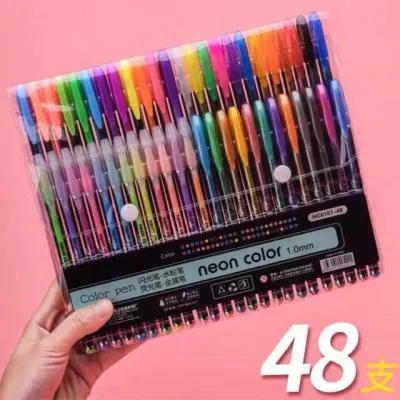
The high concentration of solid pigments in gel ink allows for an incredibly wide and vibrant color palette. Journalers can choose from classic deep tones, soft pastels, metallic bronzes, neon brights, and even glitter-infused inks. Because gel ink is highly opaque, pastel and metallic gel pens write beautifully on dark-colored or black paper, opening up endless possibilities for creative page designs, cover pages, and striking headers.
The primary trade-off of gel ink is its relatively slow drying speed. Because the gel suspension holds a significant amount of moisture, the ink sits on top of the paper surface for several seconds before drying completely. This can lead to accidental smudging, particularly for left-handed writers whose hands naturally glide over freshly written text. To mitigate this, look for gel pens specifically labeled as ‘quick-dry’ or ‘rapid-dry,’ and always allow a few extra seconds of drying time before closing your journal or turning the page.
Mild Highlighters and Pastel Markers for Aesthetics
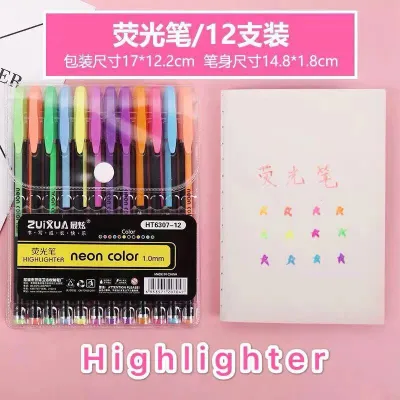
Creating an aesthetically pleasing journal layout often involves highlighting key dates, color-coding tasks, and drawing decorative borders. Traditional fluorescent highlighters, while highly visible, can be visually overwhelming and cause eye strain. Mild highlighters and pastel markers have become incredibly popular because they use low-saturation, soft tones—such as muted sage, dusty rose, and warm cream—to organize information gently without distracting from your handwriting.
These soft-colored markers allow you to underline or shade text while keeping the underlying words perfectly legible. They are excellent for creating subtle background washes behind your daily headers or dividing your planner pages into neat, organized sections. The calming color palettes help create a cohesive, visually relaxing journal that is a pleasure to look at and update daily.
To keep your mild highlighters performing at their best, treat their porous felt tips with care. Applying heavy pressure or dragging the tip across rough paper surfaces can cause the felt fibers to split, fray, or lose their sharp chisel edge. Use a light, consistent touch, and avoid highlighting over wet gel inks or fresh ballpoint writing to prevent the highlighter tip from absorbing the darker ink and becoming permanently discolored.
Quick-Dry and Low-Bleed Formulations for Standard Notebooks
Many popular journals and notebooks feature standard paper weights ranging from 80 GSM to 100 GSM. While this paper is perfectly fine for everyday writing, it can easily suffer from ghosting or bleed-through when paired with heavy, wet inks. To enjoy a colorful journal without ruining the reverse side of your pages, it is wise to select quick-drying, low-bleed pen formulations.
One of the most effective strategies is to opt for smaller tip sizes, such as fine (0.5mm) or extra-fine (0.38mm) points. Finer tips deposit a much smaller volume of ink onto the page, which the paper fibers can absorb and dry almost instantly. This rapid drying action prevents the ink from soaking deep into the paper, minimizing ghosting and keeping the back of your page clean and ready for your next entry.
Additionally, look for pens that utilize hybrid ink formulations, which combine the smoothness of gel ink with the fast-drying properties of ballpoint ink. These hybrid inks dry almost immediately upon contact with the paper, making them exceptionally resistant to both smudging and bleed-through, even on thinner, budget-friendly notebook pages.
Best Pen Types for School, Office, and Everyday Notes
Multi-Color Pens for Efficient Color-Coding
For students and busy professionals, speed and efficiency are paramount. Multi-color pens, which house three, four, or even more colored ink cartridges within a single barrel, are incredibly convenient tools for rapid note-taking and real-time color-coding. With a simple slide of a mechanical lever, you can instantly switch from writing standard notes in blue or black to highlighting key formulas in red or organizing subtopics in green.
This multi-functional design eliminates the need to carry a bulky pencil case filled with individual pens, keeping your desk clutter-free and your backpack light. It allows you to maintain your focus during fast-paced lectures or meetings, as you do not have to search for a different pen every time you want to emphasize a point or start a new section.
However, multi-color pens do come with practical trade-offs. To accommodate multiple cartridges, the outer barrel of the pen is naturally wider and heavier than a standard single-color pen, which may feel fatiguing during long, continuous writing sessions. Furthermore, because each internal ink cartridge must be very narrow to fit inside the shared barrel, they hold a significantly smaller volume of ink, meaning you will need to replace the refills more frequently than you would with individual pens.
Erasable Colored Pens for Easy Corrections
Erasable colored pens have revolutionized note-taking by allowing you to write in vibrant colors while retaining the ability to correct mistakes instantly. These pens utilize specialized thermo-sensitive ink that reacts to heat. When you rub the hard rubber tail tip of the pen over your writing, the friction generates localized heat that causes the ink to become completely transparent, leaving your paper clean and free of messy correction tape or crossed-out lines.
While this technology is incredibly convenient for drafting essays, solving complex math equations, or sketching temporary diagrams, it is critical to understand its strict limitations. Because the ink is sensitive to heat, you must never use erasable pens for official school examinations, legal documents, checks, or any paperwork that requires permanent records. If a notebook written with erasable ink is left in a hot environment—such as a parked car under the intense Philippine sun, near a window, or under a hot desk lamp—the ink can disappear entirely, leaving your pages blank.
Conversely, if your faded notes are exposed to extreme cold, such as being placed in a freezer, the chemical structure of the thermo-sensitive ink can reactivate, causing the erased writing to partially reappear. This can result in a messy, overlapping layer of old and new text that is highly difficult to read. Use erasable pens strictly for casual, non-official personal notes, and keep your notebooks stored in a temperate environment.
Ergonomic and Budget-Friendly Options for Heavy Use
When you are writing pages of notes daily, physical comfort and long-term cost-efficiency become your top priorities. Prolonged writing with a hard, narrow pen barrel can lead to finger cramping, joint strain, and writer’s fatigue. To protect your hands, look for pens designed with ergonomic features, such as soft, contoured rubberized grips or cushioned silicone sleeves that distribute finger pressure evenly.
In addition to comfort, evaluating the true cost of your writing instruments involves looking beyond the initial purchase price. Cheap, low-quality disposable pen sets may seem like a budget-friendly option, but they often feature scratchy tips, inconsistent ink flow, and very short lifespans. This results in frequent replacements that quickly add up in cost and contribute to plastic waste.
A more sustainable and economical approach is to invest in a high-quality, durable pen body with an ergonomic grip, and then purchase budget-friendly ink refills in bulk. Many reputable stationery brands offer packs of refills for a fraction of the cost of a new pen, typically ranging from ₱20 to ₱50 per refill. This approach ensures a consistently smooth writing experience while keeping your long-term stationery expenses highly manageable.
How to Store and Maintain Colored Pens in Humid Climates
To maximize the lifespan and performance of your colored pens, proper storage and maintenance are essential, especially when dealing with the tropical climate of the Philippines. The correct storage orientation depends heavily on the specific pen type. Dual-tip markers and alcohol-based markers must always be stored horizontally. This horizontal positioning ensures that the ink is distributed evenly to both ends of the pen, preventing one tip from drying out while the other becomes oversaturated, leaky, or oversaturated with pigment.
On the other hand, single-tip gel pens, fineliners, and ballpoint pens should ideally be stored vertically with the writing tip pointing downward. This allows gravity to keep the ink resting directly against the ballpoint or porous tip, ensuring an immediate, skip-free ink flow the moment you start writing. Storing gel pens tip-up can cause air pockets to form inside the cartridge, disrupting the ink flow and causing the pen to skip or stop working prematurely.
The high relative humidity and tropical heat in the Philippines present unique challenges for stationery preservation. High humidity causes paper fibers to absorb moisture from the air, which can significantly slow down ink drying times and make paper more prone to warping or feathering. Extreme heat can also cause the air inside plastic pen barrels to expand, forcing ink out of the tip and resulting in messy leaks inside your pencil case. To protect your pens, store them in a cool, dry drawer, cabinet, or pencil case away from direct sunlight, windows, or areas with rapid temperature fluctuations.
If a water-based brush pen or felt-tip marker begins to dry out, you can often revive it with a simple, safe technique. Briefly dip the very tip of the dried pen into warm water for two to three seconds, then replace the cap tightly and let the pen rest vertically, tip down, for about an hour. This allows the moisture to draw the remaining ink back to the tip. However, never attempt this with gel pens or alcohol-based markers; water will ruin the chemical formulation of alcohol-based inks, and harsh solvents or heat can permanently damage the delicate gel suspension, rendering the pen completely unusable. Always listen for a firm ‘click’ when capping your pens to ensure they are sealed airtight against the humid air.
Frequently Asked Questions (FAQ)
Can I use alcohol markers on standard notebook paper?
While you can physically write on standard notebook paper (typically 70 GSM to 90 GSM) with alcohol markers, the ink will bleed through the page heavily and feather aggressively along the paper fibers. This ruins the reverse side of the sheet and distorts the precision of your drawings. For best results, use dedicated, coated marker paper. If you must use them in a standard notebook, always place a thick, non-porous protective barrier, such as a plastic sheet or heavy cardstock, directly underneath your active page to protect the rest of your notebook.
How do I prevent my gel pens from skipping or drying out?
To prevent skipping, store your gel pens horizontally or vertically with the writing tip pointing downward to keep the ink in constant contact with the ballpoint. Skipping is often caused by tiny air bubbles trapped in the ink column or writing over oily fingerprints on the paper surface. To resolve this, gently scribble in tight, continuous circles on a rough piece of scrap paper or cardboard to draw the ink forward and clear any air pockets. Avoid shaking the pen violently, as this can introduce more air bubbles into the cartridge.
Are erasable colored pens acceptable for official school submissions?
No, erasable colored pens are strictly unacceptable for official school submissions, graded examinations, or administrative records. The thermo-sensitive ink is highly vulnerable to temperature changes. If your exam paper is stored in a warm faculty room, left under a hot desk lamp, or exposed to direct sunlight, your answers could disappear completely. Always use standard, non-erasable pigment-based or ballpoint pens for any official, graded, or legal work to ensure the permanence of your writing.
Community discussion
Share your experience or ask a question. Comments are reviewed before publication.