
Finding the right coloring books for kids set requires looking beyond vibrant covers and popular characters. A child’s physical development, attention span, and artistic interests change rapidly, meaning a set that delights a nine-year-old will likely frustrate a toddler. Matching the coloring medium and paper type to your child’s current motor skills ensures they stay engaged while building confidence and coordination.
Selecting a set that includes both the book and the coloring tools simplifies the purchasing process, but the quality of these components varies significantly. Understanding how paper thickness interacts with different inks and how to store these materials in tropical environments will help you make an informed purchase that lasts.
How to Choose Age-Appropriate Coloring Book Sets
Children progress through distinct stages of motor development that dictate which coloring tools they can comfortably use. Toddlers begin with a palmar grasp, using their entire fist to hold thick crayons and making broad movements from the shoulder. As they grow, they transition to a static tripod grasp, eventually developing the refined dynamic tripod grasp of school-age children, which allows for precise finger control. Choosing a set with tools that match these developmental stages prevents hand fatigue and frustration.
Products mentioned in this guide
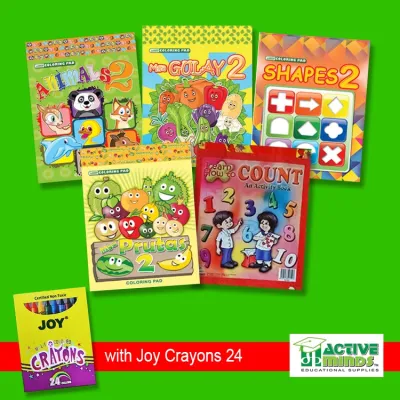
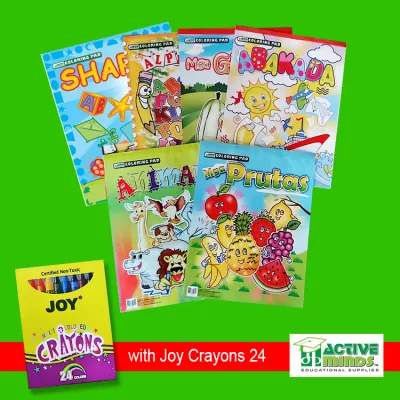
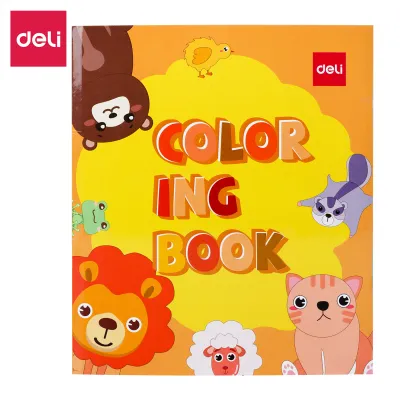
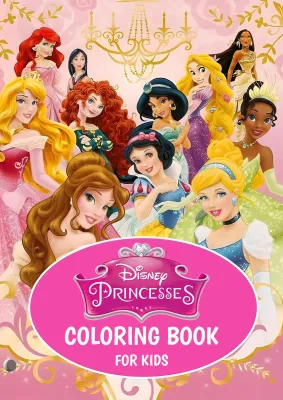
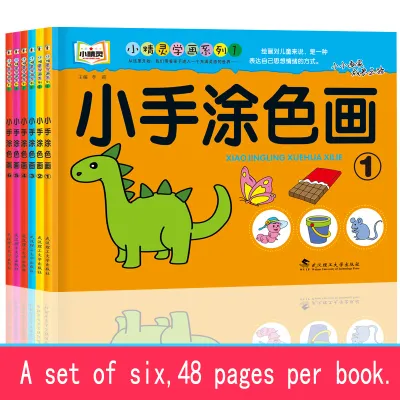
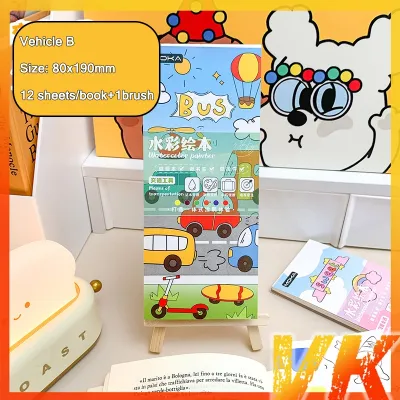
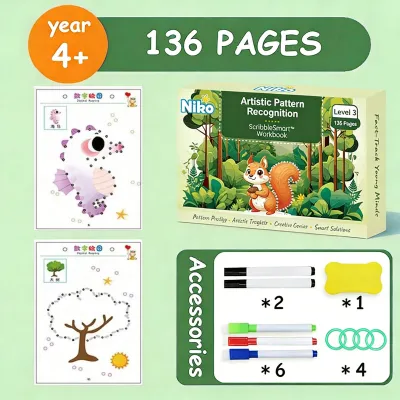
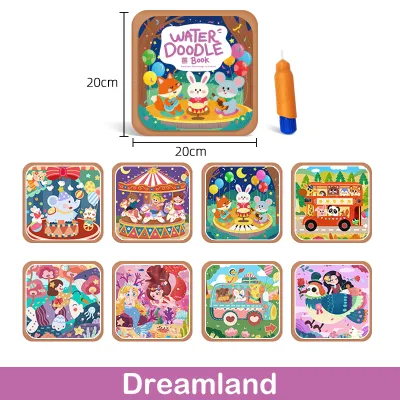
Prices are valid at publication and may change. Please refer to the product page for the latest price.
When evaluating a bundled set, balance the number of coloring pages with the quality of the included tools. Many budget-friendly options offer hundreds of pages but include low-pigment crayons that break easily or markers that dry out quickly. It is often more satisfying for a child to have a smaller, high-quality set with vibrant, durable tools than a massive bundle of thin, easily torn pages and faint colors.
Paper quality is measured in grams per square meter (GSM) and directly affects how the book handles different mediums. Standard coloring books often use thin paper (around 50 to 60 GSM), which is highly susceptible to bleed-through when paired with water-based markers or heavy ink. To ensure a clean coloring experience, look for sets that specify a paper weight of 80 GSM or higher for crayons and colored pencils, and at least 100 to 120 GSM if your child prefers markers or watercolor pens. Because actual bleed resistance depends on the specific combination of paper fibers and ink volume, testing a small corner of the page before starting is always a reliable verification step.
Safety is paramount when selecting art supplies for children. Look for clear non-toxic certification labels on the packaging, such as the ASTM D-4236 seal (indicating the materials have been evaluated by a toxicologist) or the CE EN71 mark for European safety compliance. These certifications are especially important when buying from online marketplaces, where unbranded or counterfeit products may not meet local safety standards.
Storing stationery in a tropical climate like the Philippines requires specific care due to high heat and relative humidity. Excess humidity can soften wax-based crayons, making them sticky and fragile, while warm temperatures can accelerate the drying of water-based felt-tip markers. To preserve the quality of your child’s coloring set, store all books and tools in an airtight plastic container with a few silica gel packets, keeping them away from direct sunlight and humid areas.
Best Coloring Book Sets for Toddlers (Ages 1 to 3)
For toddlers, coloring is an act of sensory exploration and physical cause-and-effect rather than an attempt to create a perfect picture. Children in this age group use large muscle movements to swipe color across the page, making boundary lines irrelevant. The goal at this stage is to encourage color recognition, hand-eye coordination, and tactile feedback without any pressure to stay inside the lines.

To withstand enthusiastic toddler handling, coloring books should feature thick board pages or heavy cardstock that resists tearing. Outlines must be exceptionally large, simple, and bold, featuring single, recognizable objects like animals, vehicles, or everyday household items. Single-sided printing is highly beneficial here, as it prevents wax or paint from transferring to the opposite page when the book is closed.
Coloring tools for toddlers must accommodate their natural palmar grasp. Look for jumbo crayons, triangular crayons that resist rolling off low tables, or large-barrel markers with blunt, crush-proof tips. Washable finger paints are also excellent for tactile sensory play, provided they are specifically formulated for early childhood use.
One highly practical category for this age group is the “My First” board book and jumbo crayon bundle, which provides immediate, durable play. Another excellent option is the water-reveal coloring pad, which uses a water-filled pen to reveal vibrant colors on reusable, coated boards. These water-reveal sets are highly favored by parents for car rides or dining out, as they eliminate the risk of ink stains on clothes or restaurant tables.
Before purchasing, always check the packaging for choking hazard warnings, particularly regarding small caps or detachable parts. Ensure that all included markers, paints, and crayons are explicitly labeled as “ultra-washable” from skin, walls, and fabrics. In local households where air-drying laundry is common, choosing high-quality washable formulas prevents permanent stains on school uniforms and home upholstery.
Best Coloring Book Sets for Preschoolers (Ages 3 to 5)
Preschoolers are transitioning toward a static tripod grasp and are beginning to develop the manual dexterity required to color within defined boundaries. This age group enjoys recognizing shapes and patterns, and they often develop strong thematic interests. They are highly motivated by sets featuring their favorite subjects, such as dinosaurs, outer space, fairy tales, or basic alphabet tracing.
Coloring books for preschoolers can transition to standard paper, though extremely thin newsprint should still be avoided to prevent frustration. Pages should feature varied but simple shapes that introduce basic patterns. Incorporating simple activities like connect-the-dots, basic mazes, or color-by-number keys keeps children engaged while reinforcing early cognitive and problem-solving skills.
Preschoolers are ready for standard-sized crayons and classic washable markers, which help them practice more precise hand movements. This is also the ideal time to introduce beginner colored pencils. Look for pencils with thick, break-resistant leads (around 4mm to 5mm core diameter) that can withstand the heavy downward pressure typical of children learning to control their hand strength.
Highly recommended set categories for this stage include thematic activity and coloring bundles, which combine coloring pages with matching stickers and interactive worksheets. Washable marker and paper pad sets are also excellent, offering loose sheets of paper that give children the freedom to draw and color without the physical restriction of a bound book spine.
Standard washable markers in budget-friendly sets can easily bleed through standard-weight paper. To prevent ruining the pages underneath, place a sheet of thick scrap cardboard or a plastic protector sheet directly behind the active page. When browsing online, check product descriptions for paper weight, aiming for at least 80 GSM to ensure the pages can handle basic marker use without tearing.
Best Coloring Book Sets for School-Age Kids (Ages 6 to 9)
By age six, most children have developed a dynamic tripod grasp, allowing for precise finger movements and excellent pencil control. They have longer attention spans and enjoy detailed coloring, experimenting with basic shading, and blending colors together. Their interests shift toward complex scenes, popular media franchises, and specific hobbies.
Coloring books for school-age children should feature intricate patterns, detailed backgrounds, and mixed-media elements. Paper quality becomes a critical factor at this stage; look for sets featuring pages with a weight of 100 GSM or higher. This thickness allows children to layer colored pencils over marker outlines or use light watercolor washes without the paper warping or tearing.
This age group excels with fine-line markers, standard-sized colored pencils, gel pens, and basic blending tools. The addition of specialty tools, such as metallic or glitter gel pens, adds an exciting element of customization that appeals strongly to school-age kids and keeps them engaged for longer periods.
Comprehensive art kits housed in organized, portable storage cases are highly popular for this demographic. These cases keep colored pencils, markers, and pastels neatly arranged, which also helps teach organizational skills. Premium franchise-themed coloring sets, which bundle high-quality illustration sheets with specialized color palettes matching their favorite characters, are also excellent choices.
When evaluating these larger kits, compare the cost-per-page and the quality of the included tools against buying them separately. Many cheap, all-in-one plastic cases contain low-quality crayons that deposit very little pigment and markers that dry out quickly. If the included tools seem flimsy, it is often more economical to purchase a high-quality standalone coloring book and pair it with a reputable brand of colored pencils.
Best Coloring Book Sets for Older Kids and Tweens (Ages 10+)
For older children and tweens, coloring often transitions from a simple play activity to a form of stress relief, mindfulness, and serious artistic expression. They are capable of learning advanced artistic techniques, such as color theory, light-source shading, blending, and cross-hatching.
Coloring books for this age group should feature sophisticated themes, such as intricate mandalas, fashion design templates, botanical illustrations, or architectural sketches. High-quality blank sketchbooks featuring mixed-media paper (150 GSM or higher) are also highly valued, allowing older kids to sketch their own outlines before coloring them in.
Tweens appreciate and benefit from artist-grade tools that respond to subtle changes in hand pressure. Look for soft-core colored pencils that blend smoothly, dual-tip brush pens (featuring a flexible brush tip on one end and a fine liner on the other), and high-pigment fine liners that do not smudge when colored over.
Adult-style coloring book bundles paired with professional-grade colored pencils make excellent gifts for this age group. Bullet journal and illustration kits, which include stencils, fine liners, and dot-grid journals, also appeal to a tween’s desire for personal organization and creative self-expression.
Unlike toddler sets that boast hundreds of pages, premium tween sets prioritize material quality over volume. Expect fewer pages but significantly thicker, acid-free paper that preserves colors over time. The included pencils and pens will feature richer pigments and smoother application, justifying the higher price point per item.
Quick Comparison of Coloring Tools by Age Group
| Tool Type | Best Age Group | Motor Skill Requirement | Key Features to Look For |
|---|---|---|---|
| Jumbo Crayons | Ages 1 to 3 | Palmar grasp, basic shoulder movement | Break-resistant, non-toxic, triangular shape, washable formula |
| Washable Markers | Ages 3 to 5 | Transitional tripod grasp, basic wrist control | Crush-proof medium tips, ultra-washable ink, ventilated caps |
| Standard Colored Pencils | Ages 6 to 9 | Dynamic tripod grasp, finger control | Break-resistant thick leads, rich pigment payoff, easy to sharpen |
| Fine-liners / Brush Pens | Ages 10+ | Refined pincer grasp, precise control | Dual-tip design, water-based acid-free ink, smudge-resistant |
Use this table to quickly cross-reference the contents of any coloring book set you are browsing online. Ensuring the included tools match your child’s current motor skill level prevents frustration and helps them get the most enjoyment out of their creative sessions.
Frequently Asked Questions (FAQ)
Are coloring book sets safe for toddlers?
Yes, provided you select sets designed specifically for early childhood. Always check the packaging for non-toxic certifications, such as the AP (Approved Product) seal or CE mark. Avoid sets with small detachable parts, like marker caps or small sharpeners, which pose choking hazards. For toddlers under three, adult supervision is always recommended to ensure safety and prevent accidental ingestion of art mediums.
How do I prevent markers from bleeding through the paper?
Bleeding occurs when thin paper absorbs more liquid ink than its fibers can hold. To prevent this, check the product specifications for paper weight, aiming for at least 100 GSM. If the set features thinner paper, place a sheet of heavy scrap paper or a plastic protector sheet directly behind the page being colored. Opting for dry-style coloring tools like colored pencils or choosing fine-tip markers with lower ink flow will also minimize bleed-through.
Community discussion
Share your experience or ask a question. Comments are reviewed before publication.