
Quick Answer: Choosing the Right Card Skin
Personalizing your payment cards with a credit card sticker skin is an excellent way to express your style, but the best skin must balance aesthetics with strict technical standards. The ideal card skin uses premium, ultra-thin vinyl with a residue-free adhesive that perfectly matches the standard ID-1 card dimensions of 85.60 mm by 53.98 mm. Most importantly, a high-quality skin must never cover or interfere with critical functional components, including the EMV microchip, the magnetic stripe on the back, and the internal NFC antenna used for tap-to-pay transactions.
For daily use in tropical climates like the Philippines, premium matte or gloss vinyl skins offer the best resistance to humidity, sweat, and friction inside tight wallet slots. Craft enthusiasts can also opt for sealed washi paper skins, provided they are protected by a clear laminate overlay to prevent water damage and fraying. By choosing a skin with precise machine-cut layouts for your specific card type—whether it is a full-cover skin with a chip cutout, a half-cover skin, or a simple front-only wrap—you can achieve a customized look without risking a jammed card at the ATM or a declined transaction at the counter.
What to Look for in a High-Quality Card Skin
When shopping for a credit card sticker skin, understanding the technical specifications of both the sticker and your card is essential. A poorly made sticker can ruin a card, get stuck inside an automated teller machine (ATM), or peel off within weeks due to local humidity.
Products mentioned in this guide
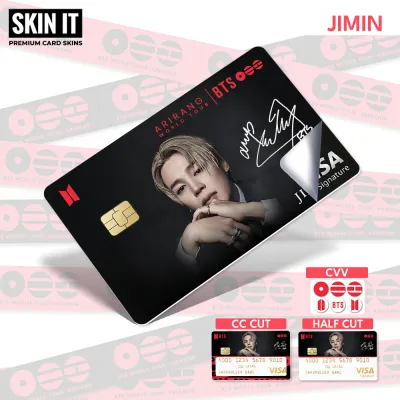
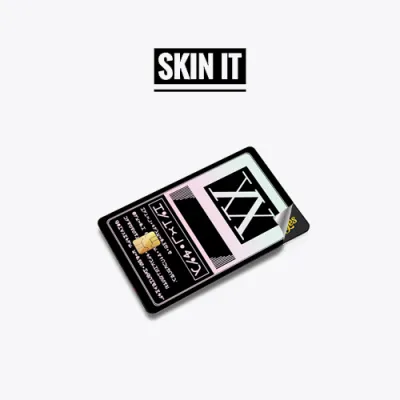
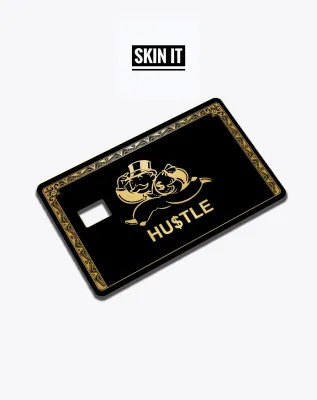
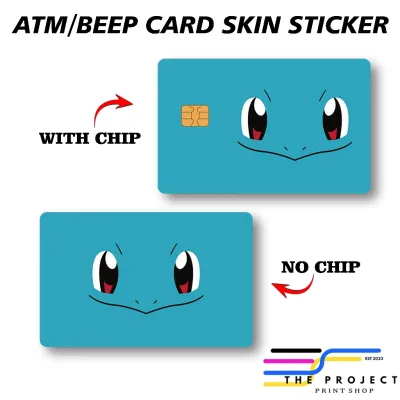
Prices are valid at publication and may change. Please refer to the product page for the latest price.

Precise Dimensions and Standard Fit Standard financial cards follow the international ISO/IEC 7810 ID-1 standard, which specifies dimensions of 85.60 × 53.98 mm with rounded corners. High-quality skins are precision-cut using digital die-cutters to match these dimensions exactly. Even a fraction of a millimeter of overhang can catch on the edges of card readers, leading to peeling, dirt accumulation, and eventual failure of the adhesive. When choosing a skin, verify whether your card has flat, printed details or raised, embossed lettering, as embossed cards require more flexible, stretchable vinyl to conform to the raised surfaces without creating air pockets.
Material Durability and Adhesive Quality The tropical climate of the Philippines, characterized by high relative humidity and ambient temperatures, subjects daily-use items like wallets and cards to constant moisture and warmth. Cheap paper-based stickers will rapidly degrade, absorb oils from your hands, and turn into a soggy mess. Instead, prioritize polymeric or monomeric vinyl films. The adhesive backing must be a semi-permanent, pressure-sensitive acrylic adhesive designed for clean removal. This ensures that when you eventually peel the skin off—either because it is worn or because the card has expired—it will not leave sticky residue or lift the printed laminate layer of your actual credit card.
Additionally, consider the difference between cast vinyl and calendered vinyl. Cast vinyl is manufactured by pouring liquid vinyl onto a casting sheet, resulting in an extremely thin, flexible film (usually around 50 microns) that does not shrink over time. Calendered vinyl is made by rolling vinyl through heavy rollers, resulting in a thicker, stiffer film that is more prone to shrinkage and edge-lifting under the hot sun. Choosing cast vinyl ensures the skin remains perfectly flush with the card’s edges for a longer duration.
Thickness and Profile Considerations Card slot tolerances in point-of-sale (POS) terminals, public transit turnstiles, and ATMs are incredibly tight. A standard plastic credit card is approximately 0.76 mm thick. To ensure smooth insertion and ejection, a card skin should ideally have a thickness of no more than 0.15 mm (or 150 microns), including the adhesive layer. Avoid heavy 3D epoxy stickers, padded foam, rhinestone embellishments, or thick metallic foils. These materials add excessive bulk, making it highly likely that your card will get physically stuck inside an ATM, requiring a costly and inconvenient card replacement.
Functional Cutouts and Layout Options Credit cards feature several physical zones that must remain completely unobstructed to work. Look for skin designs that offer specific layout variations tailored to your card’s anatomy:
- Full Cover with Chip Cutout: This covers the entire front of the card but features a precise rectangular window for the EMV chip. This is ideal for modern cards where all cardholder details are printed on the back.
- Half Cover: This covers only the bottom or top half of the card, leaving the chip, embossed numbers, or branding visible.
- Full Back Cover: Generally discouraged unless your card does not feature a magnetic stripe or signature panel. If you do cover the back, the magnetic stripe and signature strip must remain completely exposed.
Best Types of Credit Card Skins for Every Style
Personalizing your wallet allows for a wide range of creative expressions. Depending on your personal aesthetic and how frequently you use your cards, different material categories offer distinct advantages and trade-offs.
Minimalist and Matte Vinyl Skins
For those who prefer a clean, professional, and sophisticated look, matte-finished vinyl skins are the premier option. These skins feature a non-reflective, satin-like surface that resists fingerprints, smudges, and oil buildup. The matte texture provides a pleasant tactile feel that mimics premium card materials without adding bulk.
Matte vinyl is exceptionally durable because the colored pigments are typically embedded within the film or protected by a matte laminate layer. This structure prevents the design from wearing away due to the constant friction of sliding the card in and out of tight leather wallet slots. It is an excellent choice for professionals who want to color-block their cards in solid, muted tones like forest green, navy blue, or charcoal gray, maintaining a subtle look that does not draw unwanted attention during business transactions.
Many cardholders in the Philippines also prefer to cover the loud, bright branding of their bank cards with neutral tones to match their minimalist wallets. This customization offers a sense of privacy, as it hides the specific tier or bank of your card from onlookers during transactions.
Holographic and Reflective Skins
If you want your card to stand out every time you settle a bill, holographic, iridescent, or glitter-infused vinyl skins offer a striking visual appeal. These materials use micro-prismatic patterns or metallic flakes embedded in the vinyl to catch and bend light, creating a dynamic rainbow effect when viewed from different angles.
While highly eye-catching, holographic skins require closer inspection before purchase. Some lower-grade holographic foils are thicker and stiffer than standard cast vinyl, making them less pliable around rounded corners and embossed letters. Always verify with the seller that the holographic skin is specifically rated for card use and does not exceed the recommended 0.15 mm thickness limit. Additionally, check if the reflective surface interferes with the optical sensors of deep-insertion card readers, which can occasionally happen with highly mirrored finishes.
Washi Tape and Journaling Aesthetics
For crafters, bullet journal enthusiasts, and fans of the classic stationery aesthetic, using authentic Japanese washi tape or delicate paper stickers offers an unmatched hand-crafted charm. Washi paper, made from traditional Japanese fibers, has a unique fibrous texture and a soft, translucent quality that looks beautiful when layered.
However, raw paper and standard washi tape are highly vulnerable to moisture, oils, and physical wear. In the humid Philippine climate, an unprotected paper skin will fray at the edges and tear within days. To successfully use a journaling aesthetic, you must apply a clear, ultra-thin protective laminate or transparent vinyl overlay directly on top of your paper design. This clear shield seals the edges, prevents water absorption, and provides the necessary durability to withstand daily transactions while preserving the delicate, organic look of the paper underneath.
When crafting your own design, layer the washi tape strips horizontally or diagonally across the card, overlapping them slightly to create a seamless pattern. Use a sharp craft knife to carefully cut out the EMV chip window, ensuring the blade does not scratch the golden contacts of the chip. Finally, apply a self-adhesive clear laminating sheet over the top, rubbing it down firmly with a plastic card to ensure there are no micro-bubbles trapped between the paper and the laminate.
Custom and Photo Print Skins
Custom-printed vinyl skins allow for the ultimate level of self-expression, enabling you to feature personal photographs, pictures of pets, custom digital illustrations, or matching couple designs. These are typically produced by local print shops using high-resolution inkjet or UV printers on adhesive vinyl sheets.
When ordering custom prints, the quality of the ink and the curing process are critical. Unprotected custom prints can fade quickly from exposure to sunlight, hand sanitizers, and natural skin oils. Ensure the custom print shop applies a thin, clear protective laminate layer (either matte or glossy) over the printed ink. This extra layer locks in the colors, prevents the ink from bleeding when exposed to moisture, and ensures your custom design remains vibrant and sharp throughout the lifespan of your card.
When preparing your image, using a high-resolution file of at least 300 dots per inch (DPI) is crucial. Because credit cards are small, low-resolution images will appear highly pixelated and blurry when printed. Additionally, ensure the main subject of your photo is not positioned where the EMV chip cutout or the embossed numbers will be, as this will cut out the most important part of your design.
Where to Find and Buy Card Skins Locally
Finding high-quality card skins in the Philippines is straightforward if you know where to look, whether you prefer physical shopping or browsing online craft communities.
Local Craft and Stationery Stores For those who enjoy a hands-on DIY approach, visiting physical arts and crafts shops in major commercial centers is a great starting point. Many premium stationery stores stock high-grade vinyl sheets, self-adhesive laminating films, and genuine Japanese washi tapes. Buying materials in person allows you to feel the thickness of the vinyl and test the strength of the adhesive on a sample surface before applying it to your actual card. Look for brands that specialize in outdoor-grade vinyl or planner stickers, as these materials are formulated to resist fading and peeling.
Online Marketplaces and Craft Communities If you prefer pre-cut designs, local online marketplaces and social media craft groups host a vast array of independent artists and sticker makers. When searching online, use specific search terms such as “credit card skin,” “custom vinyl card sticker,” or “EMV chip friendly card wrap.” Prices are highly accessible, typically ranging from under ₱50 to around ₱200 per skin depending on the complexity of the design and the material quality. Pay close attention to customer reviews, focusing on feedback regarding adhesive residue, alignment accuracy, and how well the skin fits into local payment terminals like those used in supermarkets or convenience stores.
Many local artists also showcase their custom card skins at art conventions, zine fests, and local craft markets in urban hubs like Metro Manila, Cebu, and Davao. Purchasing directly from these artists not only supports the local creative community but also allows you to inspect the physical quality of the vinyl and the precision of the cuts firsthand.
Custom Print Shops and Sticker Makers For a completely bespoke design, many local digital print shops and independent sticker makers offer print-on-demand services. You can send them your high-resolution image, and they will print and machine-cut the vinyl to match your specific card layout. When coordinating with a local printer, specify that the final product must be printed on thin, bubble-free vinyl with a protective laminate, and request a standard ID-1 die-cut template to ensure the EMV chip window is perfectly positioned.
How to Apply and Remove Skins Safely
Applying a card skin requires patience and precision to avoid air bubbles and misalignment. Similarly, removing a skin must be done carefully to prevent damaging the card’s physical structure or leaving behind sticky residue.
Preparation of the Card Surface Before applying any adhesive skin, the surface of your credit card must be completely clean and free of oils, dust, and fingerprints.
- Dampen a lint-free microfiber cloth with a small amount of 70% isopropyl alcohol.
- Gently wipe the front surface of the card, paying close attention to the areas around the EMV chip and the edges.
- Allow the card to air-dry completely for a few minutes. Avoid using paper towels, which can leave tiny fibers behind and compromise the adhesive bond.
Step-by-Step Application Process Achieving a bubble-free, perfectly aligned finish requires a slow and methodical approach.
- Partially peel back the backing paper of the skin, exposing only the top edge or the cutout area for the EMV chip.
- Align the cutout precisely with the metal contacts of the EMV chip. This is your primary anchor point.
- Slowly peel away the remaining backing paper with one hand while using the thumb of your other hand—or a soft plastic squeegee wrapped in a microfiber cloth—to smooth the vinyl onto the card.
- Work from the center outward to push any trapped air bubbles toward the edges.
- Once fully applied, firmly press down along all four edges to ensure the pressure-sensitive adhesive forms a secure bond.
If you encounter a stubborn air bubble that cannot be pushed to the edge, do not peel the entire skin back, as this can stretch and warp the vinyl. Instead, use a very fine sewing needle to gently prick the center of the bubble, then press down firmly to release the trapped air and seal the vinyl.
Safe Removal Techniques When your credit card expires or you want to update your style, removing the skin safely is crucial to avoid lifting the card’s protective laminate or damaging its internal components.
- Never use sharp metal blades, scissors, or utility knives to scrape off the skin, as this can easily slice into the plastic card body or scratch the EMV chip.
- Use a domestic hairdryer on its lowest, warmest setting to apply gentle heat to the card for 10 to 15 seconds. This softens the acrylic adhesive, making it pliable.
- Gently lift one corner of the skin using your fingernail.
- Slowly peel the skin back at a sharp angle (nearly flat against the card) rather than pulling straight up, which minimizes stress on the card body.
- If any sticky residue remains, wipe it away gently using a microfiber cloth dampened with isopropyl alcohol. Do not submerge the card in alcohol or use harsh chemical solvents like acetone, which can dissolve the plastic card body.
Card Issuer Terms and Conditions Before applying any skin, it is wise to review your card issuer’s terms of service. While most banks do not explicitly prohibit aesthetic stickers, altering the physical card could technically void certain replacement guarantees if the card gets damaged or stuck inside an ATM due to the sticker. If you ever need to return a damaged card to the bank for a replacement, it is highly recommended to completely remove the sticker skin and clean off any adhesive residue beforehand.
Frequently Asked Questions (FAQ)
Will a sticker skin block my card's NFC or tap-to-pay function?
Standard, high-quality vinyl skins are extremely thin and do not block the radio frequency signals used for Near Field Communication (NFC) or contactless tap-to-pay transactions. The internal antenna embedded within your plastic card can easily transmit signals through standard vinyl and paper materials. However, you should avoid skins that contain thick metal foils, heavy glitter made of metallic particles, or carbon fiber patterns, as these conductive materials can act as electromagnetic shields and interfere with the signal transmission.
Can I use a sticker skin on a metal credit card?
Yes, adhesive vinyl skins can be applied to metal credit cards, but there are a few unique factors to keep in mind. Because metal cards have a smooth, non-porous, and dense surface, the skin’s adhesive may form an exceptionally strong bond over time. When removing a skin from a metal card, you may encounter more stubborn adhesive residue compared to a standard plastic card. Using gentle heat from a hairdryer and a thorough cleaning with isopropyl alcohol will safely resolve this without scratching the metal finish.
Do card skins affect ATM or payment terminal readability?
As long as the skin is thin (under 0.15 mm), properly aligned, and does not cover the magnetic stripe or the EMV chip, it will not affect the readability of the card in standard payment terminals. However, if the skin is poorly aligned and overhangs the edges, or if it is too thick, it can easily cause the card to jam inside motorized ATM slots or dip readers. Always avoid using 3D stickers, rhinestones, or heavy textures, and ensure the edges are perfectly flush with the card boundary before inserting it into any machine.
Community discussion
Share your experience or ask a question. Comments are reviewed before publication.