
Selecting the right dot markers for kids’ school art classes in the Philippines requires balancing vibrant color payoff with practical classroom usability. These chunky, ink-filled applicators are excellent for early childhood development, helping young learners practice hand-eye coordination and bilateral integration without the frustration of traditional paintbrushes. However, not all markers are built to survive the demands of a bustling Philippine classroom, where tropical humidity, shared resources, and light-colored school uniforms are standard.
To find the ideal set, you must look beyond eye-catching packaging and evaluate core specifications like ink washability, barrel ergonomics, tip durability, and verified non-toxic safety certifications. Investing in a high-quality set ensures that your child can enjoy creative expression while teachers and parents avoid difficult cleanup routines. By focusing on these essential criteria, you can confidently choose a tool that supports both artistic growth and classroom convenience.
What to Look for in Dot Markers for School Art
Washability and Cleanability
Water-based, washable ink is the single most important feature for school-bound art supplies. In the Philippines, many schools require white or light-colored uniforms, such as cotton-polyester polo shirts and blouses, which easily absorb stray pigments. Furthermore, classroom tables are often shared, meaning ink transfer to skin, clothing, and wooden or plastic furniture is inevitable during a busy art session.
Products mentioned in this guide
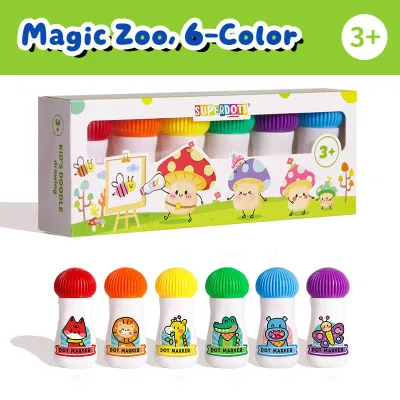
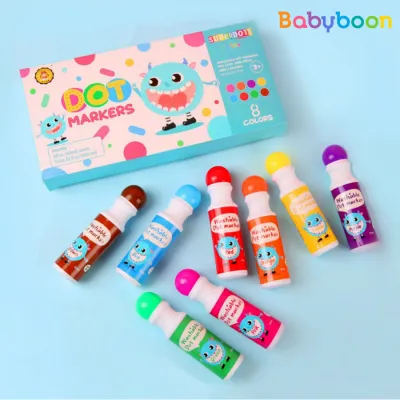
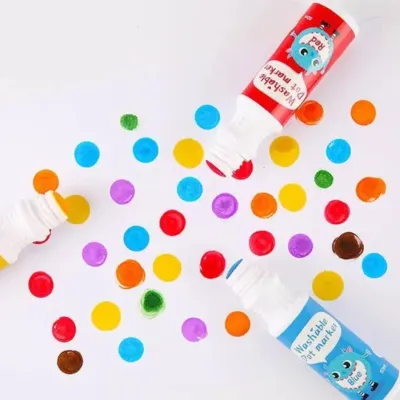
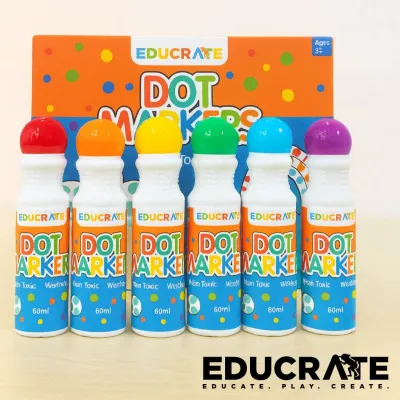
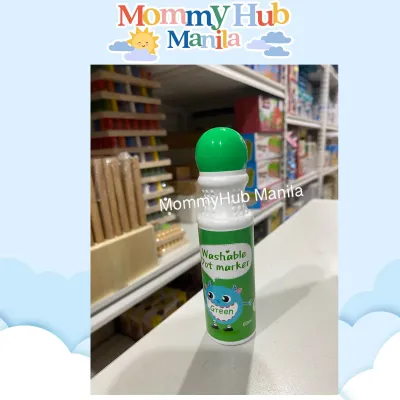
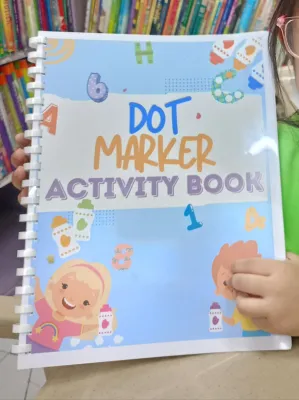
Prices are valid at publication and may change. Please refer to the product page for the latest price.
When shopping, look for explicit labels such as “ultra-washable” or “water-washable” on the packaging. Do not rely solely on generic marketing terms; instead, check the manufacturer’s back panel instructions to verify that the ink can be cleaned with mild soap and cold water. True washable formulas remain water-soluble even after drying, allowing the pigment to release from fabric fibers during a standard laundry cycle without requiring harsh bleaching agents.
Ergonomics and Grip
Children develop fine motor skills at different rates, and the physical shape of a marker directly impacts their comfort and control. For toddlers and preschoolers who are still developing their hand muscles, a palmar grasp (holding objects with the whole fist) is natural. These younger students require jumbo, wide-profile barrels that they can easily fist-grip without experiencing quick hand fatigue.
As children transition into early elementary grades, they begin to develop the tripod grasp (using the thumb, index, and middle fingers). For this stage, slightly slimmer, contoured, or ribbed barrels are highly beneficial. These designs provide tactile cues that guide finger placement, helping students transition toward the writing grips they will use for pencils and pens while maintaining control over their art projects.
Tip Design and Flow Control
Dot markers generally feature either sponge (polyurethane foam) or felt tips, each offering distinct performance characteristics. Sponge tips are highly resilient and act like miniature spring valves; when pressed downward, they release a controlled pool of ink that creates a perfect circle. Felt tips, on the other hand, are firmer and behave more like traditional broad-line markers, making them excellent for both stamping and sweeping strokes.
The diameter of the tip dictates the scale of the artwork. Large tips, typically around 20mm, are ideal for filling in large coloring templates quickly, which keeps younger children engaged. Smaller tips, measuring around 10mm, offer the precision needed for structured crafts, pattern-making, and detailed dot-to-dot activities. Ensure the tips are securely attached to prevent eager children from pulling them off during use.
Safety Standards and Certifications
Because young children frequently touch their faces, rub their eyes, or even taste their art supplies, verifying safety standards is non-negotiable. Legitimate art supply manufacturers subject their products to rigorous toxicological evaluations to earn recognized safety marks. Never purchase unmarked, unbranded markers that lack clear manufacturing details, as they may contain industrial-grade dyes or solvents.
Look for the AP (Approved Product) seal from the Art and Creative Materials Institute (ACMI), which certifies that the product contains no materials in sufficient quantities to be toxic or injurious to humans. Alternatively, look for the European EN71 certification or the CE mark, both of which indicate compliance with strict toy safety standards. These certifications ensure the ink is free from harmful heavy metals, volatile organic compounds (VOCs), and strong chemical odors.
Recommended Dot Marker Profiles for Different Age Groups
To help you match the right marker specifications to your child’s developmental stage and classroom environment, refer to the comparison matrix below:

| Age Group | Recommended Barrel Size | Ideal Tip Diameter | Common Color Count | Primary Art Focus |
|---|---|---|---|---|
| Toddlers & Preschool | Jumbo / Extra-Thick (35mm+) | 20mm (Sponge) | 6 to 8 colors | Sensory play, basic shapes, color recognition |
| Early Elementary | Standard / Contoured (20-25mm) | 10mm (Felt or Sponge) | 12 to 24 colors | Guided crafts, mandalas, patterns, writing |
| Classroom Bulk Use | Durable Cylindrical | 15mm to 20mm (Sponge) | 24+ marker multi-packs | Shared projects, collaborative school displays |
Best for Toddlers and Preschoolers: Jumbo Barrel Sets
For the youngest artists in daycare or preschool, jumbo barrel sets are the most practical choice. These markers feature extra-thick, stubby bodies that fit comfortably in a toddler’s full-fist grip. The substantial size prevents the markers from rolling off low classroom tables, reducing distractions and keeping the focus entirely on creative play.
These sets typically feature large 20mm sponge tips that deliver a generous amount of ink with minimal pressure. This design allows children to cover large sheets of paper rapidly, providing instant visual gratification that builds confidence. Because these sets are designed for early developmental stages, they usually focus on a basic palette of six to eight primary and secondary colors, which helps reinforce early color recognition.
While highly effective for sensory exploration, these jumbo markers are not designed for precision. The high volume of ink delivered by the large sponge tips can easily saturate thin paper, leading to warping or tearing if the child stamps repeatedly in the same spot. Additionally, the limited color selection may frustrate older preschoolers who want to create more complex, realistic drawings.
Best for Early Elementary: Standard Grip and Fine Dot Sets
Students in early elementary school (grades 1 to 3) have more refined motor control and require tools that allow for detailed work. Standard grip sets feature slimmer, cylindrical, or ergonomically contoured barrels that mimic the feel of a thick pen. This design encourages the development of a mature tripod grasp, preparing students for daily writing tasks.
These markers utilize smaller 10mm felt or sponge tips, allowing kids to create precise, defined dots. This precision is essential for structured school projects, such as filling in intricate mandalas, decorating seasonal crafts, or practicing spelling and math through dot-based patterns. These sets often come in expanded color palettes of 12 to 24 shades, including pastels and jewel tones, satisfying the creative preferences of older children.
However, these finer tips require a higher level of motor control; applying excessive force can damage or push the tips into the barrel. Furthermore, because the tips are smaller and the ink reservoirs are narrower to accommodate the slimmer barrels, these markers can deplete faster than their jumbo counterparts if used frequently for large-scale coloring projects.
Best for Classroom Bulk Use: Large Washable Packs
Teachers managing large classes or organizing collaborative art projects need bulk solutions that offer durability and value. Classroom bulk packs typically contain 24 or more markers in a wide variety of colors, packaged in sturdy, reusable storage tubs. These packs allow multiple students to share resources simultaneously without constant disputes over popular colors.
When evaluating bulk packs, look for markers with stackable storage caps. This feature allows students to click caps together or stack them on the table, significantly reducing the common classroom problem of lost caps and dried-out markers. Consistent ink flow is also vital; high-quality bulk markers feature internal spring valves that regulate ink delivery, ensuring the last student in the rotation gets the same vibrant color as the first.
While bulk packs offer an excellent cost-per-unit ratio, they often feature slightly smaller individual ink capacities to keep the overall package lightweight and affordable. Teachers should regularly inspect the cap seals of these shared markers, as frequent use by multiple children can lead to loose caps that fail to airtight-seal, causing premature drying in breezy, fan-cooled classrooms.
Practical Tips for Using and Maintaining Dot Markers
Storage Best Practices
Proper storage is critical to maintaining the longevity and performance of your dot markers, especially in the tropical climate of the Philippines. High ambient temperatures and humidity can affect ink viscosity and accelerate evaporation if the markers are not sealed correctly. Always check the manufacturer’s packaging for specific storage instructions, as some brands require unique positioning.
As a general rule, store dot markers horizontally in a flat pencil case or storage bin. Storing them flat keeps the ink evenly distributed across the internal reservoir, preventing the tip from either drying out or becoming oversaturated. If horizontal storage is not possible, store them cap-down to keep the sponge or felt tip fully saturated and ready for immediate use. Always ensure you hear a distinct “click” when closing the cap to confirm an airtight seal.
Reviving Dry Tips
If a marker is accidentally left uncapped during a busy school art class, the tip may dry out and stop transferring color, even if the reservoir is full of ink. Fortunately, water-based formulas can often be revived with a simple, non-toxic process. First, inspect the tip to ensure it is not physically damaged or frayed.
To revive a dry sponge tip, place a few drops of clean, distilled water directly onto the tip using a dropper, or gently press the tip against a damp paper towel for a few seconds. Alternatively, dip the very edge of the tip into a small container of warm water for no more than three seconds. Avoid over-saturating the tip, as excess water will dilute the pigment, causing the ink to run, bleed excessively through paper, or leak inside the cap.
Stain Management
Despite your best efforts, dot marker ink will eventually find its way onto school uniforms and skin. Prompt treatment is the key to successful stain removal. If ink gets on a school uniform, act while the stain is still wet if possible, and always consult the garment’s care label before applying cleaning agents.
- For Clothing: Flush the stained area from the backside with cold water to push the pigment out of the fabric fibers. Avoid using hot water, as heat can permanently set water-based dyes into polyester-cotton blends. Apply a small amount of liquid laundry detergent or dish soap directly to the stain, rub gently with your fingers, let it sit for five minutes, and rinse thoroughly with cold water before washing normally.
- For Skin: Wash the area with mild hand soap and warm water. For stubborn pigments, gently rub the skin with a damp washcloth and a few drops of baby oil or coconut oil, which helps break down the ink binders without irritating sensitive young skin.
Frequently Asked Questions (FAQ)
Are dot markers safe if a child accidentally puts them in their mouth?
If a child accidentally licks or puts a certified non-toxic dot marker in their mouth, the risk of chemical harm is minimal. Certified markers (bearing AP, CE, or EN71 marks) are formulated with water-based, non-toxic pigments designed to be safe for incidental contact. However, these inks are not food-grade products. If a child ingests a significant amount of ink, offer them water to rinse their mouth, monitor for any mild stomach upset, and consult a healthcare professional or contact local medical services if symptoms persist or if the product lacks safety certifications.
Can dot markers be used on regular printer paper?
Regular printer paper, which typically ranges from 70 to 80 GSM (grams per square meter), is not recommended for dot markers. Because these markers release a high volume of wet, water-based ink to create their signature solid dots, thin paper will quickly saturate, warp, and tear. For school art projects, it is best to use thicker mediums such as cardstock (200+ GSM), heavy construction paper, mixed-media paper, or dedicated sketchpads. These heavier papers absorb the moisture without buckling, preventing the ink from bleeding through onto the desk below.
How long do dot markers typically last once opened?
Under normal conditions, a well-maintained set of dot markers can last anywhere from six months to over a year of regular classroom use. The actual lifespan depends heavily on cap hygiene and storage habits. If the caps are consistently clicked shut immediately after use and the markers are stored horizontally, the ink reservoir will remain stable. Conversely, leaving the caps off for extended periods or failing to seal them completely will cause the water content in the ink to evaporate rapidly, drying out the marker regardless of how much pigment remains inside.

Community discussion
Share your experience or ask a question. Comments are reviewed before publication.