
Nurturing a child’s creative spark begins with providing the right environment and tools. When young kids first show an interest in drawing, parents are often faced with an overwhelming array of art supplies, from professional-grade graphite to cheap plastic toys. Choosing the correct gear is crucial because poorly designed tools can frustrate a beginner, leading them to abandon their new hobby before they truly start.
A high-quality writing board for kids can serve as an exceptional foundation for this journey, offering a dedicated, stable surface that bridges the gap between early handwriting practice and freehand sketching. By pairing a reliable board with age-appropriate, durable supplies, you can create an inviting space where your child feels confident exploring their imagination.
The key to selecting beginner supplies is balancing developmental needs with physical practicality. Young children have different physical requirements than adults; their fine motor skills are still developing, their grip strength is limited, and they tend to apply uneven pressure. Therefore, the best tools are those that are forgiving of mistakes, easy to handle, and safe for daily use.
Products mentioned in this guide


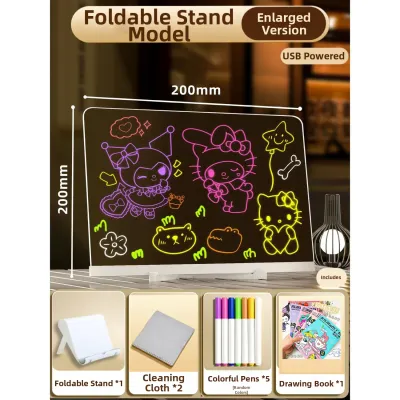
Prices are valid at publication and may change. Please refer to the product page for the latest price.
Key Features to Look for in Kids' Drawing Boards and Art Supplies
When shopping for a beginner’s art kit, it is easy to get distracted by bright colors and complex features. Focusing on a few core criteria will ensure you select tools that are safe, functional, and durable enough to withstand enthusiastic daily use.
Safety and Non-Toxic Labels Safety must always be the top priority when selecting stationery for children. Young artists frequently touch their faces, wipe their eyes, or even chew on the ends of their pencils during deep concentration. Before purchasing any sketching tool, verify that it carries recognized safety certifications. Look for the “AP Non-Toxic” seal from the Art and Creative Materials Institute (ACMI) or compliance with international standards such as ASTM D-4236 and EN71. These labels guarantee that the products have been toxicologically evaluated and contain no harmful materials in quantities sufficient to cause health problems. For drawing boards, ensure that any plastic components are BPA-free and that wooden surfaces are finished with non-toxic, lead-free sealants to prevent chemical exposure.
Ergonomics and Grip A child’s physical comfort directly impacts how long they can draw without fatigue. Standard, thin hexagonal pencils can be difficult for small hands to grasp comfortably, often leading to hand cramps or an improper grip. For younger beginners (ages 3 to 6), look for jumbo-sized pencils or those with a triangular barrel. The triangular shape naturally guides fingers into the correct tripod grip, promoting healthy hand development. When it comes to drawing boards, weight is the primary ergonomic factor. A board that is too heavy or bulky will be difficult for a child to carry, adjust, or hold on their lap. Aim for lightweight boards weighing under 800 grams, which allow kids to change their position easily and maintain a comfortable posture.
Durability and Maintenance Children are naturally tough on their belongings. Beginner artists often press down with extreme force, drop their tools, and erase aggressively. Consequently, their supplies must be highly resilient. Look for drawing boards made from impact-resistant plastics or sturdy, high-density fiberboard (MDF) that won’t crack when dropped. Pencils should have break-resistant cores, where the graphite lead is fully bonded to the wooden casing to prevent internal shattering when dropped on hard floors. For sketchbooks, opt for durable covers and secure bindings that can withstand being opened and closed repeatedly. Easy-to-clean surfaces are also a major plus, as graphite smudges, stray marks, and sticky fingers are inevitable parts of the creative process.
Portability vs. Stability Deciding between a portable clipboard and a stable desk board depends on where your child prefers to draw. If your young artist loves sketching during car rides, family trips, or outdoor park visits, a lightweight plastic clipboard with built-in storage is highly practical. These portable options keep paper secure and provide a neat compartment for pencils and erasers. However, for structured drawing sessions at home, a heavier, flat wooden sketchboard is superior. A stable, rigid wooden board provides a solid, non-flexing surface that supports accurate line work and deep shading. It can be placed flat on a desk or propped up at an angle, giving the child a reliable workstation that mimics a professional studio setup.
Choosing the Right Drawing and Writing Board for Kids
The surface a child draws on plays a fundamental role in their artistic development. A high-quality writing board for kids serves as a versatile tool that supports both early literacy and artistic expression. By providing a flat, secure canvas, these boards help children control their pencil movements, understand spatial boundaries, and practice drawing without the frustration of slipping paper. Depending on your child’s age, skill level, and drawing environment, you can choose between digital LCD boards and traditional physical sketchboards.

LCD Writing and Drawing Boards
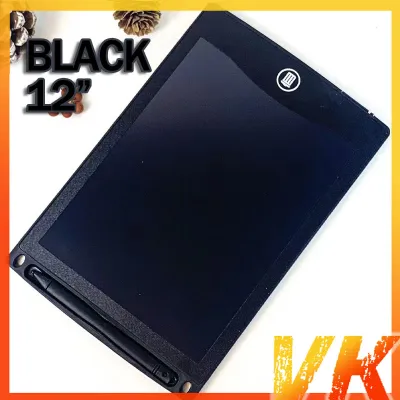
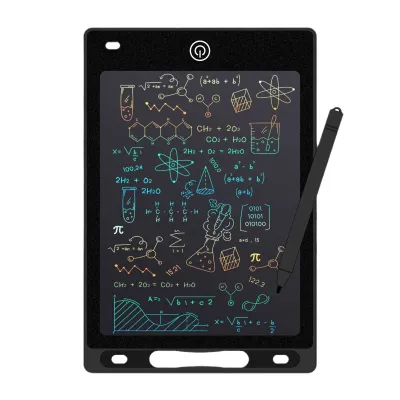
LCD writing and drawing boards have become incredibly popular as modern, low-mess alternatives to traditional paper. These lightweight devices use pressure-sensitive liquid crystal technology to allow children to draw, write, and doodle using a plastic stylus.
- Mess-Free Practice: One of the greatest advantages of an LCD writing board is that it offers a completely mess-free experience. There are no ink stains, chalk dust, or pencil shavings to clean up, making them perfect for use on the couch, in bed, or during long car trips. It also eliminates paper waste, allowing children to doodle endlessly without filling up recycling bins with quick scribbles or unfinished drawings.
- Erase and Lock Functions: These digital boards are designed with simplicity in mind. A single press of the erase button instantly clears the screen, providing a fresh canvas in a fraction of a second. Additionally, most models include a screen-lock switch on the back. This feature is highly useful for young children who want to preserve their drawings or handwriting practice from accidental deletion while showing it to their parents.
- Limitations for Serious Sketching: While LCD boards are fantastic for casual doodling, handwriting practice, and travel, they have distinct limitations for serious art instruction. They do not support the nuanced pressure sensitivity required for advanced graphite sketching. A child cannot practice blending, shading, or creating soft gradients on an LCD screen. Furthermore, because the drawings are temporary and cannot be easily saved or archived physically, these boards should be viewed as a fun, supplementary tool for quick practice rather than a replacement for traditional paper and pencils.
- Device Safety and Refills: When choosing an LCD board, always verify device safety and battery compartment security. Most boards use a standard CR2025 or CR2032 button cell battery. Ensure the battery compartment is locked securely with a screw to prevent children from opening it. Additionally, check that the stylus is compatible, durable, and ideally tethered or fitted into a secure slot so it does not get lost.
Traditional Wooden Sketchboards and Clipboards
For children who are ready to learn classic drawing techniques like shading, perspective, and line control, traditional physical boards are indispensable. These boards hold real paper, allowing kids to experience the tactile feedback of graphite on wood.
- Surface Smoothness: When selecting a wooden sketchboard, the smoothness of the surface is critical. Any imperfections, rough grains, or dents in the wood will transfer directly onto the paper when a child shades with a pencil, resulting in unwanted textures and broken lines. Parents should carefully inspect the board to ensure it has been sanded to a perfectly smooth finish and coated with a protective sealant. Smooth, rounded edges are also essential to prevent painful splinters or scratches.
- Clip Strength and Board Material: A reliable board must keep the paper firmly in place. Look for boards equipped with sturdy, low-profile metal clips or heavy-duty rubberized bands. For younger beginners, lightweight materials like tempered Masonite or high-impact plastic are ideal because they are easy to lift. For older kids, a solid plywood or MDF sketchboard (priced around ₱350 to ₱700 in local stationery stores) offers the rigidity needed to support firm pencil pressure without flexing or warping over time.
- Size Considerations: The most practical size for a beginner's sketchboard is A4 or 9×12 inches. This size is highly compatible with standard school bond paper and common sketchpads available in the Philippines. It provides a generous drawing area that encourages expressive, full-arm movements while remaining compact enough to fit comfortably on a standard study desk or in a school backpack.
Essential Sketching Supplies to Pair With the Board
Once you have selected the perfect drawing board, the next step is gathering the essential consumables and tools. The quality of these supplies directly affects how easily graphite transfers to paper, how cleanly mistakes can be erased, and how comfortable the overall experience is for your child.
Beginner-Friendly Pencils and Erasers
The right combination of pencils and erasers can prevent a great deal of frustration for a young artist.
- Graphite Grades: Standard school pencils are typically graded as HB, which features a hard lead that produces light, thin lines. While excellent for writing, HB pencils can be frustrating for sketching because they require significant pressure to create dark lines. For beginner artists, it is highly recommended to introduce 2B pencils. The lead in a 2B pencil is softer and contains more graphite, allowing children to achieve rich, dark lines and smooth shading with minimal hand pressure. Avoid extremely soft leads like 4B or 6B for young beginners, as they smudge easily under small hands and can quickly make a mess of the drawing board.
- Pencil Shapes: As mentioned earlier, triangular or hexagonal barrels are highly superior to round ones. Beyond encouraging a proper grip, these flat-sided shapes prevent pencils from rolling off slanted drawing boards or tables. This simple feature saves leads from fracturing internally when pencils repeatedly fall to the floor.
- Eraser Selection: Erasability is a key factor in keeping drawing fun. Cheap novelty erasers often smudge the graphite, leave dark streaks, and tear the paper. Instead, invest in high-quality vinyl or plastic erasers, which lift graphite cleanly with minimal friction. For children learning basic shading, introduce a kneaded rubber eraser. These pliable erasers can be kneaded into custom shapes to lift small highlights or soften dark areas without leaving messy crumbs. They are also highly engaging for kids, doubling as a clean, non-sticky sensory tool.
- Erasability and Smoothness Trial: Because drawing smoothness and erasability depend heavily on the exact combination of lead hardness, eraser material, and paper tooth, it is highly recommended to perform a simple trial. Have your child draw three lines on a corner of the paper using light, medium, and heavy pressure. Test both a vinyl eraser and a kneaded eraser on these lines. This trial lets you observe whether the eraser lifts the graphite cleanly or if the friction pills the paper fibers, helping you verify if the paper and eraser are compatible before they begin a full project.
Sketchbooks and Drawing Paper
The paper your child draws on is just as important as the pencils they use. The wrong paper can tear easily, warp in humid weather, or fail to hold graphite properly.
- Paper Weight (GSM): Paper thickness is measured in Grams per Square Meter (GSM). Standard multi-purpose printer paper is usually 70 to 80 GSM, which is thin and prone to tearing when a child erases a mistake heavily. For beginner sketching, look for paper with a weight of 80 to 100 GSM. This range is thick enough to withstand repeated erasing and firm pencil strokes while remaining highly affordable for daily practice.
- Binding Types: When choosing a sketchbook, look for spiral-bound or wire-bound options. Spiral bindings allow the book to open a full 360 degrees and lay completely flat on a drawing board. This flat surface ensures that the child can draw comfortably across the entire page without fighting a spine that constantly tries to close. Avoid tightly glued pads or hardbound books for daily practice, as they often require the pages to be torn out to lie flat.
- Paper Tooth (Texture): "Tooth" refers to the microscopic texture of the paper's surface. Smooth paper has very little tooth and is best for ink pens, but it doesn't grip graphite well, making shading difficult. Very rough paper has too much tooth, which can make fine lines look jagged. A medium-tooth paper is the ideal choice for beginners, providing just enough texture to catch the graphite smoothly while allowing for clean, detailed line work.
- Philippine Climate Consideration: In the tropical, highly humid climate of the Philippines, paper naturally acts like a sponge, absorbing moisture from the air. This excess moisture makes the paper limp, increases smudging, and makes it highly susceptible to tearing during erasing. To prevent this, teach your child to store their sketchbooks in dry drawers, airtight plastic storage bins, or large zip-lock bags when they are not drawing. This simple habit keeps the paper crisp, dry, and ready for clean sketching.
Setting Up a Comfortable and Safe Drawing Space at Home
Creating a dedicated, comfortable workspace is one of the best ways to encourage a child to draw regularly. An ergonomic and well-lit setup not only protects their physical health but also helps them focus on their art without distraction.
Lighting Requirements Proper lighting is essential to prevent eye strain and help children accurately judge values and shading. Position an adjustable desk lamp on the opposite side of your child’s drawing hand—on the left side if they are right-handed, or the right side if they are left-handed. This placement prevents their hand from casting a shadow over the drawing area. Use an LED bulb that emits a neutral white or daylight color temperature (between 4000K and 5000K). Avoid warm yellow lights, which can distort colors and make it difficult to see light pencil marks, as well as harsh blue lights that can cause eye fatigue during evening drawing sessions.
Posture and Desk Height Hunching over a flat table for long periods can cause neck, shoulder, and back pain, even in young children. To promote good posture, choose a chair that allows your child’s feet to rest flat on the floor or on a sturdy footrest. The desk height should allow their elbows to rest comfortably at a 90-degree angle. Instead of letting them draw on a completely flat surface, prop their drawing board up at a slight angle (around 15 to 30 degrees). You can achieve this easily by using a dedicated board stand, a laptop riser, or even a sturdy rolled-up towel under the top edge of the board. Angling the board brings the drawing closer to their natural line of sight, preventing them from bending their neck forward.
Supply Organization An organized workspace makes drawing more inviting and cleanup much easier. Use heavy, wide-bottomed ceramic cups or plastic organizers to hold pencils, brushes, and markers, ensuring they won’t tip over easily. Segmented drawer trays are excellent for keeping erasers, sharpeners, and blending stumps in their place. If your child likes to move around, a roll-up canvas pencil case or a portable plastic art box with a handle is a fantastic investment. These organizational habits not only protect expensive supplies from damage but also teach children responsibility and pride in caring for their creative tools.
Frequently Asked Questions (FAQ)
Are LCD writing boards safe for young children's eyes?
Yes, LCD writing boards are highly safe for young children’s eyes. Unlike tablets, smartphones, or computer screens, LCD writing boards do not emit harmful blue light or use a harsh backlight. Instead, they rely on reflective ambient light to make their drawings visible, which functions similarly to reading a traditional book or drawing on paper. This makes them highly comfortable for extended use without causing digital eye strain or headaches. However, because these screens rely on ambient light, it is important to ensure your child uses them in a well-lit room to maintain clear visibility and prevent them from squinting.
What paper weight is best for kids using graphite pencils?
The ideal paper weight for kids starting with graphite pencils is between 80 and 100 GSM (grams per square meter). This weight offers the perfect balance of durability and affordability. It is thick enough to withstand the heavy-handed pressure and frequent erasing typical of young beginners without tearing or pilling. At the same time, 80 to 100 GSM paper is light enough to be bound into affordable, high-capacity sketchbooks (typically ranging from ₱120 to ₱250 in the Philippines), allowing children to practice their sketching skills daily without parents needing to worry about the high cost of premium, heavy-weight art papers.
Community discussion
Share your experience or ask a question. Comments are reviewed before publication.