
Selecting the ideal board for kids involves understanding how a child’s physical coordination, creative needs, and safety requirements evolve over time. Art is not just a recreational activity; it is a critical developmental milestone that helps children refine their motor skills, express their emotions, and build spatial awareness. A toddler scribbling with a thick crayon requires a vastly different surface and toolset than a pre-teen practicing intricate perspective drawing or watercolor washes. By matching the right drawing surface to your child’s specific developmental stage, you can encourage their artistic journey while ensuring a safe, engaging environment.
In tropical regions like the Philippines, choosing the right art tools also means considering environmental factors. High relative humidity and warm temperatures can cause standard paper to warp, wood to swell, and certain adhesives to degrade quickly. Selecting drawing boards made from durable, moisture-resistant materials ensures that your child’s art station remains functional and safe throughout the year. From magnetic screens that offer endless mess-free scribbling to professional-grade acrylic sketch boards, understanding the unique features of each option helps you make an informed decision.
How to Choose the Right Drawing Board for Your Child
When shopping for a board for kids, several core criteria should guide your selection to ensure the product is safe, functional, and ergonomically sound.
Products mentioned in this guide

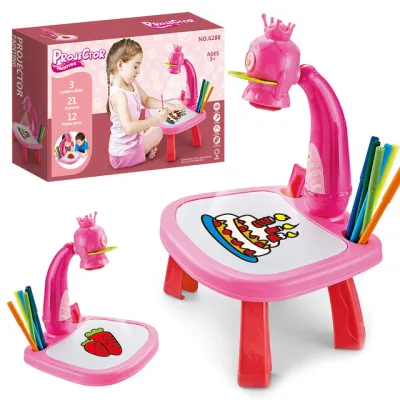
Prices are valid at publication and may change. Please refer to the product page for the latest price.
Safety First The safety of any art tool is the most critical consideration, especially for younger children who are prone to putting objects in their mouths. Always look for internationally recognized safety certifications on the packaging, such as ASTM D-4236 for non-toxic materials or EN71 compliance. Physical design features are equally important; ensure the board has rounded edges and smooth corners to prevent scratches or bruising during active play. For electronic options like LCD tablets, verify that the battery compartment is securely fastened with a screw to prevent children from accessing small button cell batteries. Magnetic boards must have fully enclosed, high-impact plastic casings to ensure that the tiny magnetic beads inside can never escape and present a choking hazard.
Surface and Media Compatibility The type of drawing board you choose must match the specific medium your child intends to use. Smooth, non-porous plastic or melamine surfaces are ideal for dry-erase markers or specialized magnetic styluses, but they do not provide the necessary friction or “tooth” required for colored pencils, graphite, or crayons. If your child prefers traditional paper-based drawing, select a board equipped with a sturdy clip mechanism or a surface that allows for the easy application and removal of masking tape. In humid environments, paper can become soft and fragile; a firm, rigid backing board is essential to support the paper and prevent tearing when a child applies pressure with a sharp pencil or crayon tip.
Portability vs. Stability Consider where your child will do most of their drawing before choosing between a portable lap board and a stationary easel. Lightweight lap boards, often featuring built-in storage compartments or soft cushion backings, are perfect for travel, long car rides, or sketching in different rooms of the house. They allow children to take their creativity on the go and keep their supplies organized in one place. On the other hand, heavier, easel-style boards provide a stable, dedicated art station at home. These are excellent for larger projects and upright drawing, but they require a dedicated physical footprint in your living space.
Size and Ergonomics Selecting the correct dimensions for a drawing board is vital for your child’s physical comfort and posture. Standard sizes like A4 (approximately 8.3 x 11.7 inches) or 9×12 inches are generally the most versatile and manageable for young artists. A board that is too large can overwhelm a child’s reach, forcing them to stretch their shoulders and neck uncomfortably, which can lead to poor posture and early fatigue. Conversely, a board that is too small limits the sweeping arm movements that are crucial for early motor skill development. The board should fit comfortably within your child’s arm span and accommodate standard paper sizes without being cumbersome to carry or store.
Best Drawing Boards for Toddlers and Preschoolers (Ages 2–5)
During the toddler and preschool years, children are focused on sensory exploration, developing their basic palmar grasp, and understanding cause-and-effect relationships. Art at this stage is highly physical, often involving large, sweeping gestures and a natural curiosity about textures and colors. The best drawing boards for this age group prioritize safety, durability, and mess-free play, allowing young children to experiment freely without leaving stains on furniture or walls.

Magnetic Drawing Boards
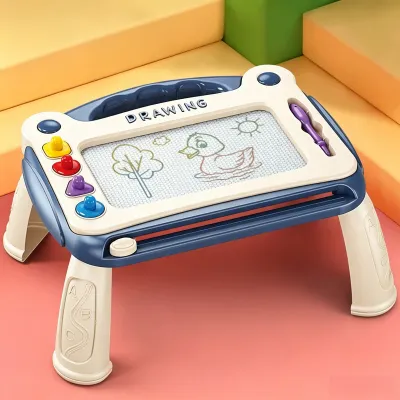
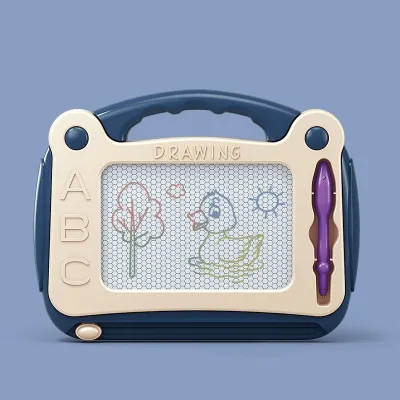
Classic magnetic drawing boards remain a staple for early childhood development due to their completely mess-free design and instant-erase sliding mechanism. These boards use a magnetic stylus to pull tiny iron oxide particles to the surface of a honeycomb-structured screen, creating dark lines that can be wiped away with a single slide of the bottom bar.
- Grip and Motor Skills: The thick, textured styluses included with these boards are perfect for toddlers who are still developing their palmar grasp, helping them transition gradually to a digital pronate grip.
- Safety Checks: Before purchasing, verify that the stylus is securely attached to the board with a sturdy cord to prevent loss and choking hazards. Ensure the plastic frame is impact-resistant and completely sealed so that the internal magnetic components remain safely contained.
- Limitations: Keep in mind that the drawing resolution on magnetic boards is relatively low, making them ideal for broad scribbles, basic shapes, and cause-and-effect play rather than detailed artwork.
LCD Writing Tablets
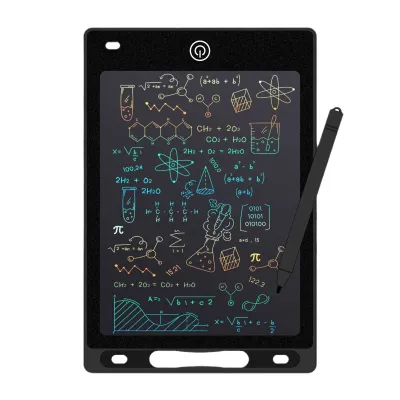
LCD writing tablets offer a modern, digital alternative for early scribbling, tracing, and writing practice. These ultra-lightweight devices feature a pressure-sensitive liquid crystal screen that allows children to draw using a plastic stylus or even a fingernail, clearing the screen instantly with the press of a single button.
- Screen Safety: Unlike standard tablets or smartphones, LCD writing tablets do not emit blue light or radiation; instead, they rely on ambient light reflection to make the drawings visible. However, to prevent eye strain, parents should ensure that these tablets are used in well-lit rooms rather than dark environments.
- Essential Features: Look for models that include a lock switch on the back, which disables the erase button and prevents toddlers from accidentally deleting their drawings.
- Battery Security: Always double-check that the battery compartment is secured with a small screw to keep the button cell battery completely out of reach.
Water and Mess-Free Reusable Boards
Water-reveal drawing mats and boards offer an engaging, sensory-rich drawing experience that is entirely free of ink, paint, or chemical dyes. These boards feature a specialized fabric or plastic surface that changes color when wet, allowing children to draw using pens filled with ordinary tap water.
- Automatic Erasing: As the water evaporates, the drawings fade away, leaving a clean canvas ready for the next creative session.
- Motor Development: This system helps children develop hand-to-eye coordination, grip strength, and stroke control without any risk of permanent stains on clothing, carpets, or walls.
- Tropical Climate Maintenance: In the high humidity of the Philippines, the drying time for water-reveal boards can be significantly longer than in dry climates. To prevent the edges of the board from peeling or developing mold, always place the board in a well-ventilated area to dry completely before folding or storing it away.
Best Drawing Boards for Early Elementary Kids (Ages 6–9)
As children enter early elementary school, their artistic abilities shift from simple scribbles to structured drawing, handwriting practice, and school-related projects. Fine motor skills are maturing rapidly, allowing them to use a static or dynamic tripod grip to hold pencils and markers. Drawing boards for this age group should support a wider variety of media, offer increased portability for school and travel, and encourage proper posture during longer creative sessions.
Clipboards and Lap Desks with Storage
For active elementary school children, a clipboard or lap desk with built-in storage is an invaluable tool for keeping art supplies organized and accessible. These boards serve as portable art stations that can be used at school, in the car, or while sitting on the living room floor.
- Storage and Organization: Look for models that feature a hinged lid opening to a spacious compartment underneath, providing ample space for storing drawing paper, colored pencils, erasers, and pencil sharpeners.
- Clip Mechanism: The clip at the top of the board must have a strong, spring-loaded grip to hold paper firmly in place, but it should feature rubberized or plastic-coated edges to prevent tearing the paper.
- Backing and Compatibility: Ensure the backing of the lap desk is completely smooth to prevent scratching wooden tables or irritating a child's lap, and verify that it is sized to fit standard A4 or letter-sized paper comfortably.
Adjustable Easel Boards
Adjustable tabletop or floor-standing easels are excellent for children who enjoy working on larger paper formats or painting with liquid media. Drawing on an angled surface offers significant ergonomic benefits, helping to reduce neck strain and encourage proper wrist and shoulder alignment.
- Ergonomic Alignment: Adjusting the tilt angle of the board (ideally between 20 and 45 degrees) allows children to work at eye level, preventing them from hunching over a flat desk.
- Key Features: Look for easels that include a built-in paper roll holder at the top, allowing for a continuous supply of clean paper. A wide, weighted base is essential to prevent the easel from tipping over during enthusiastic drawing sessions.
- Space Requirements: Keep in mind that floor easels require a dedicated space in the home, though many modern designs can be folded flat for convenient storage behind a door or inside a closet.
Basic Sketch Boards for Dry Media
For children who prefer classic pencil sketching, charcoal drawing, or crayon work, a traditional hard-backed sketch board is an essential tool. These boards are typically constructed from rigid medium-density fiberboard (MDF) or high-density plastic, providing a solid, unyielding surface for paper.
- Surface Texture: The surface of the board must be perfectly smooth and free of texture; any bumps or imperfections on the board will transfer onto the paper when a child applies pressure with a pencil or crayon.
- Edge Protection: Because MDF is highly sensitive to moisture and humidity, look for sketch boards that feature sealed, moisture-resistant edges or a protective plastic coating to prevent splintering, warping, or swelling over time.
Best Drawing Boards for Older Kids and Pre-Teens (Ages 10+)
Older children and pre-teens often begin to take their artistic pursuits more seriously, focusing on advanced techniques such as shading, perspective, anatomical drawing, and mixed-media projects. They require professional-grade tools that can withstand heavier pressure, support diverse mediums, and facilitate detailed, precise work.
Professional-Style Sketching Boards
For serious art practice, older kids need a rigid sketching board that remains perfectly flat under pressure and does not flex or warp over time. These boards are typically made from high-density fiberboard (HDF) or solid acrylic.
- Non-Porous Finish: A smooth, non-porous finish is critical because it allows young artists to use masking tape or drafting tape to secure their paper to the board. When the drawing is complete, the tape can be peeled away cleanly without tearing the board's surface or leaving a sticky residue.
- Clips and Straps: Look for boards equipped with heavy-duty metal clips and integrated rubber bands to hold large sheets of sketch paper or heavy watercolor paper firmly in place.
Portable Plein Air or Field Sketch Boards
For pre-teens who enjoy drawing outdoors, observing nature, or keeping a travel journal, a portable plein air or field sketch board is highly recommended. These boards are designed to be lightweight and highly weather-resistant.
- Materials and Weight: Look for boards constructed from lightweight aluminum or thin, high-impact composite materials that are easy to carry for extended periods. An integrated shoulder strap or carrying handle makes transport effortless.
- Wind Resistance: Outdoor drawing requires a secure paper-holding system. Choose a board with a strong, dual-clip system or heavy-duty elastic straps that keep the paper from flapping or tearing in windy conditions.
- Integrated Storage: Some field boards feature slim, weather-resistant zippered compartments on the back to protect finished drawings from sudden tropical rain showers or high humidity.
Light Pad and Tracing Boards
LED light pads and tracing boards are incredibly popular among pre-teens interested in animation, cartooning, calligraphy, or detailed line work. These slim, electronic panels illuminate a drawing from beneath, allowing the artist to trace a sketch onto a fresh sheet of paper with high precision.
- Brightness and Control: Look for light pads that offer adjustable brightness levels (at least three settings) so that the light can penetrate heavy paper types, such as cardstock or watercolor paper.
- Power and Safety: Ensure the light pad is powered via a standard USB-C connection, making it compatible with power banks or laptop ports. It should also feature built-in heat dissipation to keep the drawing surface cool during long creative sessions.
- Scratch Resistance: The acrylic surface of the light pad must be scratch-resistant; scratches on the screen can distort the light distribution and interfere with detailed tracing work.
Safety, Care, and Setup Tips for Kids' Art Boards
To ensure your child’s drawing board remains safe, clean, and functional for years to come, regular maintenance and proper ergonomic setup are essential.
Cleaning Reusable Surfaces Electronic drawing surfaces, such as LCD tablets and magnetic boards, require gentle care to avoid damaging their internal components. Always use a dry or very slightly damp microfiber cloth to wipe away dust, fingerprints, or smudges. Never spray liquid cleaners, water, or harsh chemicals directly onto the screen; moisture can easily seep into the edges of the bezel, short-circuiting the electronics of an LCD tablet or ruining the internal magnetic film of a magnetic board. If a dry wipe is insufficient, moisten the cloth slightly with water, wipe the surface gently, and immediately dry it with a second clean cloth.
Inspecting for Wear and Tear Perform regular safety inspections on all drawing boards in your household. For wooden or MDF boards, feel along the edges and corners to check for splinters, rough spots, or peeling laminates that could cause cuts or splinters; sand down any rough areas immediately or replace the board if the damage is severe. Inspect plastic boards for sharp cracks or structural failures, especially if they have been dropped. For electronic tablets, verify that the battery compartment cover remains tightly closed and that the securing screw is not stripped or missing.
Ergonomic Setup Creating a comfortable drawing environment is crucial for preventing physical strain and encouraging long-term artistic enjoyment. Ensure your child’s workspace is well-lit; position an adjustable desk lamp to illuminate the drawing surface directly, taking care to avoid harsh glare on LCD screens or casting shadows on paper. Encourage your child to practice good posture by pairing their board with a chair of the appropriate height, allowing their feet to rest flat on the floor. Most importantly, teach them to take regular posture breaks—ideally every 20 to 30 minutes—to stretch their hands, roll their shoulders, and rest their eyes.
Verifying Safety Labels Before purchasing any new drawing board or art accessory, always verify the safety labels on the packaging. Ensure the product is explicitly marked as non-toxic and carries recognized safety certifications such as ASTM D-4236 or EN71. These labels guarantee that the materials used in the board, stylus, and accessories have been thoroughly tested and are safe for children to handle during prolonged creative play.
Frequently Asked Questions (FAQ)
Are LCD drawing tablets safe for children's eyes?
Yes, high-quality LCD writing tablets are completely safe for children’s eyes because they utilize reflective liquid crystal technology. Unlike smartphones, computer monitors, or standard tablets, these devices do not emit blue light, radiation, or backlighting; instead, they rely on ambient light from the room to make the drawings visible on the screen. However, because they reflect the light around them, using them in a dimly lit room can cause eye strain as the child struggles to see the screen clearly. To protect your child’s vision, always ensure they use the tablet in a well-lit room and encourage them to follow the 20-20-20 rule: every 20 minutes, look at something 20 feet away for at least 20 seconds to rest the eye muscles.
What size drawing board is best for a beginner?
For beginners of almost any age, a drawing board sized to fit A4 paper (approximately 8.3 x 11.7 inches) or a standard 9×12-inch sketch pad is the ideal starting point. This size is highly portable, making it easy for children to carry around the house, pack in a backpack for school, or use on their laps during car rides. It accommodates standard printer paper, construction paper, and beginner sketch pads, which are widely available and affordable. Furthermore, an A4 or 9×12-inch board is small enough for young children to manage comfortably without overwhelming their physical reach, helping them maintain good drawing posture.
How do I clean a magnetic drawing board if the screen gets sticky or stained?
To clean a sticky or stained magnetic drawing board, always use a soft, dry, or very slightly damp microfiber cloth to gently wipe the surface. If the screen has sticky residue from stickers or food, moisten the microfiber cloth with a tiny amount of water or a mild, diluted dish soap solution, taking care to wring the cloth out thoroughly so it is barely damp. Wipe the stained area gently without applying excessive pressure, which can damage the delicate honeycomb structure beneath the plastic screen. Never spray water, rubbing alcohol, or glass cleaner directly onto the board, and avoid using abrasive scrubbers or steel wool, as these will scratch the plastic surface and prevent the magnetic stylus from gliding smoothly. Ensure the board is completely dry before storing it away.
Community discussion
Share your experience or ask a question. Comments are reviewed before publication.