
Making your own entryway mat is a highly practical and sustainable way to repurpose textile leftovers, commonly known in the Philippines as retaso. However, selecting the wrong combination of fabric and binding string can result in a finished product that quickly unravels, harbors mold, or fails to clean footwear. To build a durable and functional mat, you need a balanced combination of high-friction scraping fabrics and a strong, weather-resistant binding cord.
Finding the right materials requires assessing how they handle moisture, friction, and daily foot traffic. By understanding the physical properties of different fibers, you can create a handmade mat that is both highly functional and long-lasting.
Understanding Doormat Requirements in a Tropical Climate
A doormat serves three primary functions: scraping coarse mud and dirt from shoes, absorbing ambient or direct moisture, and maintaining a stable, non-slip position on the floor. In a tropical climate characterized by intense humidity, sudden downpours, and wet footwear, these functions face unique challenges. High humidity prevents damp fabrics from drying quickly, which can rapidly lead to the growth of mold, mildew, and unpleasant musty odors.
Products mentioned in this guide
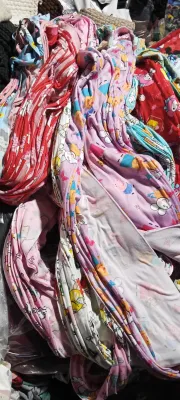
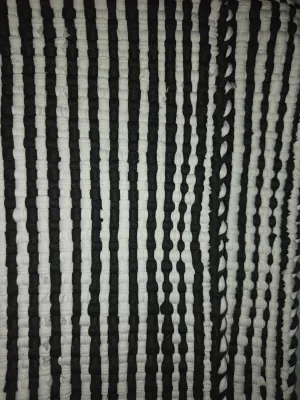
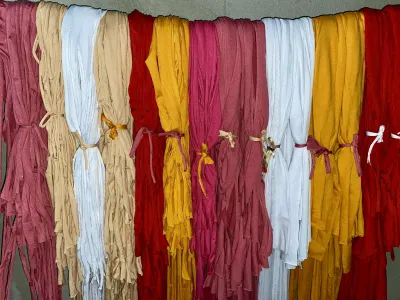
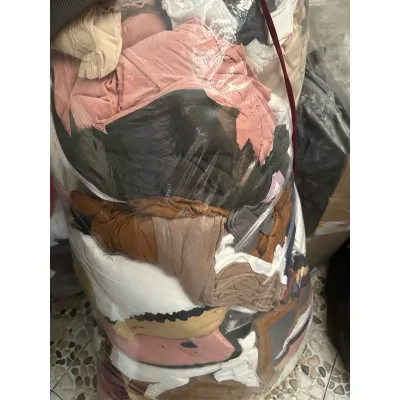
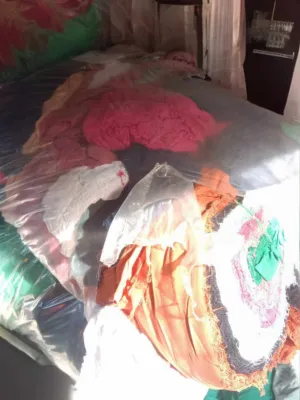
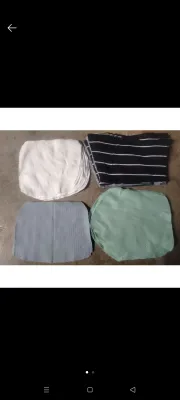
Prices are valid at publication and may change. Please refer to the product page for the latest price.
Consequently, material selection cannot rely solely on aesthetics or immediate availability. The bulk weaving material, or retaso, must offer a balance of scraping texture and moisture management. Meanwhile, the structural binding material—the string, cord, or rope that holds the woven strips together—must possess enough tensile strength to withstand constant stepping and friction without stretching or snapping.
Evaluating these two components separately ensures your finished doormat remains durable and hygienic. By choosing compatible materials, you prevent the structural fibers from rotting while ensuring the scraping surface effectively cleans incoming footwear.
Best Fabric Scraps (Retaso) for Weaving and Braiding
The bulk of your doormat is composed of fabric scraps. These scraps provide the thickness, texture, and surface area necessary to clean shoes. Different textiles behave uniquely under foot traffic and environmental exposure, making it essential to categorize your retaso before starting your project.

Cotton and Denim Scraps
Heavy cotton and denim are among the most effective materials for scraping dirt and absorbing water. Denim scraps, sourced from old jeans or industrial textile leftovers, feature a dense twill weave that naturally catches grit and debris from the soles of footwear. Heavy cotton fabrics, such as canvas or thick drill, offer similar benefits, presenting a rugged surface that can withstand aggressive scrubbing.
The primary limitation of these natural fibers is their high water retention. Cotton and denim absorb moisture deeply but release it very slowly. In a humid climate, a soaked cotton mat left in an unventilated area can remain damp for days, creating an ideal breeding ground for bacteria and mold.
To maximize the lifespan of cotton and denim doormats, place them strictly in covered or semi-indoor entryways, such as veranda doors or covered hallways. This positioning protects the mat from direct rainfall while still allowing it to absorb minor moisture from shoes.
Synthetic Blends and Polyester
Synthetic fabrics, including polyester, nylon, and poly-cotton blends, offer excellent resistance to environmental degradation. These materials do not absorb water into their fibers in the way natural cotton does; instead, they allow moisture to pass through or evaporate quickly. This quick-drying capability makes synthetic retaso highly resistant to mold and mildew, even during the rainy season.
However, pure synthetic fabrics have distinct trade-offs. They generally offer lower water absorbency, meaning they might fail to dry wet shoes completely. Additionally, synthetic fibers can be slick, providing less natural friction for scraping mud compared to the rough texture of denim.
A highly effective strategy is to blend synthetic strips with cotton scraps during the weaving process. Alternating rows of polyester and cotton creates a composite mat that balances the quick-drying benefits of synthetics with the superior absorbency of natural fibers.
Materials to Avoid
Certain fabrics are entirely unsuitable for doormat construction due to their physical properties. Silk, sheer synthetics, chiffon, and lightweight satin lack the structural integrity and abrasive texture required to scrape shoes. They wear out, tear, or fray almost immediately under foot traffic.
Pure wool should also be avoided for outdoor or high-traffic doormats. While wool is durable in dry climates, it traps moisture exceptionally well and dries very slowly. In humid conditions, a wet wool mat will quickly develop persistent, unpleasant odors and rot, ruining the structural integrity of your handiwork.
Selecting the Best String Retaso Pang Doormat Materials for Structure
The string or cord acts as the skeleton of your doormat, binding the fabric scraps together. If the structural string fails, the entire mat will unravel, regardless of how durable the fabric scraps are. When searching for the ideal string retaso pang doormat combination, you must evaluate the cord’s tensile strength, thickness, and environmental resistance.
Natural Fibers Like Jute and Hemp
Jute, hemp, and coir cords are popular choices for doormat construction due to their rustic appearance and high-friction surfaces. These natural fibers naturally grip the fabric scraps, keeping the weave tight and preventing the mat from shifting or losing its shape. Their rough texture also contributes to the scraping action of the doormat.
Despite these benefits, natural fiber cords are highly susceptible to rot when exposed to moisture and mud. Over time, water weakens the cellulose fibers in jute and hemp, causing them to fray, stretch, and eventually snap under tension.
If you choose to use jute or hemp, reserve the finished mat for indoor entryways or fully covered patios. Additionally, verify the thickness of the cord before weaving; a diameter of at least 3mm to 5mm is generally required to bear the weight of heavy woven fabric scraps without snapping.
Synthetic Cords and Paracord
For doormats placed in high-traffic or exposed outdoor areas, synthetic cords provide superior durability. Nylon paracord (such as Type III 550 paracord) and braided polypropylene ropes are highly resistant to water, rot, and mildew. They maintain their tensile strength even when submerged in water or subjected to heavy, muddy boots.
While synthetic cords are smoother than natural fibers—offering less friction to hold the fabric scraps in place during the weaving process—this can be mitigated by using tighter knots and tension. The structural integrity they provide ensures that the doormat will not fall apart during washing or heavy rain.
When selecting synthetic cords, check the manufacturer’s specifications for UV resistance. Prolonged exposure to intense tropical sunlight can degrade certain untreated plastics, causing them to become brittle and snap over time.
How to Test and Prepare Your Scraps and String
Before committing hours to weaving or braiding, you must prepare your materials and verify their physical limits. This step prevents premature failure of the doormat and ensures a uniform, professional finish.
- Preparation: Begin by washing all collected retaso in hot water and drying them thoroughly. This process pre-shrinks the fabrics, ensuring the doormat does not warp or misshape during future washes. Once dry, cut the fabric into uniform strips, typically between 1 and 2 inches wide, depending on your preferred weaving density. Use sharp fabric shears or a rotary cutter on a cutting mat, keeping your fingers clear of the blades to avoid injury.
- Absorbency Test: To verify the moisture-handling capabilities of your fabric scraps, perform a simple drop test. Lay a flat strip of the prepared fabric on a dry surface and place two to three drops of water onto it. Observe whether the water immediately sinks into the fibers or beads up on the surface. If the water beads and rolls off, the material is highly hydrophobic and should be blended with more absorbent cotton scraps to ensure functional performance.
- Tensile Test: To verify the strength of your binding string, perform a manual pull test. Cut a 12-inch segment of the cord, wrap the ends securely around two wooden dowels or thick markers to protect your hands, and pull firmly in opposite directions. The cord should not stretch excessively, fray, or snap under reasonable manual tension. If the string breaks easily, discard it and select a thicker or higher-quality synthetic cord.
Practical Tips for Assembling and Securing Your DIY Doormat
Assembling your doormat requires careful execution to ensure safety and longevity. Use tight, consistent weaving or braiding techniques to minimize gaps between the fabric strips, which prevents heels from catching and causing trips. A loose weave also allows dirt to settle deep inside the mat, making it difficult to clean.
DIY fabric doormats can be lightweight and prone to sliding on polished tile or smooth concrete floors, creating a significant slip hazard. To secure the mat, consider placing a dedicated non-slip rug pad underneath it. Alternatively, you can apply a liquid anti-slip rubber coating or silicone sealant to the underside of the woven mat.
Before applying any coating, read the manufacturer’s product label to ensure compatibility with both your structural string material and your specific flooring type. Some chemical coatings can degrade synthetic fibers or leave permanent stains on certain floor tiles.
If you use adhesives, hot glue, or liquid rubber backing to secure the ends of your string or to add grip, ensure they are fully cured in a well-ventilated area according to the manufacturer’s instructions. Uncured adhesives can emit fumes or remain tacky, damaging your floors or trapping dirt permanently. Always verify that the selected adhesive is rated for outdoor or high-moisture environments if the mat will be placed near an exterior door.
Frequently Asked Questions (FAQ)
Can I use old t-shirts as retaso for doormats?
Yes, old t-shirts made of lightweight cotton jersey can be used for doormats, but they have limitations. While they are soft, easy to braid, and highly absorbent, they lack the heavy scraping texture and durability required for main entryways. T-shirt retaso is best reserved for lightweight, indoor bath mats or bedroom mats rather than heavy-duty outdoor doormats.
How do I prevent my fabric doormat from molding in humid weather?
To prevent mold and mildew in humid conditions, establish a regular maintenance routine. Shake out loose dirt weekly, hose off heavy mud, and prop the mat up vertically to air-dry completely on both sides in direct sunlight. Avoid leaving wet fabric mats flat on non-porous surfaces like concrete or tile, as trapped moisture underneath will quickly lead to mold growth and floor discoloration.
Community discussion
Share your experience or ask a question. Comments are reviewed before publication.